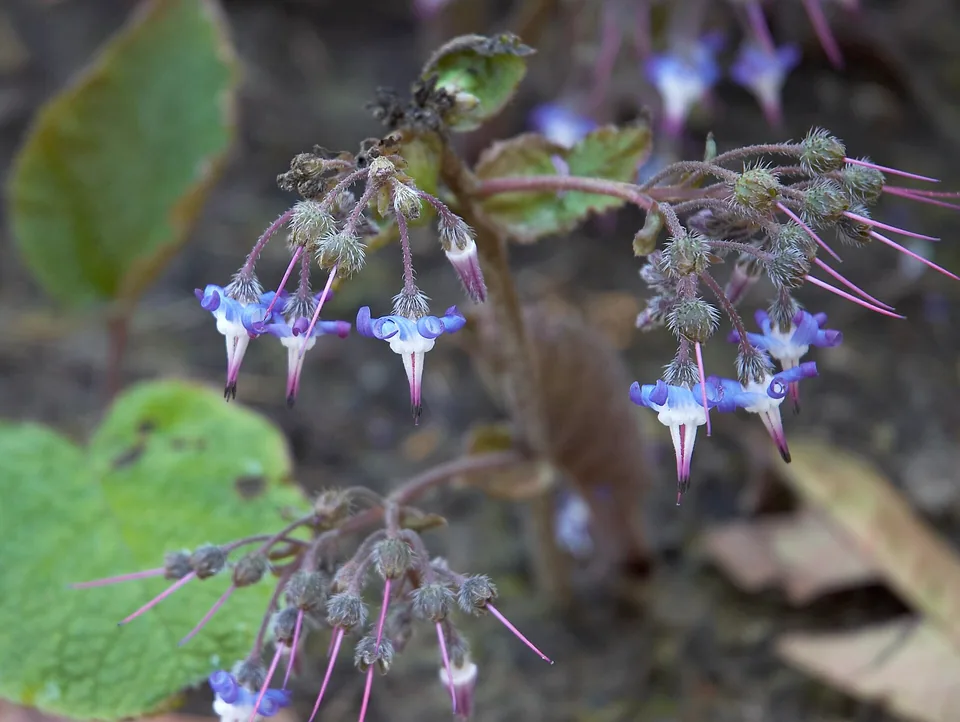


Cómo cultivar y cuidar Abraham
Trachystemon orientalis
Escrito por Emilio Marruso · última revisión
De un vistazo
El trachystemon es una vivaz agradecida que vive feliz en semisombra o sombra profunda, y también puede crecer a pleno sol. Tolera la sequía, se extiende sola para llenar un rincón sombrío y natural, y apenas pide cuidados, salvo mantenerla en su sitio. Además, sus flores, tallos, tallos subterráneos y hojas jóvenes se pueden preparar y comer.
- Sol
Semisombra o sombra profunda; también puede crecer a pleno sol
Qué dicen las fuentes (2)
Luz: Semisombra a sombra profunda; puede crecer a pleno sol
It can grow in full sun, but for the best performance, shade is the answer.
— Trachystemon orientalis (Abraham, Isaac and Jacob, Early-flowering Borage, Eastern Borage, Oriental Borage) | North Carolina Extension Gardener Plant Toolbox [1] Light: Deep shade (Less than 2 hours to no direct sunlight) Partial Shade (Direct sunlight only part of the day, 2-6 hours)
— Trachystemon orientalis (Abraham, Isaac and Jacob, Early-flowering Borage, Eastern Borage, Oriental Borage) | North Carolina Extension Gardener Plant Toolbox [1] - Riego
Tolera la sequía
Qué dicen las fuentes (1)
Riego: Tolerante a la sequía.
low maintenance with showy flowers as well as tolerant to erosion, drought, and heavy shade.
— Trachystemon orientalis (Abraham, Isaac and Jacob, Early-flowering Borage, Eastern Borage, Oriental Borage) | North Carolina Extension Gardener Plant Toolbox [1] - Frío
Aguanta inviernos de hasta −23,3 °C (−10 °F)
Muy rústica · USDA 6a · RHS H7 · Z6
Qué dicen las fuentes (2)
Rusticidad, zona más fría: 6a [mínima invernal de −23,3 a −20,6 °C (de −10 a −5 °F)]
USDA Plant Hardiness Zone: 6a, 6b, 7a, 7b, 8a, 8b, 9a, 9b
— Trachystemon orientalis (Abraham, Isaac and Jacob, Early-flowering Borage, Eastern Borage, Oriental Borage) | North Carolina Extension Gardener Plant Toolbox [1] Rusticidad, zona más cálida: 9b [mínima invernal de −3,9 a −1,1 °C (de 25 a 30 °F)]
USDA Plant Hardiness Zone: 6a, 6b, 7a, 7b, 8a, 8b, 9a, 9b
— Trachystemon orientalis (Abraham, Isaac and Jacob, Early-flowering Borage, Eastern Borage, Oriental Borage) | North Carolina Extension Gardener Plant Toolbox [1] - Suelo
Suelo húmedo y con buen drenaje
Qué dicen las fuentes (1)
Notas sobre el riego: Suelo húmedo y bien drenado
Soil Drainage: Good Drainage Moist
— Trachystemon orientalis (Abraham, Isaac and Jacob, Early-flowering Borage, Eastern Borage, Oriental Borage) | North Carolina Extension Gardener Plant Toolbox [1] - Cosecha
Flores, tallos, tallos subterráneos y hojas jóvenes se pueden preparar y comer
- Atención
Se extiende por tallos subterráneos y puede invadir: plántala en un rincón sombrío y natural y mantenla a raya
- Tamaño
30–46 cm de alto y 46–61 cm de ancho
Qué dicen las fuentes (2)
Altura adulta: 30.48-45.72 cm (1 pie 0 pulgadas - 1 pie 6 pulgadas)
Dimensions: Height: 1 ft. 0 in. - 1 ft. 6 in. Width: 1 ft. 6 in. - 2 ft. 0 in.
— Trachystemon orientalis (Abraham, Isaac and Jacob, Early-flowering Borage, Eastern Borage, Oriental Borage) | North Carolina Extension Gardener Plant Toolbox [1] Anchura adulta: 45.72-60.96 cm (1 pie 6 pulg - 2 pies 0 pulg)
Dimensions: Height: 1 ft. 0 in. - 1 ft. 6 in. Width: 1 ft. 6 in. - 2 ft. 0 in.
— Trachystemon orientalis (Abraham, Isaac and Jacob, Early-flowering Borage, Eastern Borage, Oriental Borage) | North Carolina Extension Gardener Plant Toolbox [1] - Multiplicación
Divide las matas o haz esquejes de raíz
Qué dicen las fuentes (1)
Propagación: División; esqueje de raíz
Recommended Propagation Strategy: Division Root Cutting
— Trachystemon orientalis (Abraham, Isaac and Jacob, Early-flowering Borage, Eastern Borage, Oriental Borage) | North Carolina Extension Gardener Plant Toolbox [1] - Maceta
Crece también en maceta
Qué dicen las fuentes (1)
En maceta: Sí
Landscape Location: Container Naturalized Area
— Trachystemon orientalis (Abraham, Isaac and Jacob, Early-flowering Borage, Eastern Borage, Oriental Borage) | North Carolina Extension Gardener Plant Toolbox [1]
Resumen
Trachystemon orientalis es un cubresuelo herbáceo perenne de bajo mantenimiento con flores vistosas, tolerante a la sequía y a la sombra intensa. [1] Se extiende por rizomas y puede ser algo maleza, por lo que se adapta a un área naturalizada con sombra. [1] Sus flores, tallos, rizomas y hojas jóvenes se pueden preparar y comer. [1]
Citado en inglés, como en la fuente.
Esta ficha está incompleta: las fuentes consultadas aún no cubren todos los campos.
Aún no cubierto por nuestras fuentes: Poda
Cuidados
Riego
Riego
Tolerante a la sequía.
Qué dicen las fuentes (1)
low maintenance with showy flowers as well as tolerant to erosion, drought, and heavy shade.Notas sobre el riego
Suelo húmedo y bien drenado
Qué dicen las fuentes (1)
Soil Drainage:
Good Drainage
MoistLuz
Semisombra a sombra profunda; puede crecer a pleno sol
Qué dicen las fuentes (2)
It can grow in full sun, but for the best performance, shade is the answer.Light:
Deep shade (Less than 2 hours to no direct sunlight)
Partial Shade (Direct sunlight only part of the day, 2-6 hours)Clima y frío
Rusticidad, zona más fría
6a [mínima invernal de −23,3 a −20,6 °C (de −10 a −5 °F)]
Qué dicen las fuentes (1)
USDA Plant Hardiness Zone:
6a, 6b, 7a, 7b, 8a, 8b, 9a, 9bRusticidad, zona más cálida
9b [mínima invernal de −3,9 a −1,1 °C (de 25 a 30 °F)]
Qué dicen las fuentes (1)
USDA Plant Hardiness Zone:
6a, 6b, 7a, 7b, 8a, 8b, 9a, 9bDónde cultivarla
Sí
Qué dicen las fuentes (1)
Landscape Location:
Container
Naturalized AreaPropagación
División; esqueje de raíz
Qué dicen las fuentes (1)
Recommended Propagation Strategy:
Division
Root CuttingCultivo
La planta
Ciclo de vida
perenne
Qué dicen las fuentes (1)
Early-flowering Borage is a herbaceous perennial that is low maintenance with showy flowers as well as tolerant to erosion, drought, and heavy shade.Familia
Boraginaceae
Qué dicen las fuentes (1)
Genus:
Trachystemon
Species:
orientalis
Family:
Boraginaceae
Life Cycle:
Perennial
Recommended Propagation Strategy:
DivisionAltura adulta
30.48-45.72 cm (1 pie 0 pulgadas - 1 pie 6 pulgadas)
Qué dicen las fuentes (1)
Dimensions:
Height: 1 ft. 0 in. - 1 ft. 6 in.
Width: 1 ft. 6 in. - 2 ft. 0 in.Anchura adulta
45.72-60.96 cm (1 pie 6 pulg - 2 pies 0 pulg)
Qué dicen las fuentes (1)
Dimensions:
Height: 1 ft. 0 in. - 1 ft. 6 in.
Width: 1 ft. 6 in. - 2 ft. 0 in.Problemas
Propagación como maleza
Síntoma: Se extiende por rizomas y se naturaliza, volviéndose algo maleza
Qué hacer: Es mejor usarla en un área naturalizada con sombra; requiere poco cuidado, salvo mantenerla en su lugar
Qué dicen las fuentes (1)
Spreading by rhizomes, it will naturalize in your garden. This will also cause this plant to be somewhat weedy. It may be best used in a shady naturalized area.
— Trachystemon orientalis (Abraham, Isaac and Jacob, Early-flowering Borage, Eastern Borage, Oriental Borage) | North Carolina Extension Gardener Plant Toolbox [1]
Remedios
Cada remedio indica qué dicen las fuentes oficiales; los remedios tradicionales sin fuente oficial aparecen marcados. Los perjudiciales están para que sepas evitarlos.
Cuidar la planta
follaje de verano desaliñado
recorte con desbrozadora No verificado
Remedio tradicional, no verificado por una fuente oficial.
Cómo: Si la planta empieza a verse descuidada en verano, pásale ligeramente una desbrozadora para cortarla toda; vuelve a crecer en aproximadamente una semana.
Cómo eliminarla
rizomas rastreros
cava la zona y tamiza la tierra No verificado
Remedio tradicional, no verificado por una fuente oficial.
Cómo: Cava todo el sector y tamiza la tierra antes de reemplazarla, para extraer incluso los fragmentos más pequeños del rizoma.
lona de plástico negro No verificado
Remedio tradicional, no verificado por una fuente oficial.
Cómo: Cubre toda el área con una lona de plástico negro más ancha que la extensión de la planta y déjala en su lugar durante toda una temporada de crecimiento.
Corta repetidamente hasta el suelo No verificado
Remedio tradicional, no verificado por una fuente oficial.
Cómo: Desde el comienzo de la temporada, corta la planta hasta el suelo y recorta cada brote nuevo en cuanto aparezca.
Calendario
Poda
No figura en las fuentes consultadas.
Meses tal como los dan las fuentes, en su mayoría de Estados Unidos (hemisferio norte). En el hemisferio sur se desplazan unos seis meses.
Comestibilidad
Según la fuente, citada textualmente. No comas una planta basándote solo en esta página: los errores de identificación pueden ser peligrosos.
The flowers, stems, rhizomes and young leaves can all be prepared and eaten.
[1]
Valores orientativos
Valores de una fuente secundaria, no comprobados palabra por palabra como el resto de esta página. Úselos como punto de partida.
- Resiste la sequía
- SíValor orientativo, adáptalo a tu clima · Fuente secundaria
- pH del suelo
- 6-7.5Valor orientativo, adáptalo a tu clima · Fuente secundaria
- Nivel de cuidado
- MedioValor orientativo, adáptalo a tu clima · Fuente secundaria
- Crecimiento
- AltaValor orientativo, adáptalo a tu clima · Fuente secundaria
- Poda
- Febrero, marzo, abrilValor orientativo, adáptalo a tu clima · Fuente secundaria
Plantas similares
- Lengua de vaca Anchusa azurea
- Blue Showers Cynoglossum amabile
- Viperina Echium vulgare
- Borraja Borago officinalis
- Broad-leaf Waterleaf Hydrophyllum canadense
- Bugloss Anchusa capensis
- Clasping Heliotrope Heliotropium amplexicaule
- Comfrey Symphytum grandiflorum
Fuentes
Cada valor anterior se cita de estos documentos. Los enlaces llevan al editor original.
- Trachystemon orientalis (Abraham, Isaac and Jacob, Early-flowering Borage, Eastern Borage, Oriental Borage) | North Carolina Extension Gardener Plant Toolbox · plants.ces.ncsu.edu, consultado
Escrito por Emilio Marruso · última revisión