
Cómo cultivar y cuidar Snowbush
Breynia disticha
Escrito por Emilio Marruso · última revisión
De un vistazo
Esta planta está a gusto a pleno sol o en semisombra, y crece en maceta, en interior o en el jardín. Dale mucha agua, una capa de acolchado para mantener húmedas las raíces y abonados ligeros y regulares. En climas cálidos puedes plantarla en cualquier época del año, y puedes sacar plantas nuevas de esquejes.
- Sol
De pleno sol a semisombra
Qué dicen las fuentes (2)
Luz: Pleno sol a semisombra
Prefers organically rich soils with consistent moisture, which is well-drained in full sun to part shade.
— Phyllanthus nivosus (Snowbush) | North Carolina Extension Gardener Plant Toolbox [1] The snow bush plant can live in full to partial sun, but the best color is achieved in a bright location.
— Snow Bush Information: Learn About Growing Snow Bush Shrubs At Home | Gardening Know How [4] - Riego
Bebe mucho: riega a menudo y pon acolchado alrededor de las raíces para mantener la humedad
Qué dicen las fuentes (2)
Notas sobre el riego: Gran consumidor de agua; el mantillo orgánico alrededor de la zona de raíces conserva la humedad
This is a heavy feeder and drinker.
— Snow Bush Information: Learn About Growing Snow Bush Shrubs At Home | Gardening Know How [4] Fertilize monthly and use organic mulch around the root zone to preserve moisture.
— Snow Bush Information: Learn About Growing Snow Bush Shrubs At Home | Gardening Know How [4] - Frío
Aguanta inviernos de hasta −1,1 °C (30 °F)
Semirrústica: inviernos suaves o invernadero sin calefacción · USDA 10a · RHS H3 · Z10
Qué dicen las fuentes (2)
Rusticidad, zona más fría: 10a [mínima invernal de −1,1 a 1,7 °C (de 30 a 35 °F)]
10a, 10b, 11a, 11b
— Phyllanthus nivosus (Snowbush) | North Carolina Extension Gardener Plant Toolbox [1] Rusticidad, zona más cálida: 11b [mínima invernal de 7,2 a 10 °C (de 45 a 50 °F)]
10a, 10b, 11a, 11b
— Phyllanthus nivosus (Snowbush) | North Carolina Extension Gardener Plant Toolbox [1] - Suelo
Suelo con pH 6,0–8,0
- Distancia
0,9–1,5 m entre plantas
Qué dicen las fuentes (1)
Distancia de plantación: 91.4-152.4 cm (36 a 60 pulgadas)
Plant spacing: 36 to 60 inches
— FPS73/FP073: Breynia disticha Snowbush [2] - Plantación
En climas cálidos, plántala en cualquier época del año
Qué dicen las fuentes (1)
Plantación: Todo el año (zonas 10 y 11)
Planting month for zone 10 and 11: year round
— FPS73/FP073: Breynia disticha Snowbush [2] - Abonado
Abona con regularidad, poco cada vez
Qué dicen las fuentes (1)
Frecuencia: Aplicaciones regulares y ligeras
Vigorous growth with regular, light fertilizer applications allows the new foliage to show it true charm.
— FPS73/FP073: Breynia disticha Snowbush [2] - Plagas
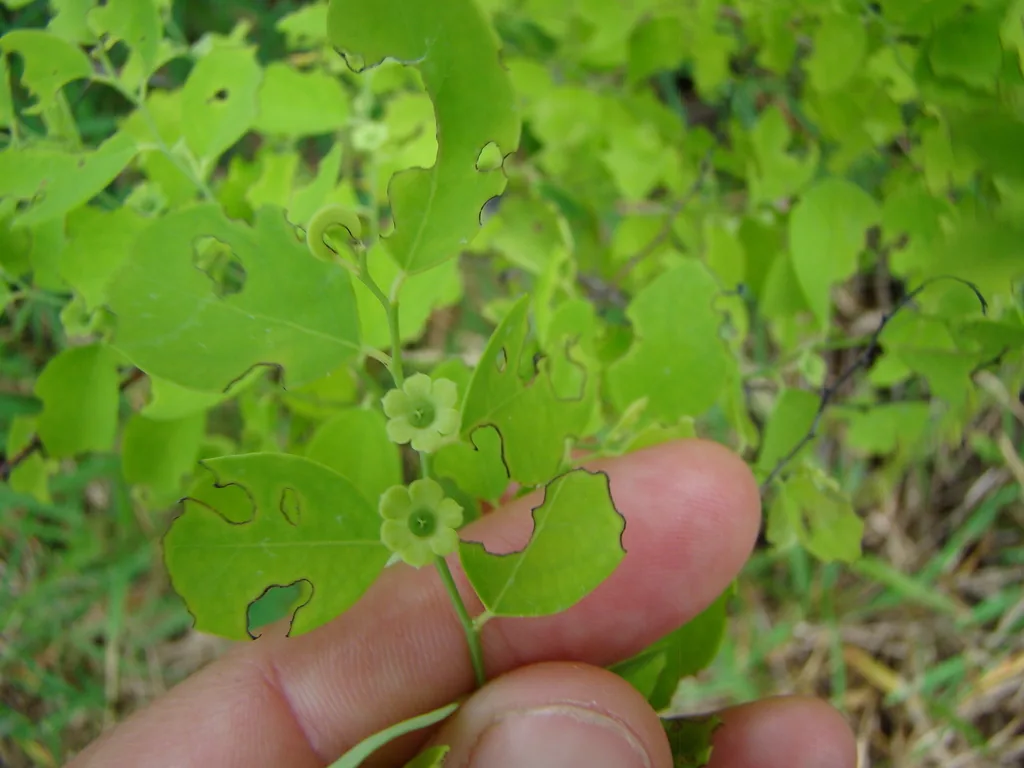
Las orugas y la araña roja pueden dañar las hojas
Qué dicen las fuentes (1)
Plagas: orugas, arañas rojas
Insects, Diseases, and Other Plant Problems: Caterpillars and spider mites can damage the foliage.
— Phyllanthus nivosus (Snowbush) | North Carolina Extension Gardener Plant Toolbox [1] - Multiplicación
Por esquejes o separando los hijuelos
Qué dicen las fuentes (2)
Propagación: Esquejes; división de chupones
Snowbush may be propagated by cuttings and sucker divisions.
— FPS73/FP073: Breynia disticha Snowbush [2] Root softwood cuttings in summer, and use bottom heat to promote rooting.
— Snow Bush Information: Learn About Growing Snow Bush Shrubs At Home | Gardening Know How [4] - Maceta
Crece también en maceta y en interior
Qué dicen las fuentes (3)
En maceta: Sí
Outside tropical areas, it should be grown in containers and overwintered in humid, cool, frost-free locations.
— Phyllanthus nivosus (Snowbush) | North Carolina Extension Gardener Plant Toolbox [1]
Resumen
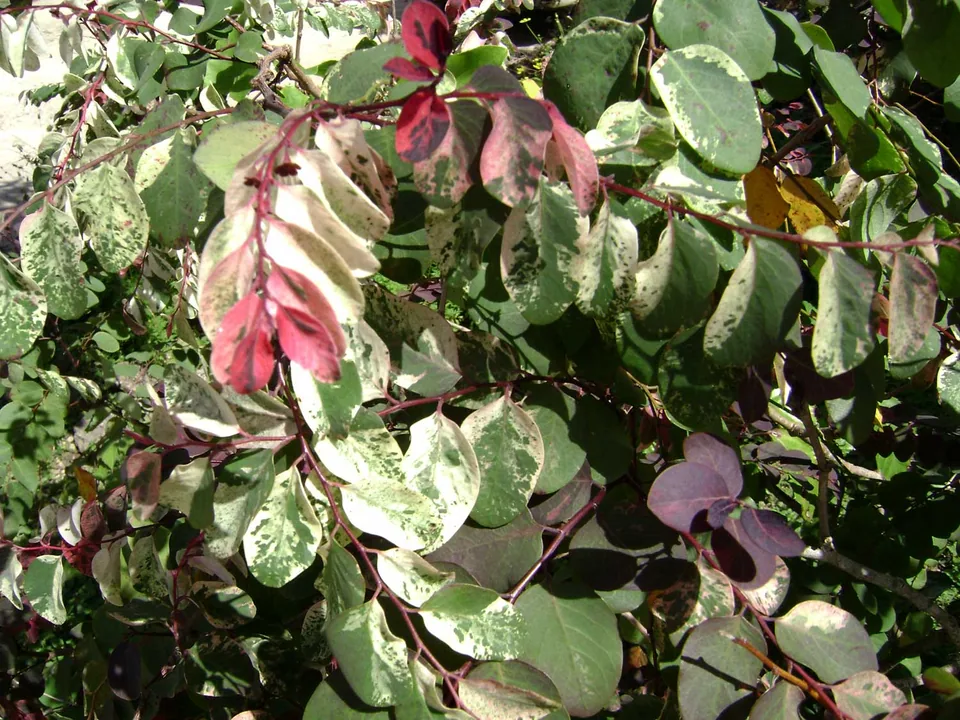
La mata de nieve es un arbusto de hoja perenne de hoja ancha cultivado por su follaje moteado blanco y verde. [1] Fuera de las zonas tropicales se cultiva en contenedores y se pasa el invierno en lugares sin heladas. [1] Se desarrolla mejor a pleno sol o semisombra, con humedad constante y suelo bien drenado. [1]
Citado en inglés, como en la fuente.
Cuidados
Riego
Riego
Las fuentes no coinciden:
Drought tolerance: moderate
[2]
Qué dicen las fuentes (2)
Soil should be consistently moist and not allowed to dry out.Prefers organically rich soils with consistent moistureNotas sobre el riego
Gran consumidor de agua; el mantillo orgánico alrededor de la zona de raíces conserva la humedad
Qué dicen las fuentes (2)
This is a heavy feeder and drinker.Fertilize monthly and use organic mulch around the root zone to preserve moisture.Luz
Pleno sol a semisombra
Qué dicen las fuentes (2)
Prefers organically rich soils with consistent moisture, which is well-drained in full sun to part shade.The snow bush plant can live in full to partial sun, but the best color is achieved in a bright location.Clima y frío
Rusticidad, zona más fría
10a [mínima invernal de −1,1 a 1,7 °C (de 30 a 35 °F)]
Qué dicen las fuentes (1)
10a, 10b, 11a, 11bRusticidad, zona más cálida
11b [mínima invernal de 7,2 a 10 °C (de 45 a 50 °F)]
Qué dicen las fuentes (1)
10a, 10b, 11a, 11bSuelo
pH del suelo, mínimo
6.0
Qué dicen las fuentes (1)
Neutral (6.0-8.0)pH del suelo, máximo
8.0
Qué dicen las fuentes (1)
Neutral (6.0-8.0)Dónde cultivarla
En interior
Sí
En maceta
Sí
Qué dicen las fuentes (1)
Outside tropical areas, it should be grown in containers and overwintered in humid, cool, frost-free locations.Distancia de plantación
91.4-152.4 cm (36 a 60 pulgadas)
Qué dicen las fuentes (1)
Plant spacing: 36 to 60 inchesPropagación
Esquejes; división de chupones
Cultivo
La planta
Familia
Altura adulta
Plagas y enfermedades
Plagas
orugas, arañas rojas
Qué dicen las fuentes (1)
Insects, Diseases, and Other Plant Problems: Caterpillars and spider mites can damage the foliage.Abonado
Frecuencia
Aplicaciones regulares y ligeras
Qué dicen las fuentes (1)
Vigorous growth with regular, light fertilizer applications allows the new foliage to show it true charm.Problemas
Orugas y arañas rojas
Síntoma: Follaje dañado
Qué dicen las fuentes (1)
Caterpillars and spider mites can damage the foliage.
— Phyllanthus nivosus (Snowbush) | North Carolina Extension Gardener Plant Toolbox [1]
Remedios
Cada remedio indica qué dicen las fuentes oficiales; los remedios tradicionales sin fuente oficial aparecen marcados. Los perjudiciales están para que sepas evitarlos.
Cuidar la planta
orugas del medidor del arbusto de nieve
recogida manual de orugas Funciona
Cómo: Recoge las orugas a mano o poda las puntas de las ramas muy infestadas antes de que las orugas se dispersen por todo el arbusto
Hand picking the caterpillars or pruning away the tips of heavily infested branches before the caterpillars disperse throughout the shrub can immediately reduce caterpillar numbers and may effectively control the infestation.
— ask.ifas.ufl.edu [9] Qué dicen las pruebas Hand picking the caterpillars or pruning away the tips of heavily infested branches before the caterpillars disperse throughout the shrub can immediately reduce caterpillar numbers and may effectively control the infestation.
— ask.ifas.ufl.edu [9] bacillus thuringiensis Funciona
Insecticides that control caterpillars should not be used in a pollinator garden where desirable caterpillars are present as they will also kill those caterpillars.
— ask.ifas.ufl.edu [9] Cómo: Aplica Bacillus thuringiensis, una bacteria natural que se vende comúnmente como insecticida, siguiendo las instrucciones de la etiqueta.
Bacillus thuringiensis , a naturally occurring bacteria commonly sold as an insecticide will effectively control this caterpillar pest.
— ask.ifas.ufl.edu [9] Qué dicen las pruebas Bacillus thuringiensis , a naturally occurring bacteria commonly sold as an insecticide will effectively control this caterpillar pest.
— ask.ifas.ufl.edu [9]
ácaros araña
chorro constante de agua Funciona
Cómo: Rocía las plantas afectadas con un chorro constante de agua dos veces por semana durante los períodos de mayor actividad de los ácaros.
Homeowners can reduce mite problems by spraying affected plants with a steady stream of water twice a week during periods of peak mite activity. This has a minimal impact on natural enemies of spidermites.
— extension.entm.purdue.edu [10] Qué dicen las pruebas Homeowners can reduce mite problems by spraying affected plants with a steady stream of water twice a week during periods of peak mite activity. This has a minimal impact on natural enemies of spidermites.
— extension.entm.purdue.edu [10] spray de jabón insecticida Fuente oficial, sin prueba independiente
Cómo: el jabón insecticida debe cubrir los ácaros para eliminarlos
This is especially important for horticultural oil and insecticidal soap which must cover mites to kill them.
— extension.entm.purdue.edu [10]
Calendario
Plantación
Todo el año (zonas 10 y 11)
Qué dicen las fuentes (1)
Planting month for zone 10 and 11: year roundPoda
Las fuentes dan valores distintos según la región, la zona o las condiciones de cultivo.
Lo que dice cada fuente
Según Gardening Know How: Invierno
Según NC State Extension: Temporada de crecimiento
Qué dicen las fuentes (2)
Según Gardening Know How: Prune annually in winter to keep the bush at the size you require.Según NC State Extension: Light pruning during the growing season will encourage new foliage.Meses tal como los dan las fuentes, en su mayoría de Estados Unidos (hemisferio norte). En el hemisferio sur se desplazan unos seis meses.
Valores orientativos
Valores de una fuente secundaria, no comprobados palabra por palabra como el resto de esta página. Úselos como punto de partida.
- Ciclo de vida
- PerenneValor orientativo, adáptalo a tu clima · Fuente secundaria
- Horas de sol
- 4-6 horasValor orientativo, adáptalo a tu clima · Fuente secundaria
- Resiste la sequía
- SíValor orientativo, adáptalo a tu clima · Fuente secundaria
- Crecimiento
- BajoValor orientativo, adáptalo a tu clima · Fuente secundaria
Plantas similares
- Abeto de Vancuver Abies grandis
- Abraham Trachystemon orientalis
- Bananero de Etiopía Ensete ventricosum
- Acacia longifolia Acacia longifolia
- Acanthus hungaricus Acanthus hungaricus
- Achlys triphylla Achlys triphylla
- Acónito común Aconitum napellus
- Palma de aguja Yucca flaccida
Fuentes
Cada valor anterior se cita de estos documentos. Los enlaces llevan al editor original.
- Phyllanthus nivosus (Snowbush) | North Carolina Extension Gardener Plant Toolbox · plants.ces.ncsu.edu, consultado
- FPS73/FP073: Breynia disticha Snowbush · ask.ifas.ufl.edu, consultado
- FPS73/FP073: Breynia disticha Snowbush · edis.ifas.ufl.edu, consultado
- Snow Bush Information: Learn About Growing Snow Bush Shrubs At Home | Gardening Know How · gardeningknowhow.com, consultado
- Breynia disticha - Leon Levy Native Plant Preserve · levypreserve.org, consultado
- Breynia disticha - Botany Brisbane · botanybrisbane.com, consultado
- Breynia disticha - Useful Tropical Plants · tropical.theferns.info, consultado
- Breynia - Fine Gardening · finegardening.com, consultado
- ask.ifas.ufl.edu · ask.ifas.ufl.edu
- extension.entm.purdue.edu · extension.entm.purdue.edu
Escrito por Emilio Marruso · última revisión