
Cómo cultivar y cuidar Almez americano
Celtis occidentalis
Escrito por Emilio Marruso · última revisión
De un vistazo
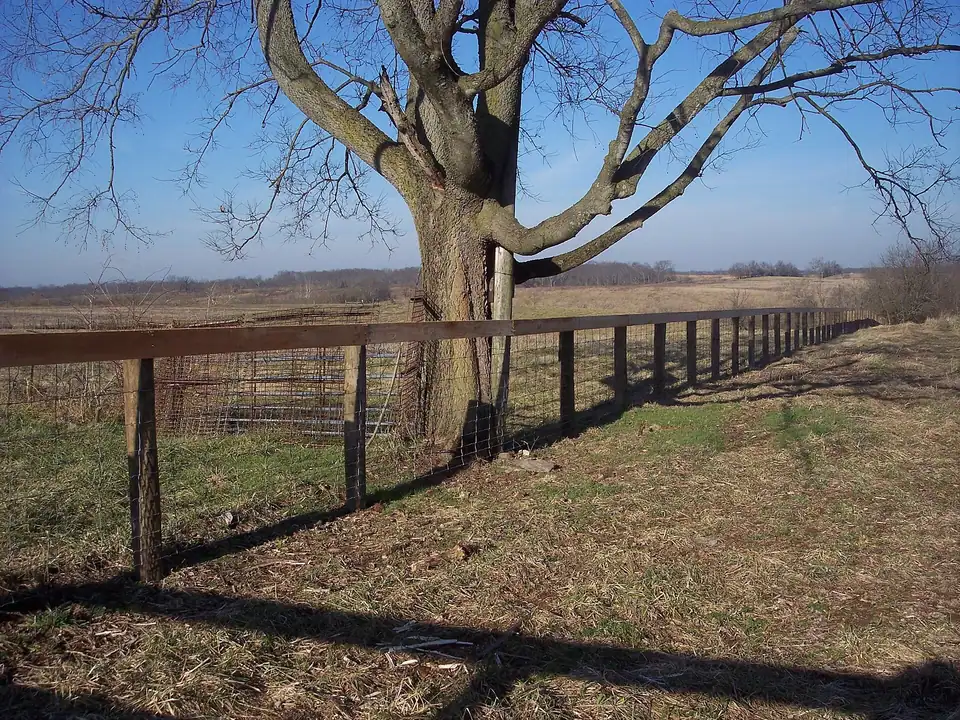
El almez americano es un árbol grande y poco exigente que crece a pleno sol o en semisombra y aguanta sitios algo húmedos y también secos. En otoño madura su fruto, cuya parte carnosa es algo dulce y se come cruda o en mermeladas y confituras. Dale mucho espacio: puede alcanzar de 12 a 18 m de ancho.
- Sol
Sol pleno o semisombra
Qué dicen las fuentes (2)
Luz: Pleno sol a semisombra
Grow in full sun to partial shade in moist, amended, well-drained soils
— Celtis occidentalis (American Hackberry, Beaverwood, Common Hackberry, False Elm, Hackberry, Nettle Tree, Northern Hackberry) | North Carolina Extension Gardener Plant Toolbox [1] Full sun; best in moist, well-drained soils, but tolerates moderately wet, dry and alkaline sites.
— Selecting Trees for Your Home - Common Hackberry (Celtis occidentalis) [2] - Riego
Prefiere suelo húmedo y bien drenado, pero aguanta sitios algo encharcados y también secos
Qué dicen las fuentes (1)
Notas sobre el riego: Mejor en suelos húmedos y bien drenados; tolera sitios moderadamente húmedos y secos
Full sun; best in moist, well-drained soils, but tolerates moderately wet, dry and alkaline sites.
— Selecting Trees for Your Home - Common Hackberry (Celtis occidentalis) [2] - Frío
Aguanta inviernos de hasta −40 °C (−40 °F)
Muy rústica · USDA 3a · RHS H7 · Z3
Qué dicen las fuentes (2)
Rusticidad, zona más fría: 3a [mínima invernal de −40 a −37,2 °C (de −40 a −35 °F)]
3a, 3b, 4a, 4b, 5a, 5b, 6a, 6b, 7a, 7b, 8a, 8b, 9a, 9b
— Celtis occidentalis (American Hackberry, Beaverwood, Common Hackberry, False Elm, Hackberry, Nettle Tree, Northern Hackberry) | North Carolina Extension Gardener Plant Toolbox [1] Rusticidad, zona más cálida: 9b [mínima invernal de −3,9 a −1,1 °C (de 25 a 30 °F)]
3a, 3b, 4a, 4b, 5a, 5b, 6a, 6b, 7a, 7b, 8a, 8b, 9a, 9b
— Celtis occidentalis (American Hackberry, Beaverwood, Common Hackberry, False Elm, Hackberry, Nettle Tree, Northern Hackberry) | North Carolina Extension Gardener Plant Toolbox [1] - Cosecha
El fruto madura en septiembre; come su pulpa dulce cruda o haz mermeladas y confituras
Qué dicen las fuentes (1)
Cosecha: El fruto madura en septiembre; época de exhibición y cosecha en otoño
It ripens in September, but often remains on the tree through the winter.
— Celtis occidentalis (American Hackberry, Beaverwood, Common Hackberry, False Elm, Hackberry, Nettle Tree, Northern Hackberry) | North Carolina Extension Gardener Plant Toolbox [1] - Plagas
Pulgones, chinches de encaje, cochinillas y oídio; las agallas de las hojas afean pero no dañan el árbol
Qué dicen las fuentes (3)
Plagas: Pulgón lanoso asiático del almez, tíngidos, cochinillas, agalla de pezón del almez
Watch for Asian wooly hackberry aphid, lacebugs, and scale.
— Celtis occidentalis (American Hackberry, Beaverwood, Common Hackberry, False Elm, Hackberry, Nettle Tree, Northern Hackberry) | North Carolina Extension Gardener Plant Toolbox [1] Hackberry nipple gall also does not hurt the tree but can disfigure the leaves.
— Celtis occidentalis (American Hackberry, Beaverwood, Common Hackberry, False Elm, Hackberry, Nettle Tree, Northern Hackberry) | North Carolina Extension Gardener Plant Toolbox [1] Enfermedades: Mildiu polvoriento, mancha foliar, pudrición de raíces
Powdery mildew, leaf spot and root rot may occur.
— Celtis occidentalis (American Hackberry, Beaverwood, Common Hackberry, False Elm, Hackberry, Nettle Tree, Northern Hackberry) | North Carolina Extension Gardener Plant Toolbox [1] - Tamaño
De 12 a 18 m de ancho
Qué dicen las fuentes (1)
Anchura adulta: 1219-1829 cm (40-60 pies)
Width: 40 ft. 0 in. - 60 ft. 0 in.
— Celtis occidentalis (American Hackberry, Beaverwood, Common Hackberry, False Elm, Hackberry, Nettle Tree, Northern Hackberry) | North Carolina Extension Gardener Plant Toolbox [1] - Multiplicación
Se multiplica por semilla
Qué dicen las fuentes (1)
Propagación: Semilla
Life Cycle: Woody Recommended Propagation Strategy: Seed Country Or Region Of Origin:
— Celtis occidentalis (American Hackberry, Beaverwood, Common Hackberry, False Elm, Hackberry, Nettle Tree, Northern Hackberry) | North Carolina Extension Gardener Plant Toolbox [1]
Resumen
El almez común es un árbol caducifolio nativo de larga vida que crece entre 40 y 60 pies [12,2–18,3 m] de altura y de ancho. [1] Crece a pleno sol o semisombra y tolera el viento, las condiciones urbanas y diversos tipos de suelo. [1] El árbol se utiliza como árbol de sombra o árbol de calle y brinda apoyo a la vida silvestre. [1]
Citado en inglés, como en la fuente.
Esta ficha está incompleta: las fuentes consultadas aún no cubren todos los campos.
Aún no cubierto por nuestras fuentes: Riego, Poda
Cuidados
Las medidas entre corchetes son nuestra conversión al otro sistema de unidades; el texto citado no cambia.
Riego
Riego
No figura en las fuentes consultadas.
Notas sobre el riego
Mejor en suelos húmedos y bien drenados; tolera sitios moderadamente húmedos y secos
Qué dicen las fuentes (1)
Full sun; best in moist, well-drained soils, but tolerates moderately wet, dry and alkaline sites.Luz
Pleno sol a semisombra
Qué dicen las fuentes (2)
Grow in full sun to partial shade in moist, amended, well-drained soilsFull sun; best in moist, well-drained soils, but tolerates moderately wet, dry and alkaline sites.Clima y frío
Rusticidad, zona más fría
3a [mínima invernal de −40 a −37,2 °C (de −40 a −35 °F)]
Qué dicen las fuentes (1)
3a, 3b, 4a, 4b, 5a, 5b, 6a, 6b, 7a, 7b, 8a, 8b, 9a, 9bRusticidad, zona más cálida
9b [mínima invernal de −3,9 a −1,1 °C (de 25 a 30 °F)]
Qué dicen las fuentes (1)
3a, 3b, 4a, 4b, 5a, 5b, 6a, 6b, 7a, 7b, 8a, 8b, 9a, 9bPropagación
Semilla
Qué dicen las fuentes (1)
Life Cycle:
Woody
Recommended Propagation Strategy:
Seed
Country Or Region Of Origin:Cultivo
La planta
Ciclo de vida
leñoso
Qué dicen las fuentes (1)
Life Cycle: WoodyFamilia
Cannabaceae
Qué dicen las fuentes (1)
Family: CannabaceaeAltura adulta
Anchura adulta
1219-1829 cm (40-60 pies)
Qué dicen las fuentes (1)
Width: 40 ft. 0 in. - 60 ft. 0 in.Plagas y enfermedades
Plagas
Pulgón lanoso asiático del almez, tíngidos, cochinillas, agalla de pezón del almez
Qué dicen las fuentes (2)
Watch for Asian wooly hackberry aphid, lacebugs, and scale.Hackberry nipple gall also does not hurt the tree but can disfigure the leaves.Enfermedades
Mildiu polvoriento, mancha foliar, pudrición de raíces
Qué dicen las fuentes (1)
Powdery mildew, leaf spot and root rot may occur.Problemas
Insectos plaga
Síntoma: Pulgón asiático del almez, tíngidos y cochinillas
Qué hacer: Vigílalos
Qué dicen las fuentes (1)
Watch for Asian wooly hackberry aphid, lacebugs, and scale.
— Celtis occidentalis (American Hackberry, Beaverwood, Common Hackberry, False Elm, Hackberry, Nettle Tree, Northern Hackberry) | North Carolina Extension Gardener Plant Toolbox [1] Agalla de pezón del almez
Síntoma: Hojas deformadas
Qué hacer: No daña el árbol; solo cosmético
Qué dicen las fuentes (2)
Hackberry nipple gall also does not hurt the tree but can disfigure the leaves.
— Celtis occidentalis (American Hackberry, Beaverwood, Common Hackberry, False Elm, Hackberry, Nettle Tree, Northern Hackberry) | North Carolina Extension Gardener Plant Toolbox [1] No common problems except nipple gall which is a cosmetic problem that does no real damage.
— Selecting Trees for Your Home - Common Hackberry (Celtis occidentalis) [2]
Remedios
Cada remedio indica qué dicen las fuentes oficiales; los remedios tradicionales sin fuente oficial aparecen marcados. Los perjudiciales están para que sepas evitarlos.
Cuidar la planta
pulgones
spray de aceite de neem Funciona en parte
Many organic pesticides are less toxic than their synthetic counterparts, but that doesn’t mean they are safe or won’t cause environmental harm.
— extension.unh.edu [5] Another key point is that organic doesn’t mean that only the target pest will be killed. Other non-target beneficial organisms can be impacted as well.
— extension.unh.edu [5] Cómo: Rocía aceite de neem sobre las hojas.
In the event of an aphid infestation, spraying neem oil on the leaves can help remedy the situation.
— gardenerspath.com [4] Qué dicen las pruebas Some benefits of neem include low mammalian toxicity and limited persistence in the environment. However, neem oil is not effective against every insect and disease, and often must be frequently reapplied to reach the desired outcome.
— extension.unh.edu [5]
ácaros
chorro de agua fuerte con manguera No verificado
Remedio tradicional, no verificado por una fuente oficial.
Cómo: Rocía las hojas con la manguera en modo de alta presión.
moho fuliginoso
spray de agua jabonosa No verificado
Remedio tradicional, no verificado por una fuente oficial.
For example, spraying home remedies that contain dish detergent on plants on a sunny day can injure the plant, essentially burning it.
— extension.psu.edu [6] Cómo: una rociada ocasional con agua jabonosa
Calendario
Cosecha
El fruto madura en septiembre; época de exhibición y cosecha en otoño
Qué dicen las fuentes (1)
It ripens in September, but often remains on the tree through the winter.Poda
No figura en las fuentes consultadas.
Meses tal como los dan las fuentes, en su mayoría de Estados Unidos (hemisferio norte). En el hemisferio sur se desplazan unos seis meses.
Comestibilidad
Según la fuente, citada textualmente. No comas una planta basándote solo en esta página: los errores de identificación pueden ser peligrosos.
Fleshy parts of the fruit are edible and somewhat sweet. Can be eaten raw or used for making jellies and preserves.
[1]
Valores orientativos
Valores de una fuente secundaria, no comprobados palabra por palabra como el resto de esta página. Úselos como punto de partida.
- Horas de sol
- 6-8 horasValor orientativo, adáptalo a tu clima · Fuente secundaria
- Riego
- FrecuenteValor orientativo, adáptalo a tu clima · Fuente secundaria
- Suelo
- Arenoso Franco Arcilloso PedregosoValor orientativo, adáptalo a tu clima · Fuente secundaria
- pH del suelo
- 6-7.5Valor orientativo, adáptalo a tu clima · Fuente secundaria
- Crecimiento
- BajoValor orientativo, adáptalo a tu clima · Fuente secundaria
- Poda
- Febrero, marzo, abrilValor orientativo, adáptalo a tu clima · Fuente secundaria
Plantas similares
- Almez chino Celtis sinensis
- Hackberry Celtis tenuifolia
- Almez del Mississippi Celtis laevigata
- Almez Celtis australis
- Blue Sandalwood Pteroceltis tatarinowii
- Lúpulo Humulus lupulus
- Lúpulo japonés Humulus scandens
- Abeto de Vancuver Abies grandis
Fuentes
Cada valor anterior se cita de estos documentos. Los enlaces llevan al editor original.
- Celtis occidentalis (American Hackberry, Beaverwood, Common Hackberry, False Elm, Hackberry, Nettle Tree, Northern Hackberry) | North Carolina Extension Gardener Plant Toolbox · plants.ces.ncsu.edu, consultado
- Selecting Trees for Your Home - Common Hackberry (Celtis occidentalis) · web.extension.illinois.edu, consultado
- Native Trees of Maryland: Common Hackberry, Celtis occidentalis | University of Maryland Extension · extension.umd.edu, consultado
- gardenerspath.com · gardenerspath.com
- extension.unh.edu · extension.unh.edu
- extension.psu.edu · extension.psu.edu
Escrito por Emilio Marruso · última revisión