
Cómo cultivar y cuidar Jaguarzo
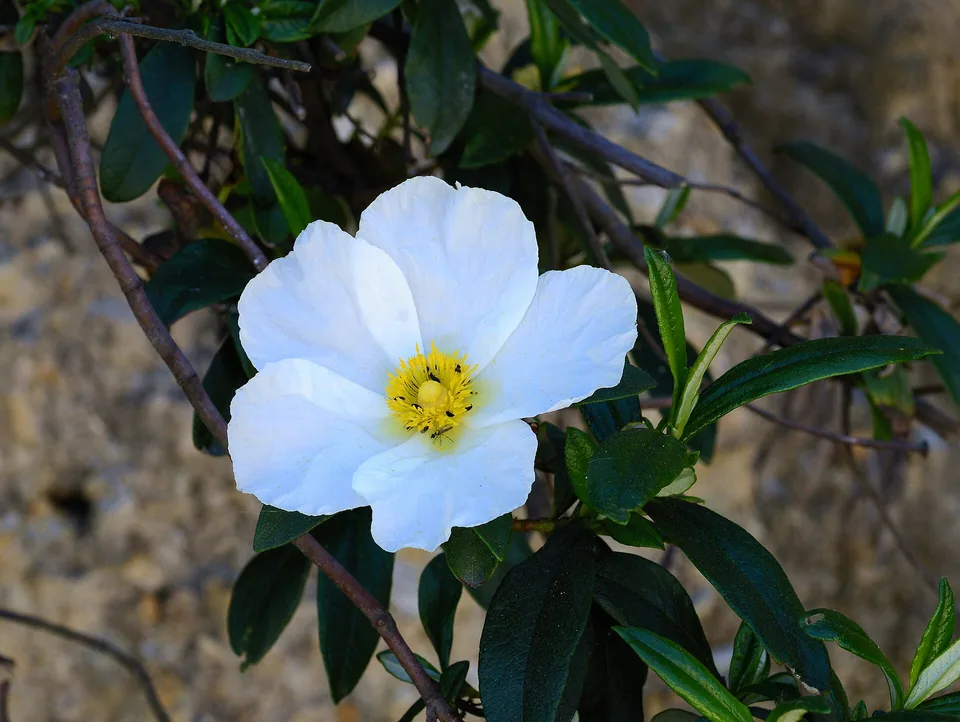
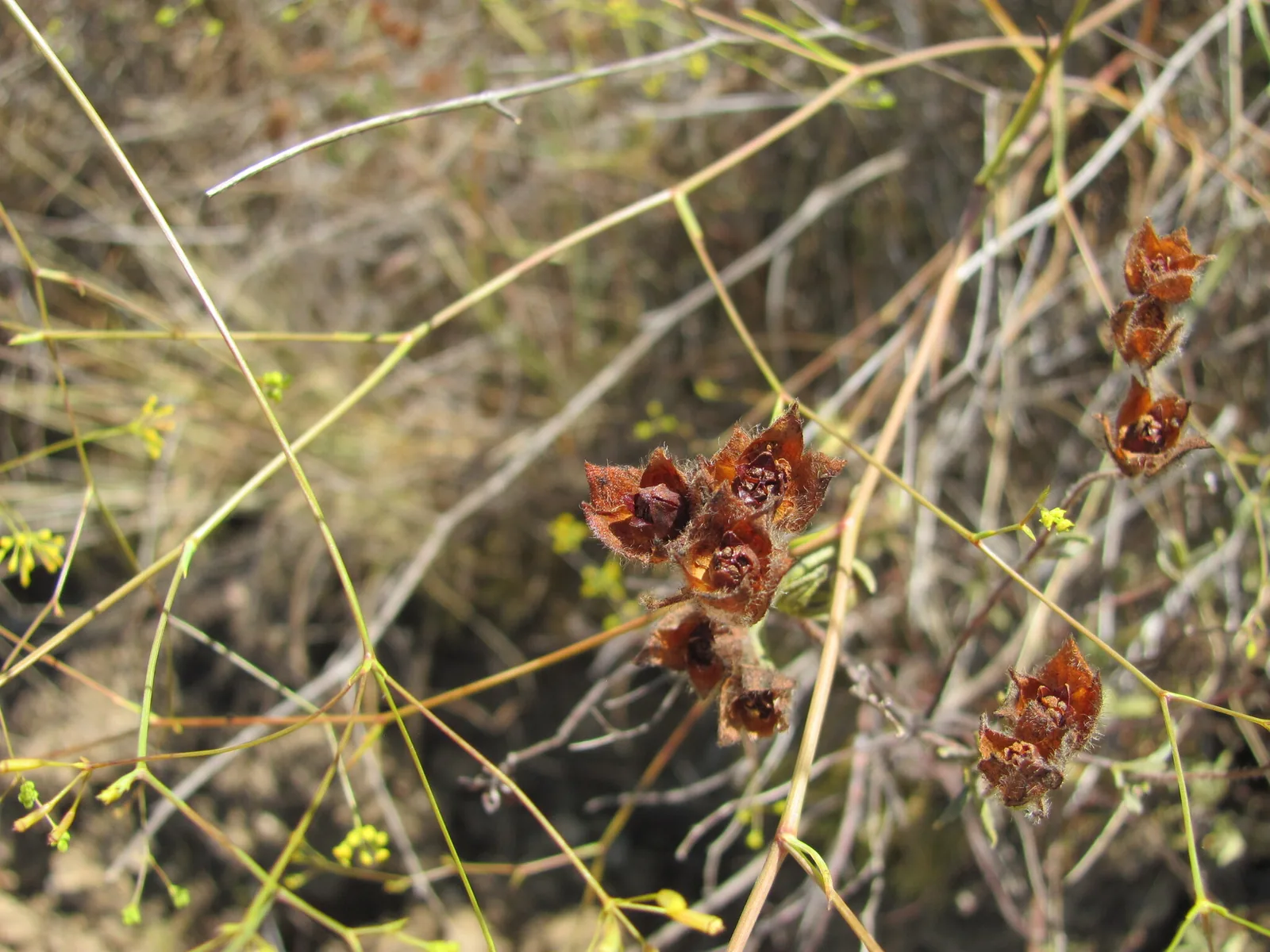
Cistus monspeliensis
Escrito por Emilio Marruso · última revisión
Tóxica para: Gatos, Perros, Caballos, Aves, Ganado, Personas · Por qué
De un vistazo
El jaguarzo negro es un sueño para los rincones soleados: dale sol pleno y, una vez establecido, aguanta muy bien la sequía. No necesita abonado regular; de hecho, la tierra demasiado rica lo vuelve larguirucho y de vida más corta. También crece feliz en maceta. Plántalo en mayo o junio y disfruta de una planta sin efectos tóxicos conocidos para personas ni animales.
- Sol
Sol pleno
Qué dicen las fuentes (1)
Luz: Pleno sol
For best results grow Cistus monspeliensis in full sun in well-drained soil.
— Cistus monspeliensis | BBC Gardeners World Magazine [3] - Riego
Una vez establecido, aguanta muy bien la sequía
Qué dicen las fuentes (1)
Riego: Las plantas establecidas toleran muy bien la sequía
]. Established plants are very drought tolerant[ 11 Title
— Cistus monspeliensis - Useful Temperate Plants [4] - Suelo
Evita la tierra rica; en suelo encharcado y muy calizo las hojas amarillean
Qué dicen las fuentes (3)
Evitar: Suelo demasiado fértil, alimentación regular y enriquecimiento anual del suelo
Cistus dislike overly fertile soils, which can result in leafy growth at the expense of flowers, soft growth that is more susceptible to frost damage, and a leggier plant with a shorter lifespan.
— How to grow cistus / RHS Growing Guide [2] Over-pampering these shrubs with excessive feeding, watering and soil enrichment can also significantly reduce their lifespan, and result in unattractive, bare, leggy plants.
— How to grow cistus / RHS Growing Guide [2] Signos de carencia: Clorosis (amarillamiento de las hojas) por deficiencia de nutrientes en suelos fuertemente alcalinos o con encharcamiento
Chlorosis (leaf yellowing), due to nutrient deficiency in strongly alkaline and waterlogged
— How to grow cistus / RHS Growing Guide [2] - Plantación
Planta en mayo o junio; las plántulas, después de las últimas heladas
Qué dicen las fuentes (3)
Plantación: Mayo-junio
Según BBC Gardeners World: | Plant | | | | | yes | yes | | | | | |
— Cistus monspeliensis | BBC Gardeners World Magazine [3] Plántulas: Grow them on in the greenhouse for their first winter and plant them out the in the following spring or early summer, after the last expected frosts
— Cistus monspeliensis - Useful Temperate Plants [4] | Plant | | | | | yes | yes | | | | | |
— Cistus monspeliensis | BBC Gardeners World Magazine [3] - Abonado
Sin abonado regular: el exceso da hojas en vez de flores y plantas larguiruchas
Qué dicen las fuentes (3)
Frecuencia: No se necesita alimentación regular
It isn’t necessary, therefore, to regularly feed cistus, or to enrich the soil with annual mulching .
— How to grow cistus / RHS Growing Guide [2] Signos de exceso: Crecimiento frondoso a expensas de las flores, crecimiento blando propenso a daños por heladas, plantas desnudas y largas con una vida más corta
Cistus dislike overly fertile soils, which can result in leafy growth at the expense of flowers, soft growth that is more susceptible to frost damage, and a leggier plant with a shorter lifespan.
— How to grow cistus / RHS Growing Guide [2] Over-pampering these shrubs with excessive feeding, watering and soil enrichment can also significantly reduce their lifespan, and result in unattractive, bare, leggy plants.
— How to grow cistus / RHS Growing Guide [2] - Multiplicación
Por semilla, o por esquejes en verano o a principios y mediados de otoño
Qué dicen las fuentes (3)
Propagación: Semilla; esquejes de madera blanda a semimadura a principios o finales del verano, o de madera casi madura a principios o mediados del otoño
Seed - gather when ripe and store dry
— Cistus monspeliensis - Useful Temperate Plants [4] Cuttings of softish to half-ripe wood, 8cm long with a heel or at a node, early to late summer in a frame.
— Cistus monspeliensis - Useful Temperate Plants [4] Cuttings of almost mature wood, 8 - 12cm with a heel or at a node, early to mid autumn in a frame.
— Cistus monspeliensis - Useful Temperate Plants [4] - Maceta
Crece también en maceta
Qué dicen las fuentes (1)
En maceta: Sí
It's particularly well suited to growing in rock gardens and containers
— Cistus monspeliensis | BBC Gardeners World Magazine [3] - Seguridad
Sin efectos tóxicos conocidos para personas ni animales
Resumen
La jara de Montpellier es un arbusto mediterráneo de hoja perenne y porte arbustivo, con flores blancas a finales de la primavera. [3] Crece mejor a pleno sol en suelo bien drenado y es adecuada para jardines de rocas y laderas soleadas. [3] Las plantas establecidas son muy tolerantes a la sequía y no les gusta la poda ni la perturbación de las raíces. [4]
Citado en inglés, como en la fuente.
Esta ficha está incompleta: las fuentes consultadas aún no cubren todos los campos.
Aún no cubierto por nuestras fuentes: Rusticidad, zona más fría, Rusticidad, zona más cálida, Poda
Cuidados
Riego
Las plantas establecidas toleran muy bien la sequía
Qué dicen las fuentes (1)
]. Established plants are very drought tolerant[ 11 TitleLuz
Pleno sol
Qué dicen las fuentes (1)
For best results grow Cistus monspeliensis in full sun in well-drained soil.Clima y frío
Rusticidad, zona más fría
No figura en las fuentes consultadas.
Rusticidad, zona más cálida
No figura en las fuentes consultadas.
Dónde cultivarla
Sí
Qué dicen las fuentes (1)
It's particularly well suited to growing in rock gardens and containersPropagación
Semilla; esquejes de madera blanda a semimadura a principios o finales del verano, o de madera casi madura a principios o mediados del otoño
Qué dicen las fuentes (3)
Seed - gather when ripe and store dryCuttings of softish to half-ripe wood, 8cm long with a heel or at a node, early to late summer in a frame.Cuttings of almost mature wood, 8 - 12cm with a heel or at a node, early to mid autumn in a frame.Cultivo
La planta
Familia
Cistaceae
Qué dicen las fuentes (1)
Family: CISTACEAE Genus: Cistus Catalan common name: Estepa llimonenca. Estepa negra. Spanish common name: Estepa morisca.Abonado
Frecuencia
No se necesita alimentación regular
Qué dicen las fuentes (1)
It isn’t necessary, therefore, to regularly feed cistus, or to enrich the soil with annual mulching .Evitar
Suelo demasiado fértil, alimentación regular y enriquecimiento anual del suelo
Qué dicen las fuentes (2)
Cistus dislike overly fertile soils, which can result in leafy growth at the expense of flowers, soft growth that is more susceptible to frost damage, and a leggier plant with a shorter lifespan.Over-pampering these shrubs with excessive feeding, watering and soil enrichment can also significantly reduce their lifespan, and result in unattractive, bare, leggy plants.Signos de carencia
Clorosis (amarillamiento de las hojas) por deficiencia de nutrientes en suelos fuertemente alcalinos o con encharcamiento
Qué dicen las fuentes (1)
Chlorosis (leaf yellowing), due to nutrient deficiency in strongly alkaline and waterloggedSignos de exceso
Crecimiento frondoso a expensas de las flores, crecimiento blando propenso a daños por heladas, plantas desnudas y largas con una vida más corta
Qué dicen las fuentes (2)
Cistus dislike overly fertile soils, which can result in leafy growth at the expense of flowers, soft growth that is more susceptible to frost damage, and a leggier plant with a shorter lifespan.Over-pampering these shrubs with excessive feeding, watering and soil enrichment can also significantly reduce their lifespan, and result in unattractive, bare, leggy plants.Remedios
Las fuentes consultadas no dan remedios para esta planta.
Venenosa para los animales
Según la fuente, citada textualmente. No es un consejo médico ni veterinario: si una persona o un animal pudo haber ingerido esta planta, contacta con un centro de toxicología o con un veterinario.
## Is Cistus ‘Monspeliensis’ poisonous? Cistus ‘Monspeliensis’ has no toxic effects reported.
[3]La fuente señala el riesgo para este animal pero no explica por qué.
Calendario
Mayo-junio
Lo que dice cada fuente
Según BBC Gardeners World: Mayo-junio
Plántulas: En primavera o principios de verano, después de las últimas heladas previstas
Qué dicen las fuentes (3)
Según BBC Gardeners World: | Plant | | | | | yes | yes | | | | | | Plántulas: Grow them on in the greenhouse for their first winter and plant them out the in the following spring or early summer, after the last expected frosts| Plant | | | | | yes | yes | | | | | | No figura en las fuentes consultadas.
Meses tal como los dan las fuentes, en su mayoría de Estados Unidos (hemisferio norte). En el hemisferio sur se desplazan unos seis meses.
Plantas similares
- Jara blanca Cistus albidus
- Pink rock-rose Cistus creticus
- Jaguarzo morisco Cistus salviifolius
- O jara Cistus laurifolius
- Heliántemo Helianthemum nummularium
- Abeto de Vancuver Abies grandis
- Abraham Trachystemon orientalis
- Bananero de Etiopía Ensete ventricosum
Fuentes
Cada valor anterior se cita de estos documentos. Los enlaces llevan al editor original.
- Cistus monspeliensis L. - Herbari Virtual del Mediterrani Occidental · herbarivirtual.uib.cat, consultado
- How to grow cistus / RHS Growing Guide · rhs.org.uk, consultado
- Cistus monspeliensis | BBC Gardeners World Magazine · gardenersworld.com, consultado
- Cistus monspeliensis - Useful Temperate Plants · temperate.theferns.info, consultado
Escrito por Emilio Marruso · última revisión