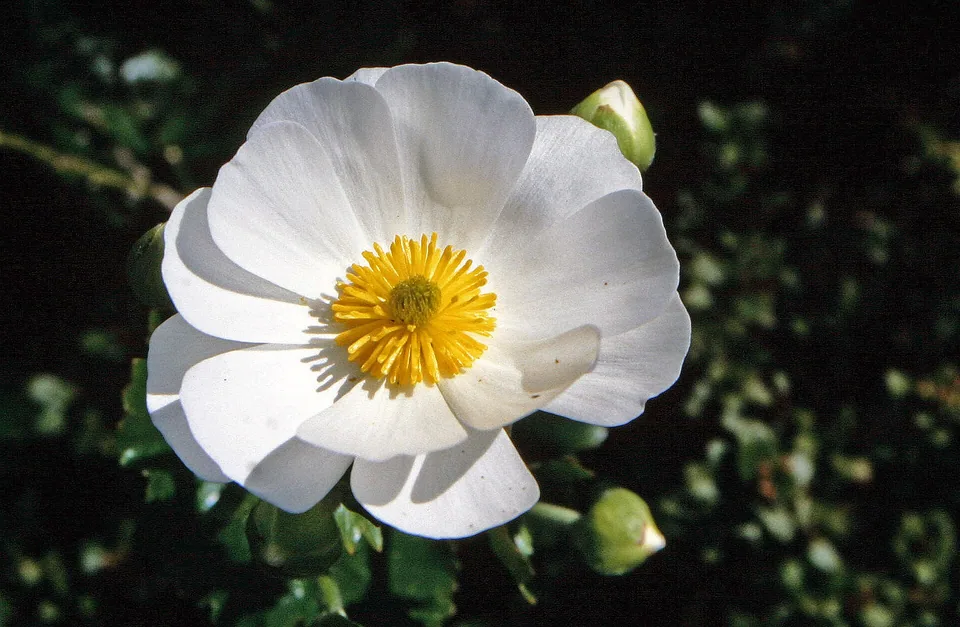
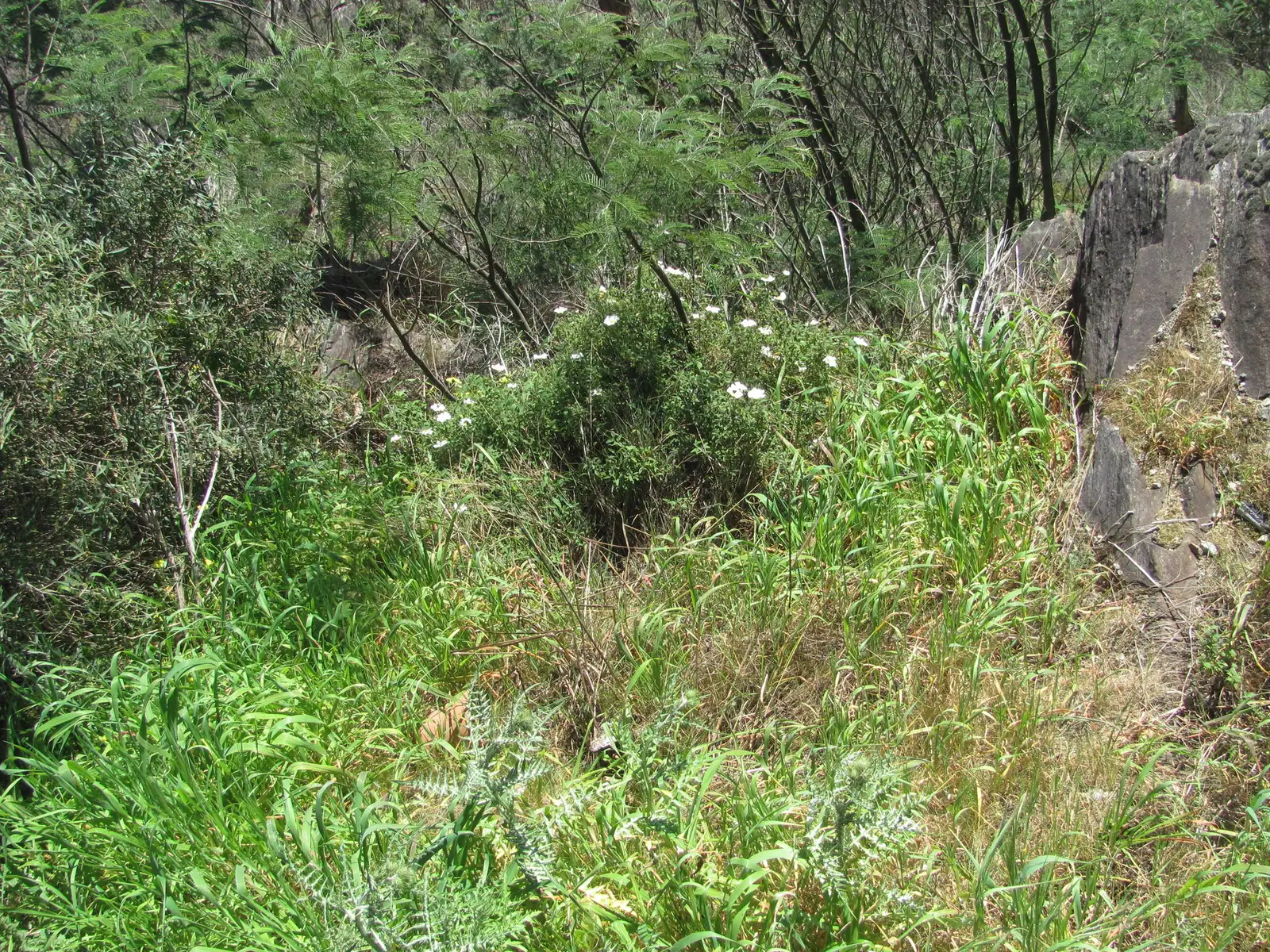

Cómo cultivar y cuidar Jaguarzo morisco
Cistus salviifolius
Escrito por Emilio Marruso · última revisión
Tóxica para: Personas · Por qué
De un vistazo
La jara de hoja de salvia es una planta que prospera con muy pocos cuidados. Dale sol pleno, plántala en primavera o a principios de verano, cuando ya no haya heladas, y una vez asentada aguanta bien la sequía. No necesita abonos regulares; de hecho, la tierra demasiado rica la debilita, así que es un arbusto que agradece la sencillez.
- Sol
Sol pleno
Qué dicen las fuentes (1)
Luz: Pleno sol
Light full sun Shade tolerance no shade Water
— Rock Rose (Cistus salviifolius) — Practical Plants [6] - Riego
Aguanta la sequía una vez asentada
Qué dicen las fuentes (1)
Riego: Tolerante a la sequía una vez establecido
Withstands drought once it is established [2] [7]
— Rock Rose (Cistus salviifolius) — Practical Plants [6] - Frío
Aguanta inviernos de hasta −12,2 °C (10 °F)
Rústica en inviernos fríos · USDA 8 · RHS H5 · Z8
Qué dicen las fuentes (1)
Rusticidad, zona más fría: 8 [mínima invernal de −12,2 a −6,7 °C (de 10 a 20 °F)]
Hardiness Zone 8+ Soil textures sandy, loamy Soil
— Rock Rose (Cistus salviifolius) — Practical Plants [6] - Plantación
Planta en primavera o a principios de verano, después de las últimas heladas
Qué dicen las fuentes (1)
Plantación: Primavera o principios de verano, después de las últimas heladas esperadas
plant them out the in the following spring or early summer, after the last expected frosts
— Rock Rose (Cistus salviifolius) — Practical Plants [6] - Abonado
No necesita abono; la tierra rica da hojas en vez de flores y brotes sensibles a la helada
Qué dicen las fuentes (5)
Frecuencia: No se necesita alimentación regular
It isn’t necessary, therefore, to regularly feed cistus, or to enrich the soil with annual mulching .
— How to grow cistus / RHS Growing Guide [5] Evitar: Suelo demasiado fértil, alimentación regular y enriquecimiento anual del suelo
Cistus dislike overly fertile soils, which can result in leafy growth at the expense of flowers, soft growth that is more susceptible to frost damage, and a leggier plant with a shorter lifespan.
— How to grow cistus / RHS Growing Guide [5] Over-pampering these shrubs with excessive feeding, watering and soil enrichment can also significantly reduce their lifespan, and result in unattractive, bare, leggy plants.
— How to grow cistus / RHS Growing Guide [5] Signos de exceso: Crecimiento frondoso a expensas de las flores, crecimiento blando propenso a daños por heladas, plantas desnudas y largas con una vida más corta
Cistus dislike overly fertile soils, which can result in leafy growth at the expense of flowers, soft growth that is more susceptible to frost damage, and a leggier plant with a shorter lifespan.
— How to grow cistus / RHS Growing Guide [5] Over-pampering these shrubs with excessive feeding, watering and soil enrichment can also significantly reduce their lifespan, and result in unattractive, bare, leggy plants.
— How to grow cistus / RHS Growing Guide [5] - Cosecha
Sus hojas secas se han mezclado con la mejorana
- Multiplicación
Multiplícala por semillas, esquejes o acodo
Qué dicen las fuentes (4)
Propagación: Semillas; esquejes de madera semimadura; esquejes de madera casi madura; acodo
Seed - gather when ripe and store dry
— Rock Rose (Cistus salviifolius) — Practical Plants [6] Cuttings of softish to half-ripe wood, 8cm long with a heel or at a node
— Rock Rose (Cistus salviifolius) — Practical Plants [6] Cuttings of almost mature wood, 8 - 12cm with a heel or at a node
— Rock Rose (Cistus salviifolius) — Practical Plants [6] Layering in spring. ## Cultivation This section contains
— Rock Rose (Cistus salviifolius) — Practical Plants [6] - Siembra
Siembra a finales de invierno en invernadero, sobre la tierra y sin cubrir
Qué dicen las fuentes (1)
Siembra: Finales de invierno (siembra superficial en un invernadero)
Surface sow in late winter in a greenhouse
— Rock Rose (Cistus salviifolius) — Practical Plants [6] - Seguridad
No se conocen riesgos para las personas
Resumen
Cistus salviifolius es un arbusto de hoja perenne de hábito compacto, originario de la región mediterránea. [7] Se cultiva en una posición soleada y resiste la sequía una vez establecido. [6] La propagación se realiza mediante semillas, esquejes y acodo. [6]
Citado en inglés, como en la fuente.
Esta ficha está incompleta: las fuentes consultadas aún no cubren todos los campos.
Aún no cubierto por nuestras fuentes: Rusticidad, zona más cálida, Poda
Cuidados
Riego
Tolerante a la sequía una vez establecido
Qué dicen las fuentes (1)
Withstands drought once it is established [2] [7]Luz
Pleno sol
Qué dicen las fuentes (1)
Light
full sun
Shade tolerance
no shade
WaterClima y frío
Rusticidad, zona más fría
8 [mínima invernal de −12,2 a −6,7 °C (de 10 a 20 °F)]
Qué dicen las fuentes (1)
Hardiness
Zone 8+
Soil textures
sandy, loamy
SoilRusticidad, zona más cálida
No figura en las fuentes consultadas.
Propagación
Semillas; esquejes de madera semimadura; esquejes de madera casi madura; acodo
Qué dicen las fuentes (4)
Seed - gather when ripe and store dryCuttings of softish to half-ripe wood, 8cm long with a heel or at a nodeCuttings of almost mature wood, 8 - 12cm with a heel or at a nodeLayering in spring.
## Cultivation
This section containsCultivo
Abonado
Frecuencia
No se necesita alimentación regular
Qué dicen las fuentes (1)
It isn’t necessary, therefore, to regularly feed cistus, or to enrich the soil with annual mulching .Evitar
Suelo demasiado fértil, alimentación regular y enriquecimiento anual del suelo
Qué dicen las fuentes (2)
Cistus dislike overly fertile soils, which can result in leafy growth at the expense of flowers, soft growth that is more susceptible to frost damage, and a leggier plant with a shorter lifespan.Over-pampering these shrubs with excessive feeding, watering and soil enrichment can also significantly reduce their lifespan, and result in unattractive, bare, leggy plants.Signos de carencia
Clorosis (amarillamiento de las hojas) por deficiencia de nutrientes en suelos fuertemente alcalinos o con encharcamiento
Qué dicen las fuentes (1)
Chlorosis (leaf yellowing), due to nutrient deficiency in strongly alkaline and waterloggedSignos de exceso
Crecimiento frondoso a expensas de las flores, crecimiento blando propenso a daños por heladas, plantas desnudas y largas con una vida más corta
Qué dicen las fuentes (2)
Cistus dislike overly fertile soils, which can result in leafy growth at the expense of flowers, soft growth that is more susceptible to frost damage, and a leggier plant with a shorter lifespan.Over-pampering these shrubs with excessive feeding, watering and soil enrichment can also significantly reduce their lifespan, and result in unattractive, bare, leggy plants.Remedios
Las fuentes consultadas no dan remedios para esta planta.
Toxicidad
Según la fuente, citada textualmente. No es un consejo médico ni veterinario: si una persona o un animal pudo haber ingerido esta planta, contacta con un centro de toxicología o con un veterinario.
Known Hazards None known ## Botanical References 11
[7]
Calendario
Siembra
Finales de invierno (siembra superficial en un invernadero)
Qué dicen las fuentes (1)
Surface sow in late winter in a greenhousePlantación
Primavera o principios de verano, después de las últimas heladas esperadas
Qué dicen las fuentes (1)
plant them out the in the following spring or early summer, after the last expected frostsPoda
No figura en las fuentes consultadas.
Meses tal como los dan las fuentes, en su mayoría de Estados Unidos (hemisferio norte). En el hemisferio sur se desplazan unos seis meses.
Comestibilidad
Según la fuente, citada textualmente. No comas una planta basándote solo en esta página: los errores de identificación pueden ser peligrosos.
The dried leaves are used as an adulterant for marjoram (Origanum majorana)
[6]
Plantas similares
- Jara blanca Cistus albidus
- Jaguarzo Cistus monspeliensis
- O jara Cistus laurifolius
- Pink rock-rose Cistus creticus
- Abeto de Vancuver Abies grandis
- Abraham Trachystemon orientalis
- Bananero de Etiopía Ensete ventricosum
- Acacia longifolia Acacia longifolia
Fuentes
Cada valor anterior se cita de estos documentos. Los enlaces llevan al editor original.
- Cistus salviifolius | Euro+Med-Plantbase · europlusmed.org, consultado
- Cistus salviifolius L. | Plants of the World Online | Kew Science · powo.science.kew.org, consultado
- · cretanflora.com, consultado
- World Plants · worldplants.ca, consultado
- How to grow cistus / RHS Growing Guide · rhs.org.uk, consultado
- Rock Rose (Cistus salviifolius) — Practical Plants · practicalplants.org, consultado
- Cistus salviifolius - Useful Temperate Plants · temperate.theferns.info, consultado
- How to Grow Cistus - Rock Rose · harvesttotable.com, consultado
Escrito por Emilio Marruso · última revisión