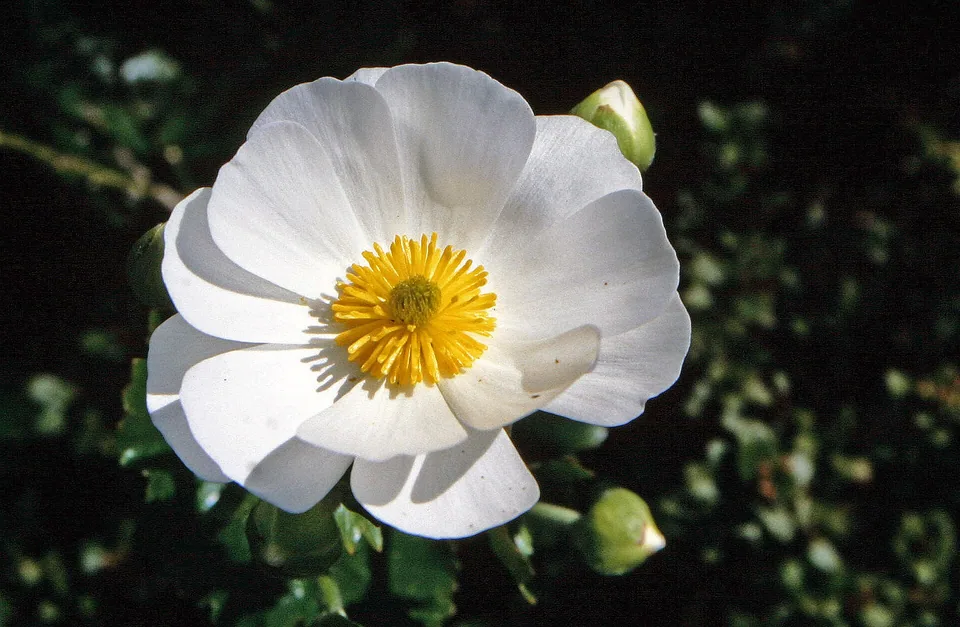

How to Grow and Care for Salvia cistus
Cistus salviifolius
Written by Emilio Marruso · last checked
Toxic to: People · Why
At a glance
Sage-leaf rockrose is a plant that thrives on very little care. Give it full sun, plant it in spring or early summer after the last frosts, and once settled it shrugs off dry spells. It needs no regular feeding at all; in fact, rich soil only makes it leggy, so this is a shrub that rewards a light touch.
- Sun
Full sun
What the sources say (1)
Light: Full sun
Light full sun Shade tolerance no shade Water
— Rock Rose (Cistus salviifolius) — Practical Plants [6] - Water
Handles dry spells once it is settled in
What the sources say (1)
Watering: Drought tolerant once established
Withstands drought once it is established [2] [7]
— Rock Rose (Cistus salviifolius) — Practical Plants [6] - Cold
Survives winters down to 10 °F (−12.2 °C)
Hardy in cold winters · USDA 8 · RHS H5 · Z8
What the sources say (1)
Hardiness, coldest zone: 8 [winter low −12.2 to −6.7 °C (10 to 20 °F)]
Hardiness Zone 8+ Soil textures sandy, loamy Soil
— Rock Rose (Cistus salviifolius) — Practical Plants [6] - Planting
Plant in spring or early summer, after the last frosts
What the sources say (1)
Planting: Spring or early summer, after the last expected frosts
plant them out the in the following spring or early summer, after the last expected frosts
— Rock Rose (Cistus salviifolius) — Practical Plants [6] - Feeding
No feeding needed; rich soil gives leaves instead of flowers and frost-tender growth
What the sources say (5)
How often: No regular feeding needed
It isn’t necessary, therefore, to regularly feed cistus, or to enrich the soil with annual mulching .
— How to grow cistus / RHS Growing Guide [5] Avoid: Overly fertile soil, regular feeding and annual enrichment of the soil
Cistus dislike overly fertile soils, which can result in leafy growth at the expense of flowers, soft growth that is more susceptible to frost damage, and a leggier plant with a shorter lifespan.
— How to grow cistus / RHS Growing Guide [5] Over-pampering these shrubs with excessive feeding, watering and soil enrichment can also significantly reduce their lifespan, and result in unattractive, bare, leggy plants.
— How to grow cistus / RHS Growing Guide [5] Signs of excess: Leafy growth at the expense of flowers, soft growth prone to frost damage, bare leggy plants with a shorter lifespan
Cistus dislike overly fertile soils, which can result in leafy growth at the expense of flowers, soft growth that is more susceptible to frost damage, and a leggier plant with a shorter lifespan.
— How to grow cistus / RHS Growing Guide [5] Over-pampering these shrubs with excessive feeding, watering and soil enrichment can also significantly reduce their lifespan, and result in unattractive, bare, leggy plants.
— How to grow cistus / RHS Growing Guide [5] - Harvest
Its dried leaves have been mixed into marjoram
- Propagation
Grow new plants from seed, cuttings or by layering branches
What the sources say (4)
Propagation: Seed; cuttings of half-ripe wood; cuttings of almost mature wood; layering
Seed - gather when ripe and store dry
— Rock Rose (Cistus salviifolius) — Practical Plants [6] Cuttings of softish to half-ripe wood, 8cm long with a heel or at a node
— Rock Rose (Cistus salviifolius) — Practical Plants [6] Cuttings of almost mature wood, 8 - 12cm with a heel or at a node
— Rock Rose (Cistus salviifolius) — Practical Plants [6] Layering in spring. ## Cultivation This section contains
— Rock Rose (Cistus salviifolius) — Practical Plants [6] - Sowing
Sow in late winter in a greenhouse, on top of the soil without covering
What the sources say (1)
Sowing: Late winter (surface sow in a greenhouse)
Surface sow in late winter in a greenhouse
— Rock Rose (Cistus salviifolius) — Practical Plants [6] - Safety
No known hazards to people
Overview
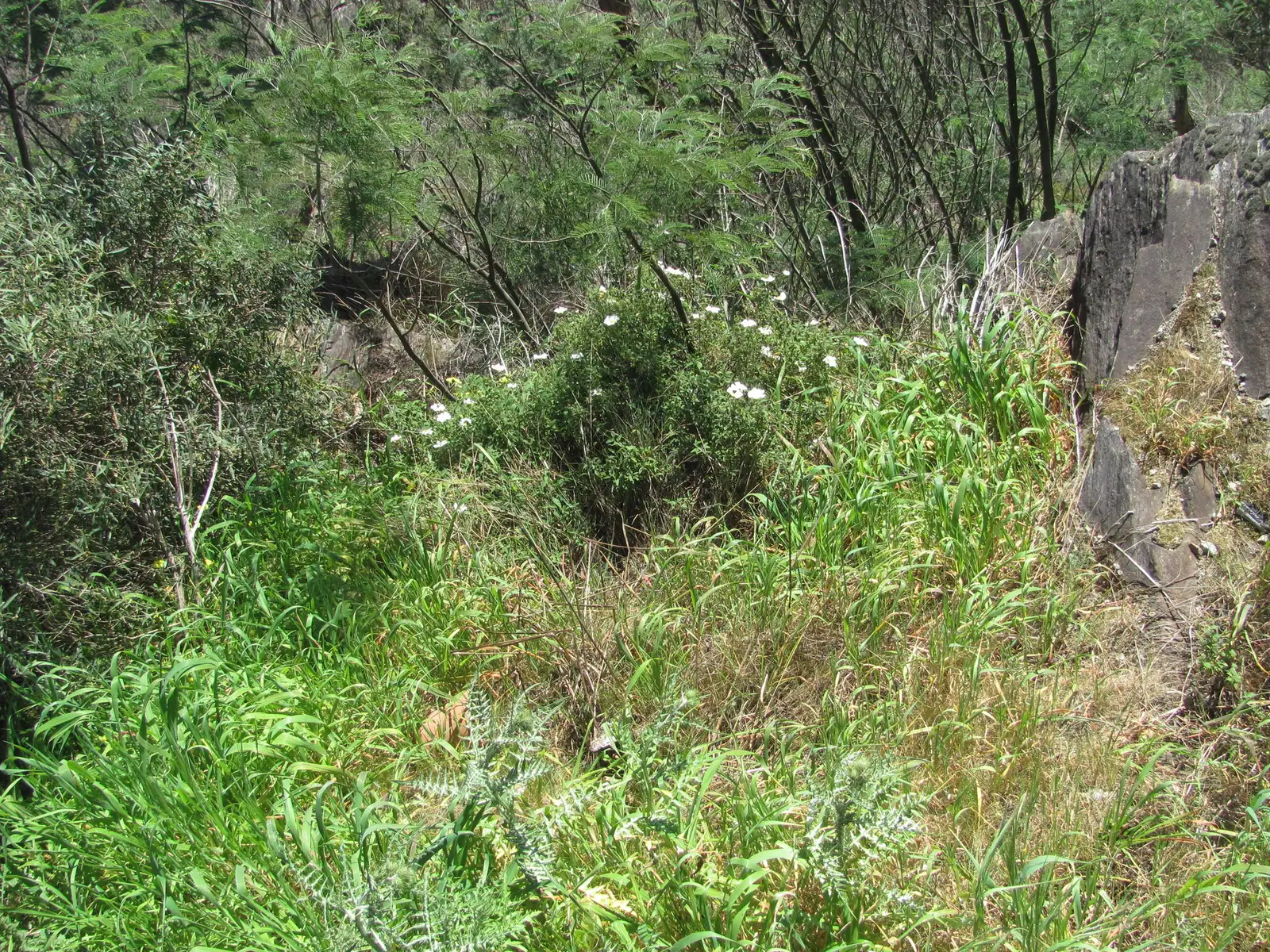
Cistus salviifolius is an evergreen shrub of compact habit native to the Mediterranean region. [7] It is grown in a sunny position and withstands drought once established. [6] Propagation is by seed, cuttings and layering. [6]
This record is incomplete: the sources we read do not cover every field yet.
Not yet covered by our sources: Hardiness, warmest zone, Pruning
Salvia cistus care
How to water Salvia cistus
Drought tolerant once established
What the sources say (1)
Withstands drought once it is established [2] [7]How much light Salvia cistus needs
Full sun
What the sources say (1)
Light
full sun
Shade tolerance
no shade
WaterHow much cold Salvia cistus can take
Hardiness, coldest zone
8 [winter low −12.2 to −6.7 °C (10 to 20 °F)]
What the sources say (1)
Hardiness
Zone 8+
Soil textures
sandy, loamy
SoilHardiness, warmest zone
Not stated in the sources we read.
How to propagate Salvia cistus
Seed; cuttings of half-ripe wood; cuttings of almost mature wood; layering
What the sources say (4)
Seed - gather when ripe and store dryCuttings of softish to half-ripe wood, 8cm long with a heel or at a nodeCuttings of almost mature wood, 8 - 12cm with a heel or at a nodeLayering in spring.
## Cultivation
This section containsHow to grow Salvia cistus
Fertilizing
How often
No regular feeding needed
What the sources say (1)
It isn’t necessary, therefore, to regularly feed cistus, or to enrich the soil with annual mulching .Avoid
Overly fertile soil, regular feeding and annual enrichment of the soil
What the sources say (2)
Cistus dislike overly fertile soils, which can result in leafy growth at the expense of flowers, soft growth that is more susceptible to frost damage, and a leggier plant with a shorter lifespan.Over-pampering these shrubs with excessive feeding, watering and soil enrichment can also significantly reduce their lifespan, and result in unattractive, bare, leggy plants.Signs of deficiency
Chlorosis (leaf yellowing) from nutrient deficiency in strongly alkaline, waterlogged soils
What the sources say (1)
Chlorosis (leaf yellowing), due to nutrient deficiency in strongly alkaline and waterloggedSigns of excess
Leafy growth at the expense of flowers, soft growth prone to frost damage, bare leggy plants with a shorter lifespan
What the sources say (2)
Cistus dislike overly fertile soils, which can result in leafy growth at the expense of flowers, soft growth that is more susceptible to frost damage, and a leggier plant with a shorter lifespan.Over-pampering these shrubs with excessive feeding, watering and soil enrichment can also significantly reduce their lifespan, and result in unattractive, bare, leggy plants.Remedies
The sources we checked give no remedies for this plant.
Is Salvia cistus poisonous?
Reported by the source, quoted verbatim. This is not medical or veterinary advice: if a person or an animal may have eaten this plant, contact a poison control centre or a veterinarian.
Known Hazards None known ## Botanical References 11
[7]
Calendar
Sowing
Late winter (surface sow in a greenhouse)
What the sources say (1)
Surface sow in late winter in a greenhousePlanting
Spring or early summer, after the last expected frosts
What the sources say (1)
plant them out the in the following spring or early summer, after the last expected frostsPruning
Not stated in the sources we read.
Months as given by the sources, which are mostly from the United States (northern hemisphere). In the southern hemisphere they shift by about six months.
Edibility
Reported by the source, quoted verbatim. Do not eat a plant on the basis of this page alone: identification mistakes can be dangerous.
The dried leaves are used as an adulterant for marjoram (Origanum majorana)
[6]
Similar plants
- Cistus albidus Cistus albidus
- Montpelier cistus Cistus monspeliensis
- Cistus laurifolius Cistus laurifolius
- Pink rock-rose Cistus creticus
- Abies grandis Abies grandis
- Abraham Trachystemon orientalis
- Abyssinian banana Ensete ventricosum
- Acacia longifolia Acacia longifolia
Sources
Every value above is quoted from these documents. Links lead to the original publisher.
- Cistus salviifolius | Euro+Med-Plantbase · europlusmed.org, consulted
- Cistus salviifolius L. | Plants of the World Online | Kew Science · powo.science.kew.org, consulted
- · cretanflora.com, consulted
- World Plants · worldplants.ca, consulted
- How to grow cistus / RHS Growing Guide · rhs.org.uk, consulted
- Rock Rose (Cistus salviifolius) — Practical Plants · practicalplants.org, consulted
- Cistus salviifolius - Useful Temperate Plants · temperate.theferns.info, consulted
- How to Grow Cistus - Rock Rose · harvesttotable.com, consulted
Written by Emilio Marruso · last checked