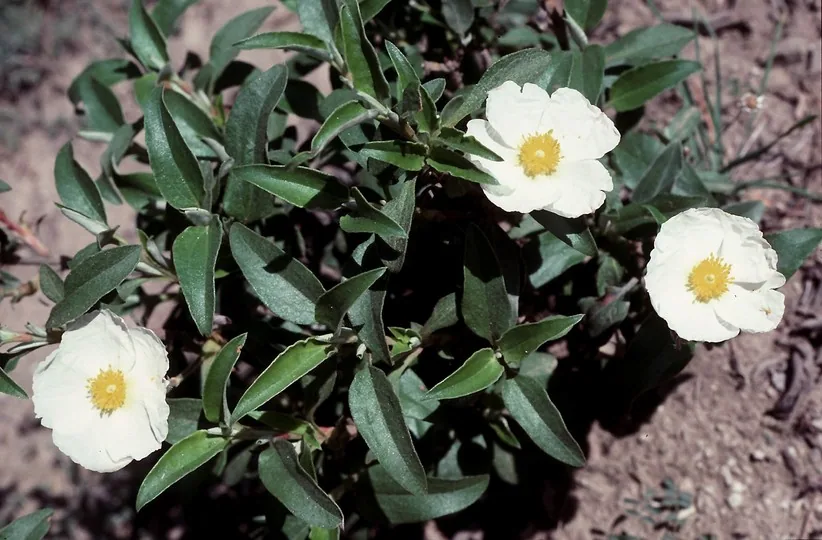
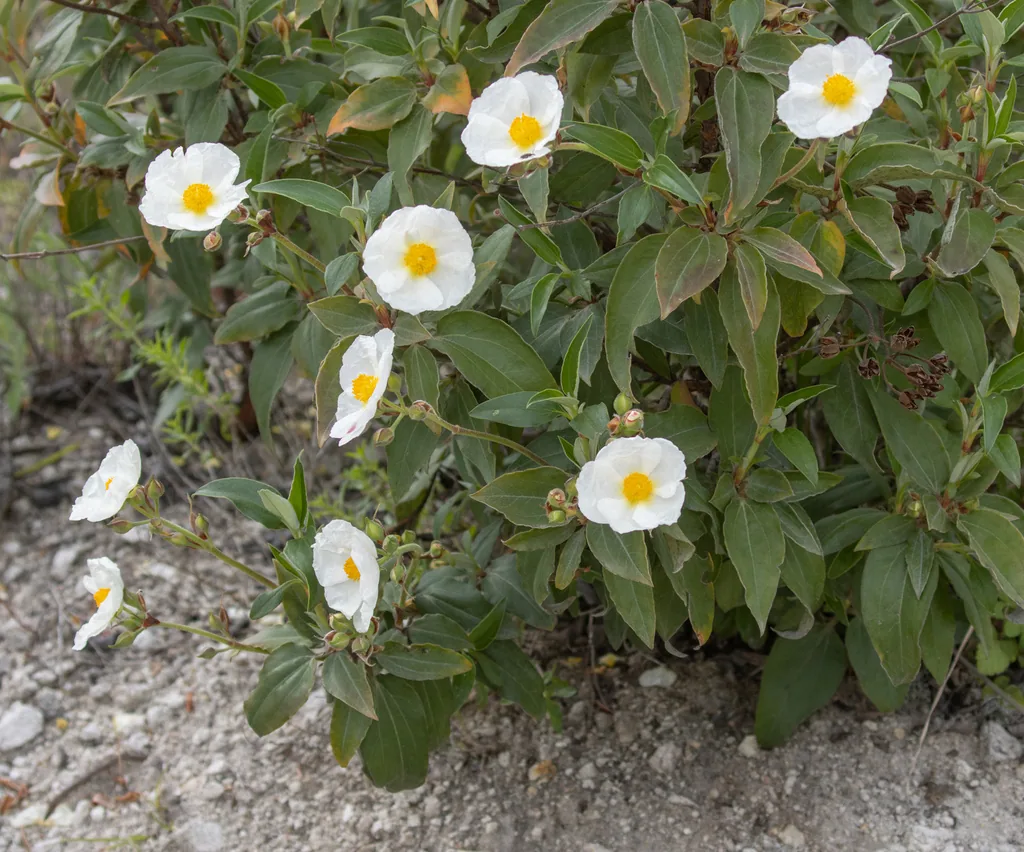

How to Grow and Care for Cistus laurifolius
Cistus laurifolius
Written by Emilio Marruso · last checked
Toxic to: People · Why
At a glance
Laurel-leaf rockrose is perfect for gardeners who want an easy life: once settled, it handles drought very well and needs no regular feeding. In fact, rich soil and fertilizer only bring lots of leaves, fewer flowers and a shorter life. Plant it in spring or early summer, after the last frosts, and enjoy how little it asks of you.
- Water
Once settled, it handles drought very well
What the sources say (1)
Watering: Established plants are very drought tolerant
Established plants are very drought tolerant
— Cistus laurifolius - Useful Temperate Plants [2] - Planting
Plant in spring or early summer, after the last frosts
What the sources say (1)
Planting: Spring or early summer, after the last expected frosts
plant them out the in the following spring or early summer, after the last expected frosts
— Cistus laurifolius - Useful Temperate Plants [2] - Feeding
No regular feeding: too much food means lots of leaves, few flowers and frost damage
What the sources say (5)
How often: No regular feeding needed
It isn’t necessary, therefore, to regularly feed cistus, or to enrich the soil with annual mulching .
— How to grow cistus / RHS Growing Guide [1] Avoid: Overly fertile soil, regular feeding and annual enrichment of the soil
Cistus dislike overly fertile soils, which can result in leafy growth at the expense of flowers, soft growth that is more susceptible to frost damage, and a leggier plant with a shorter lifespan.
— How to grow cistus / RHS Growing Guide [1] Over-pampering these shrubs with excessive feeding, watering and soil enrichment can also significantly reduce their lifespan, and result in unattractive, bare, leggy plants.
— How to grow cistus / RHS Growing Guide [1] Signs of excess: Leafy growth at the expense of flowers, soft growth prone to frost damage, bare leggy plants with a shorter lifespan
Cistus dislike overly fertile soils, which can result in leafy growth at the expense of flowers, soft growth that is more susceptible to frost damage, and a leggier plant with a shorter lifespan.
— How to grow cistus / RHS Growing Guide [1] Over-pampering these shrubs with excessive feeding, watering and soil enrichment can also significantly reduce their lifespan, and result in unattractive, bare, leggy plants.
— How to grow cistus / RHS Growing Guide [1] - Propagation
From seed, from cuttings in summer or fall, or by layering stems in spring
What the sources say (2)
Propagation: Seed; softwood to half-ripe cuttings in summer; almost mature wood cuttings in early to mid autumn; layering in spring
Cuttings of softish to half-ripe wood, 8cm long with a heel or at a node, early to late summer in a frame.
— Cistus laurifolius - Useful Temperate Plants [2] Layering in spring.
— Cistus laurifolius - Useful Temperate Plants [2] - Sowing
Sow in late winter on the soil surface, in a greenhouse
What the sources say (1)
Sowing: Late winter, surface sown in a greenhouse
Surface sow in late winter in a greenhouse
— Cistus laurifolius - Useful Temperate Plants [2] - Safety
No known hazards for people
Overview
Cistus laurifolius is an evergreen shrub that is grown as an ornamental in gardens. [2] It is described as the hardiest and one of the best rock roses, and is useful as a flowering evergreen for dry banks. [3]
This record is incomplete: the sources we read do not cover every field yet.
Not yet covered by our sources: Light, Hardiness, coldest zone, Hardiness, warmest zone, Pruning
Cistus laurifolius care
How to water Cistus laurifolius
Established plants are very drought tolerant
What the sources say (1)
Established plants are very drought tolerantHow much light Cistus laurifolius needs
Not stated in the sources we read.
How much cold Cistus laurifolius can take
Hardiness, coldest zone
Not stated in the sources we read.
Hardiness, warmest zone
Not stated in the sources we read.
How to propagate Cistus laurifolius
Seed; softwood to half-ripe cuttings in summer; almost mature wood cuttings in early to mid autumn; layering in spring
How to grow Cistus laurifolius
Fertilizing
How often
No regular feeding needed
What the sources say (1)
It isn’t necessary, therefore, to regularly feed cistus, or to enrich the soil with annual mulching .Avoid
Overly fertile soil, regular feeding and annual enrichment of the soil
What the sources say (2)
Cistus dislike overly fertile soils, which can result in leafy growth at the expense of flowers, soft growth that is more susceptible to frost damage, and a leggier plant with a shorter lifespan.Over-pampering these shrubs with excessive feeding, watering and soil enrichment can also significantly reduce their lifespan, and result in unattractive, bare, leggy plants.Signs of deficiency
Chlorosis (leaf yellowing) from nutrient deficiency in strongly alkaline, waterlogged soils
What the sources say (1)
Chlorosis (leaf yellowing), due to nutrient deficiency in strongly alkaline and waterloggedSigns of excess
Leafy growth at the expense of flowers, soft growth prone to frost damage, bare leggy plants with a shorter lifespan
What the sources say (2)
Cistus dislike overly fertile soils, which can result in leafy growth at the expense of flowers, soft growth that is more susceptible to frost damage, and a leggier plant with a shorter lifespan.Over-pampering these shrubs with excessive feeding, watering and soil enrichment can also significantly reduce their lifespan, and result in unattractive, bare, leggy plants.Remedies
Each remedy shows what official sources say about it; traditional remedies without an official source are marked as such. Harmful ones are listed so you know to avoid them.
Treating the plant
root rot
good drainage and water management Official source, not independently tested
How: Good drainage and water management are essential components of a management plan. Ensure growing media and holding areas are well drained.
Good drainage and water management are essential components of a management plan. Ensure growing media and holding areas are well drained.
— pnwhandbooks.org [4]
Is Cistus laurifolius poisonous?
Reported by the source, quoted verbatim. This is not medical or veterinary advice: if a person or an animal may have eaten this plant, contact a poison control centre or a veterinarian.
## Known Hazards None known
[2]
Calendar
Sowing
Late winter, surface sown in a greenhouse
What the sources say (1)
Surface sow in late winter in a greenhousePlanting
Spring or early summer, after the last expected frosts
What the sources say (1)
plant them out the in the following spring or early summer, after the last expected frostsPruning
Not stated in the sources we read.
Months as given by the sources, which are mostly from the United States (northern hemisphere). In the southern hemisphere they shift by about six months.
Similar plants
- Cistus albidus Cistus albidus
- Montpelier cistus Cistus monspeliensis
- Pink rock-rose Cistus creticus
- Salvia cistus Cistus salviifolius
- Aaron's Beard Hypericum calycinum
- Abies grandis Abies grandis
- Abraham Trachystemon orientalis
- Abyssinian banana Ensete ventricosum
Sources
Every value above is quoted from these documents. Links lead to the original publisher.
- How to grow cistus / RHS Growing Guide · rhs.org.uk, consulted
- Cistus laurifolius - Useful Temperate Plants · temperate.theferns.info, consulted
- Cistus laurifolius - Trees and Shrubs Online · treesandshrubsonline.org, consulted
- pnwhandbooks.org · pnwhandbooks.org
Written by Emilio Marruso · last checked