
Cómo cultivar y cuidar Cherry silverberry
Elaeagnus multiflora
Escrito por Emilio Marruso · última revisión
De un vistazo
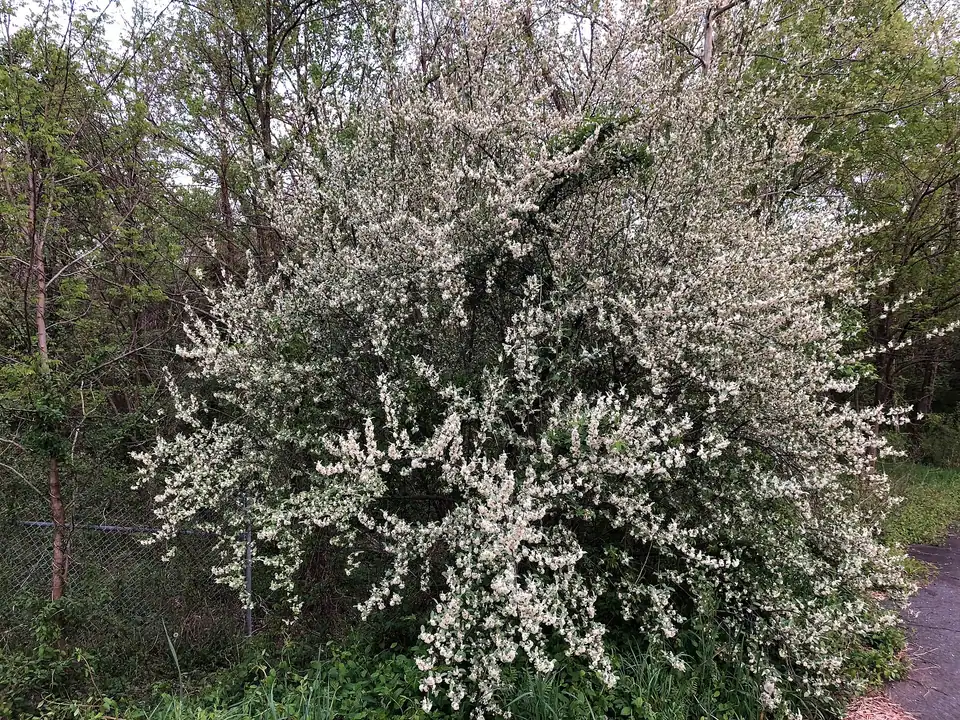
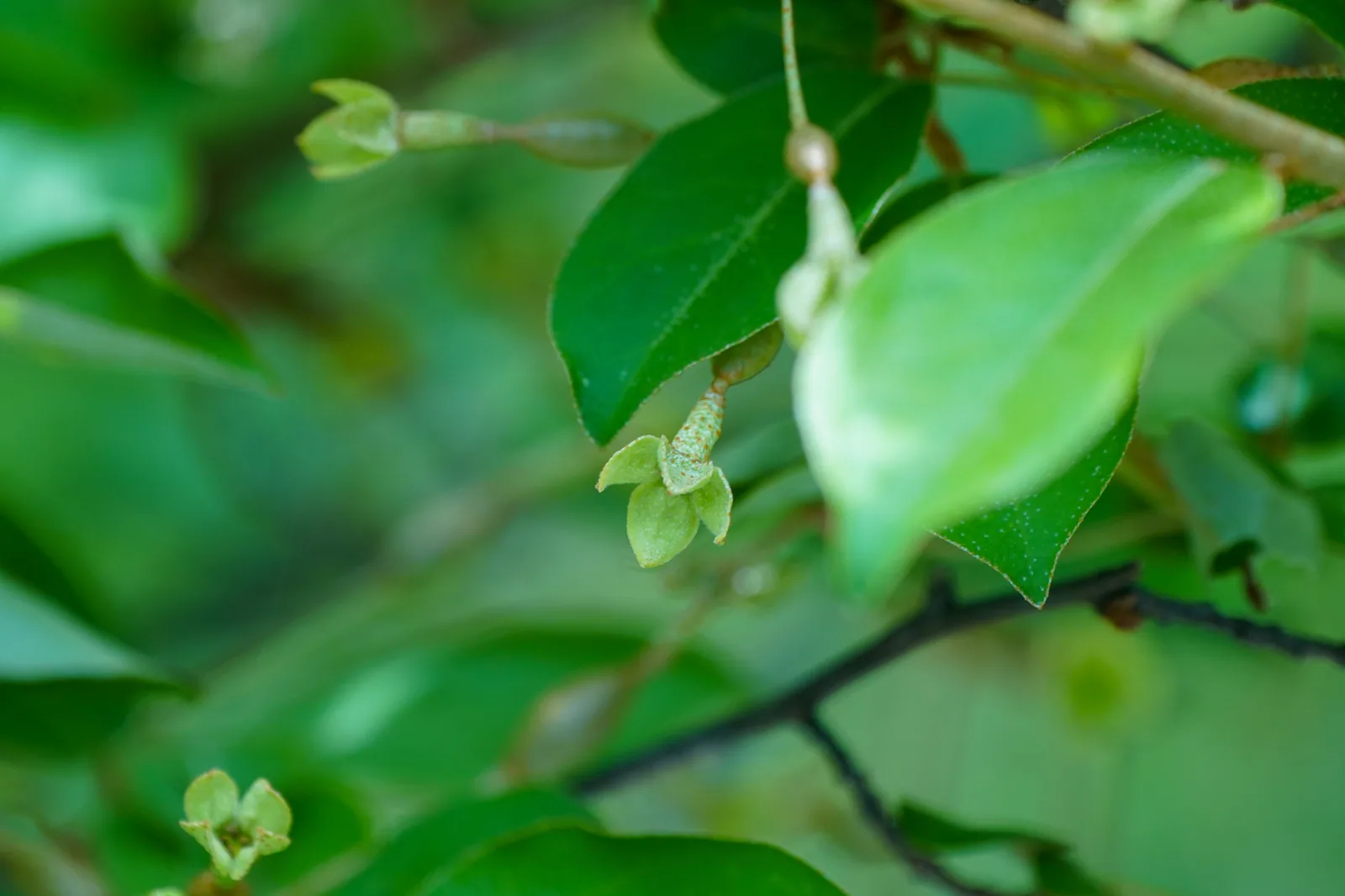
El goumi es una planta agradecida que crece a pleno sol o en semisombra y resiste muy bien la sequía. Sus pequeños frutos rojo brillante son muy sabrosos crudos o cocinados en jaleas y tartas, y hasta las semillas son comestibles. Puedes multiplicarlo por semilla o por esquejes, así que una sola planta puede convertirse en muchas.
- Sol
Pleno sol o semisombra
Qué dicen las fuentes (2)
Luz: Pleno sol a semisombra
They will grow in nutritionally poor soil and polluted air and will do well in full sun or partial shade.
— Goumi Berry Information: Learn About Growing Goumi Berries | Gardening Know How [4] They prefer well-drained soils and locations with at least 6 hours of sun a day
— Appreciating Goumi Berry — Home Orchard Education Center [1] - Riego
Resiste muy bien la sequía; necesita poco riego
Qué dicen las fuentes (1)
Riego: Muy resistente a la sequía
The species has similar fertilizer requirements to currants and gooseberries. Elaeagnus multiflora is highly resistant to drought.
— The Bioactive Profile, Nutritional Value, Health Benefits and Agronomic Requirements of Cherry Silverberry (Elaeagnus multiflora Thunb.): A Review - PMC [5] - Frío
Aguanta inviernos de hasta −34,4 °C (−30 °F)
Muy rústica · USDA 4 · RHS H7 · Z4
Qué dicen las fuentes (4)
Rusticidad, zona más fría: 4 [mínima invernal de −34,4 a −28,9 °C (de −30 a −20 °F)]
They can be grown from USDA Hardiness Zones 4-9 and survive cold temperatures as low as -20F.
— Appreciating Goumi Berry — Home Orchard Education Center [1] goumi shrubs can be grown in USDA Hardiness Zones 4-9
— Spotlight on Goumi Berry: Nitrogen Fixer Extraordinaire – Philadelphia Orchard Project [3] Rusticidad, zona más cálida: 9 [mínima invernal de −6,7 a −1,1 °C (de 20 a 30 °F)]
They can be grown from USDA Hardiness Zones 4-9 and survive cold temperatures as low as -20F.
— Appreciating Goumi Berry — Home Orchard Education Center [1] goumi shrubs can be grown in USDA Hardiness Zones 4-9
— Spotlight on Goumi Berry: Nitrogen Fixer Extraordinaire – Philadelphia Orchard Project [3] - Distancia
Deja 4 × 2 m de espacio para cada planta
Qué dicen las fuentes (2)
Distancia de plantación: 400 x 200 cm (4 x 2 m [6,6 ft])
plantaciones comerciales: In commercial plantations, cherry silverberry shrubs should be planted at 4 × 2 m spacing, 5–8 cm deeper than in the seed bed
— The Bioactive Profile, Nutritional Value, Health Benefits and Agronomic Requirements of Cherry Silverberry (Elaeagnus multiflora Thunb.): A Review - PMC [5] In commercial plantations, cherry silverberry shrubs should be planted at 4 × 2 m spacing, 5–8 cm deeper than in the seed bed
— The Bioactive Profile, Nutritional Value, Health Benefits and Agronomic Requirements of Cherry Silverberry (Elaeagnus multiflora Thunb.): A Review - PMC [5] - Cosecha
Frutos rojos sabrosos, crudos o en jaleas y tartas; las semillas también se comen
- Multiplicación
Por semilla (necesita un periodo cálido y luego uno frío) o por esquejes
Qué dicen las fuentes (2)
Propagación: Semilla (necesita estratificación cálida y luego fría); esquejes
Goumi Berries can be propagated from seed or from cuttings.
— Appreciating Goumi Berry — Home Orchard Education Center [1] Cuttings of half-ripe wood, 7 - 10cm with a heel, mid summer in a frame.
— Elaeagnus multiflora - Useful Temperate Plants [6] - Siembra
Siembra en cuanto la semilla esté madura, en cajonera fría
Qué dicen las fuentes (1)
Siembra: En cuanto la semilla esté madura (marco frío)
Seed - best sown as soon as it is ripe in a cold frame
— Elaeagnus multiflora - Useful Temperate Plants [6]
Resumen
El goumi es un arbusto caducifolio originario de China, Japón, Corea y el Lejano Oriente ruso, cultivado por su fruto rojo agridulce y como ornamental. [1] Tolera una amplia gama de suelos y fija nitrógeno mediante la simbiosis con raíces. [4][1] Se propaga por semillas o esquejes y es muy resistente a la sequía. [1][5]
Citado en inglés, como en la fuente.
Esta ficha está incompleta: las fuentes consultadas aún no cubren todos los campos.
Aún no cubierto por nuestras fuentes: Plantación
Cuidados
Las medidas entre corchetes son nuestra conversión al otro sistema de unidades; el texto citado no cambia.
Riego
Muy resistente a la sequía
Qué dicen las fuentes (1)
The species has similar fertilizer requirements to currants and gooseberries. Elaeagnus multiflora is highly resistant to drought.Luz
Pleno sol a semisombra
Qué dicen las fuentes (2)
They will grow in nutritionally poor soil and polluted air and will do well in full sun or partial shade.They prefer well-drained soils and locations with at least 6 hours of sun a dayClima y frío
Rusticidad, zona más fría
4 [mínima invernal de −34,4 a −28,9 °C (de −30 a −20 °F)]
Qué dicen las fuentes (2)
They can be grown from USDA Hardiness Zones 4-9 and survive cold temperatures as low as -20F.goumi shrubs can be grown in USDA Hardiness Zones 4-9Rusticidad, zona más cálida
9 [mínima invernal de −6,7 a −1,1 °C (de 20 a 30 °F)]
Qué dicen las fuentes (2)
They can be grown from USDA Hardiness Zones 4-9 and survive cold temperatures as low as -20F.goumi shrubs can be grown in USDA Hardiness Zones 4-9Dónde cultivarla
400 x 200 cm (4 x 2 m [6,6 ft])
Lo que dice cada fuente
plantaciones comerciales: 400 x 200 cm (4 x 2 m [6,6 ft])
Qué dicen las fuentes (2)
plantaciones comerciales: In commercial plantations, cherry silverberry shrubs should be planted at 4 × 2 m spacing, 5–8 cm deeper than in the seed bedIn commercial plantations, cherry silverberry shrubs should be planted at 4 × 2 m spacing, 5–8 cm deeper than in the seed bedPropagación
Semilla (necesita estratificación cálida y luego fría); esquejes
Remedios
Las fuentes consultadas no dan remedios para esta planta.
Calendario
Siembra
En cuanto la semilla esté madura (marco frío)
Qué dicen las fuentes (1)
Seed - best sown as soon as it is ripe in a cold framePlantación
No figura en las fuentes consultadas.
Cosecha
Las fuentes dan valores distintos según la región, la zona o las condiciones de cultivo.
Lo que dice cada fuente
Filadelfia: Finales de mayo a principios de junio
Según Home Orchard Education Center: Principios a mediados del verano
Según Gardening Know How: Pleno verano
Qué dicen las fuentes (3)
Filadelfia: Here in Philadelphia, the ripening period is usually late May to early June, making it one of the first fruits to ripen in most years.Según Home Orchard Education Center: By early to mid- summer, these give way to ½-inch-long, intensely red drupes speckled all over with silvery scales.Según Gardening Know How: The shrub flowers in the spring and the fruits ripen in high summer.Meses tal como los dan las fuentes, en su mayoría de Estados Unidos (hemisferio norte). En el hemisferio sur se desplazan unos seis meses.
Comestibilidad
Según la fuente, citada textualmente. No comas una planta basándote solo en esta página: los errores de identificación pueden ser peligrosos.
Valores orientativos
Valores de una fuente secundaria, no comprobados palabra por palabra como el resto de esta página. Úselos como punto de partida.
- Ciclo de vida
- PerenneValor orientativo, adáptalo a tu clima · Fuente secundaria
- Altura adulta
- 182.9-304.8 cm (6-10 pies)Valor orientativo, adáptalo a tu clima · Fuente secundaria
- Horas de sol
- 4-6 horasValor orientativo, adáptalo a tu clima · Fuente secundaria
- Resiste la sequía
- SíValor orientativo, adáptalo a tu clima · Fuente secundaria
- pH del suelo
- 5.5-7.5Valor orientativo, adáptalo a tu clima · Fuente secundaria
- Nivel de cuidado
- MedioValor orientativo, adáptalo a tu clima · Fuente secundaria
- Crecimiento
- BajoValor orientativo, adáptalo a tu clima · Fuente secundaria
- Poda
- Febrero, marzo, abrilValor orientativo, adáptalo a tu clima · Fuente secundaria
Plantas similares
- Autumn Olive Elaeagnus umbellata
- Elaeagnus ebbingei Elaeagnus ebbingei
- Cinamomo Elaeagnus angustifolia
- Thorny Olive Elaeagnus pungens
- Elaeagnus macrophylla Elaeagnus macrophylla
- Silverberry Elaeagnus commutata
- Abeto de Vancuver Abies grandis
- Abraham Trachystemon orientalis
Fuentes
Cada valor anterior se cita de estos documentos. Los enlaces llevan al editor original.
- Appreciating Goumi Berry — Home Orchard Education Center · homeorchardeducationcenter.org, consultado
- How to Grow Elaeagnus · harvesttotable.com, consultado
- Spotlight on Goumi Berry: Nitrogen Fixer Extraordinaire – Philadelphia Orchard Project · phillyorchards.org, consultado
- Goumi Berry Information: Learn About Growing Goumi Berries | Gardening Know How · gardeningknowhow.com, consultado
- The Bioactive Profile, Nutritional Value, Health Benefits and Agronomic Requirements of Cherry Silverberry (Elaeagnus multiflora Thunb.): A Review - PMC · ncbi.nlm.nih.gov, consultado
- Elaeagnus multiflora - Useful Temperate Plants · temperate.theferns.info, consultado
Escrito por Emilio Marruso · última revisión