
Cómo cultivar y cuidar Atlantic Ivy
Hedera hibernica
Escrito por Emilio Marruso · última revisión
Tóxica para: Ganado vacuno, Ganado, Personas · Por qué
De un vistazo
La hiedra irlandesa es una trepadora de follaje denso y muy fácil de multiplicar: a finales del verano, toma esquejes semimaduros de sus tallos trepadores. Su fuerza pide vigilancia: mantenla lejos de los árboles, despejando de 1 a 1,8 m de suelo alrededor de cada tronco, para que no desplace a las plantas autóctonas. Manéjala con cuidado: su savia puede irritar la piel sensible.
- Atención
Invasora: desplaza a las plantas autóctonas; corta sus tallos en los troncos y despeja 1–1,8 m alrededor
- Multiplicación
Esquejes semimaduros de tallos trepadores a finales del verano
Qué dicen las fuentes (1)
Esquejes: Esquejes semimaduros de brotes trepadores a fines del verano (género Hedera)
Ivies are easy to propagate from semi-ripe cuttings of climbing shoots in late summer.
— [9] - Seguridad
La savia puede irritar la piel sensible; comer muchas hojas o frutos es tóxico para personas y ganado
Resumen
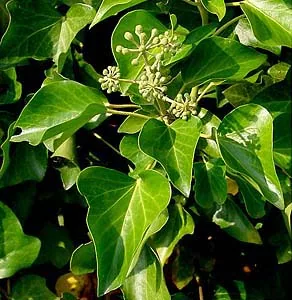
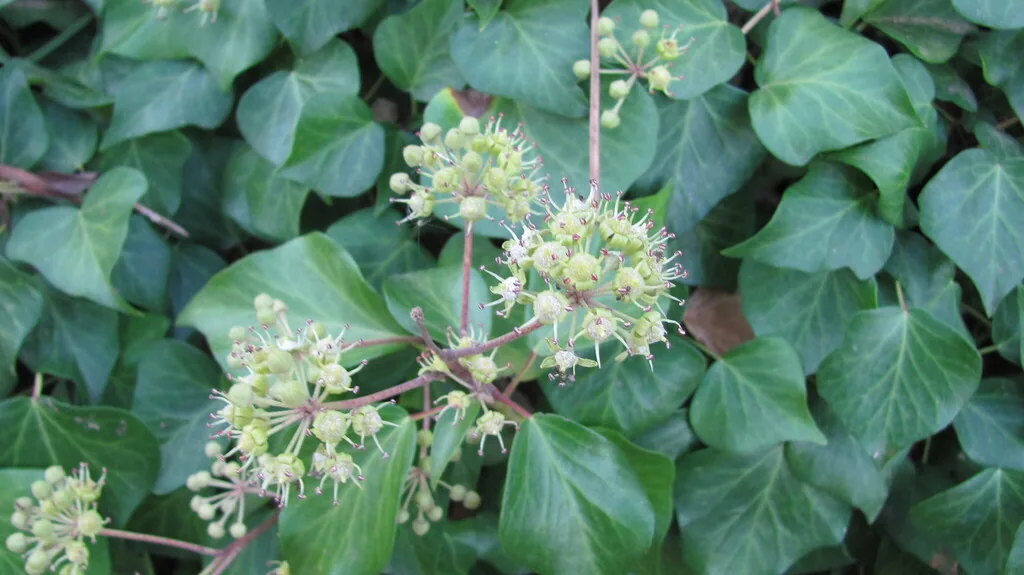
Hedera hibernica (hiedra atlántica) es una trepadora o rastrera leñosa que alcanza 20 m [65,6 ft] o más, con raíces aéreas a lo largo de los tallos y frutos de color azul oscuro a negro. [1] Es nativa de la Europa atlántica y durante mucho tiempo se confundió con Hedera helix. [2] Fuera de su área de distribución nativa es una maleza ambiental grave que puede cubrir la vegetación y los árboles nativos. [3] Florece en otoño, dando néctar tardío a abejas y sírfidos, y sus bayas negras maduran a fines del invierno como alimento para las aves. [5]
Citado en inglés, como en la fuente.
Esta ficha está incompleta: las fuentes consultadas aún no cubren todos los campos.
Aún no cubierto por nuestras fuentes: Riego, Luz, Rusticidad, zona más fría, Rusticidad, zona más cálida, Poda, Propagación
Cuidados
Las medidas entre corchetes son nuestra conversión al otro sistema de unidades; el texto citado no cambia.
Riego
No figura en las fuentes consultadas.
Luz
No figura en las fuentes consultadas.
Clima y frío
Rusticidad, zona más fría
No figura en las fuentes consultadas.
Rusticidad, zona más cálida
No figura en las fuentes consultadas.
Propagación
No figura en las fuentes consultadas.
Cultivo
La planta
Familia
Araliáceas
Qué dicen las fuentes (1)
Order Apiales ( 1APIO ) Family Araliaceae ( 1ARLF ) Genus Hedera ( 1HEEG )Raíces
Sistema radicular
Las fuentes dan valores distintos según la región, la zona o las condiciones de cultivo.
Lo que dice cada fuente
género Hedera (página de la RHS sobre la hiedra común, Hedera helix): Trepadora autoadherente que produce raíces aéreas a lo largo de sus tallos
Qué dicen las fuentes (1)
género Hedera (página de la RHS sobre la hiedra común, Hedera helix): Ivy is a self-clinging climber, producing aerial roots along its stemsRaíces y construcciones
Las fuentes dan valores distintos según la región, la zona o las condiciones de cultivo.
Lo que dice cada fuente
género Hedera (página de la RHS sobre la hiedra común, Hedera helix): Las raíces aéreas no pueden perforar mampostería sólida; el daño a menudo ocurre solo cuando se las retira con fuerza
género Hedera (página de la RHS sobre la hiedra común, Hedera helix): Las raíces aéreas pueden penetrar grietas y juntas existentes y agrandarlas a medida que crecen
Qué dicen las fuentes (2)
género Hedera (página de la RHS sobre la hiedra común, Hedera helix): Its aerial roots are unable to bore into sound masonry, and they often only cause damage when they are removed with force.género Hedera (página de la RHS sobre la hiedra común, Hedera helix): Ivy’s aerial roots can penetrate existing cracks and joints, enlarging them as the roots grow and expandPropagación
Esquejes
Esquejes semimaduros de brotes trepadores a fines del verano (género Hedera)
Qué dicen las fuentes (1)
Ivies are easy to propagate from semi-ripe cuttings of climbing shoots in late summer.Problemas
Propagación invasiva
Síntoma: Supera a las plantas nativas en el suelo del bosque, en la capa de arbustos y en el dosel.
Qué hacer: Corta las enredaderas alrededor de los árboles desde la altura de la cintura o el pecho hacia abajo y despeja de 3 a 6 pies de suelo alrededor del tronco.
Qué dicen las fuentes (3)
Common and Atlantic ivy can outcompete native plants in all 3 zones of a plant community: the forest floor, the shrub layer, and the canopy.
— Common ivy identification and control - King County, Washington [4] Use the “tree ring” method: cut and remove all vines around the tree from waist/chest height down. This will kill the upper vines.
— Common ivy identification and control - King County, Washington [4] In Washington, Irish ivy is more invasive than English ivy and much more invasive than Algerian ivy.
— English Ivy, Irish Ivy & Algerian Ivy | Hedera spp. | Pest Rating Proposals and Final Ratings [6] Daño a los árboles en tormentas.
Síntoma: Las enredaderas pesadas y el follaje denso añaden peso y un efecto de vela en las copas de los árboles.
Qué dicen las fuentes (1)
Ivy can increase the risk of trees falling in storms. Ivy vines are heavy and add a lot of extra weight to the tree.
— Common ivy identification and control - King County, Washington [4]
Remedios
Cada remedio indica qué dicen las fuentes oficiales; los remedios tradicionales sin fuente oficial aparecen marcados. Los perjudiciales están para que sepas evitarlos.
Primeros auxilios
Primeros auxilios: no sustituyen al médico
contacto de la piel con la savia
Lava con agua corriente. Fuente oficial, sin prueba independiente
Swallowed a possibly poisonous plant? Use the web POISON CONTROL online tool to get help, or call your poison center at 1-800-222-1222 .
— poison.org [10] Cómo: Si la savia está en la piel, lávate rápidamente con abundante agua corriente.
If you know you have plant material, juices, or sap on your skin, wash quickly with plenty of running water.
— poison.org [10]
Cómo eliminarla
propagación invasiva
eliminación física tirando o excavando Funciona
Always wear gloves and sleeves to protect your skin from sap, which is irritating to some people.
— Common ivy identification and control - King County, Washington [4] Cómo: Para la hiedra en el suelo, tira o excava las plantas, quitando la mayor cantidad de raíz posible; el otoño hasta la primavera suele ser lo mejor porque el suelo está menos duro.
For ivy growing on the ground: Pull or dig up plants. Try to get as much root as possible. Fall through spring is usually the best time for this because the soil is less hard.
— Common ivy identification and control - King County, Washington [4] Qué dicen las pruebas Method | Does it work? | Is it safe? | Recommendation | A Physically Remove Plants | Effective | Low risk | Recommended
— solvepestproblems.oregonstate.edu [11] corte de anillo alrededor del árbol Funciona
Always wear gloves and sleeves to protect your skin from sap, which is irritating to some people.
— Common ivy identification and control - King County, Washington [4] Cómo: Corta y retira todas las enredaderas alrededor del árbol desde la altura de la cintura/pecho hacia abajo, despega las enredaderas inferiores sin dañar la corteza, luego limpia de 3 a 6 pies de suelo alrededor del árbol y aplícale mantillo.
Pry the lower vines off the tree, being careful not to damage bark. Then clear at least 3 to 6 feet of ground around the tree to keep the vines from growing back up, and then mulch the area afterward.
— Common ivy identification and control - King County, Washington [4] Qué dicen las pruebas Use the “tree ring” method: cut and remove all vines around the tree from waist/chest height down. This will kill the upper vines.
— Common ivy identification and control - King County, Washington [4] Sofoca con cartón y mantillo. Fuente oficial, sin prueba independiente
Cómo: Aplica al menos 8 pulgadas de mantillo sobre cartón o papel y déjalo por al menos 2 años antes de replantar; no funciona en pendientes pronunciadas.
Smothering: Apply at least 8 inches (deep) of mulch to the area, layer the ground first with cardboard or paper to increase effectiveness (does not work on steep slopes). Leave for at least 2 years before attempting to replant.
— Common ivy identification and control - King County, Washington [4] enrollar la alfombra de hiedra Fuente oficial, sin prueba independiente
Cómo: Para infestaciones grandes, corta a través de la alfombra de hiedra, despega las enredaderas a lo largo del borde cortado y enrolla la alfombra en una masa manejable.
For large infestations, cut through the ivy mat. Peel back the vines along the cut edge. Roll the mat into a manageable mass as shown in the photo.
— solvepestproblems.oregonstate.edu [11] siega regular para detener las bayas Funciona en parte
Cómo: Corta o poda regularmente para limitar la floración y evitar las bayas, y evita que la hiedra trepe por cercas y árboles.
Regular mowing limits flowering and prevents berries. Keep it from climbing vertical structures such as fences and trees.
— solvepestproblems.oregonstate.edu [11] Qué dicen las pruebas Regular mowing limits flowering and prevents berries. Keep it from climbing vertical structures such as fences and trees.
— solvepestproblems.oregonstate.edu [11] secar las enredaderas retiradas fuera del suelo Fuente oficial, sin prueba independiente
Composting ivy is not advised. Root and stem fragments lying on the soil surface will make new plants.
— solvepestproblems.oregonstate.edu [11] Cómo: Enrolla las enredaderas retiradas en bolas o alfombras y déjalas elevadas y secas sobre una lona o una balsa de madera, para que no toquen el suelo y vuelvan a enraizar.
Dry out ivy by rolling vines into balls or carpets and leave them “high and dry” on a tarp or raft made of wood (idea is to make sure it cannot touch the ground).
— Common ivy identification and control - King County, Washington [4]
Venenosa para los animales
Según la fuente, citada textualmente. No es un consejo médico ni veterinario: si una persona o un animal pudo haber ingerido esta planta, contacta con un centro de toxicología o con un veterinario.
Animales
Consuming large amounts of leaves and fruits can be toxic to people and cattle.
[4]- Partes venenosas
Consuming large amounts of leaves and fruits can be toxic to people and cattle.
[4]
Native to: horticultural cultivars. Hedera helix - parts of Europe, Asia and North Africa; Hedera hibernica - parts of western Europe. Is this Weed Toxic?: humans, livestock
[7]- Partes venenosas
Consuming large amounts of leaves and fruits can be toxic to people and cattle.
[7]
Personas
The sap of ivy stems can cause skin irritations and rashes to sensitive individuals. Consuming large amounts of leaves and fruits can be toxic to people and cattle.
[4]
Calendario
Poda
No figura en las fuentes consultadas.
Meses tal como los dan las fuentes, en su mayoría de Estados Unidos (hemisferio norte). En el hemisferio sur se desplazan unos seis meses.
Plantas similares
- Hiedra común Hedera helix
- Persian Ivy Hedera colchica
- Ginseng americano Panax quinquefolius
- American Water-Pennywort Hydrocotyle americana
- Angelica Tree Aralia elata
- Balfour Aralia Polyscias balfouriana
- Castor aralia Kalopanax pictus
- Devil's club Oplopanax horridus
Fuentes
Cada valor anterior se cita de estos documentos. Los enlaces llevan al editor original.
- VicFlora: Hedera hibernica · vicflora.rbg.vic.gov.au, consultado
- Hedera hibernica (HEEHI)[Overview]| EPPO Global Database · gd.eppo.int, consultado
- English ivy - Hedera helix · oregon.gov, consultado
- Common ivy identification and control - King County, Washington · kingcounty.gov, consultado
- SPECIES OF THE WEEK · iwt.ie, consultado
- English Ivy, Irish Ivy & Algerian Ivy | Hedera spp. | Pest Rating Proposals and Final Ratings · blogs.cdfa.ca.gov, consultado
- Washington State Noxious Weed Control Board · nwcb.wa.gov, consultado
- rhs.org.uk · rhs.org.uk
- rhs.org.uk · rhs.org.uk
- poison.org · poison.org
- solvepestproblems.oregonstate.edu · solvepestproblems.oregonstate.edu
Escrito por Emilio Marruso · última revisión