Cómo cultivar y cuidar Blue plantain lily
Hosta ventricosa
Escrito por Emilio Marruso · última revisión
Tóxica para: Gatos, Perros, Caballos · Por qué
De un vistazo
Esta hosta es una vivaz agradecida que crece desde el sol pleno hasta la sombra profunda, y está más a gusto con sol por la mañana y sombra el resto del día. Si evitas que la tierra se seque, forma una mata frondosa de 51–61 cm de alto y aún más ancha. Hasta sus hojas jóvenes y sus tallos se comen cocinados.
- Sol
Del sol pleno a la sombra profunda; mejor con sol por la mañana y sombra el resto del día
Qué dicen las fuentes (2)
Luz: Pleno sol a sombra profunda; mejor con sol de la mañana y sombra el resto del día
Succeeds in full sun as well as in deep shade, growing well in the semi-shade of a woodland
— Hosta ventricosa - Useful Temperate Plants [2] It usually grows best on sites with some direct sunlight in the morning, but shaded the rest of the day.
— Blue Plantain Lily (Hosta ventricosa) - bplant.org [4] - Riego
No dejes que la tierra se seque; cuanto más sol reciba, más húmeda debe estar
Qué dicen las fuentes (4)
Riego: Evita que el suelo se seque; humedad media
Requires a rich soil that does not dry out readily
— Hosta ventricosa - Useful Temperate Plants [2] It prefers average moisture conditions; plants growing in shade are more tolerant of dry conditions.
— Blue Plantain Lily (Hosta ventricosa) - bplant.org [4] Notas sobre el riego: Cuanto más soleada sea la posición, más húmedo debe estar el suelo; las plantas en sombra toleran mejor las condiciones secas
In general, the sunnier the position the moister the soil should be
— Hosta ventricosa - Useful Temperate Plants [2] It prefers average moisture conditions; plants growing in shade are more tolerant of dry conditions.
— Blue Plantain Lily (Hosta ventricosa) - bplant.org [4] - Frío
Las heladas tardías pueden destruir las hojas jóvenes de primavera
Qué dicen las fuentes (1)
Plantación: Finales de primavera o principios de verano, después de las últimas heladas esperadas.
Plant them out into their permanent positions in late spring or early summer, after the last expected frosts.
— Hosta ventricosa - Useful Temperate Plants [2] - Suelo
Suelo de ligeramente ácido a neutro, pH 6,0–7,0
Qué dicen las fuentes (2)
pH del suelo, mínimo: 6.0
Prefers a pH between 6 and 7[ 200 Title The New RHS Dictionary of Gardening. 1992.
— Hosta ventricosa - Useful Temperate Plants [2] pH del suelo, máximo: 7.0
Prefers a pH between 6 and 7[ 200 Title The New RHS Dictionary of Gardening. 1992.
— Hosta ventricosa - Useful Temperate Plants [2] - Distancia
60 cm entre plantas
Qué dicen las fuentes (1)
Distancia de plantación: 60 cm [24 in]
Plants should be spaced about 60cm apart each way
— Hosta ventricosa - Useful Temperate Plants [2] - Plantación
Planta a finales de primavera o principios de verano, tras las últimas heladas
Qué dicen las fuentes (1)
Plantación: Finales de primavera o principios de verano, después de las últimas heladas esperadas.
Plant them out into their permanent positions in late spring or early summer, after the last expected frosts.
— Hosta ventricosa - Useful Temperate Plants [2] - Cosecha
Las hojas jóvenes y sus tallos se comen cocinados
- Plagas
Babosas y caracoles se comen los brotes jóvenes en primavera; los ciervos también la comen
Qué dicen las fuentes (2)
- Atención
En climas cálidos, las hojas finas pueden quemarse por los bordes
- Tamaño
51–61 cm de alto y 76–97 cm de ancho
Qué dicen las fuentes (2)
Altura adulta: 51-61 cm (20-24 pulgadas)
H. ventricosa provides rich, dark green, heart-shaped leaves with a velvety sheen not found in many hostas. Mature mounds are 30 to 38 in. wide and 20 to 24 in. tall.
— Growing Hostas | CAES Field Report [1] Anchura adulta: 76-97 cm (30-38 pulgadas)
H. ventricosa provides rich, dark green, heart-shaped leaves with a velvety sheen not found in many hostas. Mature mounds are 30 to 38 in. wide and 20 to 24 in. tall.
— Growing Hostas | CAES Field Report [1] - Multiplicación
Divide la mata a principios de primavera al brotar, o a principios de otoño si la tierra no está muy seca
Qué dicen las fuentes (4)
Propagación: Semilla (fiel al tipo, apomíctica); división
Según Useful Temperate Plants (division): It is best carried out in early spring as growth commences or in early autumn if the soil is not too dry
— Hosta ventricosa - Useful Temperate Plants [2] Since this species produces its seed apomictically, it should breed true
— Hosta ventricosa - Useful Temperate Plants [2] Division is possible at almost any time of the year so long as there is sufficient moisture
— Hosta ventricosa - Useful Temperate Plants [2] A naturally occurring tetraploid. The only hosta known to come true from seed. Seeds are produced without fertilization by a process known as apomixis.
— Species - Hosta ventricosa from The Species - The Hosta Helper [3] - Siembra
Siembra en primavera en invernadero; las plántulas salen iguales a la planta madre
Qué dicen las fuentes (5)
Siembra: Primavera (invernadero)
Seed - sow spring in a lightly shaded position in a greenhouse and only just cover the seed. Germination usually takes place within 1 - 3 months at 10°c.
— Hosta ventricosa - Useful Temperate Plants [2] Propagación: Semilla (fiel al tipo, apomíctica); división
Según Useful Temperate Plants (division): It is best carried out in early spring as growth commences or in early autumn if the soil is not too dry
— Hosta ventricosa - Useful Temperate Plants [2] Since this species produces its seed apomictically, it should breed true
— Hosta ventricosa - Useful Temperate Plants [2] Division is possible at almost any time of the year so long as there is sufficient moisture
— Hosta ventricosa - Useful Temperate Plants [2] A naturally occurring tetraploid. The only hosta known to come true from seed. Seeds are produced without fertilization by a process known as apomixis.
— Species - Hosta ventricosa from The Species - The Hosta Helper [3] - Seguridad
Todas sus partes son tóxicas para gatos, perros y caballos
Resumen
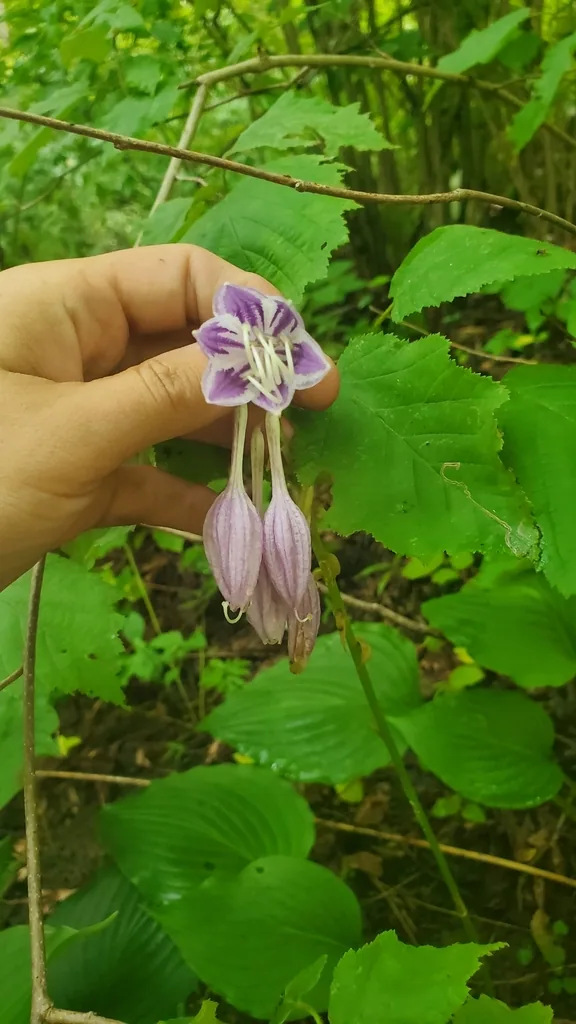
La Hosta ventricosa es una perenne de China con hojas verde oscuro, brillantes, en forma de corazón y flores en campana de color púrpura a violeta en verano. [3][1] Prospera desde pleno sol hasta sombra profunda en suelo rico en humus que no se seca fácilmente. [2] Es la única hosta que se sabe que sale fiel a partir de semilla, porque su semilla se produce por apomixis. [3]
Citado en inglés, como en la fuente.
Esta ficha está incompleta: las fuentes consultadas aún no cubren todos los campos.
Aún no cubierto por nuestras fuentes: Rusticidad, zona más fría, Rusticidad, zona más cálida, Poda
Cuidados
Las medidas entre corchetes son nuestra conversión al otro sistema de unidades; el texto citado no cambia.
Riego
Riego
Evita que el suelo se seque; humedad media
Notas sobre el riego
Cuanto más soleada sea la posición, más húmedo debe estar el suelo; las plantas en sombra toleran mejor las condiciones secas
Luz
Pleno sol a sombra profunda; mejor con sol de la mañana y sombra el resto del día
Qué dicen las fuentes (2)
Succeeds in full sun as well as in deep shade, growing well in the semi-shade of a woodlandIt usually grows best on sites with some direct sunlight in the morning, but shaded the rest of the day.Clima y frío
Rusticidad, zona más fría
No figura en las fuentes consultadas.
Rusticidad, zona más cálida
No figura en las fuentes consultadas.
Suelo
pH del suelo, mínimo
6.0
Qué dicen las fuentes (1)
Prefers a pH between 6 and 7[ 200 Title
The New RHS Dictionary of Gardening. 1992.pH del suelo, máximo
7.0
Qué dicen las fuentes (1)
Prefers a pH between 6 and 7[ 200 Title
The New RHS Dictionary of Gardening. 1992.Dónde cultivarla
60 cm [24 in]
Qué dicen las fuentes (1)
Plants should be spaced about 60cm apart each wayPropagación
Semilla (fiel al tipo, apomíctica); división
Lo que dice cada fuente
Según Useful Temperate Plants (division): A principios de primavera, cuando comienza el crecimiento, o a principios de otoño si el suelo no está demasiado seco
Qué dicen las fuentes (4)
Según Useful Temperate Plants (division): It is best carried out in early spring as growth commences or in early autumn if the soil is not too drySince this species produces its seed apomictically, it should breed trueDivision is possible at almost any time of the year so long as there is sufficient moistureA naturally occurring tetraploid. The only hosta
known to come true from seed. Seeds are produced without fertilization by a
process known as apomixis.Cultivo
La planta
Ciclo de vida
perenne
Qué dicen las fuentes (1)
Hostas are quickly becoming one of the most popular perennial plants grown in our landscapes.Altura adulta
51-61 cm (20-24 pulgadas)
Qué dicen las fuentes (1)
H. ventricosa provides rich, dark green, heart-shaped leaves with a velvety sheen not found in many hostas. Mature mounds are 30 to 38 in. wide and 20 to 24 in. tall.Anchura adulta
76-97 cm (30-38 pulgadas)
Qué dicen las fuentes (1)
H. ventricosa provides rich, dark green, heart-shaped leaves with a velvety sheen not found in many hostas. Mature mounds are 30 to 38 in. wide and 20 to 24 in. tall.Plagas y enfermedades
Plagas
babosas, caracoles, ciervos
Problemas
Babosas y caracoles
Síntoma: Los brotes jóvenes se comen en primavera
Qué dicen las fuentes (1)
Plants are very attractive to slugs and snails, the young shoots in spring are especially at risk
— Hosta ventricosa - Useful Temperate Plants [2] Quemadura de hojas
Síntoma: Las hojas delgadas se queman en los bordes en climas más cálidos
Qué dicen las fuentes (1)
The very thin leaves can scorch at the edges in warmer climates, even if grown in full shade.
— Species - Hosta ventricosa from The Species - The Hosta Helper [3] Daño por heladas tardías
Síntoma: Las hojas jóvenes de primavera son destruidas por las heladas
Qué dicen las fuentes (1)
Plants are in general fully hardy in Britain, but young leaves in spring can be destroyed by frost.
— Hosta ventricosa - Useful Temperate Plants [2]
Remedios
Las fuentes consultadas no dan remedios para esta planta.
Venenosa para los animales
Según la fuente, citada textualmente. No es un consejo médico ni veterinario: si una persona o un animal pudo haber ingerido esta planta, contacta con un centro de toxicología o con un veterinario.
All parts of these plants are toxic to cats, dogs, and horses.
[6]Aviso de género: dato referido a todo el género, no documentado para esta especie
La fuente señala el riesgo para este animal pero no explica por qué.
Calendario
Siembra
Primavera (invernadero)
Qué dicen las fuentes (1)
Seed - sow spring in a lightly shaded position in a greenhouse and only just cover the seed. Germination usually takes place within 1 - 3 months at 10°c.Plantación
Finales de primavera o principios de verano, después de las últimas heladas esperadas.
Qué dicen las fuentes (1)
Plant them out into their permanent positions in late spring or early summer, after the last expected frosts.Poda
No figura en las fuentes consultadas.
Meses tal como los dan las fuentes, en su mayoría de Estados Unidos (hemisferio norte). En el hemisferio sur se desplazan unos seis meses.
Comestibilidad
Según la fuente, citada textualmente. No comas una planta basándote solo en esta página: los errores de identificación pueden ser peligrosos.
Young leaves and leaf stems - cooked. The white part of the stem is boiled
[2]
Valores orientativos
Valores de una fuente secundaria, no comprobados palabra por palabra como el resto de esta página. Úselos como punto de partida.
- Zonas de rusticidad USDA
- 3-8 [mínima invernal de −40 a −6,7 °C (de −40 a 20 °F)]Valor orientativo, adáptalo a tu clima · Fuente secundaria
- Nivel de cuidado
- MedioValor orientativo, adáptalo a tu clima · Fuente secundaria
- Crecimiento
- BajoValor orientativo, adáptalo a tu clima · Fuente secundaria
- Poda
- Febrero, marzo, abril, mayoValor orientativo, adáptalo a tu clima · Fuente secundaria
Plantas similares
- Hosta Hosta plantaginea
- Hosta elata Hosta elata
- Abeto de Vancuver Abies grandis
- Abraham Trachystemon orientalis
- Bananero de Etiopía Ensete ventricosum
- Acacia longifolia Acacia longifolia
- Acanthus hungaricus Acanthus hungaricus
- Acónito común Aconitum napellus
Fuentes
Cada valor anterior se cita de estos documentos. Los enlaces llevan al editor original.
- Growing Hostas | CAES Field Report · fieldreport.caes.uga.edu, consultado
- Hosta ventricosa - Useful Temperate Plants · temperate.theferns.info, consultado
- Species - Hosta ventricosa from The Species - The Hosta Helper · ahshostahelper.com, consultado
- Blue Plantain Lily (Hosta ventricosa) - bplant.org · bplant.org, consultado
- MyHostas Database: Info about Hosta ventricosa · myhostas.be, consultado
- Hosta (Hosta, Plantain Lily) | North Carolina Extension Gardener Plant Toolbox · plants.ces.ncsu.edu, consultado
Escrito por Emilio Marruso · última revisión