
Cómo cultivar y cuidar Sweet-amber
Hypericum androsaemum
Escrito por Emilio Marruso · última revisión
Tóxica para: Ganado vacuno, Personas · Por qué
De un vistazo
Este arbusto agradecido vive feliz a pleno sol o en semisombra, aunque florece mejor al sol. Mantén la tierra húmeda pero nunca encharcada; una vez asentado, aguanta la sequía e incluso se adapta a suelos secos y pedregosos. Plántalo a finales de primavera o principios de verano, pasadas las últimas heladas, y pódalo a fondo cada otoño.
- Sol
De pleno sol a semisombra; florece mejor al sol
Qué dicen las fuentes (5)
Luz: Pleno sol a semisombra
Según Useful Temperate Plants (Ken Fern): Succeeds in sun or semi-shade[ 1 Title RHS Dictionary of Plants plus Supplement. 1956
— Hypericum androsaemum - Useful Temperate Plants [1] Según Gardening Know How: It prefers shady to semi-shaded locations that mimic its natural positioning at the base of woods but can also thrive in sun.
— Tutsan Plant Info - Learn About The Tutsan St. John's Wort Shrub | Gardening Know How [5] likes full sun to part shade and dry, rocky soils; does better in cooler climates than southwest Missouri
— Tutsan St. John's Wort [6] Succeeds in sun or semi-shade[ 1 Title RHS Dictionary of Plants plus Supplement. 1956
— Hypericum androsaemum - Useful Temperate Plants [1] It prefers shady to semi-shaded locations that mimic its natural positioning at the base of woods but can also thrive in sun.
— Tutsan Plant Info - Learn About The Tutsan St. John's Wort Shrub | Gardening Know How [5] - Riego
Mantén la tierra húmeda pero sin encharcar; una vez asentado, aguanta la sequía
Qué dicen las fuentes (2)
Riego: Mantén húmedo pero no encharcado; tolerante a la sequía una vez establecido
Keep this species moist but not boggy. Rust is a common issue, but it is relatively unbothered by insects and other disease.
— Tutsan Plant Info - Learn About The Tutsan St. John's Wort Shrub | Gardening Know How [5] Succeeds in dry shade and is drought tolerant when established[ 190 Title The Dry Garden.
— Hypericum androsaemum - Useful Temperate Plants [1] - Frío
En zonas frías, pon 8 cm de acolchado alrededor tras la poda para proteger las raíces
- Suelo
Suelo con buen drenaje que retenga algo de humedad; tolera suelos secos y pedregosos
Qué dicen las fuentes (2)
Notas sobre el riego: Suelo bien drenado pero que retenga la humedad; tolera suelos secos y pedregosos
Easily grown in any reasonably good well-drained but moisture retentive soil[ 1 Title RHS Dictionary of Plants plus Supplement. 1956
— Hypericum androsaemum - Useful Temperate Plants [1] likes full sun to part shade and dry, rocky soils; does better in cooler climates than southwest Missouri
— Tutsan St. John's Wort [6] - Distancia
90 cm entre plantas
Qué dicen las fuentes (1)
Distancia de plantación: 90 cm (90cm)
Plants are best spaced about 90cm apart each way[ 208 Title Plants for Ground Cover
— Hypericum androsaemum - Useful Temperate Plants [1] - Plantación
A finales de primavera o principios de verano, pasadas las últimas heladas
Qué dicen las fuentes (1)
Plantación: Finales de primavera o principios de verano, después de las últimas heladas esperadas.
Plant them out into their permanent positions in late spring or early summer, after the last expected frosts.
— Hypericum androsaemum - Useful Temperate Plants [1] - Poda
Pódalo a fondo en otoño
Qué dicen las fuentes (1)
Poda: Otoño (poda drástica)
Cut the plant back hard in fall for better spring displays. In cold regions, apply a few inches (8 cm.) of mulch around cut plants to protect roots from freezes.
— Tutsan Plant Info - Learn About The Tutsan St. John's Wort Shrub | Gardening Know How [5] - Plagas
Vigila la roya en las hojas
- Multiplicación
Por semilla, esquejes en verano o dividiendo arbustos viejos en reposo
Qué dicen las fuentes (3)
Propagación: Semilla; esquejes de madera semimadura con talón a mediados del verano; esquejes de madera dura en verano; división de arbustos viejos que producen retoños en la temporada de reposo
Cuttings of half-ripe wood 10 - 12 cm with a heel, mid summer in a frame. Plant out in the following spring[ 200 Title
— Hypericum androsaemum - Useful Temperate Plants [1] Careful division of old suckering shrubs in the dormant season. Cite as: Temperate Plants Database, Ken Fern.
— Hypericum androsaemum - Useful Temperate Plants [1] It prefers shady to semi-shaded locations that mimic its natural positioning at the base of woods but can also thrive in sun. Plant seeds in fall or take hardwood cuttings in summer.
— Tutsan Plant Info - Learn About The Tutsan St. John's Wort Shrub | Gardening Know How [5] - Seguridad
Tiene mal sabor y rara vez se come; los casos de daño al ganado no están claros
Resumen
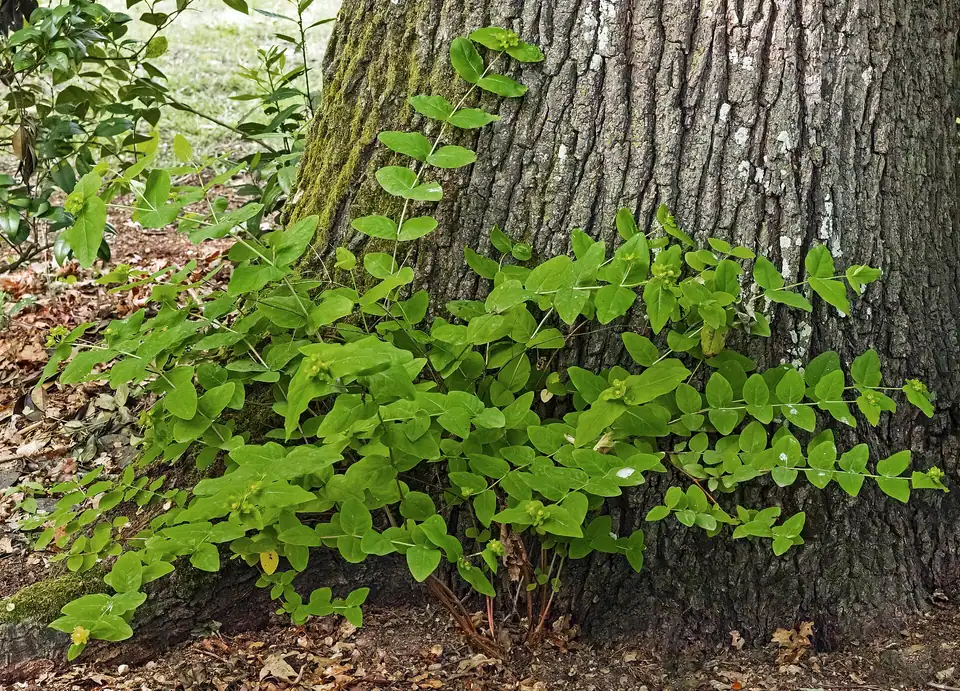
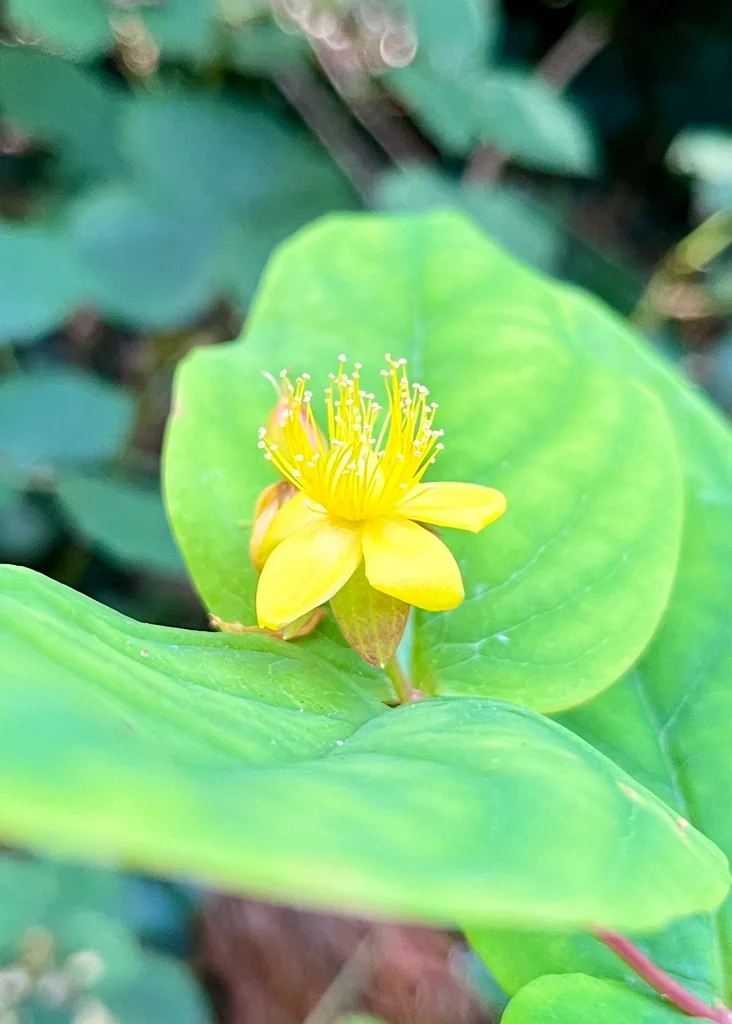
El Hypericum androsaemum (tutsán) es un arbusto caducifolio de bosques húmedos y setos, nativo de Europa occidental y meridional. [5][1] Sus flores amarillas dan paso a frutos parecidos a bayas que cambian de rojo a negro. [5] Fuera de su área de distribución nativa se ha naturalizado como maleza, por ejemplo en Nueva Zelanda, y está en la lista de vigilancia del California Invasive Plant Council. [8][2]
Citado en inglés, como en la fuente.
Esta ficha está incompleta: las fuentes consultadas aún no cubren todos los campos.
Aún no cubierto por nuestras fuentes: Rusticidad, zona más fría, Rusticidad, zona más cálida
Cuidados
Riego
Riego
Mantén húmedo pero no encharcado; tolerante a la sequía una vez establecido
Qué dicen las fuentes (2)
Keep this species moist but not boggy. Rust is a common issue, but it is relatively unbothered by insects and other disease.Succeeds in dry shade and is drought tolerant when established[ 190 Title
The Dry Garden.Notas sobre el riego
Suelo bien drenado pero que retenga la humedad; tolera suelos secos y pedregosos
Qué dicen las fuentes (2)
Easily grown in any reasonably good well-drained but moisture retentive soil[ 1 Title
RHS Dictionary of Plants plus Supplement. 1956likes full sun to part shade and dry, rocky soils; does better in cooler climates
than southwest MissouriLuz
Pleno sol a semisombra
Lo que dice cada fuente
Según Useful Temperate Plants (Ken Fern): Sol o semisombra; florece mejor al sol
Según Gardening Know How: Se prefiere sombra o semisombra; también prospera al sol
Qué dicen las fuentes (5)
Según Useful Temperate Plants (Ken Fern): Succeeds in sun or semi-shade[ 1 Title
RHS Dictionary of Plants plus Supplement. 1956Según Gardening Know How: It prefers shady to semi-shaded locations that mimic its natural positioning at the base of woods but can also thrive in sun.likes full sun to part shade and dry, rocky soils; does better in cooler climates
than southwest MissouriSucceeds in sun or semi-shade[ 1 Title
RHS Dictionary of Plants plus Supplement. 1956It prefers shady to semi-shaded locations that mimic its natural positioning at the base of woods but can also thrive in sun.Clima y frío
Rusticidad, zona más fría
No figura en las fuentes consultadas.
Rusticidad, zona más cálida
No figura en las fuentes consultadas.
Dónde cultivarla
90 cm (90cm)
Qué dicen las fuentes (1)
Plants are best spaced about 90cm apart each way[ 208 Title
Plants for Ground CoverPropagación
Semilla; esquejes de madera semimadura con talón a mediados del verano; esquejes de madera dura en verano; división de arbustos viejos que producen retoños en la temporada de reposo
Qué dicen las fuentes (3)
Cuttings of half-ripe wood 10 - 12 cm with a heel, mid summer in a frame. Plant out in the following spring[ 200 TitleCareful division of old suckering shrubs in the dormant season.
Cite as: Temperate Plants Database, Ken Fern.It prefers shady to semi-shaded locations that mimic its natural positioning at the base of woods but can also thrive in sun. Plant seeds in fall or take hardwood cuttings in summer.Cultivo
La planta
Familia
Clusiaceae (Guttiferae)
Qué dicen las fuentes (1)
Hypericum androsaemum L. (Clusiaceae [=Guttiferae]), novedad corológica para la provincia de Córdoba (Andalucía, España)Calor y sequía
Calor
Las fuentes dan valores distintos según la región, la zona o las condiciones de cultivo.
Lo que dice cada fuente
cultivar 'Picasso': La marchitez y la pudrición de la raíz pueden ser un problema en climas cálidos y húmedos
Qué dicen las fuentes (1)
cultivar 'Picasso': Diseases, Insect Pests, and Other Plant Problems: Wilt and root rot can be a problem in hot and humid climates.Sequía
Las fuentes dan valores distintos según la región, la zona o las condiciones de cultivo.
Lo que dice cada fuente
cultivar 'Picasso': Tolerante a la sequía una vez establecida
Qué dicen las fuentes (1)
cultivar 'Picasso': The plant tolerates a wide range of pH and does well in sun or shade, but flowers better in a sunny position. It is also drought-tolerant when established.Problemas
Roya
Síntoma: Enfermedad de la roya
Qué dicen las fuentes (1)
Keep this species moist but not boggy. Rust is a common issue, but it is relatively unbothered by insects and other disease.
— Tutsan Plant Info - Learn About The Tutsan St. John's Wort Shrub | Gardening Know How [5] Frío invernal
Síntoma: Raíces dañadas por heladas después de la poda
Qué hacer: Aplica unos 8 cm de mantillo alrededor de las plantas podadas en regiones frías
Qué dicen las fuentes (1)
Cut the plant back hard in fall for better spring displays. In cold regions, apply a few inches (8 cm.) of mulch around cut plants to protect roots from freezes.
— Tutsan Plant Info - Learn About The Tutsan St. John's Wort Shrub | Gardening Know How [5]
Remedios
Cada remedio indica qué dicen las fuentes oficiales; los remedios tradicionales sin fuente oficial aparecen marcados. Los perjudiciales están para que sepas evitarlos.
Cuidar la planta
daño por heladas a las raíces
Cubre con mantillo alrededor de las plantas cortadas No verificado
Remedio tradicional, no verificado por una fuente oficial.
Cómo: En regiones frías, después de cortar la planta al ras en otoño, aplica unos centímetros (8 cm) de mantillo alrededor de las plantas cortadas para proteger las raíces de las heladas.
Cómo eliminarla
propagación invasiva
Arranca a mano o desentierra las raíces Funciona
Any pulled, dug or cut plant material with semi-ripe or ripe fruit should be disposed of safely.
— weeds.org.au [12] Cómo: Arranca las plantas pequeñas a mano o desentierra la planta entera incluyendo las raíces, todo el año; desecha las plantas con semillas en una estación de transferencia de residuos, quémalas o entiérralas profundamente.
Physical removal - Hand pull small plants, or dig out entire plant including roots (all year round): Dispose of plants with seeds at a refuse transfer station, burn, or bury deeply.
— weedbusters.org.nz [10] Qué dicen las pruebas Roots are shallow and small plants can be pulled out easily. Larger plants can be dug out, though ensure that all the roots are removed to prevent regrowth.
— weeds.dpi.nsw.gov.au [11] arado y cultivo Fuente oficial, sin prueba independiente
Cómo: En pastizales degradados con infestaciones densas, ara grandes parcelas en otoño y cultiva de nuevo cuando aparezca nuevo crecimiento; siembra un nuevo pastizal el siguiente otoño.
In degraded pastures with dense infestations, plough large patches of tutsan in autumn and cultivate again when new growth appears. Sow a new pasture the following autumn.
— weeds.dpi.nsw.gov.au [11]
Venenosa para los animales
Según la fuente, citada textualmente. No es un consejo médico ni veterinario: si una persona o un animal pudo haber ingerido esta planta, contacta con un centro de toxicología o con un veterinario.
Animales
Dubious toxicity suggesting skin disease. Reported to have killed cattle in Auckland, but feeding trials produced no signs. May contain hypericin, but reports are contradictory.
[7]
Personas
The plant is not palatable and rarely ingested. ## Species affected Cattle and humans.
[7]
Calendario
Siembra
Las fuentes dan valores distintos según la región, la zona o las condiciones de cultivo.
Lo que dice cada fuente
Según Useful Temperate Plants (Ken Fern): Primavera, en un invernadero
Según Gardening Know How: Otoño
Qué dicen las fuentes (2)
Según Useful Temperate Plants (Ken Fern): Seed - sow spring in a greenhouse and only just cover the seed. The seed usually germinates in 1 - 3 months at 10°c.Según Gardening Know How: It prefers shady to semi-shaded locations that mimic its natural positioning at the base of woods but can also thrive in sun. Plant seeds in fall or take hardwood cuttings in summer.Plantación
Finales de primavera o principios de verano, después de las últimas heladas esperadas.
Qué dicen las fuentes (1)
Plant them out into their permanent positions in late spring or early summer, after the last expected frosts.Poda
Otoño (poda drástica)
Qué dicen las fuentes (1)
Cut the plant back hard in fall for better spring displays. In cold regions, apply a few inches (8 cm.) of mulch around cut plants to protect roots from freezes.Meses tal como los dan las fuentes, en su mayoría de Estados Unidos (hemisferio norte). En el hemisferio sur se desplazan unos seis meses.
Plantas similares
- Atlantic St. John's Wort Hypericum tenuifolium
- Bedstraw Hypericum galioides
- Bushy St. John's Wort Hypericum densiflorum
- Cedarglade St. Johnswort Hypericum frondosum
- Hipérico Hypericum perforatum
- Kalm's St. John's Wort Hypericum kalmianum
- Mount Olympus St. John's Wort Hypericum olympicum
- Shrubby St. John's Wort Hypericum prolificum
Fuentes
Cada valor anterior se cita de estos documentos. Los enlaces llevan al editor original.
- Hypericum androsaemum - Useful Temperate Plants · temperate.theferns.info, consultado
- Hypericum androsaemum Profile – California Invasive Plant Council · cal-ipc.org, consultado
- Hypericum androsaemum [L. ] · hypericum.myspecies.info, consultado
- J. López Tirado. Hypericum androsaemum en la provincia de Córdoba 325 · dialnet.unirioja.es, consultado
- Tutsan Plant Info - Learn About The Tutsan St. John's Wort Shrub | Gardening Know How · gardeningknowhow.com, consultado
- Tutsan St. John's Wort · ag.missouristate.edu, consultado
- tutsan · poisonousplants.massey.ac.nz, consultado
- Flora of New Zealand | Taxon Profile | Hypericum androsaemum · nzflora.info, consultado
- plants.ces.ncsu.edu · plants.ces.ncsu.edu
- weedbusters.org.nz · weedbusters.org.nz
- weeds.dpi.nsw.gov.au · weeds.dpi.nsw.gov.au
- weeds.org.au · weeds.org.au
Escrito por Emilio Marruso · última revisión