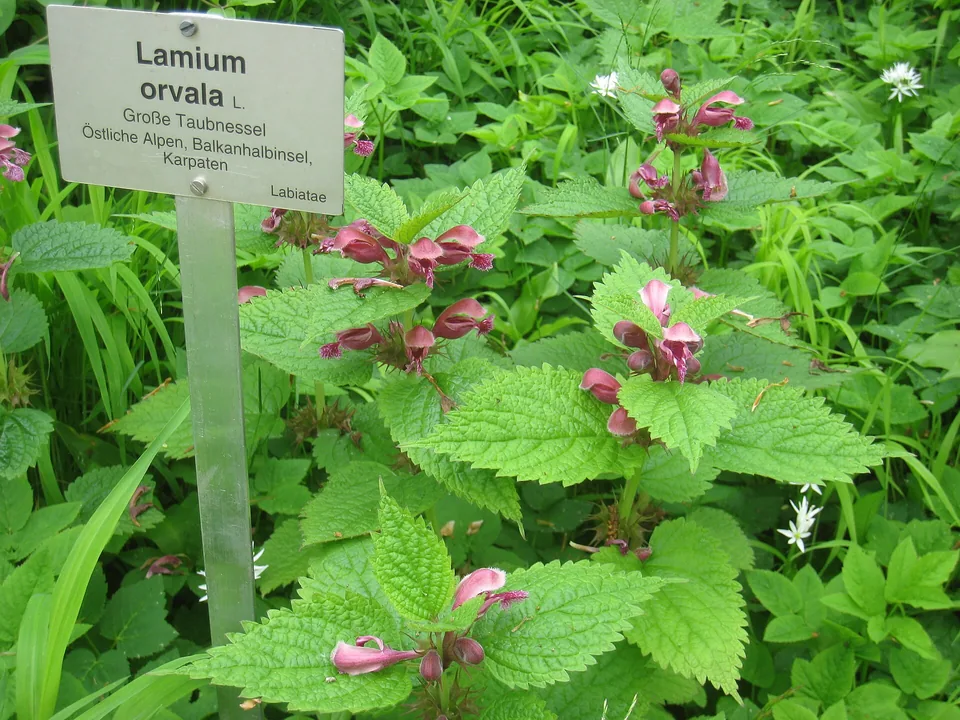
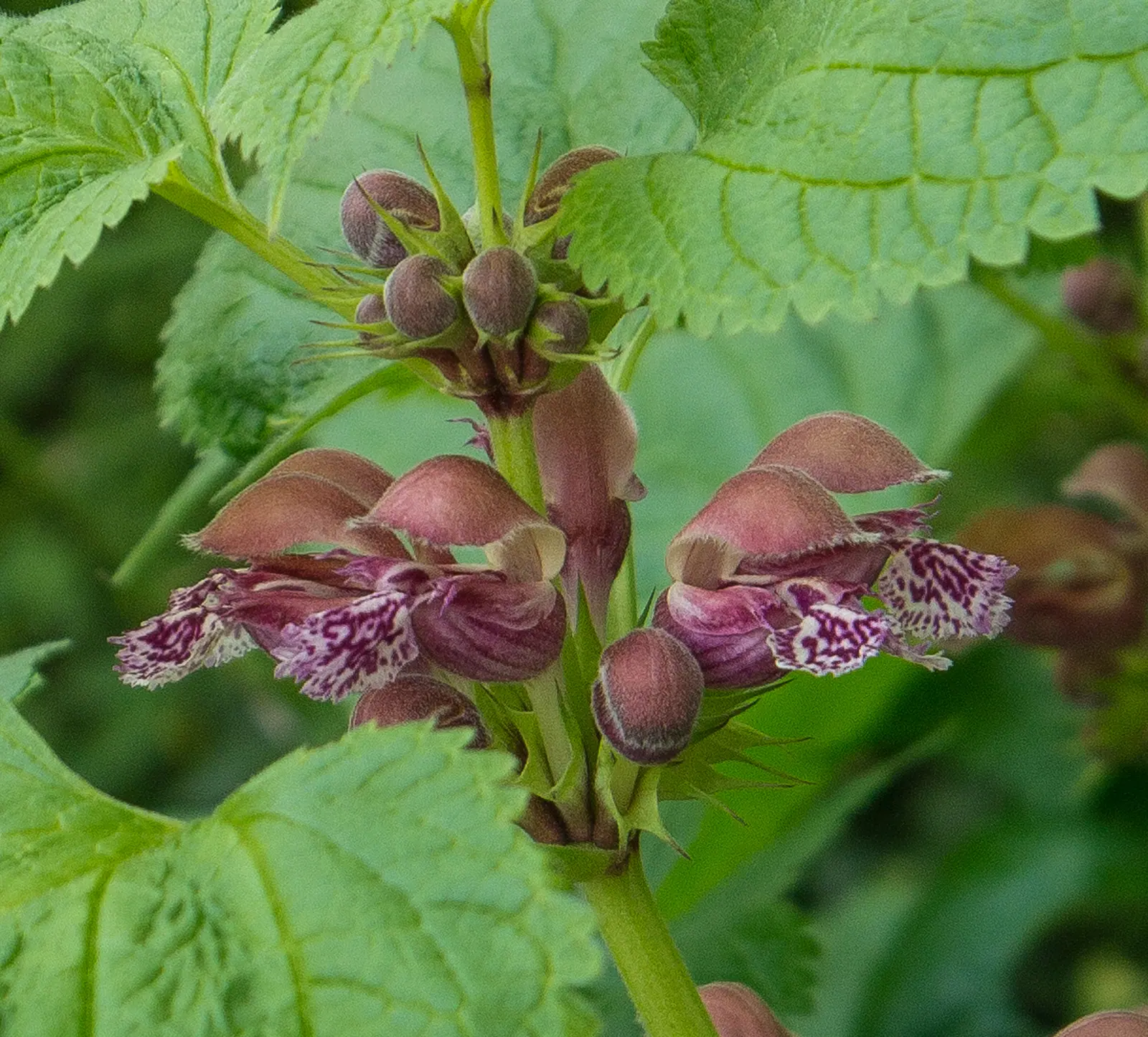
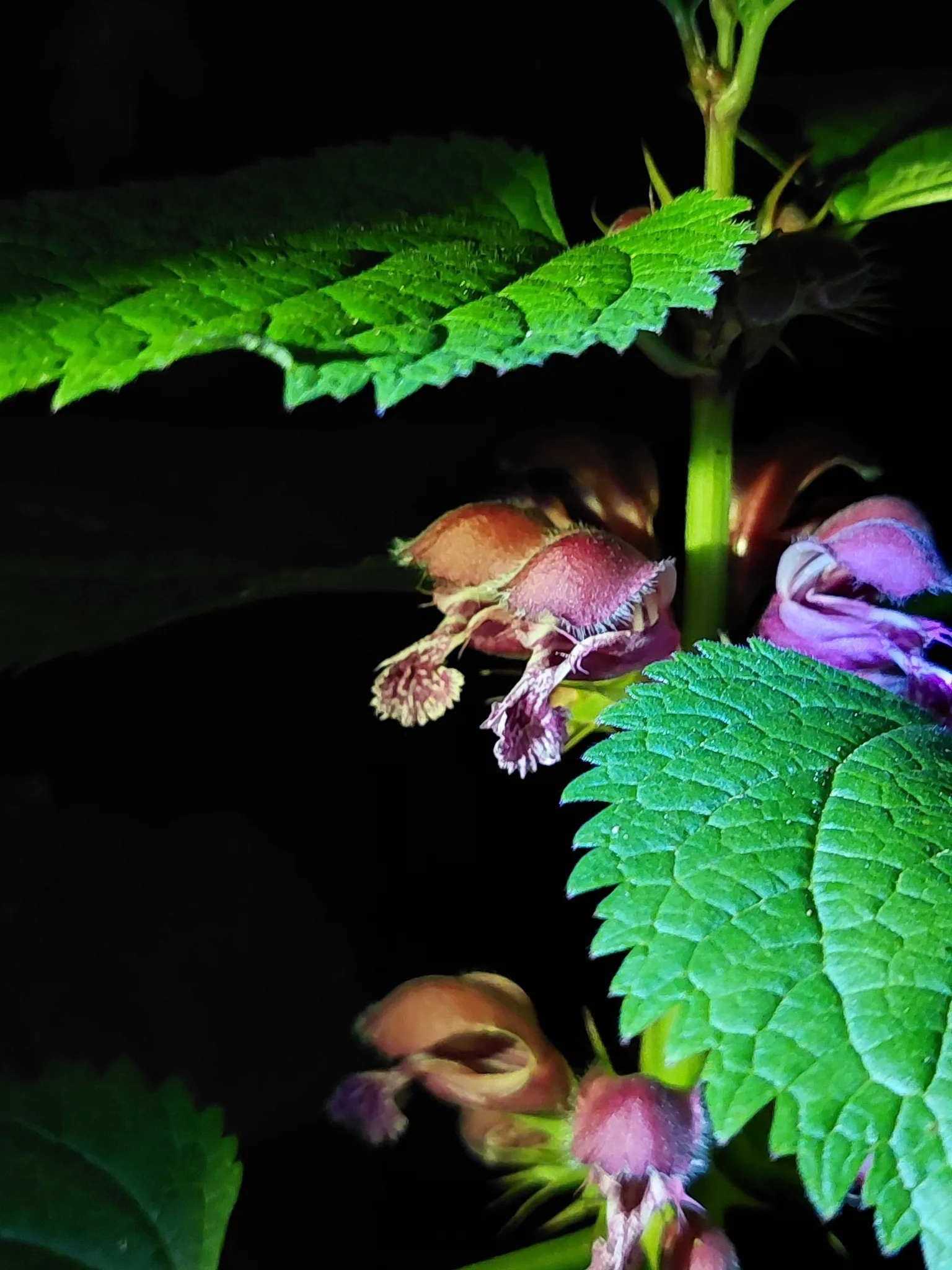

Cómo cultivar y cuidar Lamium orvala
Lamium orvala
Escrito por Emilio Marruso · última revisión
De un vistazo
Esta vivaz de la familia de la menta está hecha para los rincones sombríos de tu jardín: crece a gusto en semisombra o sombra casi total. Dale un suelo húmedo pero bien drenado y alcanzará 46–76 cm de alto, y además tolera la sequía. Es fácil de compartir: divide las matas a principios de primavera o en otoño, y recórtala tras la floración si quieres.
- Sol
Semisombra o sombra casi total
Qué dicen las fuentes (1)
Luz: De semisombra a casi plena sombra
For best growth, plant L. orvala in partial to nearly full shade
— Giant Deadnettle, Lamium orvala – Wisconsin Horticulture [1] - Riego
Tolera la sequía, pero si le falta agua sus hojas amarillean y se manchan a finales de verano
Qué dicen las fuentes (2)
Riego: Suelo húmedo pero bien drenado; tolerante a la sequía
For best growth, plant L. orvala in partial to nearly full shade in a moist but well-drained soil
— Giant Deadnettle, Lamium orvala – Wisconsin Horticulture [1] Notas sobre el riego: El follaje se vuelve amarillo y manchado a finales del verano si está demasiado seco
considered drought tolerant but will turn yellow and spotted late in the summer if too dry.
— Giant Deadnettle, Lamium orvala – Wisconsin Horticulture [1] - Frío
Aguanta inviernos de hasta −34,4 °C (−30 °F)
Muy rústica · USDA 4a · RHS H7 · Z4
Qué dicen las fuentes (2)
Rusticidad, zona más fría: 4a [mínima invernal de −34,4 a −31,7 °C (de −30 a −25 °F)]
stems each year from the deep-rooted crowns. and has a dense, nearly spherical habit that gives it the appearance of a small shrub. It is hardy in zones 4a to 8b
— Giant Deadnettle, Lamium orvala – Wisconsin Horticulture [1] Rusticidad, zona más cálida: 8b [mínima invernal de −9,4 a −6,7 °C (de 15 a 20 °F)]
stems each year from the deep-rooted crowns. and has a dense, nearly spherical habit that gives it the appearance of a small shrub. It is hardy in zones 4a to 8b
— Giant Deadnettle, Lamium orvala – Wisconsin Horticulture [1] - Suelo
Suelo húmedo pero bien drenado
Qué dicen las fuentes (1)
Riego: Suelo húmedo pero bien drenado; tolerante a la sequía
For best growth, plant L. orvala in partial to nearly full shade in a moist but well-drained soil
— Giant Deadnettle, Lamium orvala – Wisconsin Horticulture [1] - Poda
Recórtala después de la floración si quieres; es opcional
Qué dicen las fuentes (1)
Poda: Después de la floración (opcional)
Plants can be cut back after flowering, if desired, to encourage fresh, more compact foliar growth.
— Giant Deadnettle, Lamium orvala – Wisconsin Horticulture [1] - Tamaño
46–76 cm de alto
Qué dicen las fuentes (1)
Altura adulta: 46-76 cm (18-30 pulgadas)
The species L. orvala , a hardy perennial native to woodlands of Central and Southern Europe, is different. This upright plant in the mint family grows in neat clumps 18 to 30 inches tall
— Giant Deadnettle, Lamium orvala – Wisconsin Horticulture [1] - Multiplicación
Divide las matas a principios de primavera o en otoño, o multiplícala por semilla o esquejes
Qué dicen las fuentes (2)
Propagación: División de matas a principios de primavera u otoño; semilla; esquejes de base; esquejes de punta de tallo
L. orvala is most often propagated by division of the clumps in early spring or fall but can be grown from seed or cuttings
— Giant Deadnettle, Lamium orvala – Wisconsin Horticulture [1] Take basal cuttings early, before the stems become hollow or take stem-tip cuttings of non-flowering stems in early summer.
— Giant Deadnettle, Lamium orvala – Wisconsin Horticulture [1] - Siembra
Siembra al aire libre en otoño
Qué dicen las fuentes (1)
Siembra: Otoño (al aire libre)
Sow seeds outdoors in the fall
— Giant Deadnettle, Lamium orvala – Wisconsin Horticulture [1]
Resumen
La ortiga muerta gigante es una perenne que forma matas, ideal para camas y bordes sombreados. [1] Crece mejor en semisombra o casi plena sombra, en suelo húmedo pero bien drenado. [1] Se propaga con mayor frecuencia por división de las matas a principios de primavera u otoño. [1]
Citado en inglés, como en la fuente.
Cuidados
Riego
Riego
Suelo húmedo pero bien drenado; tolerante a la sequía
Qué dicen las fuentes (1)
For best growth, plant L. orvala in partial to nearly full shade in a moist but well-drained soilNotas sobre el riego
El follaje se vuelve amarillo y manchado a finales del verano si está demasiado seco
Qué dicen las fuentes (1)
considered drought tolerant but will turn yellow and spotted late in the summer if too dry.Luz
De semisombra a casi plena sombra
Qué dicen las fuentes (1)
For best growth, plant L. orvala in partial to nearly full shadeClima y frío
Rusticidad, zona más fría
4a [mínima invernal de −34,4 a −31,7 °C (de −30 a −25 °F)]
Qué dicen las fuentes (1)
stems each year from the deep-rooted crowns. and has a dense, nearly spherical habit that gives it the appearance of a small shrub. It is hardy in zones 4a to 8bRusticidad, zona más cálida
8b [mínima invernal de −9,4 a −6,7 °C (de 15 a 20 °F)]
Qué dicen las fuentes (1)
stems each year from the deep-rooted crowns. and has a dense, nearly spherical habit that gives it the appearance of a small shrub. It is hardy in zones 4a to 8bPropagación
División de matas a principios de primavera u otoño; semilla; esquejes de base; esquejes de punta de tallo
Qué dicen las fuentes (2)
L. orvala is most often propagated by division of the clumps in early spring or fall but can be grown from seed or cuttingsTake basal cuttings early, before the stems become hollow or take stem-tip cuttings of non-flowering stems in early summer.Cultivo
La planta
Ciclo de vida
perenne
Qué dicen las fuentes (1)
The species L. orvala , a hardy perennial native to woodlands of Central and Southern Europe, is different. This upright plant in the mint family grows in neat clumps 18 to 30 inches tallFamilia
familia de la menta
Qué dicen las fuentes (1)
The species L. orvala , a hardy perennial native to woodlands of Central and Southern Europe, is different. This upright plant in the mint family grows in neat clumps 18 to 30 inches tallAltura adulta
46-76 cm (18-30 pulgadas)
Qué dicen las fuentes (1)
The species L. orvala , a hardy perennial native to woodlands of Central and Southern Europe, is different. This upright plant in the mint family grows in neat clumps 18 to 30 inches tallProblemas
Estrés por sequía a finales del verano
Síntoma: Las hojas se vuelven amarillas y presentan manchas a finales del verano si la planta está demasiado seca.
Qué dicen las fuentes (1)
considered drought tolerant but will turn yellow and spotted late in the summer if too dry.
— Giant Deadnettle, Lamium orvala – Wisconsin Horticulture [1]
Remedios
Cada remedio indica qué dicen las fuentes oficiales; los remedios tradicionales sin fuente oficial aparecen marcados. Los perjudiciales están para que sepas evitarlos.
Cuidar la planta
autosiembra
Arranca los plantones. No verificado
Remedio tradicional, no verificado por una fuente oficial.
Cómo: Puede sembrarse un poco, pero es fácil de arrancar si te salen demasiados.
Calendario
Siembra
Otoño (al aire libre)
Qué dicen las fuentes (1)
Sow seeds outdoors in the fallPoda
Después de la floración (opcional)
Qué dicen las fuentes (1)
Plants can be cut back after flowering, if desired, to encourage fresh, more compact foliar growth.Meses tal como los dan las fuentes, en su mayoría de Estados Unidos (hemisferio norte). En el hemisferio sur se desplazan unos seis meses.
Plantas similares
- Ortiga muerta amarilla Lamium galeobdolon
- Ortiga muerta Lamium maculatum
- Ortiga blanca Lamium album
- Lamio Lamium amplexicaule
- Ortiga muerta purpúrea Lamium purpureum
- Abraham Trachystemon orientalis
- Cempasúchil Tagetes erecta
- Alabama Croton Croton alabamensis
Fuentes
Cada valor anterior se cita de estos documentos. Los enlaces llevan al editor original.
- Giant Deadnettle, Lamium orvala – Wisconsin Horticulture · hort.extension.wisc.edu, consultado
- Pagina 93 - Flora of the Southern Carnic Alps · dryades.units.it, consultado
Escrito por Emilio Marruso · última revisión