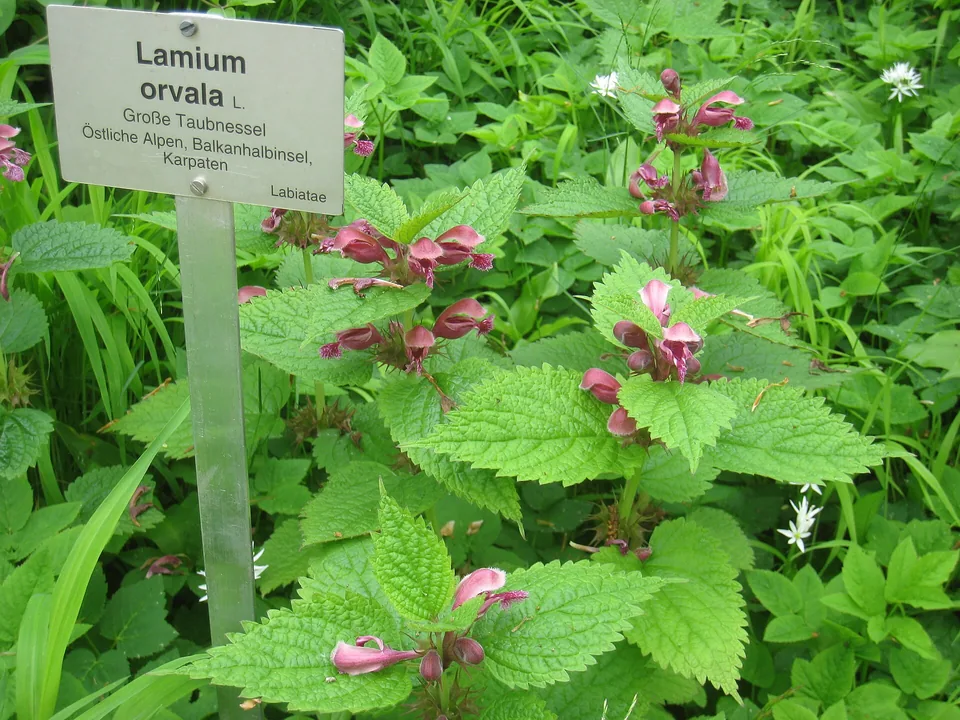
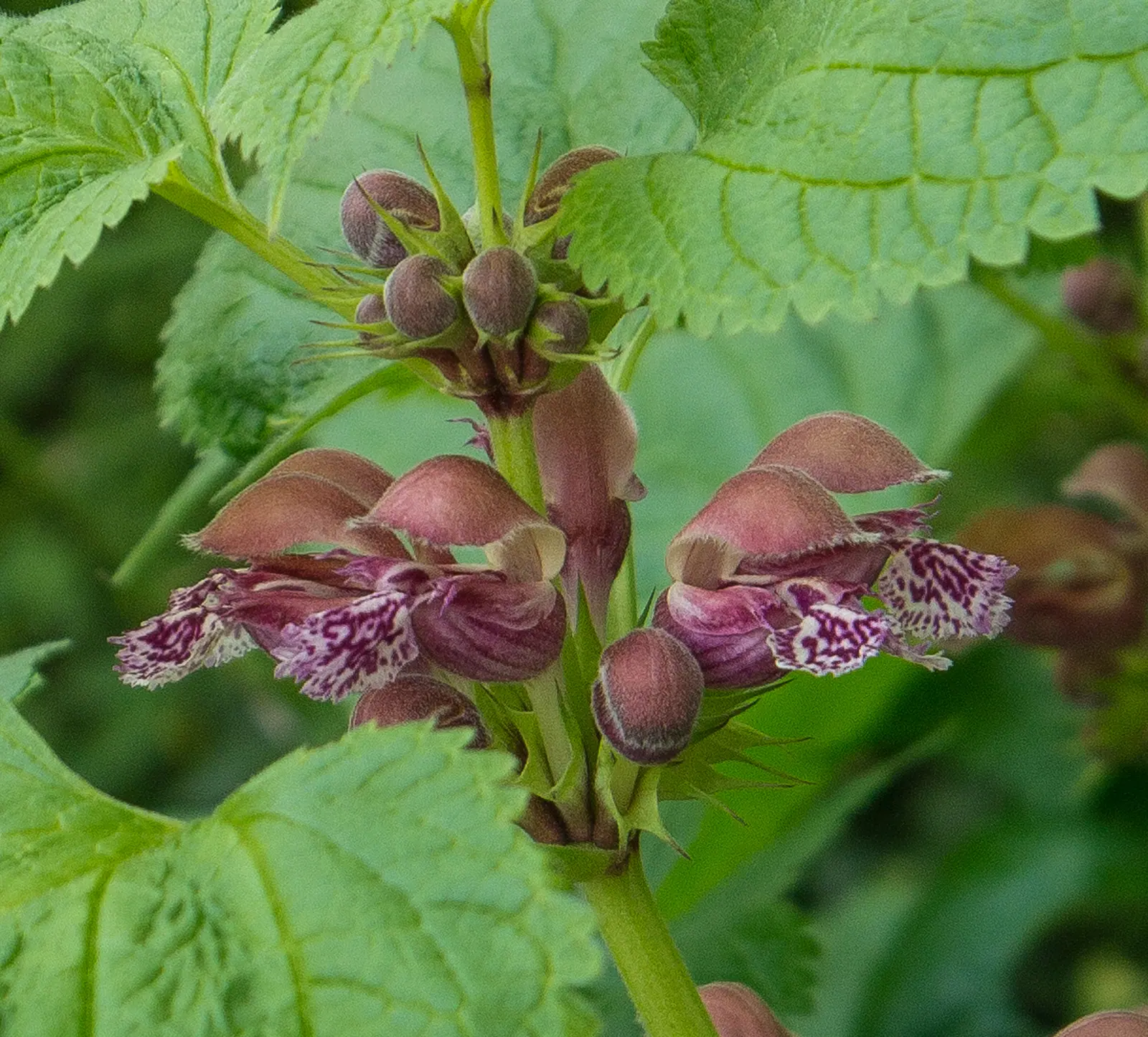
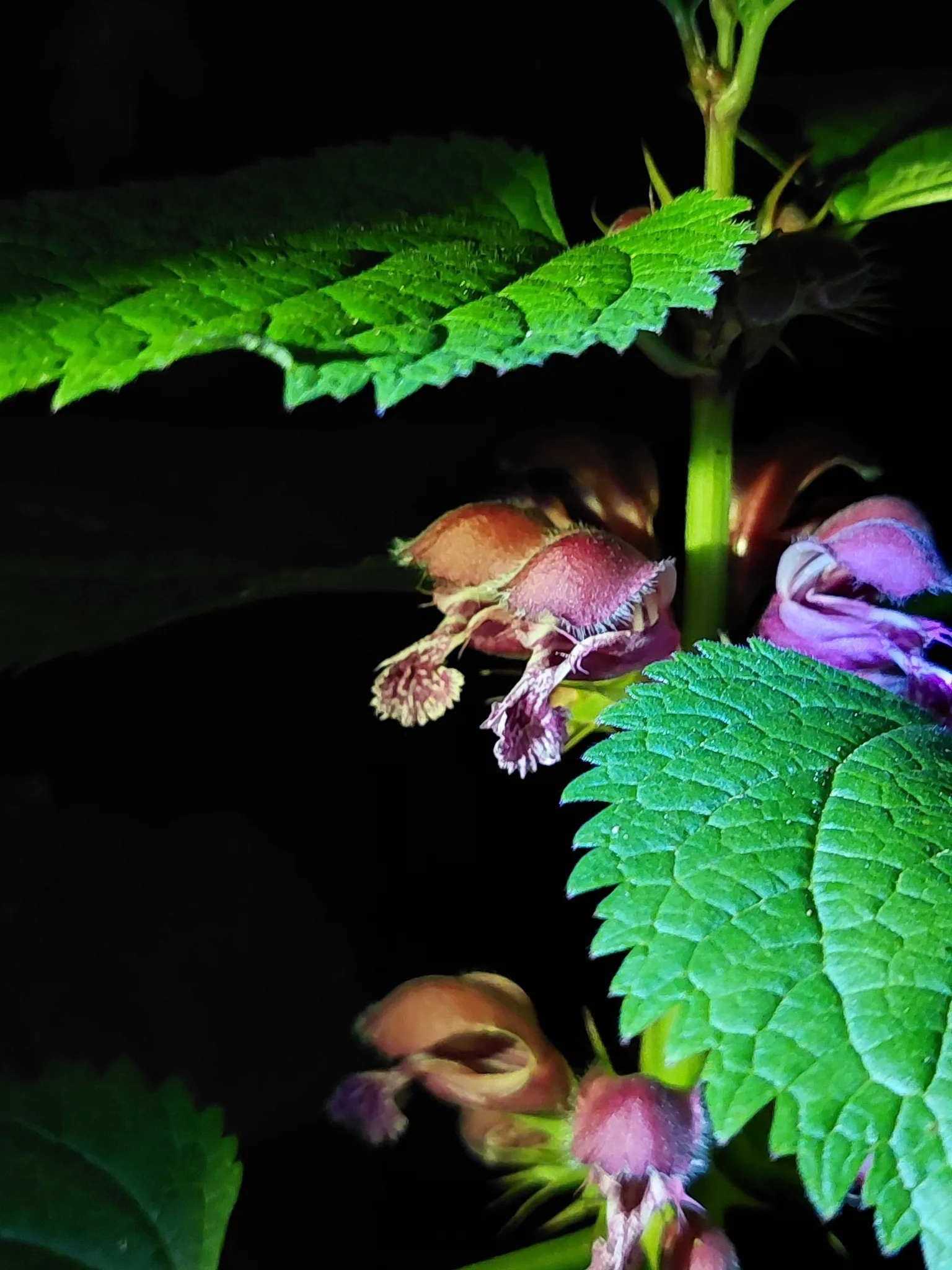

How to Grow and Care for Lamium orvala
Lamium orvala
Written by Emilio Marruso · last checked
At a glance
This perennial from the mint family is made for the shady corners of your garden, growing happily in partial to nearly full shade. Give it moist but well-drained soil and it reaches 18–30 inches tall, and it even tolerates drought. It is easy to share: divide the clumps in early spring or fall, and trim it after flowering if you like.
- Sun
Partial to nearly full shade
What the sources say (1)
Light: Partial to nearly full shade
For best growth, plant L. orvala in partial to nearly full shade
— Giant Deadnettle, Lamium orvala – Wisconsin Horticulture [1] - Water
Tolerates drought, but if too dry its leaves turn yellow and spotted in late summer
What the sources say (2)
Watering: Moist but well-drained soil; drought tolerant
For best growth, plant L. orvala in partial to nearly full shade in a moist but well-drained soil
— Giant Deadnettle, Lamium orvala – Wisconsin Horticulture [1] Watering notes: Foliage turns yellow and spotted late in summer if too dry
considered drought tolerant but will turn yellow and spotted late in the summer if too dry.
— Giant Deadnettle, Lamium orvala – Wisconsin Horticulture [1] - Cold
Survives winters down to −30 °F (−34.4 °C)
Very hardy · USDA 4a · RHS H7 · Z4
What the sources say (2)
Hardiness, coldest zone: 4a [winter low −34.4 to −31.7 °C (−30 to −25 °F)]
stems each year from the deep-rooted crowns. and has a dense, nearly spherical habit that gives it the appearance of a small shrub. It is hardy in zones 4a to 8b
— Giant Deadnettle, Lamium orvala – Wisconsin Horticulture [1] Hardiness, warmest zone: 8b [winter low −9.4 to −6.7 °C (15 to 20 °F)]
stems each year from the deep-rooted crowns. and has a dense, nearly spherical habit that gives it the appearance of a small shrub. It is hardy in zones 4a to 8b
— Giant Deadnettle, Lamium orvala – Wisconsin Horticulture [1] - Soil
Moist but well-drained soil
What the sources say (1)
Watering: Moist but well-drained soil; drought tolerant
For best growth, plant L. orvala in partial to nearly full shade in a moist but well-drained soil
— Giant Deadnettle, Lamium orvala – Wisconsin Horticulture [1] - Pruning
Trim after flowering if you like; it is optional
What the sources say (1)
Pruning: After flowering (optional)
Plants can be cut back after flowering, if desired, to encourage fresh, more compact foliar growth.
— Giant Deadnettle, Lamium orvala – Wisconsin Horticulture [1] - Size
18–30 in tall
What the sources say (1)
Mature height: 46-76 cm (18-30 in)
The species L. orvala , a hardy perennial native to woodlands of Central and Southern Europe, is different. This upright plant in the mint family grows in neat clumps 18 to 30 inches tall
— Giant Deadnettle, Lamium orvala – Wisconsin Horticulture [1] - Propagation
Divide clumps in early spring or fall, or grow from seed or cuttings
What the sources say (2)
Propagation: Division of clumps in early spring or fall; seed; basal cuttings; stem-tip cuttings
L. orvala is most often propagated by division of the clumps in early spring or fall but can be grown from seed or cuttings
— Giant Deadnettle, Lamium orvala – Wisconsin Horticulture [1] Take basal cuttings early, before the stems become hollow or take stem-tip cuttings of non-flowering stems in early summer.
— Giant Deadnettle, Lamium orvala – Wisconsin Horticulture [1] - Sowing
Sow outdoors in fall
What the sources say (1)
Sowing: Fall (outdoors)
Sow seeds outdoors in the fall
— Giant Deadnettle, Lamium orvala – Wisconsin Horticulture [1]
Overview
Giant deadnettle is a clump-forming perennial for shady beds and borders. [1] It grows best in partial to nearly full shade in moist but well-drained soil. [1] It is most often propagated by division of the clumps in early spring or fall. [1]
Lamium orvala care
How to water Lamium orvala
Watering
Moist but well-drained soil; drought tolerant
What the sources say (1)
For best growth, plant L. orvala in partial to nearly full shade in a moist but well-drained soilWatering notes
Foliage turns yellow and spotted late in summer if too dry
What the sources say (1)
considered drought tolerant but will turn yellow and spotted late in the summer if too dry.How much light Lamium orvala needs
Partial to nearly full shade
What the sources say (1)
For best growth, plant L. orvala in partial to nearly full shadeHow much cold Lamium orvala can take
Hardiness, coldest zone
4a [winter low −34.4 to −31.7 °C (−30 to −25 °F)]
What the sources say (1)
stems each year from the deep-rooted crowns. and has a dense, nearly spherical habit that gives it the appearance of a small shrub. It is hardy in zones 4a to 8bHardiness, warmest zone
8b [winter low −9.4 to −6.7 °C (15 to 20 °F)]
What the sources say (1)
stems each year from the deep-rooted crowns. and has a dense, nearly spherical habit that gives it the appearance of a small shrub. It is hardy in zones 4a to 8bHow to propagate Lamium orvala
Division of clumps in early spring or fall; seed; basal cuttings; stem-tip cuttings
What the sources say (2)
L. orvala is most often propagated by division of the clumps in early spring or fall but can be grown from seed or cuttingsTake basal cuttings early, before the stems become hollow or take stem-tip cuttings of non-flowering stems in early summer.How to grow Lamium orvala
The plant
Life cycle
perennial
What the sources say (1)
The species L. orvala , a hardy perennial native to woodlands of Central and Southern Europe, is different. This upright plant in the mint family grows in neat clumps 18 to 30 inches tallFamily
mint family
What the sources say (1)
The species L. orvala , a hardy perennial native to woodlands of Central and Southern Europe, is different. This upright plant in the mint family grows in neat clumps 18 to 30 inches tallMature height
46-76 cm (18-30 in)
What the sources say (1)
The species L. orvala , a hardy perennial native to woodlands of Central and Southern Europe, is different. This upright plant in the mint family grows in neat clumps 18 to 30 inches tallLamium orvala pests and problems
Late-summer drought stress
Symptom: Leaves turn yellow and spotted late in summer if the plant is too dry.
What the sources say (1)
considered drought tolerant but will turn yellow and spotted late in the summer if too dry.
— Giant Deadnettle, Lamium orvala – Wisconsin Horticulture [1]
Remedies
Each remedy shows what official sources say about it; traditional remedies without an official source are marked as such. Harmful ones are listed so you know to avoid them.
Treating the plant
self-seeding
pulling out seedlings Not verified
Traditional remedy, not verified by an official source.
How: It might seed around a bit, but it is easily pulled out if you get too many.
Calendar
Sowing
Fall (outdoors)
What the sources say (1)
Sow seeds outdoors in the fallPruning
After flowering (optional)
What the sources say (1)
Plants can be cut back after flowering, if desired, to encourage fresh, more compact foliar growth.Months as given by the sources, which are mostly from the United States (northern hemisphere). In the southern hemisphere they shift by about six months.
Similar plants
- Yellow Archangel Lamium galeobdolon
- Dead Nettle Lamium maculatum
- White dead-nettle Lamium album
- Henbit Lamium amplexicaule
- Purple Dead-nettle Lamium purpureum
- Abraham Trachystemon orientalis
- African Marigold Tagetes erecta
- Alabama Croton Croton alabamensis
Sources
Every value above is quoted from these documents. Links lead to the original publisher.
- Giant Deadnettle, Lamium orvala – Wisconsin Horticulture · hort.extension.wisc.edu, consulted
- Pagina 93 - Flora of the Southern Carnic Alps · dryades.units.it, consulted
Written by Emilio Marruso · last checked