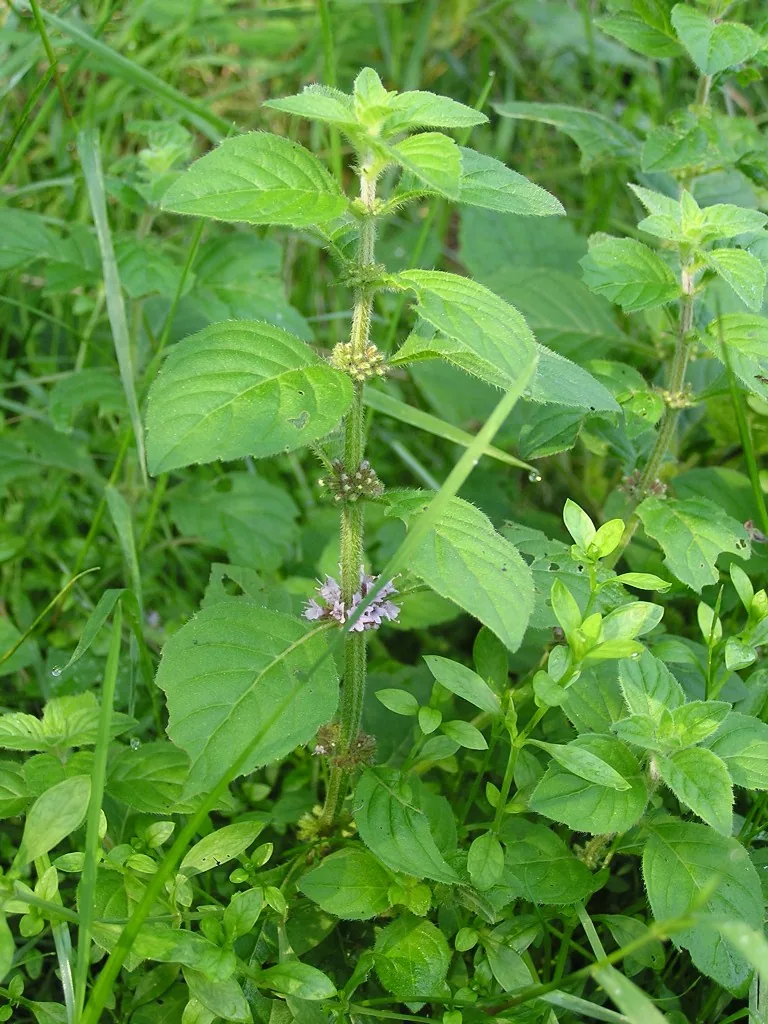
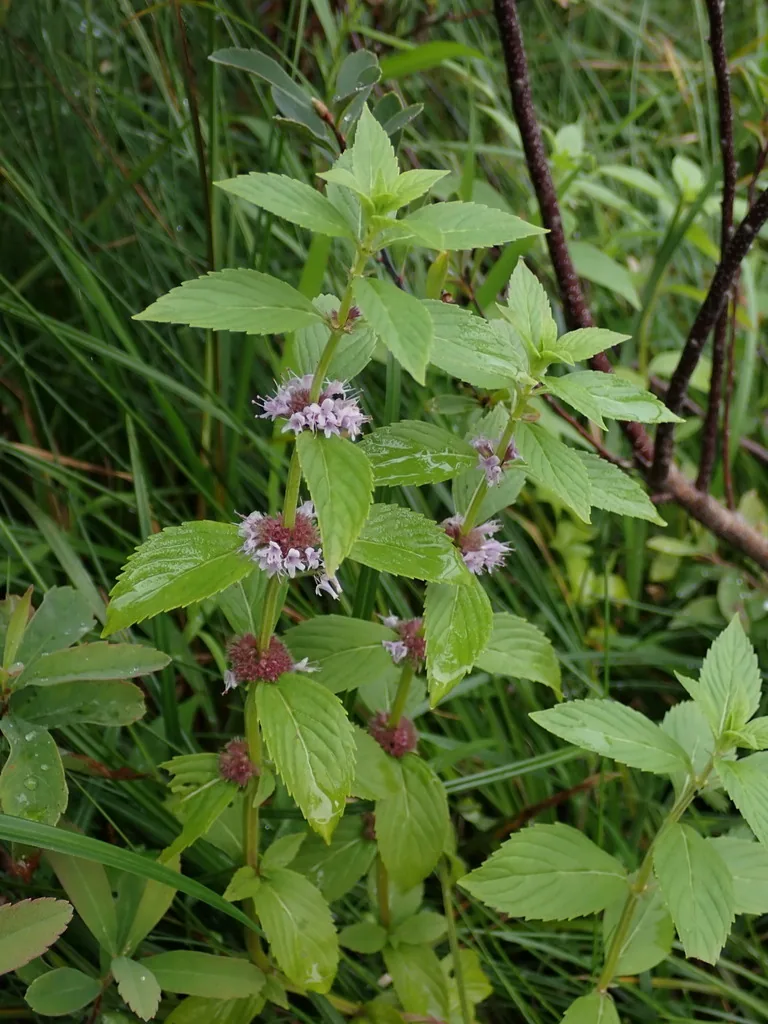

Cómo cultivar y cuidar Menta silvestre
Mentha arvensis
Escrito por Emilio Marruso · última revisión
Tóxica para: Personas · Por qué
De un vistazo
La menta silvestre te regala hojas con un intenso sabor a menta y un ligero amargor, perfectas crudas en ensaladas o en platos cocinados. Prefiere un rincón soleado, pero también crece en semisombra, aguanta suelos más secos que otras mentas y vive feliz en maceta. Empiézala en primavera y pásala al exterior en verano.
- Sol
Mejor a pleno sol para sus aceites aromáticos; también crece en semisombra
Qué dicen las fuentes (3)
Luz: La posición soleada es la mejor para la producción de aceite esencial; también prospera en semisombra.
A sunny position is best for production of essential oils, but it also succeeds in partial shade
— Mentha arvensis - Useful Temperate Plants [2] It also grows well in full sun or partial shade.
— Plant Propagation Protocol for [Mentha arvensis] [6] Make sure your proposed planting site includes full sun, or almost full sun.
— Care Of Field Mint - Tips For Planting Wild Mint In The Garden | Gardening Know How [7] - Riego
No dejes que la tierra se seque demasiado, aunque aguanta la sequía mejor que otras mentas
Qué dicen las fuentes (3)
Riego: El suelo no debe estar demasiado seco; tolera condiciones mucho más secas que otros miembros del género.
An easily grown plant, it succeeds in most soils and situations so long as the soil is not too dry
— Mentha arvensis - Useful Temperate Plants [2] This species tolerates much drier conditions than other members of the genus
— Mentha arvensis - Useful Temperate Plants [2] Mentha arvensis will do best if planted where soil remains fairly moist even though this species is more tolerant of dry conditions than other species in the genus.
— Plant Propagation Protocol for [Mentha arvensis] [6] - Frío
Aguanta inviernos de hasta −40 °C (−40 °F)
Muy rústica · USDA 3 · RHS H7 · Z3
Qué dicen las fuentes (2)
Rusticidad, zona más fría: 3 [mínima invernal de −40 a −34,4 °C (de −40 a −30 °F)]
Mentha arvensis is suitable in USDA Hardiness Zone: 3-8.
— Plant Propagation Protocol for [Mentha arvensis] [6] Rusticidad, zona más cálida: 8 [mínima invernal de −12,2 a −6,7 °C (de 10 a 20 °F)]
Mentha arvensis is suitable in USDA Hardiness Zone: 3-8.
— Plant Propagation Protocol for [Mentha arvensis] [6] - Suelo
Suelo de ácido a neutro, pH 5–7
- Plantación
Empieza las plantas en primavera y pásalas al exterior en verano
Qué dicen las fuentes (3)
Plantación: Las plantas iniciadas en primavera se trasplantan al exterior en verano.
Según University of Washington protocol: Plants should be started in the spring and outplanted in the summer.
— Plant Propagation Protocol for [Mentha arvensis] [6] Vietnam del Norte (menta japonesa).: Japanese mint is usually planted in northern Vietnam in January-April (spring).
— PROSEA - Plant Resources of South East Asia [1] Plants should be started in the spring and outplanted in the summer.
— Plant Propagation Protocol for [Mentha arvensis] [6] - Cosecha
Come las hojas crudas o cocinadas, en ensaladas o para dar sabor a tus platos
- Multiplicación
Se multiplica por semilla, por división de la mata o por esquejes
Qué dicen las fuentes (5)
Propagación: Semilla; división; esquejes.
Seed - sow spring in a cold frame. Germination is usually fairly quick.
— Mentha arvensis - Useful Temperate Plants [2] Division can be easily carried out at almost any time of the year
— Mentha arvensis - Useful Temperate Plants [2] In Vietnam, new shoots of Mentha arvensis normally arise from cuttings within 5-10 days after planting
— PROSEA - Plant Resources of South East Asia [1] Propagates by rhizome cuttings or division of plants in spring or fall; by tip cuttings in spring
— Plant Description [5] Plant field mint seeds in the fall after the leaves have fallen from the trees
— Care Of Field Mint - Tips For Planting Wild Mint In The Garden | Gardening Know How [7] - Siembra
Siembra en primavera en una cajonera fría
Qué dicen las fuentes (3)
Siembra: Primavera (en un marco frío)
Según Useful Temperate Plants: Seed - sow spring in a cold frame. Germination is usually fairly quick.
— Mentha arvensis - Useful Temperate Plants [2] Según Gardening Know How: Plant field mint seeds in the fall after the leaves have fallen from the trees, or store them in the refrigerator vegetable bin for at least three months before planting them in the spring.
— Care Of Field Mint - Tips For Planting Wild Mint In The Garden | Gardening Know How [7] Seed - sow spring in a cold frame. Germination is usually fairly quick.
— Mentha arvensis - Useful Temperate Plants [2] - Maceta
Crece también en maceta
Qué dicen las fuentes (1)
En maceta: Sí
The easiest and least expensive way to prevent this from happening is by planting all mint plants in containers and never putting them in the garden itself.
— Care Of Field Mint - Tips For Planting Wild Mint In The Garden | Gardening Know How [7] - Seguridad
Evita el aceite de menta concentrado: en dosis altas es tóxico, peligroso para niños pequeños y en el embarazo
Resumen
La Mentha arvensis es una hierba perenne erecta o ascendente que crece a partir de una base rizomatosa extendida. [2] Prospera en la mayoría de los suelos y situaciones siempre que el suelo no esté demasiado seco, y tolera condiciones más secas que otras mentas. [2] Es resistente al frío en las zonas USDA 3-8 y tolera un pH del suelo de 5 a 7. [6][5]
Citado en inglés, como en la fuente.
Esta ficha está incompleta: las fuentes consultadas aún no cubren todos los campos.
Aún no cubierto por nuestras fuentes: Cosecha
Cuidados
Las medidas entre corchetes son nuestra conversión al otro sistema de unidades; el texto citado no cambia.
Riego
El suelo no debe estar demasiado seco; tolera condiciones mucho más secas que otros miembros del género.
Qué dicen las fuentes (3)
An easily grown plant, it succeeds in most soils and situations so long as the soil is not too dryThis species tolerates much drier conditions than other members of the genusMentha arvensis will do best if planted where soil remains fairly moist even though this species is more tolerant of dry conditions than other species in the genus.Luz
La posición soleada es la mejor para la producción de aceite esencial; también prospera en semisombra.
Qué dicen las fuentes (3)
A sunny position is best for production of essential oils, but it also succeeds in partial shadeIt also grows well in full sun or partial shade.Make sure your proposed planting site includes full sun, or almost full sun.Clima y frío
Rusticidad, zona más fría
3 [mínima invernal de −40 a −34,4 °C (de −40 a −30 °F)]
Qué dicen las fuentes (1)
Mentha arvensis is suitable in USDA Hardiness Zone: 3-8.Rusticidad, zona más cálida
8 [mínima invernal de −12,2 a −6,7 °C (de 10 a 20 °F)]
Qué dicen las fuentes (1)
Mentha arvensis is suitable in USDA Hardiness Zone: 3-8.Suelo
pH del suelo, mínimo
5
Qué dicen las fuentes (1)
Is adapted to medium and fine textured soils and can tolerate a pH ranging from 5 to 7pH del suelo, máximo
7
Qué dicen las fuentes (1)
Is adapted to medium and fine textured soils and can tolerate a pH ranging from 5 to 7Dónde cultivarla
En maceta
Sí
Qué dicen las fuentes (1)
The easiest and least expensive way to prevent this from happening is by planting all mint plants in containers and never putting them in the garden itself.Distancia de plantación
Las fuentes dan valores distintos según la región, la zona o las condiciones de cultivo.
Lo que dice cada fuente
Vietnam del Norte (menta japonesa).: Esquejes a 12-20 cm [4,7–7,9 in] de distancia en surcos separados 45-60 cm [18–24 in].
Qué dicen las fuentes (1)
Vietnam del Norte (menta japonesa).: The cuttings are planted 12-20 cm apart in shallow furrows 7-10 cm deep and 45-60 cm apart.Propagación
Semilla; división; esquejes.
Qué dicen las fuentes (5)
Seed - sow spring in a cold frame. Germination is usually fairly quick.Division can be easily carried out at almost any time of the yearIn Vietnam, new shoots of Mentha arvensis normally arise from cuttings within 5-10 days after plantingPropagates by rhizome cuttings or division of plants in spring or fall; by tip cuttings in springPlant field mint seeds in the fall after the leaves have fallen from the treesCultivo
Abonado
Cuándo
Las fuentes dan valores distintos según la región, la zona o las condiciones de cultivo.
Lo que dice cada fuente
Mentha en general: A principios de primavera, cuando el crecimiento se reanuda
Qué dicen las fuentes (1)
Mentha en general: One early spring application of a slow release, complete fertilizer incorporated into the soil will supply adequate nutrients for mint. Use one teaspoon of a 16-16-16 fertilizer per plant as growth resumes in the spring.Frecuencia
Las fuentes dan valores distintos según la región, la zona o las condiciones de cultivo.
Lo que dice cada fuente
Mentha en general: Una aplicación por temporada
Mentha en general: Una aplicación por temporada
Qué dicen las fuentes (2)
Mentha en general: One early spring application of a slow release, complete fertilizer incorporated into the soil will supply adequate nutrients for mint.Mentha en general: If you choose to fertilize, follow the directions carefully; most of the time a single application of a slow-release fertilizer is enough for the season.Abonos naturales
Las fuentes dan valores distintos según la región, la zona o las condiciones de cultivo.
Lo que dice cada fuente
Mentha en general: Compost o estiércol bien descompuesto incorporado al suelo antes de plantar
Mentha en general: Compost o estiércol bien descompuesto incorporado al suelo antes de plantar
Qué dicen las fuentes (2)
Mentha en general: Mint will thrive in a rich, moist soil that receives full to partial sun. Add an inch or two of compost, peat moss or rotted manure before planting.Mentha en general: If you fertilize with compost, apply no more than 1 inch of well-composted organic matter per 100 square feet of garden area.Abonos minerales
Las fuentes dan valores distintos según la región, la zona o las condiciones de cultivo.
Lo que dice cada fuente
Mentha en general: Fertilizante completo de liberación lenta, 16-16-16, 4,9 mL por planta
Qué dicen las fuentes (1)
Mentha en general: One early spring application of a slow release, complete fertilizer incorporated into the soil will supply adequate nutrients for mint. Use one teaspoon of a 16-16-16 fertilizer per plant as growth resumes in the spring.Evitar
Las fuentes dan valores distintos según la región, la zona o las condiciones de cultivo.
Lo que dice cada fuente
Mentha en general: El riego excesivo combinado con una fertilización intensa, que favorece la roya y reduce la producción de aceite de menta; el exceso de fertilización
Mentha en general: El riego excesivo combinado con una fertilización intensa, que favorece la roya y reduce la producción de aceite de menta; el exceso de fertilización
Qué dicen las fuentes (2)
Mentha en general: Use one teaspoon of a 16-16-16 fertilizer per plant as growth resumes in the spring. Over watering and fertilizing promotes rust and diminishes mint oil production.Mentha en general: Rotate planting areas, remove infected plants, and do not over fertilize plants.Remedios
Cada remedio indica qué dicen las fuentes oficiales; los remedios tradicionales sin fuente oficial aparecen marcados. Los perjudiciales están para que sepas evitarlos.
Cuidar la planta
pulgones
jabón insecticida o aceite de neem Funciona
Cómo: Jabones o aceites insecticidas como el neem o el aceite de canola; revisa la etiqueta del producto antes de usarlo.
insecticidal soaps or oils such as neem or canola oil are usually the best method of control; always check the labels of the products for specific usage guidelines prior to use
— plantvillage.psu.edu [11] Qué dicen las pruebas insecticidal soaps or oils such as neem or canola oil are usually the best method of control
— plantvillage.psu.edu [11] fuerte chorro de agua Fuente oficial, sin prueba independiente
Cómo: Las plantas resistentes se pueden rociar con un chorro fuerte de agua para desprender los pulgones de las hojas.
sturdy plants can be sprayed with a strong jet of water to knock aphids from leaves
— plantvillage.psu.edu [11]
ácaros araña
fuerte chorro de agua Funciona en parte
Cómo: Rocía las plantas con un chorro fuerte de agua.
In the home garden, spraying plants with a strong jet of water can help reduce buildup of spider mite populations
— plantvillage.psu.edu [11] Qué dicen las pruebas In the home garden, spraying plants with a strong jet of water can help reduce buildup of spider mite populations
— plantvillage.psu.edu [11] jabón insecticida Fuente oficial, sin prueba independiente
Cómo: Aplica jabón insecticida a las plantas si los ácaros se vuelven problemáticos.
if mites become problematic apply insecticidal soap to plants; certain chemical insecticides may actually increase mite populations by killing off natural enemies
— plantvillage.psu.edu [11]
mildiu polvoriento
Retira las hojas afectadas Funciona en parte
Cómo: Retira con cuidado las hojas afectadas en cuanto veas los síntomas, y ponlas en bolsas para evitar la propagación de esporas.
Disease can be minimized by avoiding overcrowded spacing of plants and by carefully picking off affected leaves as soon as symptoms are evident.
— portal.ct.gov [12] Qué dicen las pruebas Disease can be minimized by avoiding overcrowded spacing of plants and by carefully picking off affected leaves as soon as symptoms are evident.
— portal.ct.gov [12]
roya
Tratamiento de raíces con agua caliente. Funciona en parte
Cómo: Raíces sumergidas en agua caliente a 44°C (111°F) durante 10 minutos, enfriadas con agua fría y luego plantadas como de costumbre.
heat treatment of roots may help to control the disease; roots should be immersed in hot water at 44°C (111°F) for 10 minutes, cooled using cool water and then planted as usual
— plantvillage.psu.edu [11] Qué dicen las pruebas heat treatment of roots may help to control the disease
— plantvillage.psu.edu [11]
Cómo eliminarla
dispersión invasiva
Desentierra los rizomas. No verificado
Remedio tradicional, no verificado por una fuente oficial.
Cómo: desentierra las plantas y retira la mayor cantidad posible de rizomas que se extienden
sofocación con lona o cartón No verificado
Remedio tradicional, no verificado por una fuente oficial.
Cómo: Cubre el suelo con lonas o cartón y deja la cubierta en su lugar durante al menos 6 a 8 semanas en verano.
agua hirviendo No verificado
Remedio tradicional, no verificado por una fuente oficial.
Don’t use boiling water near plants you want to keep.
— almanac.com [13] Cómo: Vierte agua hirviendo sobre los tallos y raíces de las plantas, con cuidado.
vinagre hortícola No verificado
Remedio tradicional, no verificado por una fuente oficial.
horticultural vinegar can burn skin, so always wear proper safety gear and don’t apply it in windy weather.
— almanac.com [13] Cómo: Rocía las zonas pequeñas; puede que necesites rociar varias veces.
Toxicidad
Según la fuente, citada textualmente. No es un consejo médico ni veterinario: si una persona o un animal pudo haber ingerido esta planta, contacta con un centro de toxicología o con un veterinario.
Although no records of toxicity have been seen for this species, large quantities of some members of this genus, especially when taken in the form of the extracted essential oil, can cause abortions so some caution is advised.
[2]- Principio tóxico
especially when taken in the form of the extracted essential oil, can cause abortions
[2]
Mint oil is not without toxicity. High doses of menthol are toxic; there is a risk of spasm of the glottis (asphyxia) in young children and asthmatic patients.
[1]- Principio tóxico
High doses of menthol are toxic; there is a risk of spasm of the glottis (asphyxia) in young children and asthmatic patients.
[1]
Calendario
Siembra
Primavera (en un marco frío)
Lo que dice cada fuente
Según Useful Temperate Plants: Primavera, en un marco frío
Según Gardening Know How: Otoño después de la caída de las hojas, o primavera después de al menos tres meses en el refrigerador.
Qué dicen las fuentes (3)
Según Useful Temperate Plants: Seed - sow spring in a cold frame. Germination is usually fairly quick.Según Gardening Know How: Plant field mint seeds in the fall after the leaves have fallen from the trees, or store them in the refrigerator vegetable bin for at least three months before planting them in the spring.Seed - sow spring in a cold frame. Germination is usually fairly quick.Plantación
Las plantas iniciadas en primavera se trasplantan al exterior en verano.
Lo que dice cada fuente
Según University of Washington protocol: Iniciadas en primavera, trasplantadas al exterior en verano.
Vietnam del Norte (menta japonesa).: Enero-abril (primavera).
Qué dicen las fuentes (3)
Según University of Washington protocol: Plants should be started in the spring and outplanted in the summer.Vietnam del Norte (menta japonesa).: Japanese mint is usually planted in northern Vietnam in January-April (spring).Plants should be started in the spring and outplanted in the summer.Cosecha
Las fuentes dan valores distintos según la región, la zona o las condiciones de cultivo.
Lo que dice cada fuente
Vietnam (menta japonesa).: Primera cosecha 100-130 días después de la siembra; segunda 80-100 días después de la primera; tercera 80-90 días después de la segunda.
Qué dicen las fuentes (1)
Vietnam (menta japonesa).: The first harvest is 100-130 days after planting, when the lower leaves turn yellow and the crop is flowering, the second harvest is carried out 80-100 days after the first, and the third 80-90 days after the second.Meses tal como los dan las fuentes, en su mayoría de Estados Unidos (hemisferio norte). En el hemisferio sur se desplazan unos seis meses.
Comestibilidad
Según la fuente, citada textualmente. No comas una planta basándote solo en esta página: los errores de identificación pueden ser peligrosos.
Leaves - raw or cooked. A reasonably strong minty flavour with a slight bitterness, they are used as a flavouring in salads or cooked foods
[2]
Plantas similares
- Menta Selvatica Mentha longifolia
- Mentha cervina Mentha cervina
- Menta Mentha requienii
- Menta poleo Mentha pulegium
- Hierbabuena Mentha spicata
- Menta acuática Mentha aquatica
- Peppermint Mentha piperita
- Mastranzo Mentha suaveolens
Fuentes
Cada valor anterior se cita de estos documentos. Los enlaces llevan al editor original.
- PROSEA - Plant Resources of South East Asia · prosea.prota4u.org, consultado
- Mentha arvensis - Useful Temperate Plants · temperate.theferns.info, consultado
- Menta - EcuRed · ecured.cu, consultado
- Mentha species — Practical Plants · practicalplants.org, consultado
- Plant Description · acrre.ualberta.ca, consultado
- Plant Propagation Protocol for [Mentha arvensis] · courses.washington.edu, consultado
- Care Of Field Mint - Tips For Planting Wild Mint In The Garden | Gardening Know How · gardeningknowhow.com, consultado
- Mentha Plant Growing & Care Guide for Gardeners · gardenershq.com, consultado
- extension.usu.edu · extension.usu.edu
- ndsu.edu · ndsu.edu
- plantvillage.psu.edu · plantvillage.psu.edu
- portal.ct.gov · portal.ct.gov
- almanac.com · almanac.com
Escrito por Emilio Marruso · última revisión