

Cómo cultivar y cuidar Hierbabuena
Mentha spicata
Escrito por Emilio Marruso · última revisión
Tóxica para: Gatos, Perros, Caballos, Personas · Por qué
De un vistazo
La hierbabuena es una aromática generosa para empezar: con sol o semisombra y una tierra siempre húmeda, podrás coger hojas frescas durante toda la temporada. Úsalas en infusiones, bebidas frías, salsas y jaleas, o sécalas para más adelante. Eso sí, cultívala en maceta, porque sus raíces se extienden rápido por los arriates cercanos.
- Sol
Sol pleno o semisombra
Qué dicen las fuentes (2)
Luz: Pleno sol a semisombra
Light: Full sun (6 or more hours of direct sunlight a day) Partial Shade (Direct sunlight only part of the day, 2-6 hours)
— Mentha spicata (Garden Mint, Lamb Mint, Mint, Spearmint) | North Carolina Extension Gardener Plant Toolbox [1] Spearmint grows best in a somewhat moist soil and full sun to part shade.
— Growing Mint in a Home Garden | University of Maryland Extension [4] - Riego
Mantén la tierra húmeda; riega en épocas secas, y más a menudo en maceta
Qué dicen las fuentes (5)
Riego: Prefiere condiciones constantemente húmedas; no le va bien en suelos secos
Unlike many Mediterranean herbs, mint prefers consistently moist conditions and benefits from soils that retain some moisture.
— Growing Mint in the Home Garden | Yard and Garden [5] It does tolerate partial shade and a wide range of soil types, but does not do well in dry soils.
— Mentha spicata (Garden Mint, Lamb Mint, Mint, Spearmint) | North Carolina Extension Gardener Plant Toolbox [1] Notas sobre el riego: Riega durante los períodos secos para mantener un crecimiento constante; las plantas en contenedores necesitan riego más frecuente; las condiciones calurosas y secas causan bordes de hoja marrones
Water plants during dry periods to maintain steady growth and high-quality foliage.
— Growing Mint in the Home Garden | Yard and Garden [5] When grown in containers, plants require more frequent watering and occasional fertilization because nutrients are depleted more quickly than in garden soils.
— Growing Mint in the Home Garden | Yard and Garden [5] When temperatures are excessively warm and soil conditions dry, plants frequently develop brown leaf edges.
— Growing Mint in the Home Garden | Yard and Garden [5] - Suelo
Suelo de ligeramente ácido a alcalino, pH 6–8
Qué dicen las fuentes (2)
pH del suelo, mínimo: 6.0
Soil pH: Neutral (6.0-8.0) Soil Drainage: Good Drainage Moist
— Mentha spicata (Garden Mint, Lamb Mint, Mint, Spearmint) | North Carolina Extension Gardener Plant Toolbox [1] pH del suelo, máximo: 8.0
Soil pH: Neutral (6.0-8.0) Soil Drainage: Good Drainage Moist
— Mentha spicata (Garden Mint, Lamb Mint, Mint, Spearmint) | North Carolina Extension Gardener Plant Toolbox [1] - Distancia
46 cm entre plantas
Qué dicen las fuentes (1)
Distancia de plantación: 45.7 cm (18 in)
Spearmint grows best in a somewhat moist soil and full sun to part shade. It can be propagated by cuttings or division. Regular or frequent harvesting encourages bushy, full growth. Space plants 18 inches apart.
— Growing Mint in a Home Garden | University of Maryland Extension [4] - Poda
Después de la floración, corta las espigas de flores
Qué dicen las fuentes (1)
Poda: Después de la floración (recorta para eliminar las espigas florales)
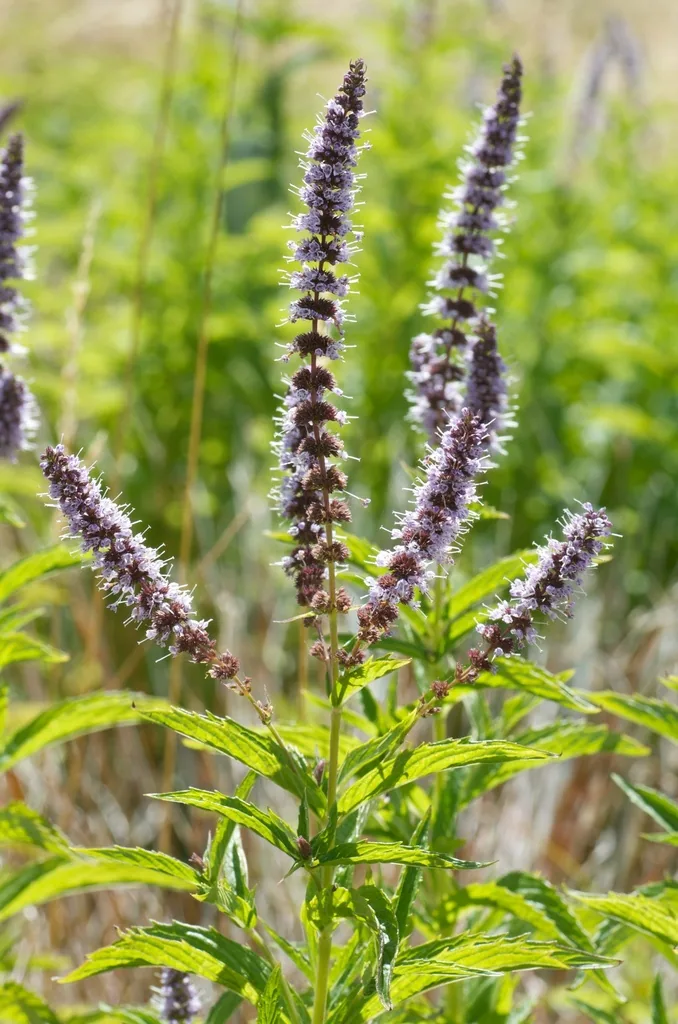
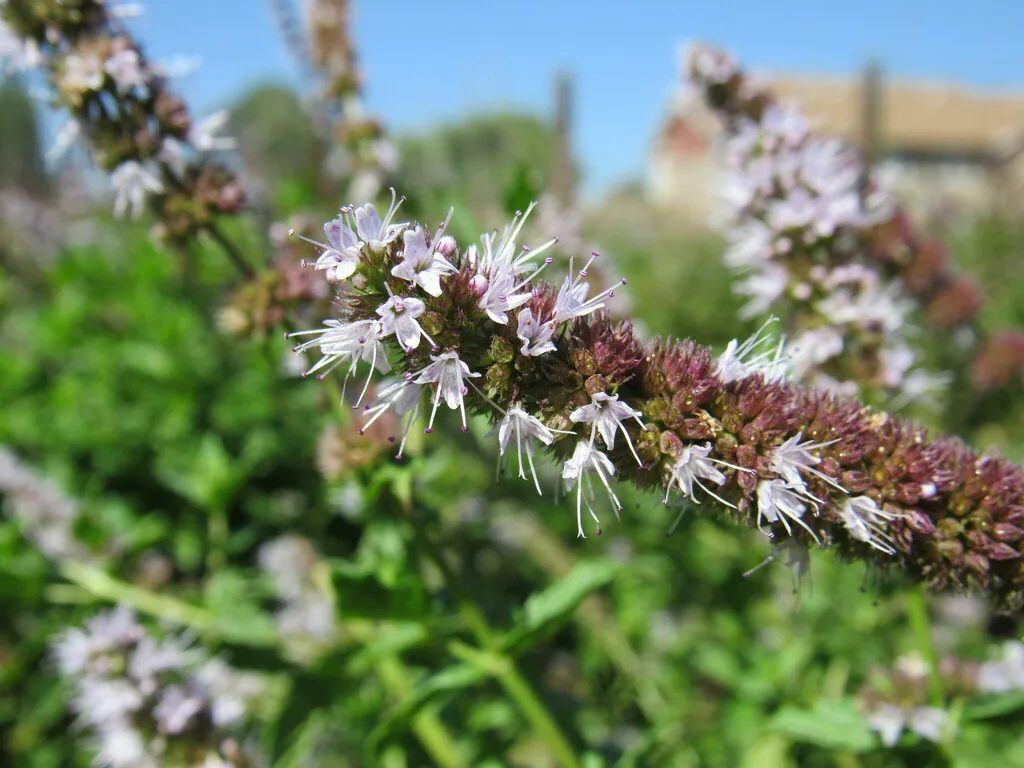
The small lilac, pink, or white flowers appear in terminal spikes in late summer and can be sheared after bloom to remove flower spikes and stimulate new vegetative growth.
— Mentha spicata (Garden Mint, Lamb Mint, Mint, Spearmint) | North Carolina Extension Gardener Plant Toolbox [1] - Cosecha
Coge hojas toda la temporada para infusiones y salsas; para secar, corta al empezar la floración
Qué dicen las fuentes (3)
Cosecha: Durante toda la temporada de crecimiento; para secar, corta justo cuando comienza la floración
Mint leaves can be harvested throughout the growing season.
— Growing Mint in the Home Garden | Yard and Garden [5] For drying, it is best to cut leaves just as flowering begins.
— Growing Mint in a Home Garden | University of Maryland Extension [4] Cómo cosechar: Recoge las hojas frescas y las puntas de los tallos con hojas en cualquier momento; para secar, corta las hojas justo cuando comienza la floración.
Pick the fresh leaves and leafy stem tips for use any time. For drying, it is best to cut leaves just as flowering begins.
— Growing Mint in a Home Garden | University of Maryland Extension [4] - Plagas
Pulgón y araña roja; roya y manchas en las hojas si las plantas están apiñadas
Qué dicen las fuentes (3)
Plagas: pulgones, arañitas rojas
Aphids, spider mites, and other minor pests may occasionally appear but rarely cause serious damage.
— Growing Mint in the Home Garden | Yard and Garden [5] Enfermedades: Roya, mancha foliar
Fungal diseases are common diseases in spearmint. Two main diseases are rust and leaf spot.
— Mentha spicata (Garden Mint, Lamb Mint, Mint, Spearmint) | North Carolina Extension Gardener Plant Toolbox [1] Fungal diseases such as rust and leaf spot occasionally occur, especially when plants are crowded or air circulation is poor.
— Growing Mint in the Home Garden | Yard and Garden [5] - Atención
Sus raíces invaden los arriates cercanos: cultívala en maceta, incluso enterrada en el suelo
- Tamaño
30–60 cm de alto y de ancho
Qué dicen las fuentes (3)
Altura adulta: 30-61 cm (1-2 pies)
This upright perennial thrives in full sun in organically rich, well-drained, moist soils growing quickly 1 to 2 feet high and wide with bright green leaves and shoots.
— Mentha spicata (Garden Mint, Lamb Mint, Mint, Spearmint) | North Carolina Extension Gardener Plant Toolbox [1] Spearmint ( Mentha spicata), along with peppermint, is the most commonly grown culinary mint. It has a sweet, mild flavor and is frequently used in teas, beverages, and savory dishes. 1-2 feet tall and hardy to USDA Hardiness Zone 5.
— Growing Mint in the Home Garden | Yard and Garden [5] Anchura adulta: 30-61 cm (1-2 pies)
This upright perennial thrives in full sun in organically rich, well-drained, moist soils growing quickly 1 to 2 feet high and wide with bright green leaves and shoots.
— Mentha spicata (Garden Mint, Lamb Mint, Mint, Spearmint) | North Carolina Extension Gardener Plant Toolbox [1] - Multiplicación
Divide la mata, haz esquejes de tallo o de raíz, o siembra semillas
Qué dicen las fuentes (2)
Propagación: División, esquejes de tallo, esquejes de raíz, semilla
Life Cycle: Perennial Recommended Propagation Strategy: Division Seed Stem Cutting
— Mentha spicata (Garden Mint, Lamb Mint, Mint, Spearmint) | North Carolina Extension Gardener Plant Toolbox [1] Mint is most commonly propagated by division, root cuttings, or stem cuttings.
— Growing Mint in the Home Garden | Yard and Garden [5] - Maceta
Va muy bien en maceta, que además evita que se extienda
Qué dicen las fuentes (2)
- Seguridad
Dañina para gatos, perros y caballos; en grandes cantidades provoca vómitos y diarrea
Resumen
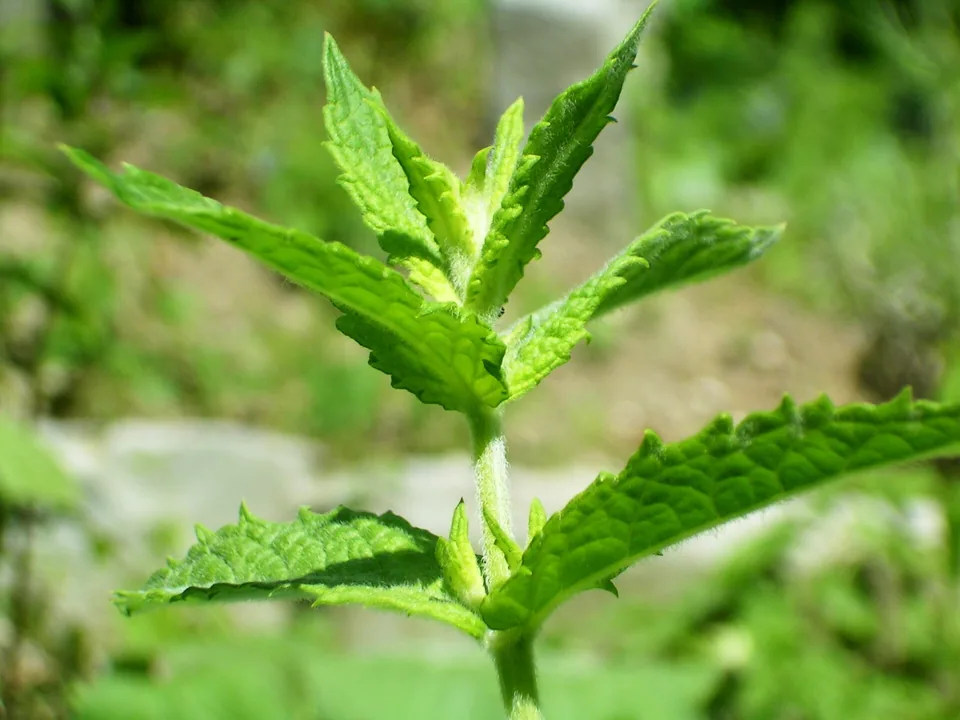
La hierbabuena es una hierba perenne aromática de la familia de la menta cultivada para uso culinario. [1] Prospera a pleno sol en suelos húmedos y bien drenados, pero tolera la semisombra. [1] Se propaga agresivamente y es mejor cultivarla en un contenedor. [1]
Citado en inglés, como en la fuente.
Esta ficha está incompleta: las fuentes consultadas aún no cubren todos los campos.
Aún no cubierto por nuestras fuentes: Siembra / Plantación
Cuidados
Riego
Riego
Prefiere condiciones constantemente húmedas; no le va bien en suelos secos
Qué dicen las fuentes (2)
Unlike many Mediterranean herbs, mint prefers consistently moist conditions and benefits from soils that retain some moisture.It does tolerate partial shade and a wide range of soil types, but does not do well in dry soils.Notas sobre el riego
Riega durante los períodos secos para mantener un crecimiento constante; las plantas en contenedores necesitan riego más frecuente; las condiciones calurosas y secas causan bordes de hoja marrones
Qué dicen las fuentes (3)
Water plants during dry periods to maintain steady growth and high-quality foliage.When grown in containers, plants require more frequent watering and occasional fertilization because nutrients are depleted more quickly than in garden soils.When temperatures are excessively warm and soil conditions dry, plants frequently develop brown leaf edges.Luz
Pleno sol a semisombra
Qué dicen las fuentes (2)
Light:
Full sun (6 or more hours of direct sunlight a day)
Partial Shade (Direct sunlight only part of the day, 2-6 hours)Spearmint grows best in a somewhat moist soil and full sun to part shade.Clima y frío
Rusticidad, zona más fría
Las fuentes dan valores distintos según la región, la zona o las condiciones de cultivo.
Lo que dice cada fuente
Según NC State Extension: 4a [mínima invernal de −34,4 a −31,7 °C (de −30 a −25 °F)]
Según Iowa State University Extension: 5 [mínima invernal de −28,9 a −23,3 °C (de −20 a −10 °F)]
Qué dicen las fuentes (2)
Según NC State Extension: USDA Plant Hardiness Zone:
4a, 4b, 5a, 5b, 6a, 6b, 7a, 7b, 8a, 8b, 9a, 9bSegún Iowa State University Extension: 1-2 feet tall and hardy to USDA Hardiness Zone 5.Rusticidad, zona más cálida
9b [mínima invernal de −3,9 a −1,1 °C (de 25 a 30 °F)]
Qué dicen las fuentes (1)
USDA Plant Hardiness Zone:
4a, 4b, 5a, 5b, 6a, 6b, 7a, 7b, 8a, 8b, 9a, 9bSuelo
pH del suelo, mínimo
6.0
Qué dicen las fuentes (1)
Soil pH:
Neutral (6.0-8.0)
Soil Drainage:
Good Drainage
MoistpH del suelo, máximo
8.0
Qué dicen las fuentes (1)
Soil pH:
Neutral (6.0-8.0)
Soil Drainage:
Good Drainage
MoistDónde cultivarla
En maceta
Sí
Qué dicen las fuentes (2)
Best grown in a container as it spreads rampantly.It is highly suggested that mints be grown in containers above ground.Distancia de plantación
45.7 cm (18 in)
Qué dicen las fuentes (1)
Spearmint grows best in a somewhat moist soil and full sun to part shade. It can be propagated by cuttings or division. Regular or frequent harvesting encourages bushy, full growth. Space plants 18 inches apart.Propagación
División, esquejes de tallo, esquejes de raíz, semilla
Qué dicen las fuentes (2)
Life Cycle:
Perennial
Recommended Propagation Strategy:
Division
Seed
Stem CuttingMint is most commonly propagated by division, root cuttings, or stem cuttings.Cultivo
La planta
Ciclo de vida
perenne
Qué dicen las fuentes (1)
This upright perennial thrives in full sun in organically rich, well-drained, moist soils growing quickly 1 to 2 feet high and wide with bright green leaves and shoots.Familia
Lamiaceae
Qué dicen las fuentes (1)
Spearmint is a flowering, aromatic herb or groundcover in the Lamiaceae (mint) family native to Europe.Altura adulta
30-61 cm (1-2 pies)
Qué dicen las fuentes (2)
This upright perennial thrives in full sun in organically rich, well-drained, moist soils growing quickly 1 to 2 feet high and wide with bright green leaves and shoots.Spearmint ( Mentha spicata), along with peppermint, is the most commonly grown culinary mint. It has a sweet, mild flavor and is frequently used in teas, beverages, and savory dishes. 1-2 feet tall and hardy to USDA Hardiness Zone 5.Anchura adulta
30-61 cm (1-2 pies)
Qué dicen las fuentes (1)
This upright perennial thrives in full sun in organically rich, well-drained, moist soils growing quickly 1 to 2 feet high and wide with bright green leaves and shoots.Cosecha y conservación
Cómo cosechar
Recoge las hojas frescas y las puntas de los tallos con hojas en cualquier momento; para secar, corta las hojas justo cuando comienza la floración.
Qué dicen las fuentes (1)
Pick the fresh leaves and leafy stem tips for use any time. For drying, it is best to cut leaves just as flowering begins.Conservación
La menta fresca se conserva en un vaso con agua durante varios días o refrigerada en bolsas de plástico hasta una semana; para almacenamiento a largo plazo, seca los tallos en un lugar cálido, oscuro y bien ventilado y guarda las hojas secas en recipientes herméticos, o congélalas.
Qué dicen las fuentes (2)
Fresh mint can be stored in a glass of water for several days or refrigerated in plastic bags for up to a week.For long-term storage, dry stems in a warm, dark, well-ventilated location and store the dried leaves in airtight containers. Mint also freezes well for later use.Plagas y enfermedades
Plagas
pulgones, arañitas rojas
Qué dicen las fuentes (1)
Aphids, spider mites, and other minor pests may occasionally appear but rarely cause serious damage.Enfermedades
Roya, mancha foliar
Qué dicen las fuentes (2)
Fungal diseases are common diseases in spearmint. Two main diseases are rust and leaf spot.Fungal diseases such as rust and leaf spot occasionally occur, especially when plants are crowded or air circulation is poor.Abonado
Frecuencia
Las fuentes dan valores distintos según la región, la zona o las condiciones de cultivo.
Lo que dice cada fuente
en contenedores: Fertilización ocasional, porque los nutrientes se agotan más rápido que en el suelo de jardín
Qué dicen las fuentes (1)
en contenedores: When grown in containers, plants require more frequent watering and occasional fertilization because nutrients are depleted more quickly than in garden soils.Problemas
Propagación agresiva
Síntoma: Los rizomas se propagan rápidamente hacia lechos y bordes cercanos.
Qué hacer: Cultiva en contenedores, espacios confinados o contenedores hundidos en el suelo con el borde por encima de la línea del suelo.
Qué dicen las fuentes (1)
The most common challenge with mint is its aggressive growth habit.
— Growing Mint in the Home Garden | Yard and Garden [5] Roya y mancha foliar
Síntoma: Las enfermedades fúngicas ocurren ocasionalmente, especialmente cuando las plantas están apiñadas o la circulación de aire es deficiente.
Qué hacer: El espaciado adecuado, la limpieza y la eliminación del follaje infectado ayudan a reducir los problemas de enfermedades.
Qué dicen las fuentes (1)
Fungal diseases such as rust and leaf spot occasionally occur, especially when plants are crowded or air circulation is poor.
— Growing Mint in the Home Garden | Yard and Garden [5]
Remedios
Cada remedio indica qué dicen las fuentes oficiales; los remedios tradicionales sin fuente oficial aparecen marcados. Los perjudiciales están para que sepas evitarlos.
Cuidar la planta
pulgones
fuerte chorro de agua Fuente oficial, sin prueba independiente
Cómo: Rocía las plantas resistentes con un chorro fuerte de agua para eliminar los pulgones de las hojas.
sturdy plants can be sprayed with a strong jet of water to knock aphids from leaves
— plantvillage.psu.edu [7] spray de jabón insecticida Funciona
spraying home remedies that contain dish detergent on plants on a sunny day can injure the plant, essentially burning it.
— extension.psu.edu [10] Cómo: Usa jabón insecticida en plagas de cuerpo blando como pulgones y arañitas rojas, con una cobertura completa de las hojas, especialmente el envés.
Insecticidal soap works well against soft-bodied pests like aphids and spider mites; be sure to get thorough coverage of the leaves, especially the undersides.
— cultivatedearth.com [8] Qué dicen las pruebas insecticidal soap is a safe, effective organic insecticide with minimal environmental impact.
— extension.psu.edu [9] spray de chile No verificado
Remedio tradicional, no verificado por una fuente oficial.
The pepper spray can be very potent if it gets on your skin or in your eyes.
— extension.psu.edu [10] Cómo: Rocía la planta con un spray de pimiento picante.
cochinillas harinosas
agua jabonosa en un hisopo de algodón No verificado
Remedio tradicional, no verificado por una fuente oficial.
spraying home remedies that contain dish detergent on plants on a sunny day can injure the plant, essentially burning it.
— extension.psu.edu [10] Cómo: Aplica agua jabonosa o alcohol isopropílico en las zonas afectadas con un hisopo de algodón, déjalo unas horas y luego limpia.
plagas de insectos
spray de aceite de neem No verificado
Remedio tradicional, no verificado por una fuente oficial.
Like all foliar sprays, do not apply during the heat of the day.
— plantfoodathome.com [11] Cómo: Rocía durante las horas más frescas para evitar dañar la menta.
siembra asociada con albahaca y caléndulas No verificado
Remedio tradicional, no verificado por una fuente oficial.
Cómo: Cultiva menta junto a hierbas que repelen plagas como la albahaca o cerca de caléndulas.
ácaros araña
rociado de ajo No verificado
Remedio tradicional, no verificado por una fuente oficial.
Cómo: Usa spray de ajo como medida preventiva, para repeler las plagas antes de que se asienten en la planta.
orugas medidoras
Recoge a mano en agua jabonosa No verificado
Remedio tradicional, no verificado por una fuente oficial.
Cómo: Retira las orugas medidoras a mano y échalas en un cubo de agua jabonosa.
gusanos cortadores
tierra de diatomeas No verificado
Remedio tradicional, no verificado por una fuente oficial.
Cómo: Crea una barrera protectora de tierra de diatomeas alrededor de la base de la planta.
roya
Tratamiento de raíces con agua caliente Fuente oficial, sin prueba independiente
Cómo: Sumerge las raíces en agua caliente a 44°C (111°F) durante 10 minutos, enfríalas con agua fría y luego planta como de costumbre.
heat treatment of roots may help to control the disease; roots should be immersed in hot water at 44°C (111°F) for 10 minutes, cooled using cool water and then planted as usual
— plantvillage.psu.edu [7]
Venenosa para los animales
Según la fuente, citada textualmente. No es un consejo médico ni veterinario: si una persona o un animal pudo haber ingerido esta planta, contacta con un centro de toxicología o con un veterinario.
Animales
Problems: Problem for Cats Problem for Dogs Problem for Horses Weedy
[1]La fuente señala el riesgo para este animal pero no explica por qué.
Personas
Calendario
Siembra
No figura en las fuentes consultadas.
Plantación
No figura en las fuentes consultadas.
Cosecha
Durante toda la temporada de crecimiento; para secar, corta justo cuando comienza la floración
Poda
Después de la floración (recorta para eliminar las espigas florales)
Qué dicen las fuentes (1)
The small lilac, pink, or white flowers appear in terminal spikes in late summer and can be sheared after bloom to remove flower spikes and stimulate new vegetative growth.Meses tal como los dan las fuentes, en su mayoría de Estados Unidos (hemisferio norte). En el hemisferio sur se desplazan unos seis meses.
Comestibilidad
Según la fuente, citada textualmente. No comas una planta basándote solo en esta página: los errores de identificación pueden ser peligrosos.
Valores orientativos
Valores de una fuente secundaria, no comprobados palabra por palabra como el resto de esta página. Úselos como punto de partida.
- Crecimiento
- AltaValor orientativo, adáptalo a tu clima · Fuente secundaria · Dato de la variedad Mentha spicata 'Kentucky Colonel'
Plantas similares
- Mastranzo Mentha suaveolens
- Menta poleo Mentha pulegium
- Peppermint Mentha piperita
- Menta silvestre Mentha arvensis
- Menta Selvatica Mentha longifolia
- Mentha cervina Mentha cervina
- Menta Mentha requienii
- Menta acuática Mentha aquatica
Fuentes
Cada valor anterior se cita de estos documentos. Los enlaces llevan al editor original.
- Mentha spicata (Garden Mint, Lamb Mint, Mint, Spearmint) | North Carolina Extension Gardener Plant Toolbox · plants.ces.ncsu.edu, consultado
- Garden Mint - Mentha spicata | North Carolina Extension Gardener Plant Toolbox · plants.ces.ncsu.edu, consultado
- Mint - Mentha spicata | North Carolina Extension Gardener Plant Toolbox · plants.ces.ncsu.edu, consultado
- Growing Mint in a Home Garden | University of Maryland Extension · extension.umd.edu, consultado
- Growing Mint in the Home Garden | Yard and Garden · yardandgarden.extension.iastate.edu, consultado
- Mint | Herbs | Illinois Extension | Illinois · extension.illinois.edu, consultado
- plantvillage.psu.edu · plantvillage.psu.edu
- cultivatedearth.com · cultivatedearth.com
- extension.psu.edu · extension.psu.edu
- extension.psu.edu · extension.psu.edu
- plantfoodathome.com · plantfoodathome.com
Escrito por Emilio Marruso · última revisión