

How to Grow and Care for Spearmint
Mentha spicata
Written by Emilio Marruso · last checked
Toxic to: Cats, Dogs, Horses, People · Why
At a glance
Mint is a generous herb for beginners: give it full sun or partial shade and soil that stays moist, and you can pick fresh leaves all season long. Use them in teas, cold drinks, sauces and jellies, or dry them for later. Just grow it in a container, because its roots spread fast into nearby beds.
- Sun
Full sun to partial shade
What the sources say (2)
Light: Full sun to partial shade
Light: Full sun (6 or more hours of direct sunlight a day) Partial Shade (Direct sunlight only part of the day, 2-6 hours)
— Mentha spicata (Garden Mint, Lamb Mint, Mint, Spearmint) | North Carolina Extension Gardener Plant Toolbox [1] Spearmint grows best in a somewhat moist soil and full sun to part shade.
— Growing Mint in a Home Garden | University of Maryland Extension [4] - Water
Keep the soil moist; water in dry spells, and more often in pots
What the sources say (5)
Watering: Prefers consistently moist conditions; does not do well in dry soils
Unlike many Mediterranean herbs, mint prefers consistently moist conditions and benefits from soils that retain some moisture.
— Growing Mint in the Home Garden | Yard and Garden [5] It does tolerate partial shade and a wide range of soil types, but does not do well in dry soils.
— Mentha spicata (Garden Mint, Lamb Mint, Mint, Spearmint) | North Carolina Extension Gardener Plant Toolbox [1] Watering notes: Water during dry periods to maintain steady growth; container plants need more frequent watering; hot, dry conditions cause brown leaf edges
Water plants during dry periods to maintain steady growth and high-quality foliage.
— Growing Mint in the Home Garden | Yard and Garden [5] When grown in containers, plants require more frequent watering and occasional fertilization because nutrients are depleted more quickly than in garden soils.
— Growing Mint in the Home Garden | Yard and Garden [5] When temperatures are excessively warm and soil conditions dry, plants frequently develop brown leaf edges.
— Growing Mint in the Home Garden | Yard and Garden [5] - Soil
Slightly acidic to alkaline soil, pH 6–8
What the sources say (2)
Soil pH, minimum: 6.0
Soil pH: Neutral (6.0-8.0) Soil Drainage: Good Drainage Moist
— Mentha spicata (Garden Mint, Lamb Mint, Mint, Spearmint) | North Carolina Extension Gardener Plant Toolbox [1] Soil pH, maximum: 8.0
Soil pH: Neutral (6.0-8.0) Soil Drainage: Good Drainage Moist
— Mentha spicata (Garden Mint, Lamb Mint, Mint, Spearmint) | North Carolina Extension Gardener Plant Toolbox [1] - Spacing
18 in between plants
What the sources say (1)
Spacing: 45.7 cm (18 in)
Spearmint grows best in a somewhat moist soil and full sun to part shade. It can be propagated by cuttings or division. Regular or frequent harvesting encourages bushy, full growth. Space plants 18 inches apart.
— Growing Mint in a Home Garden | University of Maryland Extension [4] - Pruning
After bloom, shear off the flower spikes
What the sources say (1)
Pruning: After bloom (shear to remove flower spikes)
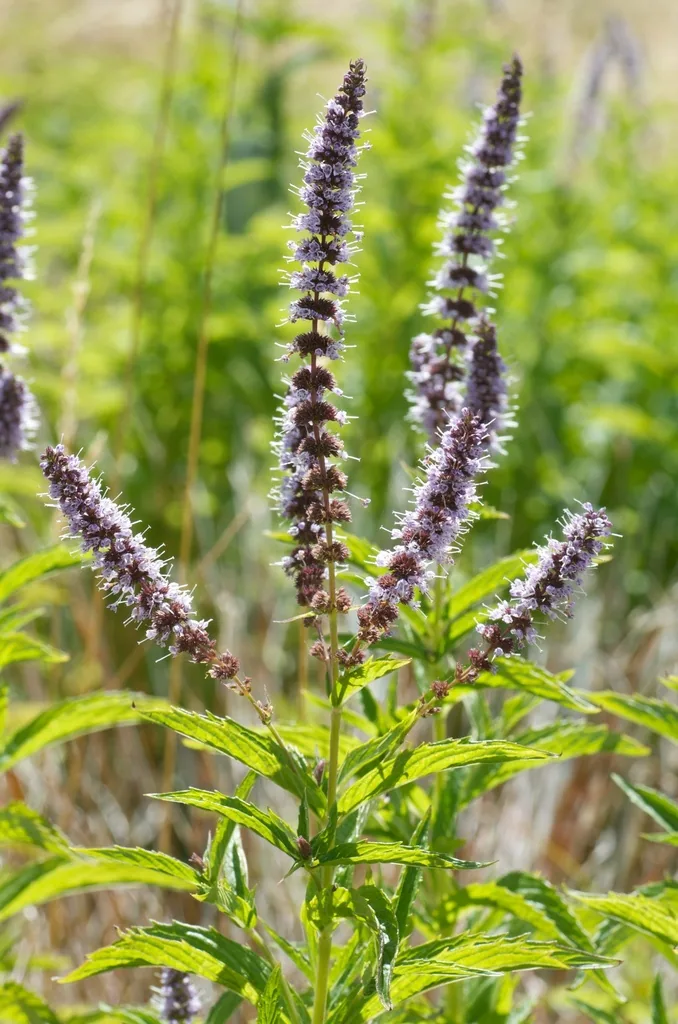
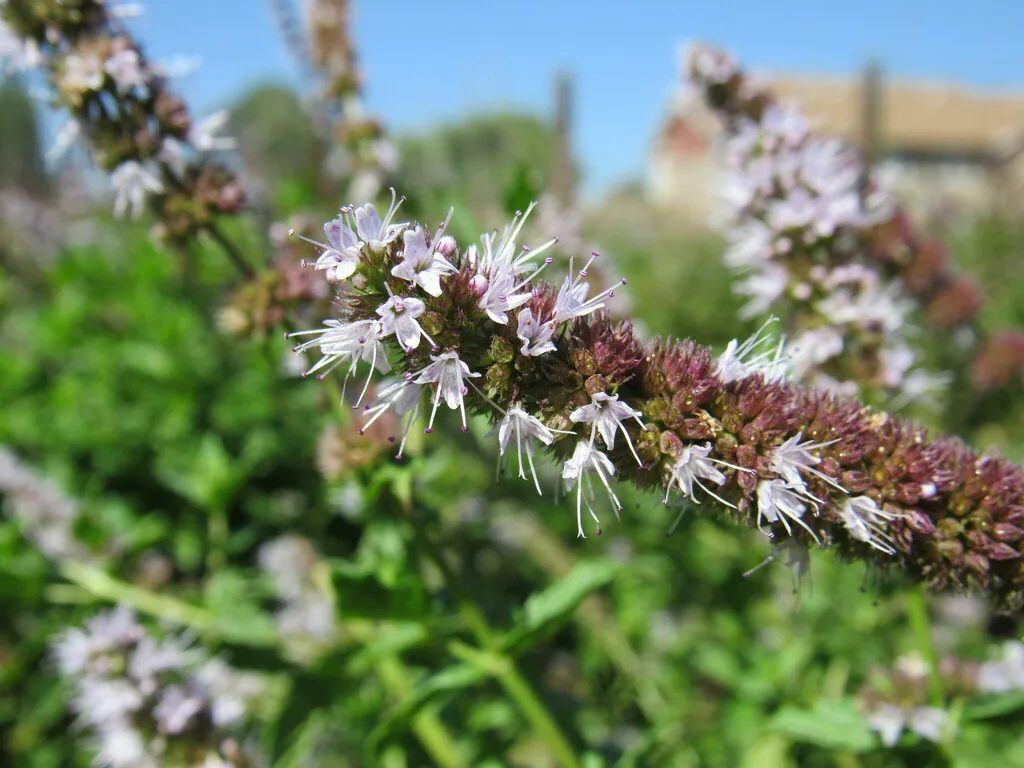
The small lilac, pink, or white flowers appear in terminal spikes in late summer and can be sheared after bloom to remove flower spikes and stimulate new vegetative growth.
— Mentha spicata (Garden Mint, Lamb Mint, Mint, Spearmint) | North Carolina Extension Gardener Plant Toolbox [1] - Harvest
Pick leaves all season for teas and sauces; to dry, cut just as flowering begins
What the sources say (3)
Harvest: Throughout the growing season; for drying, cut just as flowering begins
Mint leaves can be harvested throughout the growing season.
— Growing Mint in the Home Garden | Yard and Garden [5] For drying, it is best to cut leaves just as flowering begins.
— Growing Mint in a Home Garden | University of Maryland Extension [4] How to harvest: Pick the fresh leaves and leafy stem tips at any time; for drying, cut leaves just as flowering begins.
Pick the fresh leaves and leafy stem tips for use any time. For drying, it is best to cut leaves just as flowering begins.
— Growing Mint in a Home Garden | University of Maryland Extension [4] - Pests
Aphids and spider mites; rust and leaf spot when plants are crowded
What the sources say (3)
Pests: aphids, spider mites
Aphids, spider mites, and other minor pests may occasionally appear but rarely cause serious damage.
— Growing Mint in the Home Garden | Yard and Garden [5] Diseases: rust, leaf spot
Fungal diseases are common diseases in spearmint. Two main diseases are rust and leaf spot.
— Mentha spicata (Garden Mint, Lamb Mint, Mint, Spearmint) | North Carolina Extension Gardener Plant Toolbox [1] Fungal diseases such as rust and leaf spot occasionally occur, especially when plants are crowded or air circulation is poor.
— Growing Mint in the Home Garden | Yard and Garden [5] - Watch out
Its roots spread fast into nearby beds: grow it in a pot, even one sunk in the ground
- Size
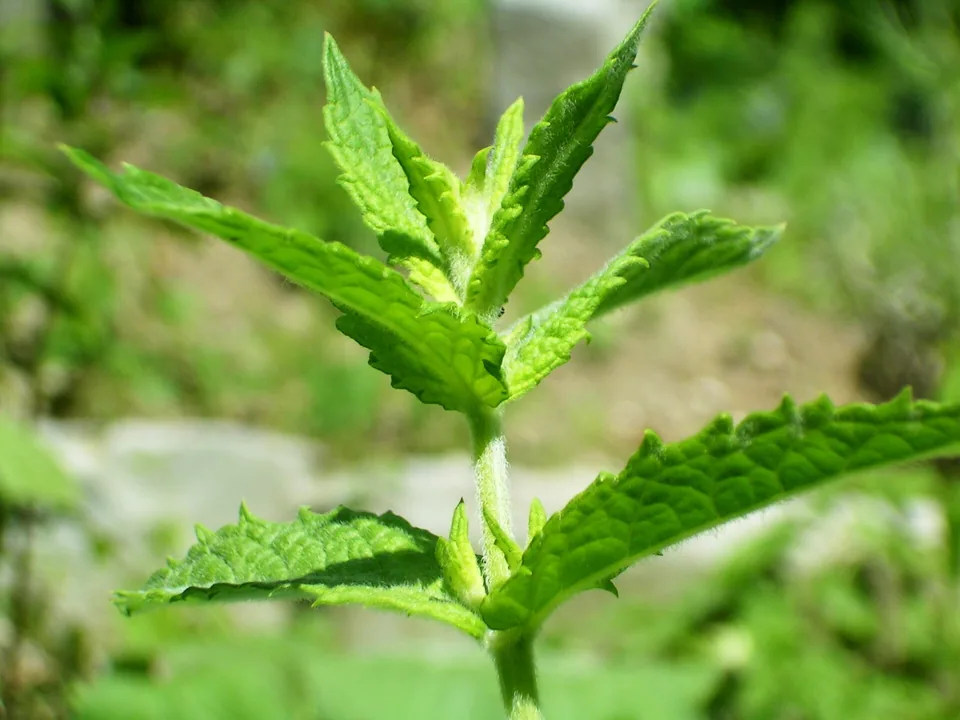
1–2 ft tall and wide
What the sources say (3)
Mature height: 30-61 cm (1-2 ft)
This upright perennial thrives in full sun in organically rich, well-drained, moist soils growing quickly 1 to 2 feet high and wide with bright green leaves and shoots.
— Mentha spicata (Garden Mint, Lamb Mint, Mint, Spearmint) | North Carolina Extension Gardener Plant Toolbox [1] Spearmint ( Mentha spicata), along with peppermint, is the most commonly grown culinary mint. It has a sweet, mild flavor and is frequently used in teas, beverages, and savory dishes. 1-2 feet tall and hardy to USDA Hardiness Zone 5.
— Growing Mint in the Home Garden | Yard and Garden [5] Mature width: 30-61 cm (1-2 ft)
This upright perennial thrives in full sun in organically rich, well-drained, moist soils growing quickly 1 to 2 feet high and wide with bright green leaves and shoots.
— Mentha spicata (Garden Mint, Lamb Mint, Mint, Spearmint) | North Carolina Extension Gardener Plant Toolbox [1] - Propagation
Divide the clump, take stem or root cuttings, or sow seed
What the sources say (2)
Propagation: Division, stem cuttings, root cuttings, seed
Life Cycle: Perennial Recommended Propagation Strategy: Division Seed Stem Cutting
— Mentha spicata (Garden Mint, Lamb Mint, Mint, Spearmint) | North Carolina Extension Gardener Plant Toolbox [1] Mint is most commonly propagated by division, root cuttings, or stem cuttings.
— Growing Mint in the Home Garden | Yard and Garden [5] - Containers
Great in containers, which also keep it from spreading
What the sources say (2)
In containers: Yes
Best grown in a container as it spreads rampantly.
— Mentha spicata (Garden Mint, Lamb Mint, Mint, Spearmint) | North Carolina Extension Gardener Plant Toolbox [1] It is highly suggested that mints be grown in containers above ground.
— Mint | Herbs | Illinois Extension | Illinois [6] - Safety
Harmful to cats, dogs and horses; large amounts can cause vomiting and diarrhea
Overview
Spearmint is an aromatic perennial herb of the mint family grown for culinary use. [1] It thrives in full sun in moist, well-drained soils but tolerates partial shade. [1] It spreads aggressively and is best grown in a container. [1]
This record is incomplete: the sources we read do not cover every field yet.
Not yet covered by our sources: Sowing / Planting
Spearmint care
How to water Spearmint
Watering
Prefers consistently moist conditions; does not do well in dry soils
What the sources say (2)
Unlike many Mediterranean herbs, mint prefers consistently moist conditions and benefits from soils that retain some moisture.It does tolerate partial shade and a wide range of soil types, but does not do well in dry soils.Watering notes
Water during dry periods to maintain steady growth; container plants need more frequent watering; hot, dry conditions cause brown leaf edges
What the sources say (3)
Water plants during dry periods to maintain steady growth and high-quality foliage.When grown in containers, plants require more frequent watering and occasional fertilization because nutrients are depleted more quickly than in garden soils.When temperatures are excessively warm and soil conditions dry, plants frequently develop brown leaf edges.How much light Spearmint needs
Full sun to partial shade
What the sources say (2)
Light:
Full sun (6 or more hours of direct sunlight a day)
Partial Shade (Direct sunlight only part of the day, 2-6 hours)Spearmint grows best in a somewhat moist soil and full sun to part shade.How much cold Spearmint can take
Hardiness, coldest zone
The sources give different values depending on region, zone or growing conditions.
What each source says
According to NC State Extension: 4a [winter low −34.4 to −31.7 °C (−30 to −25 °F)]
According to Iowa State University Extension: 5 [winter low −28.9 to −23.3 °C (−20 to −10 °F)]
What the sources say (2)
According to NC State Extension: USDA Plant Hardiness Zone:
4a, 4b, 5a, 5b, 6a, 6b, 7a, 7b, 8a, 8b, 9a, 9bAccording to Iowa State University Extension: 1-2 feet tall and hardy to USDA Hardiness Zone 5.Hardiness, warmest zone
9b [winter low −3.9 to −1.1 °C (25 to 30 °F)]
What the sources say (1)
USDA Plant Hardiness Zone:
4a, 4b, 5a, 5b, 6a, 6b, 7a, 7b, 8a, 8b, 9a, 9bBest soil for Spearmint
Soil pH, minimum
6.0
What the sources say (1)
Soil pH:
Neutral (6.0-8.0)
Soil Drainage:
Good Drainage
MoistSoil pH, maximum
8.0
What the sources say (1)
Soil pH:
Neutral (6.0-8.0)
Soil Drainage:
Good Drainage
MoistWhere to grow Spearmint
In containers
Yes
What the sources say (2)
Best grown in a container as it spreads rampantly.It is highly suggested that mints be grown in containers above ground.Spacing
45.7 cm (18 in)
What the sources say (1)
Spearmint grows best in a somewhat moist soil and full sun to part shade. It can be propagated by cuttings or division. Regular or frequent harvesting encourages bushy, full growth. Space plants 18 inches apart.How to propagate Spearmint
Division, stem cuttings, root cuttings, seed
What the sources say (2)
Life Cycle:
Perennial
Recommended Propagation Strategy:
Division
Seed
Stem CuttingMint is most commonly propagated by division, root cuttings, or stem cuttings.How to grow Spearmint
The plant
Life cycle
perennial
What the sources say (1)
This upright perennial thrives in full sun in organically rich, well-drained, moist soils growing quickly 1 to 2 feet high and wide with bright green leaves and shoots.Family
Lamiaceae
What the sources say (1)
Spearmint is a flowering, aromatic herb or groundcover in the Lamiaceae (mint) family native to Europe.Mature height
30-61 cm (1-2 ft)
What the sources say (2)
This upright perennial thrives in full sun in organically rich, well-drained, moist soils growing quickly 1 to 2 feet high and wide with bright green leaves and shoots.Spearmint ( Mentha spicata), along with peppermint, is the most commonly grown culinary mint. It has a sweet, mild flavor and is frequently used in teas, beverages, and savory dishes. 1-2 feet tall and hardy to USDA Hardiness Zone 5.Mature width
30-61 cm (1-2 ft)
What the sources say (1)
This upright perennial thrives in full sun in organically rich, well-drained, moist soils growing quickly 1 to 2 feet high and wide with bright green leaves and shoots.Harvest and storage
How to harvest
Pick the fresh leaves and leafy stem tips at any time; for drying, cut leaves just as flowering begins.
What the sources say (1)
Pick the fresh leaves and leafy stem tips for use any time. For drying, it is best to cut leaves just as flowering begins.Storage
Fresh mint keeps in a glass of water for several days or refrigerated in plastic bags for up to a week; for long-term storage, dry stems in a warm, dark, well-ventilated location and keep the dried leaves in airtight containers, or freeze.
What the sources say (2)
Fresh mint can be stored in a glass of water for several days or refrigerated in plastic bags for up to a week.For long-term storage, dry stems in a warm, dark, well-ventilated location and store the dried leaves in airtight containers. Mint also freezes well for later use.Pests and diseases
Pests
aphids, spider mites
What the sources say (1)
Aphids, spider mites, and other minor pests may occasionally appear but rarely cause serious damage.Diseases
rust, leaf spot
What the sources say (2)
Fungal diseases are common diseases in spearmint. Two main diseases are rust and leaf spot.Fungal diseases such as rust and leaf spot occasionally occur, especially when plants are crowded or air circulation is poor.Fertilizing
How often
The sources give different values depending on region, zone or growing conditions.
What each source says
in containers: Occasional fertilization, because nutrients are depleted faster than in garden soil
What the sources say (1)
in containers: When grown in containers, plants require more frequent watering and occasional fertilization because nutrients are depleted more quickly than in garden soils.Spearmint pests and problems
Aggressive spread
Symptom: Rhizomes spread rapidly into nearby beds and borders.
What to do: Grow in containers, confined spaces, or containers sunk in the ground with the edge above the soil line.
What the sources say (1)
The most common challenge with mint is its aggressive growth habit.
— Growing Mint in the Home Garden | Yard and Garden [5] Rust and leaf spot
Symptom: Fungal diseases occasionally occur, especially when plants are crowded or air circulation is poor.
What to do: Proper spacing, sanitation, and removal of infected foliage help reduce disease problems.
What the sources say (1)
Fungal diseases such as rust and leaf spot occasionally occur, especially when plants are crowded or air circulation is poor.
— Growing Mint in the Home Garden | Yard and Garden [5]
Remedies
Each remedy shows what official sources say about it; traditional remedies without an official source are marked as such. Harmful ones are listed so you know to avoid them.
Treating the plant
aphids
strong jet of water Official source, not independently tested
How: Spray sturdy plants with a strong jet of water to knock aphids from the leaves.
sturdy plants can be sprayed with a strong jet of water to knock aphids from leaves
— plantvillage.psu.edu [7] insecticidal soap spray Works
spraying home remedies that contain dish detergent on plants on a sunny day can injure the plant, essentially burning it.
— extension.psu.edu [10] How: Use insecticidal soap on soft-bodied pests like aphids and spider mites, with thorough coverage of the leaves, especially the undersides.
Insecticidal soap works well against soft-bodied pests like aphids and spider mites; be sure to get thorough coverage of the leaves, especially the undersides.
— cultivatedearth.com [8] What the evidence says insecticidal soap is a safe, effective organic insecticide with minimal environmental impact.
— extension.psu.edu [9] chile pepper spray Not verified
Traditional remedy, not verified by an official source.
The pepper spray can be very potent if it gets on your skin or in your eyes.
— extension.psu.edu [10] How: Spray the plant with a hot pepper spray.
mealybugs
soapy water on a cotton bud Not verified
Traditional remedy, not verified by an official source.
spraying home remedies that contain dish detergent on plants on a sunny day can injure the plant, essentially burning it.
— extension.psu.edu [10] How: Apply soapy water or rubbing alcohol to the affected areas with a cotton bud, leave it a few hours, then wash clean.
insect pests
neem oil spray Not verified
Traditional remedy, not verified by an official source.
Like all foliar sprays, do not apply during the heat of the day.
— plantfoodathome.com [11] How: Spray during the cooler hours to avoid harming the mint.
companion planting with basil and marigolds Not verified
Traditional remedy, not verified by an official source.
How: Grow mint alongside pest-repelling herbs like basil or nearby marigolds.
spider mites
garlic spray Not verified
Traditional remedy, not verified by an official source.
How: Use garlic spray as a preventive measure, to repel pests before they settle on the plant.
loopers
hand-picking into soapy water Not verified
Traditional remedy, not verified by an official source.
How: Remove the loopers by hand and drop them in a bucket of soapy water.
cutworms
diatomaceous earth Not verified
Traditional remedy, not verified by an official source.
How: Create a protective barrier of diatomaceous earth around the base of the plant.
rust
hot water root treatment Official source, not independently tested
How: Immerse the roots in hot water at 44°C (111°F) for 10 minutes, cool them with cool water, then plant as usual.
heat treatment of roots may help to control the disease; roots should be immersed in hot water at 44°C (111°F) for 10 minutes, cooled using cool water and then planted as usual
— plantvillage.psu.edu [7]
Is Spearmint toxic to pets?
Reported by the source, quoted verbatim. This is not medical or veterinary advice: if a person or an animal may have eaten this plant, contact a poison control centre or a veterinarian.
Animals
Problems: Problem for Cats Problem for Dogs Problem for Horses Weedy
[1]The source flags the risk for this animal but does not explain why.
People
Calendar
Sowing
Not stated in the sources we read.
Planting
Not stated in the sources we read.
Harvest
Throughout the growing season; for drying, cut just as flowering begins
Pruning
After bloom (shear to remove flower spikes)
What the sources say (1)
The small lilac, pink, or white flowers appear in terminal spikes in late summer and can be sheared after bloom to remove flower spikes and stimulate new vegetative growth.Months as given by the sources, which are mostly from the United States (northern hemisphere). In the southern hemisphere they shift by about six months.
Edibility
Reported by the source, quoted verbatim. Do not eat a plant on the basis of this page alone: identification mistakes can be dangerous.
Indicative values
Values from a secondary source, not checked word for word like the rest of this page. Use them as a starting point.
- Growth rate
- HighIndicative value, adapt it to your climate · Secondary source · Data for the variety Mentha spicata 'Kentucky Colonel'
Similar plants
- Apple mint Mentha suaveolens
- Pennyroyal Mentha pulegium
- Peppermint Mentha piperita
- Corn mint Mentha arvensis
- Horse mint Mentha longifolia
- Mentha cervina Mentha cervina
- Mint Mentha requienii
- Water mint Mentha aquatica
Sources
Every value above is quoted from these documents. Links lead to the original publisher.
- Mentha spicata (Garden Mint, Lamb Mint, Mint, Spearmint) | North Carolina Extension Gardener Plant Toolbox · plants.ces.ncsu.edu, consulted
- Garden Mint - Mentha spicata | North Carolina Extension Gardener Plant Toolbox · plants.ces.ncsu.edu, consulted
- Mint - Mentha spicata | North Carolina Extension Gardener Plant Toolbox · plants.ces.ncsu.edu, consulted
- Growing Mint in a Home Garden | University of Maryland Extension · extension.umd.edu, consulted
- Growing Mint in the Home Garden | Yard and Garden · yardandgarden.extension.iastate.edu, consulted
- Mint | Herbs | Illinois Extension | Illinois · extension.illinois.edu, consulted
- plantvillage.psu.edu · plantvillage.psu.edu
- cultivatedearth.com · cultivatedearth.com
- extension.psu.edu · extension.psu.edu
- extension.psu.edu · extension.psu.edu
- plantfoodathome.com · plantfoodathome.com
Written by Emilio Marruso · last checked