
How to Grow and Care for Mentha cervina
Mentha cervina
Written by Emilio Marruso · last checked
At a glance
This little mint grows just 2 to 12 inches tall, and its leaves carry a strong spearmint fragrance that makes a lovely herb tea. It grows happily in full sun or partial shade, as long as the soil never dries out. Start it from seed in spring in a cold frame, or divide a clump in spring or autumn.
- Sun
Full sun to partial shade
What the sources say (1)
Light: Full sun to partial shade
A sunny position is best for production of essential oils, but it succeeds in partial shade.
— Mentha cervina - Useful Temperate Plants [2] - Water
Never let the soil dry out: it does not tolerate drought
What the sources say (2)
Watering: Keep the soil from drying out; not drought tolerant
Succeeds in most soils and situations so long as the soil is not too dry[
— Mentha cervina - Useful Temperate Plants [2] acid, neutral, alkaline Tolerates Nutritionally Poor Soil No Drought intolerant
— Hart's Pennyroyal (Mentha cervina) — Practical Plants [3] - Planting
Plant seedlings out in summer; plant divisions in spring or autumn
What the sources say (2)
Planting: Seedlings planted out in summer; divisions best in spring or autumn
Prick out the seedlings into individual pots when they are large enough to handle and plant them out in the summer.
— Mentha cervina - Useful Temperate Plants [2] Division can be easily carried out at almost any time of the year, though it is probably best done in the spring or autumn to allow the plant to establish more quickly.
— Mentha cervina - Useful Temperate Plants [2] - Harvest
The leaves smell strongly of spearmint and make an herb tea
- Size
2 to 12 inches tall
What the sources say (1)
Mature height: 5-30 cm [2–12 in]
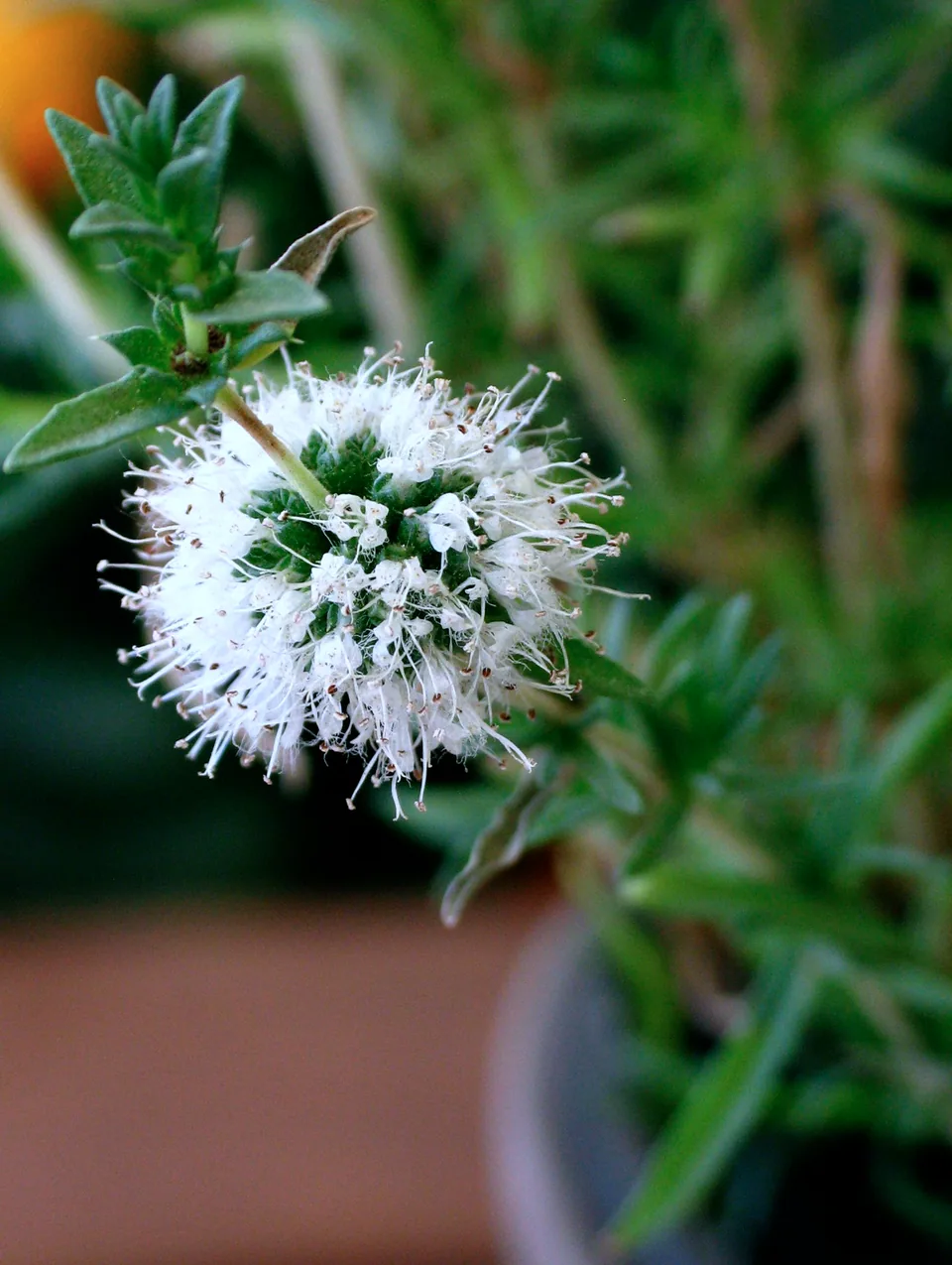
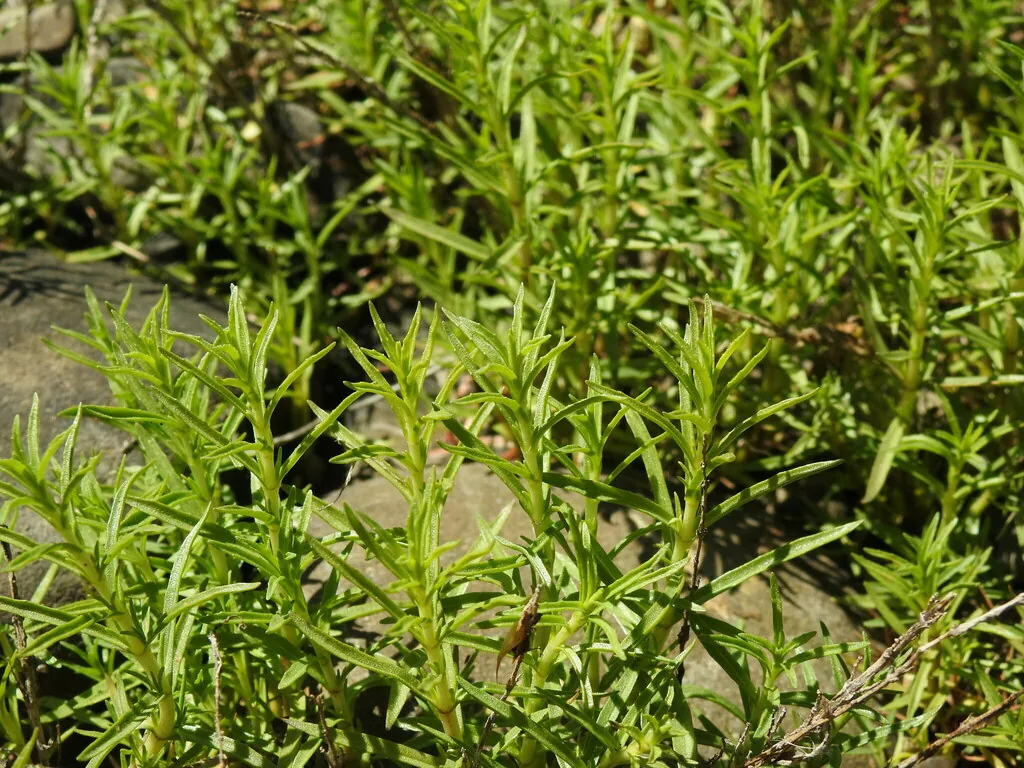
Low-growing herb (5-30 cm). Stems more or less glabrous. Leaves opposite, linear (less than 5 mm wide), and glabrous, with a rough central vein.
— Mentha cervina L. - Herbari Virtual del Mediterrani Occidental [1] - Propagation
Grow new plants from seed or by dividing a clump
- Sowing
Sow in spring in a cold frame
What the sources say (1)
Sowing: Spring, in a cold frame
Seed - sow spring in a cold frame. Germination is usually fairly quick.
— Mentha cervina - Useful Temperate Plants [2]
Overview
Mentha cervina (hart's pennyroyal) is a low perennial mint of damp places in the western Mediterranean, growing from a spreading rhizomatous rootstock. [2][1] It grows in most soils as long as they do not dry out, in sun or partial shade. [2] In Portugal it is used like pennyroyal as a seasoning and medicinal herb. [4]
This record is incomplete: the sources we read do not cover every field yet.
Not yet covered by our sources: Harvest
Mentha cervina care
How to water Mentha cervina
Keep the soil from drying out; not drought tolerant
How much light Mentha cervina needs
Full sun to partial shade
What the sources say (1)
A sunny position is best for production of essential oils, but it succeeds in partial shade.How to propagate Mentha cervina
How to grow Mentha cervina
The plant
Family
Lamiaceae (Labiatae)
What the sources say (1)
Family: LABIATAE (LAMIACEAE) Genus: Mentha Catalan common name: Menta de cérvol.Mature height
5-30 cm [2–12 in]
What the sources say (1)
Low-growing herb (5-30 cm). Stems more or less glabrous. Leaves opposite, linear (less than 5 mm wide), and glabrous, with a rough central vein.Remedies
The sources we checked give no remedies for this plant.
Calendar
Sowing
Spring, in a cold frame
What the sources say (1)
Seed - sow spring in a cold frame. Germination is usually fairly quick.Planting
Seedlings planted out in summer; divisions best in spring or autumn
What the sources say (2)
Prick out the seedlings into individual pots when they are large enough to handle and plant them out in the summer.Division can be easily carried out at almost any time of the year, though it is probably best done in the spring or autumn to allow the plant to establish more quickly.Harvest
Not stated in the sources we read.
Months as given by the sources, which are mostly from the United States (northern hemisphere). In the southern hemisphere they shift by about six months.
Edibility
Reported by the source, quoted verbatim. Do not eat a plant on the basis of this page alone: identification mistakes can be dangerous.
Indicative values
Values from a secondary source, not checked word for word like the rest of this page. Use them as a starting point.
- Life cycle
- Herbaceous PerennialIndicative value, adapt it to your climate · Secondary source
- Hours of sun
- 5-6 hoursIndicative value, adapt it to your climate · Secondary source
- Soil pH
- 6-7.5Indicative value, adapt it to your climate · Secondary source
- Care level
- MediumIndicative value, adapt it to your climate · Secondary source
- Growth rate
- LowIndicative value, adapt it to your climate · Secondary source
- Pruning
- March, April, MayIndicative value, adapt it to your climate · Secondary source
- Pests
- Deer resistant, Rabbit resistantIndicative value, adapt it to your climate · Secondary source
Similar plants
- Corn mint Mentha arvensis
- Horse mint Mentha longifolia
- Mint Mentha requienii
- Pennyroyal Mentha pulegium
- Peppermint Mentha piperita
- Spearmint Mentha spicata
- Water mint Mentha aquatica
- Apple mint Mentha suaveolens
Sources
Every value above is quoted from these documents. Links lead to the original publisher.
- Mentha cervina L. - Herbari Virtual del Mediterrani Occidental · herbarivirtual.uib.cat, consulted
- Mentha cervina - Useful Temperate Plants · temperate.theferns.info, consulted
- Hart's Pennyroyal (Mentha cervina) — Practical Plants · practicalplants.org, consulted
- HORTOFRUTICULTURA & FLORICULTURA · arquivo.pt, consulted
Written by Emilio Marruso · last checked