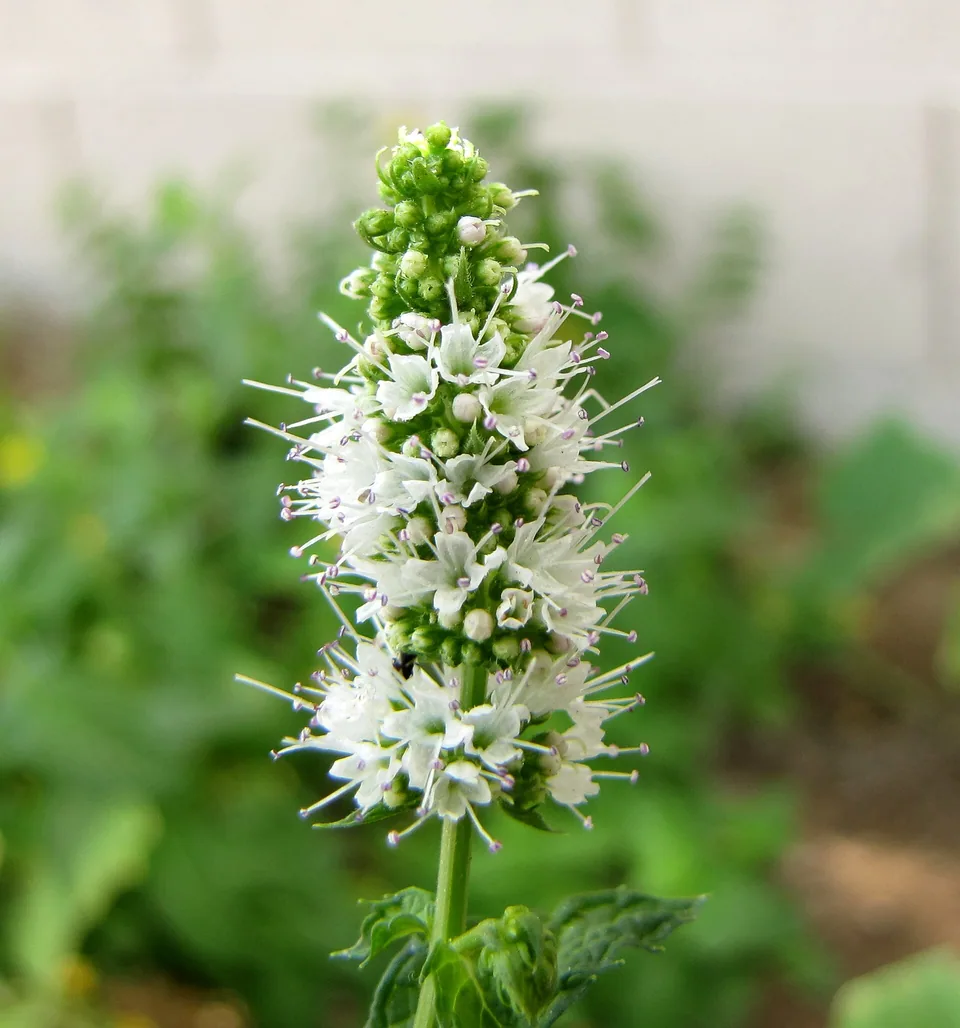
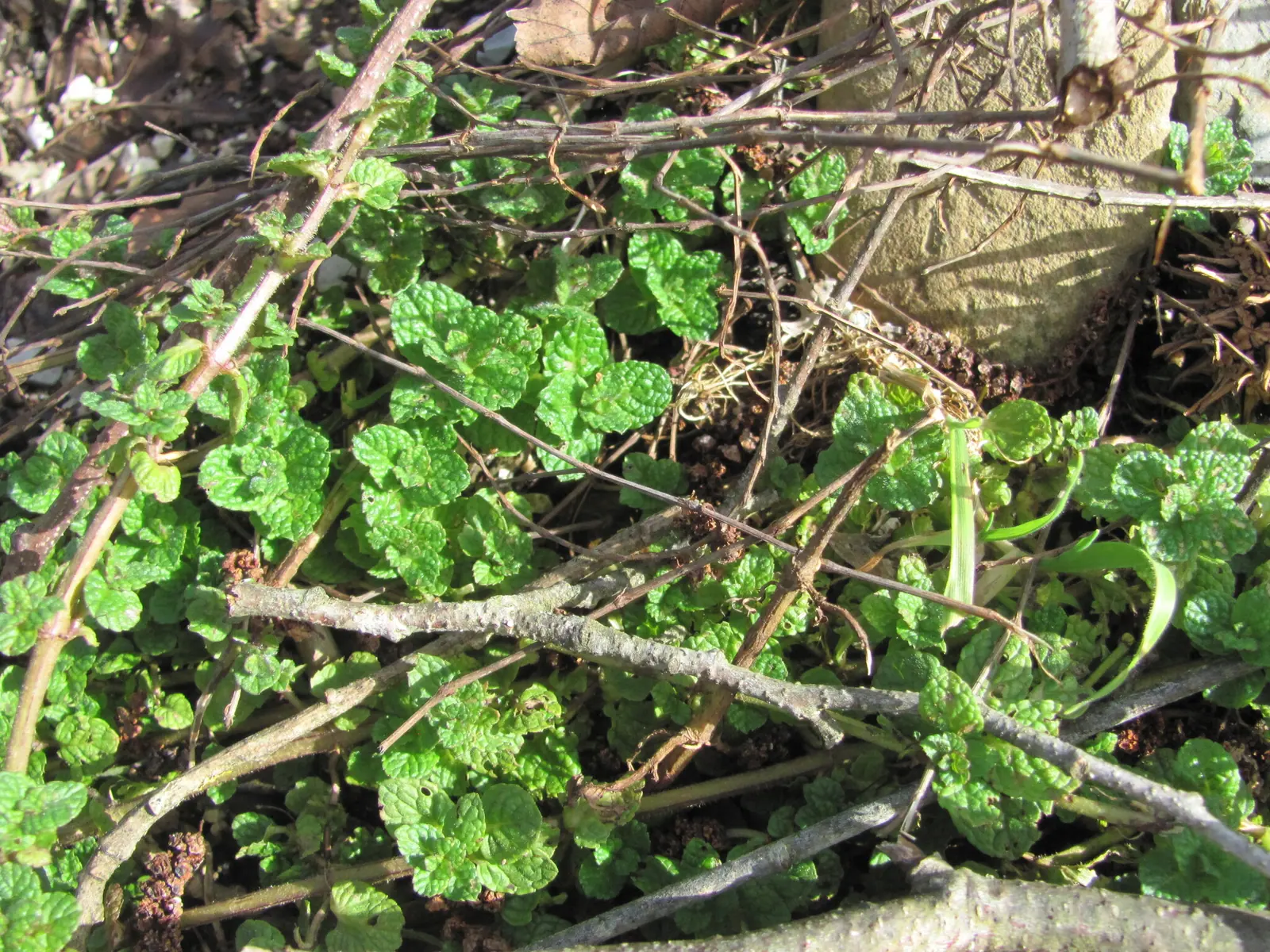

How to Grow and Care for Apple mint
Mentha suaveolens
Written by Emilio Marruso · last checked
Toxic to: Cats, Dogs, People · Why
At a glance
Apple mint is an easygoing perennial that thrives in full sun or partial shade, in soil kept constantly moist. Plant it in spring once the risk of frost has passed, and you can pick its leaves all season long, best just before flowering. Toss them into salads or cooked dishes for fresh flavor, and grow more plants from root divisions or stem cuttings.
- Sun
Full sun to partial shade
What the sources say (2)
Light: Full sun to partial shade
Exposure: | Full sun to partial shade | Soil Drainage: | Well-draining
— Tips for Growing Apple Mint | Gardener's Path [5] A sunny position is best for production of essential oils, but plants also succeed in partial shade.
— Mentha suaveolens - Useful Temperate Plants [7] - Water
Keep soil moist, not soggy; water in the morning when the top inch feels dry
What the sources say (4)
Watering: Keep the soil constantly moist (not soggy); water regularly, especially in summer
Apple mint needs its soil kept constantly moist. Not soggy – that could cause disease. Think Goldilocks: not too little, not too much, just right.
— Tips for Growing Apple Mint | Gardener's Path [5] Watering notes: Water in the morning; water again if the foliage wilts or the top inch of soil feels dry; mulch lightly to retain moisture
Starting the day with hydration by watering in the morning is ideal.
— Tips for Growing Apple Mint | Gardener's Path [5] If the foliage wilts or the top inch of soil feels dry, more water is needed.
— Tips for Growing Apple Mint | Gardener's Path [5] Mulching lightly around plants can also help to retain moisture.
— Tips for Growing Apple Mint | Gardener's Path [5] - Cold
Survives winters down to −20 °F (−28.9 °C)
Very hardy · USDA 5 · RHS H7 · Z5
What the sources say (2)
Hardiness, coldest zone: 5 [winter low −28.9 to −23.3 °C (−20 to −10 °F)]
Hardiness (USDA Zone): | 5-9 | Soil Type: | Loamy
— Tips for Growing Apple Mint | Gardener's Path [5] Hardiness, warmest zone: 9 [winter low −6.7 to −1.1 °C (20 to 30 °F)]
Hardiness (USDA Zone): | 5-9 | Soil Type: | Loamy
— Tips for Growing Apple Mint | Gardener's Path [5] - Soil
Slightly acidic to neutral soil, pH 6.0–7.0
What the sources say (2)
Soil pH, minimum: 6.0
A soil pH of 6.0 to 7.0 is ideal, along with a well-draining, loamy soil.
— Tips for Growing Apple Mint | Gardener's Path [5] Soil pH, maximum: 7.0
A soil pH of 6.0 to 7.0 is ideal, along with a well-draining, loamy soil.
— Tips for Growing Apple Mint | Gardener's Path [5] - Spacing
1–2 ft between plants
What the sources say (2)
Spacing: 30.5-61.0 cm (1-2 ft)
with a foot or two of space in between each plant.
— Tips for Growing Apple Mint | Gardener's Path [5] Spacing: | 1-2 feet | Companion Planting: | Fine or coarse-textured plants, broccoli, tomatoes | Planting Depth: | 1/4 inch (seeds)
— Tips for Growing Apple Mint | Gardener's Path [5] - Planting
Plant in spring, once the risk of frost has passed
What the sources say (1)
Planting: Spring, once the risk of frost has passed
When all risk of frost has passed, harden the plants off by gradually acclimatising them to outdoor conditions
— Mentha suaveolens | BBC Gardeners World Magazine [6] - Pruning
Cut it to the ground before the first hard freeze each winter
What the sources say (1)
Pruning: Cut to ground level before the first hard freeze each winter
Regardless of your growing objectives, cut them down to ground level before the first hard freeze each winter
— Tips for Growing Apple Mint | Gardener's Path [5] - Harvest
Pick leaves all season, best just before flowering; great in salads and cooked dishes
What the sources say (2)
Harvest: All season long once the plants leaf out; ideal just before flowering
Apple mint can be harvested all season long, as soon as the plants start to leaf out.
— Tips for Growing Apple Mint | Gardener's Path [5] Ideal harvest time is just before flowering, late in the morning
— Tips for Growing Apple Mint | Gardener's Path [5] - Size
Up to 3 ft tall
What the sources say (1)
Mature height: up to 90 cm [35 in]
Habit: Perennial herbaceous plant that can reach 90 cm in height.
— Mentha suaveolens Ehrh. – Giardino della Flora Appenninica [1] - Propagation
Divide the roots or take stem cuttings; plants from seed don't match the parent
What the sources say (2)
Propagation: Root division and stem cuttings; also seed (seedlings do not come true)
When it comes to vegetative propagation, the two best methods are via root division and stem cuttings.
— Tips for Growing Apple Mint | Gardener's Path [5] Mentha species are very prone to hybridisation and so the seed cannot be relied on to breed true.
— Mentha suaveolens - Useful Temperate Plants [7] - Safety
Can be toxic to cats and dogs; large amounts, especially the oil, are risky in pregnancy
Overview
A perennial herb native to Europe and the Mediterranean that grows in damp places such as meadows, ditches and springs. [2][1] It grows in full sun to partial shade in well-drained, moist soil and spreads vigorously by rhizomes, so it is usually contained in pots or sunken containers. [5][7] The leaves are eaten raw or cooked and used for herb tea. [7]
Apple mint care
How to water Apple mint
Watering
Keep the soil constantly moist (not soggy); water regularly, especially in summer
What the sources say (1)
Apple mint needs its soil kept constantly moist. Not soggy – that could cause disease. Think Goldilocks: not too little, not too much, just right.Watering notes
Water in the morning; water again if the foliage wilts or the top inch of soil feels dry; mulch lightly to retain moisture
What the sources say (3)
Starting the day with hydration by watering in the morning is ideal.If the foliage wilts or the top inch of soil feels dry, more water is needed.Mulching lightly around plants can also help to retain moisture.How much light Apple mint needs
Full sun to partial shade
How much cold Apple mint can take
Hardiness, coldest zone
5 [winter low −28.9 to −23.3 °C (−20 to −10 °F)]
What the sources say (1)
Hardiness (USDA Zone): | 5-9 | Soil Type: | LoamyHardiness, warmest zone
9 [winter low −6.7 to −1.1 °C (20 to 30 °F)]
What the sources say (1)
Hardiness (USDA Zone): | 5-9 | Soil Type: | LoamyBest soil for Apple mint
Soil pH, minimum
6.0
What the sources say (1)
A soil pH of 6.0 to 7.0 is ideal, along with a well-draining, loamy soil.Soil pH, maximum
7.0
What the sources say (1)
A soil pH of 6.0 to 7.0 is ideal, along with a well-draining, loamy soil.Where to grow Apple mint
30.5-61.0 cm (1-2 ft)
What the sources say (2)
with a foot or two of space in between each plant.Spacing: | 1-2 feet | Companion Planting: | Fine or coarse-textured plants, broccoli, tomatoes
| Planting Depth: | 1/4 inch (seeds)How to propagate Apple mint
Root division and stem cuttings; also seed (seedlings do not come true)
What the sources say (2)
When it comes to vegetative propagation, the two best methods are via root division and stem cuttings.Mentha species are very prone to hybridisation and so the seed cannot be relied on to breed true.How to grow Apple mint
The plant
Life cycle
perennial
Family
Lamiaceae
What the sources say (1)
Scientific name: Mentha suaveolens Ehrh. Common name: Apple Mint Family: LamiaceaeMature height
up to 90 cm [35 in]
What the sources say (1)
Habit: Perennial herbaceous plant that can reach 90 cm in height.Fertilizing
When
The sources give different values depending on region, zone or growing conditions.
What each source says
Mentha in general: Early spring, as growth resumes
What the sources say (1)
Mentha in general: One early spring application of a slow release, complete fertilizer incorporated into the soil will supply adequate nutrients for mint. Use one teaspoon of a 16-16-16 fertilizer per plant as growth resumes in the spring.How often
The sources give different values depending on region, zone or growing conditions.
What each source says
Mentha in general: One application per season
Mentha in general: One application per season
What the sources say (2)
Mentha in general: One early spring application of a slow release, complete fertilizer incorporated into the soil will supply adequate nutrients for mint.Mentha in general: If you choose to fertilize, follow the directions carefully; most of the time a single application of a slow-release fertilizer is enough for the season.Natural fertilizers
The sources give different values depending on region, zone or growing conditions.
What each source says
Mentha in general: Compost or rotted manure worked into the soil before planting
Mentha in general: Compost or rotted manure worked into the soil before planting
What the sources say (2)
Mentha in general: Mint will thrive in a rich, moist soil that receives full to partial sun. Add an inch or two of compost, peat moss or rotted manure before planting.Mentha in general: If you fertilize with compost, apply no more than 1 inch of well-composted organic matter per 100 square feet of garden area.Mineral fertilizers
The sources give different values depending on region, zone or growing conditions.
What each source says
Mentha in general: Slow-release complete fertilizer, 16-16-16, 4.9 mL per plant
What the sources say (1)
Mentha in general: One early spring application of a slow release, complete fertilizer incorporated into the soil will supply adequate nutrients for mint. Use one teaspoon of a 16-16-16 fertilizer per plant as growth resumes in the spring.Avoid
The sources give different values depending on region, zone or growing conditions.
What each source says
Mentha in general: Overwatering combined with heavy fertilizing, which promotes rust and lowers mint oil production; over-fertilizing
Mentha in general: Overwatering combined with heavy fertilizing, which promotes rust and lowers mint oil production; over-fertilizing
What the sources say (2)
Mentha in general: Use one teaspoon of a 16-16-16 fertilizer per plant as growth resumes in the spring. Over watering and fertilizing promotes rust and diminishes mint oil production.Mentha in general: Rotate planting areas, remove infected plants, and do not over fertilize plants.Remedies
The sources we checked give no remedies for this plant.
Is Apple mint toxic to pets?
Reported by the source, quoted verbatim. This is not medical or veterinary advice: if a person or an animal may have eaten this plant, contact a poison control centre or a veterinarian.
Animals
Mentha ‘Suaveolens’ can be toxic. Toxic to: Is known to attract Cats Cats Is known to attract Dogs
[6]The source flags the risk for this animal but does not explain why.
People
Although no records of toxicity have been seen for this species, large quantities of some members of this genus, especially when taken in the form of the extracted essential oil, can cause abortions so some caution is advised.
[7]- Toxic principle
especially when taken in the form of the extracted essential oil, can cause abortions
[7]
Calendar
Sowing
The sources give different values depending on region, zone or growing conditions.
What each source says
According to BBC Gardeners World: Spring to early summer, indoors or under glass
According to Useful Temperate Plants: Spring, in a cold frame
Planting
Spring, once the risk of frost has passed
What the sources say (1)
When all risk of frost has passed, harden the plants off by gradually acclimatising them to outdoor conditionsHarvest
All season long once the plants leaf out; ideal just before flowering
Pruning
Cut to ground level before the first hard freeze each winter
What the sources say (1)
Regardless of your growing objectives, cut them down to ground level before the first hard freeze each winterMonths as given by the sources, which are mostly from the United States (northern hemisphere). In the southern hemisphere they shift by about six months.
Edibility
Reported by the source, quoted verbatim. Do not eat a plant on the basis of this page alone: identification mistakes can be dangerous.
Used as a flavouring in salads or cooked foods
[7]
Indicative values
Values from a secondary source, not checked word for word like the rest of this page. Use them as a starting point.
- Care level
- MediumIndicative value, adapt it to your climate · Secondary source
- Growth rate
- LowIndicative value, adapt it to your climate · Secondary source
- Pests
- Pest resistant, Disease resistant, Deer resistant, Rabbit resistantIndicative value, adapt it to your climate · Secondary source
Similar plants
- Spearmint Mentha spicata
- Pennyroyal Mentha pulegium
- Peppermint Mentha piperita
- Mint Mentha requienii
- Corn mint Mentha arvensis
- Horse mint Mentha longifolia
- Mentha cervina Mentha cervina
- Water mint Mentha aquatica
Sources
Every value above is quoted from these documents. Links lead to the original publisher.
- Mentha suaveolens Ehrh. – Giardino della Flora Appenninica · giardinocapracotta.unimol.it, consulted
- Mentha suaveolens Ehrh. | Plants of the World Online | Kew Science · powo.science.kew.org, consulted
- Biodiversità in alcune specie del genere Mentha nel territorio dei Monti Nebrodi (Sicilia N-W). · fitforthem.unipa.it, consulted
- Apple Mint – Roots of Medicine · dsps.lib.uiowa.edu, consulted
- Tips for Growing Apple Mint | Gardener's Path · gardenerspath.com, consulted
- Mentha suaveolens | BBC Gardeners World Magazine · gardenersworld.com, consulted
- Mentha suaveolens - Useful Temperate Plants · temperate.theferns.info, consulted
- extension.usu.edu · extension.usu.edu
- ndsu.edu · ndsu.edu
Written by Emilio Marruso · last checked