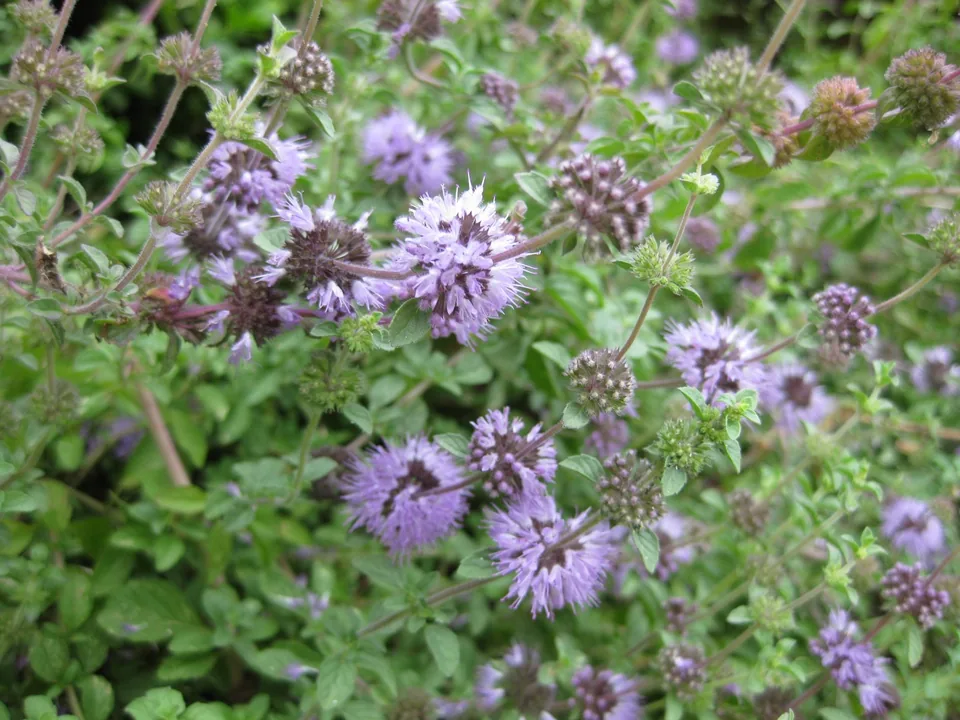
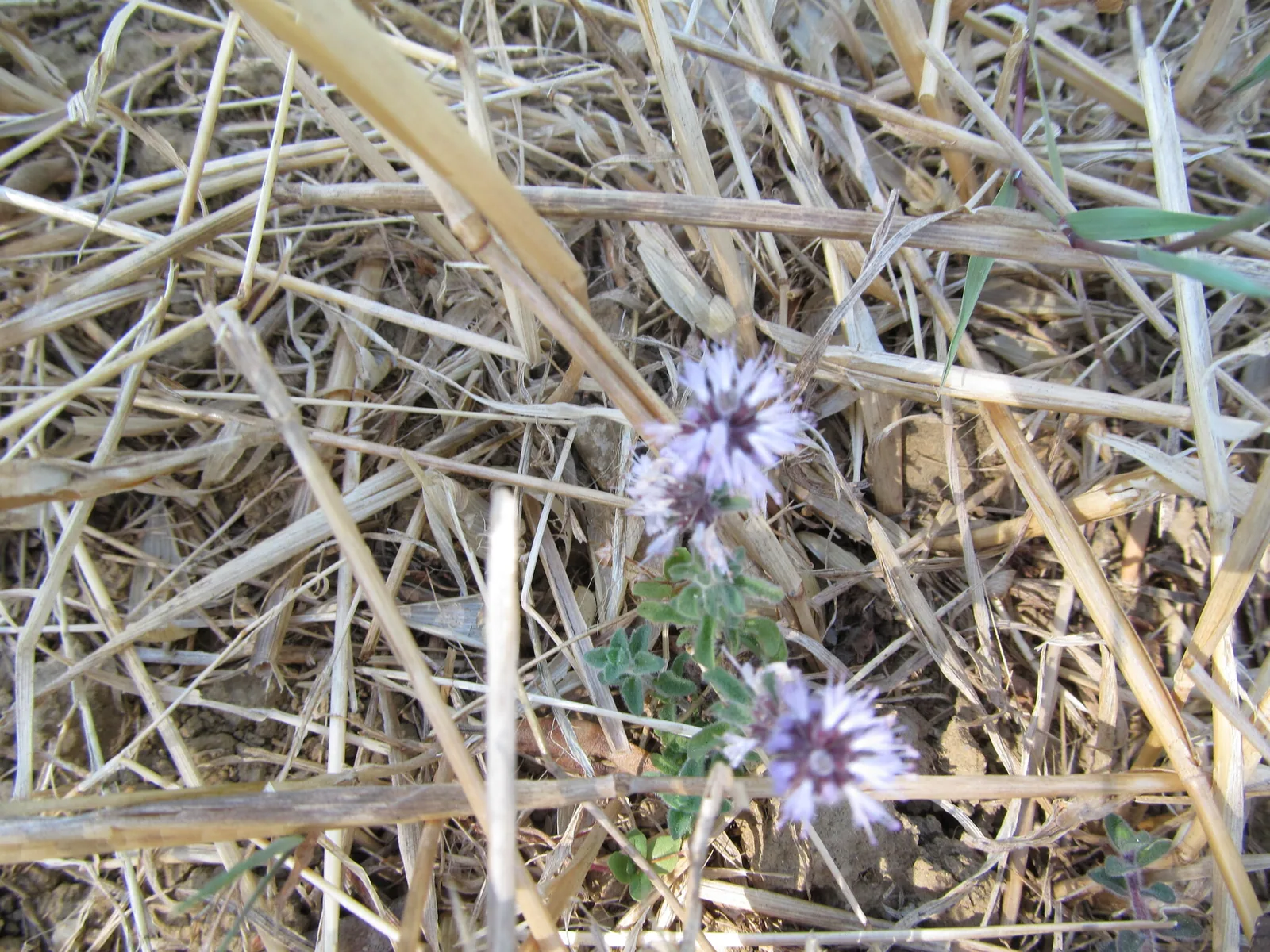

How to Grow and Care for Pennyroyal
Mentha pulegium
Written by Emilio Marruso · last checked
Toxic to: Cats, Dogs, Horses, People · Why
At a glance
Pennyroyal is a low, aromatic perennial mint that stays between 6 inches and 2 feet tall. Give it full sun or partial shade and keep the soil moist at all times, and you can start it from seed, division, cuttings or layering. It is happy in pots too, which is also the easiest way to keep its spreading habit in check.
- Sun
Full sun to partial shade
What the sources say (3)
Light: Full sun to partial shade
European pennyroyal can be grown in full sun to partial shade in USDA zones 5 to 9
— Pennyroyal Plant - Tips For Growing Pennyroyal | Gardening Know How [7] A sunny position is best for production of essential oils, but plants succeed in partial shade.
— Mentha pulegium - Useful Temperate Plants [4] European pennyroyal enjoys partial sunlight, but will tolerate full sun locations provided that the soil is consistently moistened.
— How to Grow European Pennyroyal (Mentha pulegium) - Gardening Channel [6] - Water
Keep the soil surface moist at all times; dry spells weaken it fast
What the sources say (4)
Watering: Keep the soil surface moist at all times
Provide European pennyroyal with regular waterings, keeping the surface of the soil moist at all times.
— How to Grow European Pennyroyal (Mentha pulegium) - Gardening Channel [6] pennyroyal is a moisture-loving plant, and does best when grown in damp conditions
— Mentha pulegium | BBC Gardeners World Magazine [3] Watering notes: Quickly diminished by dry conditions; potted plants must not dry out or become overheated
Plants are very quickly diminished by dry conditions
— Mentha pulegium - Useful Temperate Plants [4] Pay close attention to potted pennyroyal plants to ensure that they don’t dry out or become overheated.
— How to Grow European Pennyroyal (Mentha pulegium) - Gardening Channel [6] - Soil
Well-draining soil, slightly acidic to neutral, pH 5.5–7.0
What the sources say (2)
Soil pH, minimum: 5.5
European pennyroyal thrives in steadily moist, well-draining, loamy soil with a pH between 5.5 and 7.0.
— How to Grow European Pennyroyal (Mentha pulegium) - Gardening Channel [6] Soil pH, maximum: 7.0
European pennyroyal thrives in steadily moist, well-draining, loamy soil with a pH between 5.5 and 7.0.
— How to Grow European Pennyroyal (Mentha pulegium) - Gardening Channel [6] - Spacing
6 in between plants
What the sources say (1)
Spacing: 15.2 cm (6 in)
Sow or thin European pennyroyal six inches apart.
— How to Grow European Pennyroyal (Mentha pulegium) - Gardening Channel [6] - Planting
Plant out after all danger of frost has passed
What the sources say (2)
Planting: After all threat of frost has passed
According to Practical Plants (seedlings pricked out): Prick out the seedlings into individual pots when they are large enough to handle and plant them out in the summer.
— Pennyroyal (Mentha pulegium) — Practical Plants [5] Transplant seedlings outdoors after they develop a second set of “true” leaves and all threat of frost has passed in your area.
— How to Grow European Pennyroyal (Mentha pulegium) - Gardening Channel [6] - Pruning
Prune after flowering
What the sources say (1)
Pruning: After flowering
Cutting back pennyroyal after blooms die back helps keep the plants free of debris also.
— How to Grow European Pennyroyal (Mentha pulegium) - Gardening Channel [6] - Harvest
Cut it for drying as it comes into flower
What the sources say (1)
Harvest: As the plant comes into flower (for drying)
For drying, it should be harvested as the plant comes into flower
— Mentha pulegium - Useful Temperate Plants [4] - Pests
Powdery mildew and mint rust in crowded, wet, shady spots; give it sun and room
- Watch out
It spreads: grow it in planters or beds with firm borders
- Size
6 in to 2 ft tall
What the sources say (1)
Mature height: 15-60 cm [6–24 in]
Habit: Perennial herbaceous plant, 15–60 cm tall.
— Mentha pulegium L. subsp. pulegium – Giardino della Flora Appenninica [8] - Propagation
From seed, division, cuttings or layering
What the sources say (2)
Propagation: Seed; division; cuttings; layering
Pennyroyal can be propagated from seed, cuttings, or spring division .
— Pennyroyal Plant - Tips For Growing Pennyroyal | Gardening Know How [7] Propagating pennyroyal can be done by division, cuttings, or by layering.
— How to Grow European Pennyroyal (Mentha pulegium) - Gardening Channel [6] - Sowing
Sow in spring, outdoors after the last frost, or indoors
What the sources say (2)
Sowing: Spring, outdoors after the last frost (or indoors)
Plant seeds directly into the garden after the last frost of the spring or indoors in containers
— How to Grow European Pennyroyal (Mentha pulegium) - Gardening Channel [6] Seed - sow spring in a cold frame.
— Pennyroyal (Mentha pulegium) — Practical Plants [5] - Containers
Grows well in pots; never let them dry out or overheat
What the sources say (4)
In containers: Yes
Pennyroyal grows well in any sized container, and will even tolerate being root bound.
— How to Grow European Pennyroyal (Mentha pulegium) - Gardening Channel [6] European pennyroyal makes a wonderful trailing plant when grown in a hanging basket or at the edges of mixed color containers.
— Pennyroyal Plant - Tips For Growing Pennyroyal | Gardening Know How [7] Watering notes: Quickly diminished by dry conditions; potted plants must not dry out or become overheated
Plants are very quickly diminished by dry conditions
— Mentha pulegium - Useful Temperate Plants [4] Pay close attention to potted pennyroyal plants to ensure that they don’t dry out or become overheated.
— How to Grow European Pennyroyal (Mentha pulegium) - Gardening Channel [6] - Safety
Toxic to people, cats, dogs and horses: never swallow it; pregnant women must not use it
Overview
Pennyroyal is a low-growing, mint-scented creeping perennial that does best in damp conditions. [6][3] It grows in full sun to partial shade, spreads vigorously, and is propagated by seed, division, cuttings or layering. [7][6] Ingestion in large quantities is toxic because of its high pulegone content, and it should not be used by pregnant women. [8][4]
Pennyroyal care
How to water Pennyroyal
Watering
Keep the soil surface moist at all times
What the sources say (2)
Provide European pennyroyal with regular waterings, keeping the surface of the soil moist at all times.pennyroyal is a moisture-loving plant, and does best when grown in damp conditionsWatering notes
Quickly diminished by dry conditions; potted plants must not dry out or become overheated
What the sources say (2)
Plants are very quickly diminished by dry conditionsPay close attention to potted pennyroyal plants to ensure that they don’t dry out or become overheated.How much light Pennyroyal needs
Full sun to partial shade
What the sources say (3)
European pennyroyal can be grown in full sun to partial shade in USDA zones 5 to 9A sunny position is best for production of essential oils, but plants succeed in partial shade.European pennyroyal enjoys partial sunlight, but will tolerate full sun locations provided that the soil is consistently moistened.How much cold Pennyroyal can take
Hardiness, coldest zone
The sources give different values depending on region, zone or growing conditions.
What each source says
According to Gardening Know How: 5 [winter low −28.9 to −23.3 °C (−20 to −10 °F)]
According to Practical Plants: 7 [winter low −17.8 to −12.2 °C (0 to 10 °F)]
What the sources say (2)
According to Gardening Know How: European pennyroyal can be grown in full sun to partial shade in USDA zones 5 to 9According to Practical Plants: Water
moderate
Hardiness
Zone 7+Hardiness, warmest zone
9 [winter low −6.7 to −1.1 °C (20 to 30 °F)]
What the sources say (1)
European pennyroyal can be grown in full sun to partial shade in USDA zones 5 to 9Best soil for Pennyroyal
Soil pH, minimum
5.5
What the sources say (1)
European pennyroyal thrives in steadily moist, well-draining, loamy soil with a pH between 5.5 and 7.0.Soil pH, maximum
7.0
What the sources say (1)
European pennyroyal thrives in steadily moist, well-draining, loamy soil with a pH between 5.5 and 7.0.Where to grow Pennyroyal
In containers
Yes
What the sources say (2)
Pennyroyal grows well in any sized container, and will even tolerate being root bound.European pennyroyal makes a wonderful trailing plant when grown in a hanging basket or at the edges of mixed color containers.Spacing
15.2 cm (6 in)
What the sources say (1)
Sow or thin European pennyroyal six inches apart.How to propagate Pennyroyal
Seed; division; cuttings; layering
What the sources say (2)
Pennyroyal can be propagated from seed, cuttings, or spring division .Propagating pennyroyal can be done by division, cuttings, or by layering.How to grow Pennyroyal
The plant
Life cycle
perennial
What the sources say (1)
Habit: Perennial herbaceous plant, 15–60 cm tall.Family
Lamiaceae
What the sources say (1)
Common name:
Pennyroyal
Family:
Lamiaceae
Biological form:
Emicriptofita scaposaMature height
15-60 cm [6–24 in]
What the sources say (1)
Habit: Perennial herbaceous plant, 15–60 cm tall.Fertilizing
When
The sources give different values depending on region, zone or growing conditions.
What each source says
Mentha in general: Early spring, as growth resumes
What the sources say (1)
Mentha in general: One early spring application of a slow release, complete fertilizer incorporated into the soil will supply adequate nutrients for mint. Use one teaspoon of a 16-16-16 fertilizer per plant as growth resumes in the spring.How often
The sources give different values depending on region, zone or growing conditions.
What each source says
Mentha in general: One application per season
Mentha in general: One application per season
What the sources say (2)
Mentha in general: One early spring application of a slow release, complete fertilizer incorporated into the soil will supply adequate nutrients for mint.Mentha in general: If you choose to fertilize, follow the directions carefully; most of the time a single application of a slow-release fertilizer is enough for the season.Natural fertilizers
The sources give different values depending on region, zone or growing conditions.
What each source says
Mentha in general: Compost or rotted manure worked into the soil before planting
Mentha in general: Compost or rotted manure worked into the soil before planting
What the sources say (2)
Mentha in general: Mint will thrive in a rich, moist soil that receives full to partial sun. Add an inch or two of compost, peat moss or rotted manure before planting.Mentha in general: If you fertilize with compost, apply no more than 1 inch of well-composted organic matter per 100 square feet of garden area.Mineral fertilizers
The sources give different values depending on region, zone or growing conditions.
What each source says
Mentha in general: Slow-release complete fertilizer, 16-16-16, 4.9 mL per plant
What the sources say (1)
Mentha in general: One early spring application of a slow release, complete fertilizer incorporated into the soil will supply adequate nutrients for mint. Use one teaspoon of a 16-16-16 fertilizer per plant as growth resumes in the spring.Avoid
The sources give different values depending on region, zone or growing conditions.
What each source says
Mentha in general: Overwatering combined with heavy fertilizing, which promotes rust and lowers mint oil production; over-fertilizing
Mentha in general: Overwatering combined with heavy fertilizing, which promotes rust and lowers mint oil production; over-fertilizing
What the sources say (2)
Mentha in general: Use one teaspoon of a 16-16-16 fertilizer per plant as growth resumes in the spring. Over watering and fertilizing promotes rust and diminishes mint oil production.Mentha in general: Rotate planting areas, remove infected plants, and do not over fertilize plants.Pennyroyal pests and problems
Powdery mildew and mint rust
Symptom: Powdery mildew and mint rust in overcrowded, overly wet, shaded environments
What to do: Keep plants in well-draining soil, in locations with plenty of sun, and space them out for air circulation.
What the sources say (2)
Powdery mildew and mint rust can become a problem in environments like these.
— How to Grow European Pennyroyal (Mentha pulegium) - Gardening Channel [6] To prevent these diseases, keep your pennyroyal plants well-draining soil and in locations that receive plenty of sun.
— How to Grow European Pennyroyal (Mentha pulegium) - Gardening Channel [6] Invasive spreading
Symptom: European pennyroyal is somewhat invasive
What to do: Grow it in planters or in garden areas with well-established borders.
What the sources say (1)
European pennyroyal, unlike its counterpart, is somewhat invasive
— How to Grow European Pennyroyal (Mentha pulegium) - Gardening Channel [6]
Remedies
Each remedy shows what official sources say about it; traditional remedies without an official source are marked as such. Harmful ones are listed so you know to avoid them.
Treating the plant
powdery mildew
well-draining soil and full sun Not verified
Traditional remedy, not verified by an official source.
How: Keep the plants in well-draining soil and in locations that receive plenty of sun.
Getting rid of it
spreading
pull up rooting edges and trim Not verified
Traditional remedy, not verified by an official source.
How: Pull up the edges where it is rooting and spreading and trim as needed to keep it where you want it.
Is Pennyroyal toxic to pets?
Reported by the source, quoted verbatim. This is not medical or veterinary advice: if a person or an animal may have eaten this plant, contact a poison control centre or a veterinarian.
Animals
Mentha ‘Pulegium’ can be toxic. Toxic to:
[3]
People
Pennyroyal should never be ingested for any reason, due to its toxicity.
[6]In large quantities this plant, especially in the form of the extracted essential oil, can cause abortions so it should not be used by pregnant women
[4]- Toxic principle
In large quantities this plant, especially in the form of the extracted essential oil, can cause abortions
[4]
Calendar
Sowing
Spring, outdoors after the last frost (or indoors)
Planting
After all threat of frost has passed
What each source says
According to Practical Plants (seedlings pricked out): Summer
What the sources say (2)
According to Practical Plants (seedlings pricked out): Prick out the seedlings into individual pots when they are large enough to handle and plant them out in the summer.Transplant seedlings outdoors after they develop a second set of “true” leaves and all threat of frost has passed in your area.Harvest
As the plant comes into flower (for drying)
What the sources say (1)
For drying, it should be harvested as the plant comes into flowerPruning
After flowering
What the sources say (1)
Cutting back pennyroyal after blooms die back helps keep the plants free of debris also.Months as given by the sources, which are mostly from the United States (northern hemisphere). In the southern hemisphere they shift by about six months.
Edibility
Reported by the source, quoted verbatim. Do not eat a plant on the basis of this page alone: identification mistakes can be dangerous.
Similar plants
- Peppermint Mentha piperita
- Spearmint Mentha spicata
- Apple mint Mentha suaveolens
- Corn mint Mentha arvensis
- Horse mint Mentha longifolia
- Mentha cervina Mentha cervina
- Mint Mentha requienii
- Water mint Mentha aquatica
Sources
Every value above is quoted from these documents. Links lead to the original publisher.
- Mentha pulegium L. - Herbari Virtual del Mediterrani Occidental · herbarivirtual.uib.cat, consulted
- Ethnobotanical Plant Mentha pulegium | Dr. Duke's Phytochemical and Ethnobotanical Databases · phytochem.nal.usda.gov, consulted
- Mentha pulegium | BBC Gardeners World Magazine · gardenersworld.com, consulted
- Mentha pulegium - Useful Temperate Plants · temperate.theferns.info, consulted
- Pennyroyal (Mentha pulegium) — Practical Plants · practicalplants.org, consulted
- How to Grow European Pennyroyal (Mentha pulegium) - Gardening Channel · gardeningchannel.com, consulted
- Pennyroyal Plant - Tips For Growing Pennyroyal | Gardening Know How · gardeningknowhow.com, consulted
- Mentha pulegium L. subsp. pulegium – Giardino della Flora Appenninica · giardinocapracotta.unimol.it, consulted
- extension.usu.edu · extension.usu.edu
- ndsu.edu · ndsu.edu
Written by Emilio Marruso · last checked