
How to Grow and Care for Mint
Mentha requienii
Written by Emilio Marruso · last checked
Toxic to: People · Why
At a glance
This tiny mint packs a very strong peppermint-like aroma into its leaves, perfect for salads, cooked dishes, liqueurs and a soothing herb tea. It grows happily in full sun or part shade, as long as the soil stays moist but well drained. Pick the leaves as it comes into flower, and divide it in spring or fall for more plants.
- Sun
Full sun to part shade
What the sources say (2)
- Water
Keep the soil moist but well drained; never let it get too dry
What the sources say (2)
- Cold
Survives winters down to −10 °F (−23.3 °C)
Very hardy · USDA 6 · RHS H7 · Z6
What the sources say (1)
Hardiness, coldest zone: 6 [winter low −23.3 to −17.8 °C (−10 to 0 °F)]
Light full sun Shade tolerance light shade Water moderate Hardiness Zone 6+
— Corsican Mint (Mentha requienii) — Practical Plants [2] - Planting
Plant seedlings out in summer; divisions over 1 inch can go in almost any time of year
What the sources say (2)
Planting: Summer (seedlings pricked out and planted out); divisions larger than 3 cm [1.2 in] planted direct at almost any time of year
plant them out in the summer. Mentha species are very prone to hybridisation
— Mentha requienii - Useful Temperate Plants [1] Division can be easily carried out at almost any time of the year
— Mentha requienii - Useful Temperate Plants [1] - Harvest
Pick as it starts to flower; use the leaves in salads, cooking or tea
What the sources say (1)
Harvest: As the plant comes into flower
The leaves are harvested as the plant comes into flower and can be dried for later use
— Mentha requienii - Useful Temperate Plants [1] - Propagation
Divide it, best in spring or fall; plants from seed may not match the parent
What the sources say (2)
Propagation: Seed (sown in a cold frame, does not breed true); division, best in spring or autumn
When growing plants with a particular aroma it is best to propagate them by division
— Mentha requienii - Useful Temperate Plants [1] though it is probably best done in the spring or autumn to allow the plant to establish more quickly
— Mentha requienii - Useful Temperate Plants [1] - Sowing
Sow in spring in a cold frame
What the sources say (1)
Sowing: Spring (in a cold frame)
Seed - sow spring in a cold frame. Germination is usually fairly quick.
— Mentha requienii - Useful Temperate Plants [1] - Safety
Fine in small amounts; its oil is toxic in large doses, so take care if pregnant
Overview
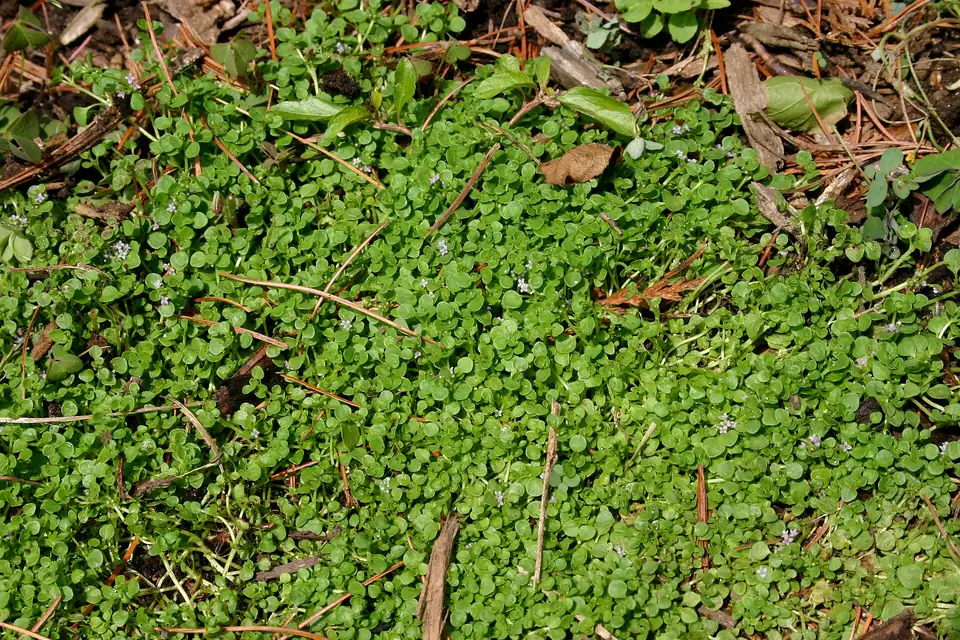
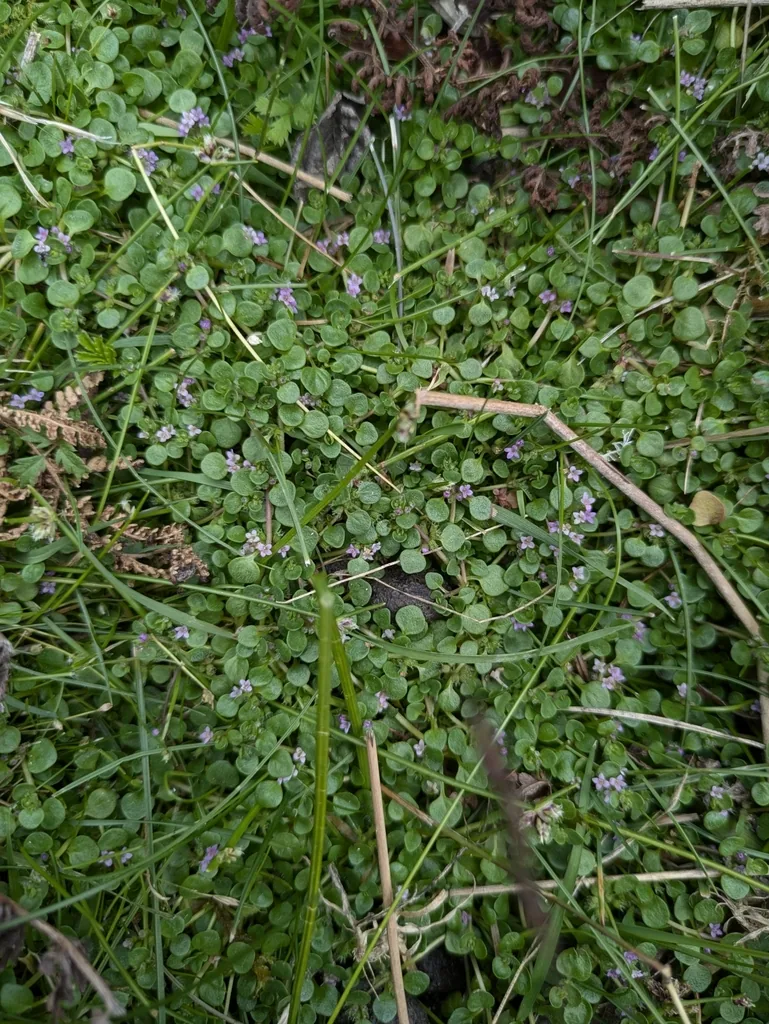
Corsican mint is a low, very aromatic perennial with creeping stems that root at the nodes and form a mat. [1] It prefers moist, well-drained soil in full sun to part shade and is fairly tolerant of being walked on. [1] The leaves are used as a flavouring and for herb tea. [1]
Mint care
Measurements in square brackets are our conversion into the other unit system; the quoted text is unchanged.
How to water Mint
Moist but well-drained soil; not too dry
How much light Mint needs
Full sun to part shade
How much cold Mint can take
6 [winter low −23.3 to −17.8 °C (−10 to 0 °F)]
What the sources say (1)
Light
full sun
Shade tolerance
light shade
Water
moderate
Hardiness
Zone 6+How to propagate Mint
Seed (sown in a cold frame, does not breed true); division, best in spring or autumn
What the sources say (2)
When growing plants with a particular aroma it is best to propagate them by divisionthough it is probably best done in the spring or autumn to allow the plant to establish more quicklyHow to grow Mint
Fertilizing
When
The sources give different values depending on region, zone or growing conditions.
What each source says
Mentha in general: Early spring, as growth resumes
What the sources say (1)
Mentha in general: One early spring application of a slow release, complete fertilizer incorporated into the soil will supply adequate nutrients for mint. Use one teaspoon of a 16-16-16 fertilizer per plant as growth resumes in the spring.How often
The sources give different values depending on region, zone or growing conditions.
What each source says
Mentha in general: One application per season
Mentha in general: One application per season
What the sources say (2)
Mentha in general: One early spring application of a slow release, complete fertilizer incorporated into the soil will supply adequate nutrients for mint.Mentha in general: If you choose to fertilize, follow the directions carefully; most of the time a single application of a slow-release fertilizer is enough for the season.Natural fertilizers
The sources give different values depending on region, zone or growing conditions.
What each source says
Mentha in general: Compost or rotted manure worked into the soil before planting
Mentha in general: Compost or rotted manure worked into the soil before planting
What the sources say (2)
Mentha in general: Mint will thrive in a rich, moist soil that receives full to partial sun. Add an inch or two of compost, peat moss or rotted manure before planting.Mentha in general: If you fertilize with compost, apply no more than 1 inch of well-composted organic matter per 100 square feet of garden area.Mineral fertilizers
The sources give different values depending on region, zone or growing conditions.
What each source says
Mentha in general: Slow-release complete fertilizer, 16-16-16, 4.9 mL per plant
What the sources say (1)
Mentha in general: One early spring application of a slow release, complete fertilizer incorporated into the soil will supply adequate nutrients for mint. Use one teaspoon of a 16-16-16 fertilizer per plant as growth resumes in the spring.Avoid
The sources give different values depending on region, zone or growing conditions.
What each source says
Mentha in general: Overwatering combined with heavy fertilizing, which promotes rust and lowers mint oil production; over-fertilizing
Mentha in general: Overwatering combined with heavy fertilizing, which promotes rust and lowers mint oil production; over-fertilizing
What the sources say (2)
Mentha in general: Use one teaspoon of a 16-16-16 fertilizer per plant as growth resumes in the spring. Over watering and fertilizing promotes rust and diminishes mint oil production.Mentha in general: Rotate planting areas, remove infected plants, and do not over fertilize plants.Remedies
Each remedy shows what official sources say about it; traditional remedies without an official source are marked as such. Harmful ones are listed so you know to avoid them.
Treating the plant
aphids
pruning out infested shoots Official source, not independently tested
How: If aphid population is limited to just a few leaves or shoots then the infestation can be pruned out to provide control
If aphid population is limited to just a few leaves or shoots then the infestation can be pruned out to provide control
— plantvillage.psu.edu [5] strong jet of water Official source, not independently tested
How: sturdy plants can be sprayed with a strong jet of water to knock aphids from leaves
sturdy plants can be sprayed with a strong jet of water to knock aphids from leaves
— plantvillage.psu.edu [5] insecticidal soap or neem oil spray Works
always check the labels of the products for specific usage guidelines prior to use
— plantvillage.psu.edu [5] How: insecticidal soaps or oils such as neem or canola oil are usually the best method of control
insecticidal soaps or oils such as neem or canola oil are usually the best method of control; always check the labels of the products for specific usage guidelines prior to use
— plantvillage.psu.edu [5] What the evidence says insecticidal soaps or oils such as neem or canola oil are usually the best method of control
— plantvillage.psu.edu [5]
spider mites
strong jet of water Partly works
How: In the home garden, spraying plants with a strong jet of water can help reduce buildup of spider mite populations
In the home garden, spraying plants with a strong jet of water can help reduce buildup of spider mite populations
— plantvillage.psu.edu [5] What the evidence says spraying plants with a strong jet of water can help reduce buildup of spider mite populations
— plantvillage.psu.edu [5] insecticidal soap Official source, not independently tested
How: if mites become problematic apply insecticidal soap to plants
if mites become problematic apply insecticidal soap to plants
— plantvillage.psu.edu [5]
mint rust
hot water root treatment Partly works
How: roots should be immersed in hot water at 44°C (111°F) for 10 minutes, cooled using cool water and then planted as usual
heat treatment of roots may help to control the disease; roots should be immersed in hot water at 44°C (111°F) for 10 minutes, cooled using cool water and then planted as usual
— plantvillage.psu.edu [5] What the evidence says heat treatment of roots may help to control the disease
— plantvillage.psu.edu [5]
Is Mint poisonous?
Reported by the source, quoted verbatim. This is not medical or veterinary advice: if a person or an animal may have eaten this plant, contact a poison control centre or a veterinarian.
Although no records of toxicity have been seen for this species, large quantities of some members of this genus, especially when taken in the form of the extracted essential oil, can cause abortions so some caution is advised
[1]- Toxic principle
especially when taken in the form of the extracted essential oil, can cause abortions
[1]
The essential oil in the leaves is antiseptic, though it is toxic in large doses
[2]- Toxic principle
The essential oil in the leaves is antiseptic, though it is toxic in large doses
[2]
Calendar
Sowing
Spring (in a cold frame)
What the sources say (1)
Seed - sow spring in a cold frame. Germination is usually fairly quick.Planting
Summer (seedlings pricked out and planted out); divisions larger than 3 cm [1.2 in] planted direct at almost any time of year
Harvest
As the plant comes into flower
What the sources say (1)
The leaves are harvested as the plant comes into flower and can be dried for later useMonths as given by the sources, which are mostly from the United States (northern hemisphere). In the southern hemisphere they shift by about six months.
Edibility
Reported by the source, quoted verbatim. Do not eat a plant on the basis of this page alone: identification mistakes can be dangerous.
Similar plants
- Apple mint Mentha suaveolens
- Corn mint Mentha arvensis
- Horse mint Mentha longifolia
- Mentha cervina Mentha cervina
- Pennyroyal Mentha pulegium
- Peppermint Mentha piperita
- Spearmint Mentha spicata
- Water mint Mentha aquatica
Sources
Every value above is quoted from these documents. Links lead to the original publisher.
- Mentha requienii - Useful Temperate Plants · temperate.theferns.info, consulted
- Corsican Mint (Mentha requienii) — Practical Plants · practicalplants.org, consulted
- extension.usu.edu · extension.usu.edu
- ndsu.edu · ndsu.edu
- plantvillage.psu.edu · plantvillage.psu.edu
Written by Emilio Marruso · last checked