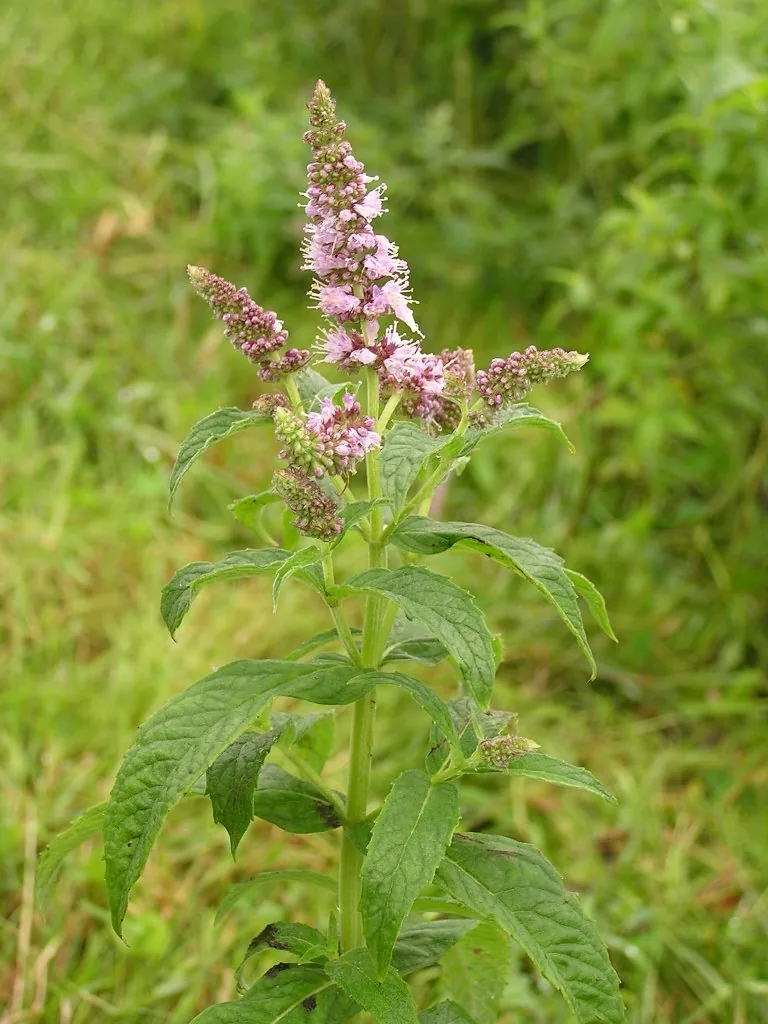
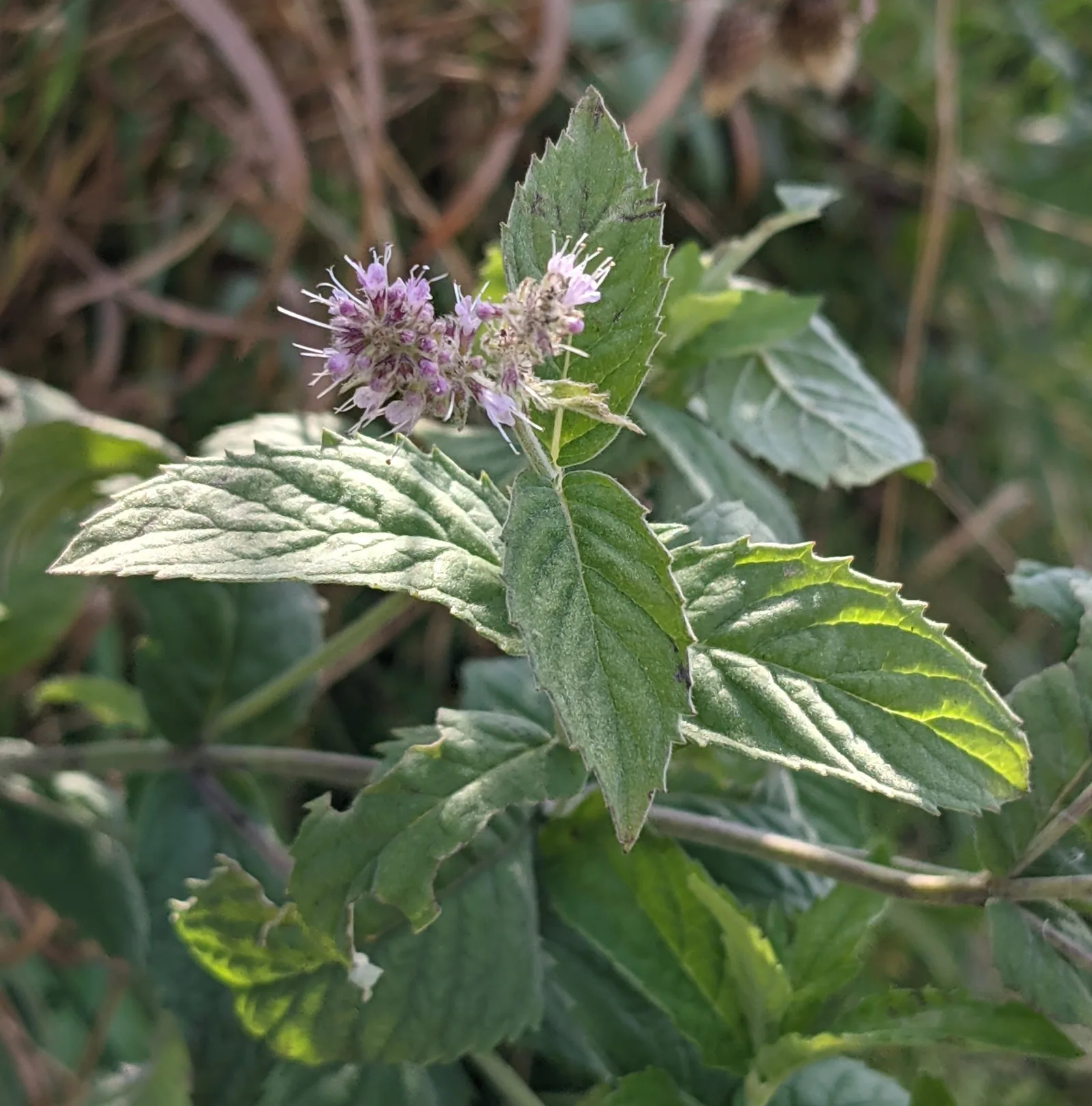

How to Grow and Care for Horse mint
Mentha longifolia
Written by Emilio Marruso · last checked
Toxic to: People · Why
At a glance
Horse mint is an easy herb with peppermint-scented leaves you can eat raw or cooked, toss into salads and chutneys, or brew into a herbal tea. It grows happily in full sun or partial shade and only asks for soil that never gets too dry. Pick the leaves just as the plant comes into flower.
- Sun
Full sun to partial shade
What the sources say (2)
- Water
Keep the soil moist; don't let it get too dry
What the sources say (2)
- Planting
Plant the young seedlings outdoors in summer
What the sources say (1)
Planting: Summer (seedlings pricked out and planted out)
Prick out the seedlings into individual pots when they are large enough to handle and plant them out in the summer.
— Mentha longifolia - Useful Temperate Plants [1] - Harvest
Pick the leaves as it starts to flower; eat them raw or cooked, or make tea
What the sources say (1)
Harvest: As the plant comes into flower
The leaves are harvested as the plant comes into flower and can be dried for later use
— Mentha longifolia - Useful Temperate Plants [1] - Propagation
Divide the plant, best in spring or fall
What the sources say (2)
Propagation: Seed sown in spring in a cold frame; division, best in spring or autumn
Seed - sow spring in a cold frame.
— Mentha longifolia - Useful Temperate Plants [1] Division can be easily carried out at almost any time of the year, though it is probably best done in the spring or autumn
— Mentha longifolia - Useful Temperate Plants [1] - Sowing
Sow seeds in spring in a cold frame
What the sources say (3)
Sowing: Spring, in a cold frame
Seed - sow spring in a cold frame.
— Mentha longifolia - Useful Temperate Plants [1] Propagation: Seed sown in spring in a cold frame; division, best in spring or autumn
Seed - sow spring in a cold frame.
— Mentha longifolia - Useful Temperate Plants [1] Division can be easily carried out at almost any time of the year, though it is probably best done in the spring or autumn
— Mentha longifolia - Useful Temperate Plants [1] - Safety
The oil in the leaves is toxic in large amounts
Overview
Horsemint is a perennial that can grow up to 1.00 m [3.3 ft] tall. [1] It succeeds in most soils that are not too dry, in sun or partial shade, and its leaves are used as a flavouring. [1]
Horse mint care
Measurements in square brackets are our conversion into the other unit system; the quoted text is unchanged.
How to water Horse mint
How much light Horse mint needs
Full sun to partial shade
How to propagate Horse mint
Seed sown in spring in a cold frame; division, best in spring or autumn
How to grow Horse mint
Fertilizing
When
The sources give different values depending on region, zone or growing conditions.
What each source says
Mentha in general: Early spring, as growth resumes
What the sources say (1)
Mentha in general: One early spring application of a slow release, complete fertilizer incorporated into the soil will supply adequate nutrients for mint. Use one teaspoon of a 16-16-16 fertilizer per plant as growth resumes in the spring.How often
The sources give different values depending on region, zone or growing conditions.
What each source says
Mentha in general: One application per season
Mentha in general: One application per season
What the sources say (2)
Mentha in general: One early spring application of a slow release, complete fertilizer incorporated into the soil will supply adequate nutrients for mint.Mentha in general: If you choose to fertilize, follow the directions carefully; most of the time a single application of a slow-release fertilizer is enough for the season.Natural fertilizers
The sources give different values depending on region, zone or growing conditions.
What each source says
Mentha in general: Compost or rotted manure worked into the soil before planting
Mentha in general: Compost or rotted manure worked into the soil before planting
What the sources say (2)
Mentha in general: Mint will thrive in a rich, moist soil that receives full to partial sun. Add an inch or two of compost, peat moss or rotted manure before planting.Mentha in general: If you fertilize with compost, apply no more than 1 inch of well-composted organic matter per 100 square feet of garden area.Mineral fertilizers
The sources give different values depending on region, zone or growing conditions.
What each source says
Mentha in general: Slow-release complete fertilizer, 16-16-16, 4.9 mL per plant
What the sources say (1)
Mentha in general: One early spring application of a slow release, complete fertilizer incorporated into the soil will supply adequate nutrients for mint. Use one teaspoon of a 16-16-16 fertilizer per plant as growth resumes in the spring.Avoid
The sources give different values depending on region, zone or growing conditions.
What each source says
Mentha in general: Overwatering combined with heavy fertilizing, which promotes rust and lowers mint oil production; over-fertilizing
Mentha in general: Overwatering combined with heavy fertilizing, which promotes rust and lowers mint oil production; over-fertilizing
What the sources say (2)
Mentha in general: Use one teaspoon of a 16-16-16 fertilizer per plant as growth resumes in the spring. Over watering and fertilizing promotes rust and diminishes mint oil production.Mentha in general: Rotate planting areas, remove infected plants, and do not over fertilize plants.Remedies
The sources we checked give no remedies for this plant.
Is Horse mint poisonous?
Reported by the source, quoted verbatim. This is not medical or veterinary advice: if a person or an animal may have eaten this plant, contact a poison control centre or a veterinarian.
Calendar
Sowing
Spring, in a cold frame
What the sources say (1)
Seed - sow spring in a cold frame.Planting
Summer (seedlings pricked out and planted out)
What the sources say (1)
Prick out the seedlings into individual pots when they are large enough to handle and plant them out in the summer.Harvest
As the plant comes into flower
What the sources say (1)
The leaves are harvested as the plant comes into flower and can be dried for later useMonths as given by the sources, which are mostly from the United States (northern hemisphere). In the southern hemisphere they shift by about six months.
Edibility
Reported by the source, quoted verbatim. Do not eat a plant on the basis of this page alone: identification mistakes can be dangerous.
Similar plants
- Corn mint Mentha arvensis
- Mentha cervina Mentha cervina
- Mint Mentha requienii
- Pennyroyal Mentha pulegium
- Peppermint Mentha piperita
- Spearmint Mentha spicata
- Water mint Mentha aquatica
- Apple mint Mentha suaveolens
Sources
Every value above is quoted from these documents. Links lead to the original publisher.
- Mentha longifolia - Useful Temperate Plants · temperate.theferns.info, consulted
- · cretanflora.com, consulted
- AUB - NCC Plants | Details · plants.aub.edu.lb, consulted
- extension.usu.edu · extension.usu.edu
- ndsu.edu · ndsu.edu
Written by Emilio Marruso · last checked