
Cómo cultivar y cuidar Helecho serrucho
Nephrolepis cordifolia
Escrito por Emilio Marruso · última revisión
No tóxica para gatos y perros, según las fuentes · Fuentes
De un vistazo
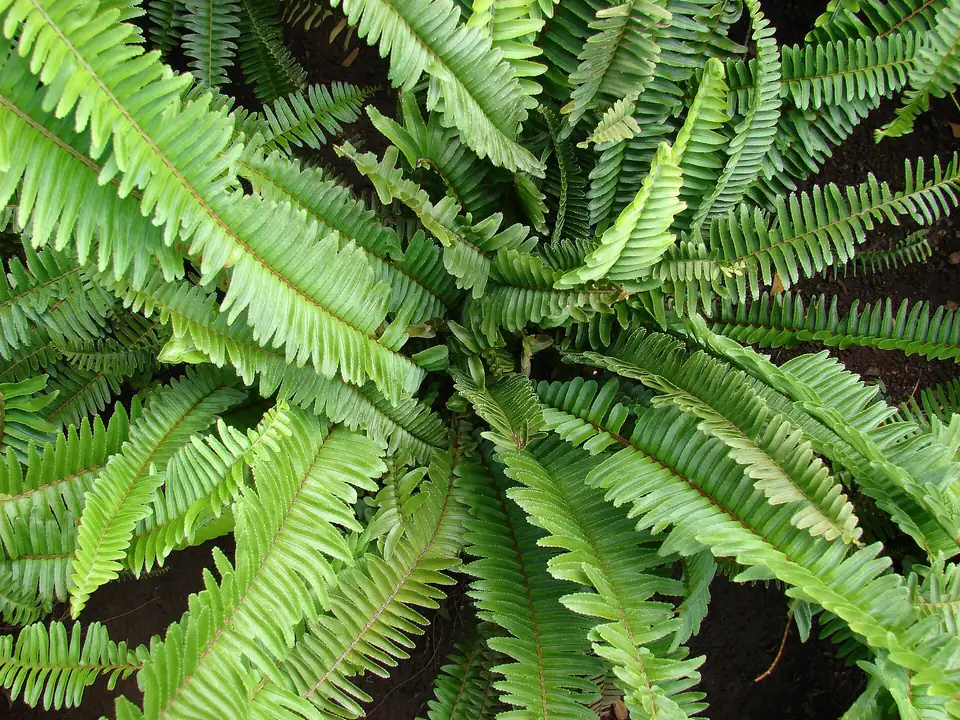
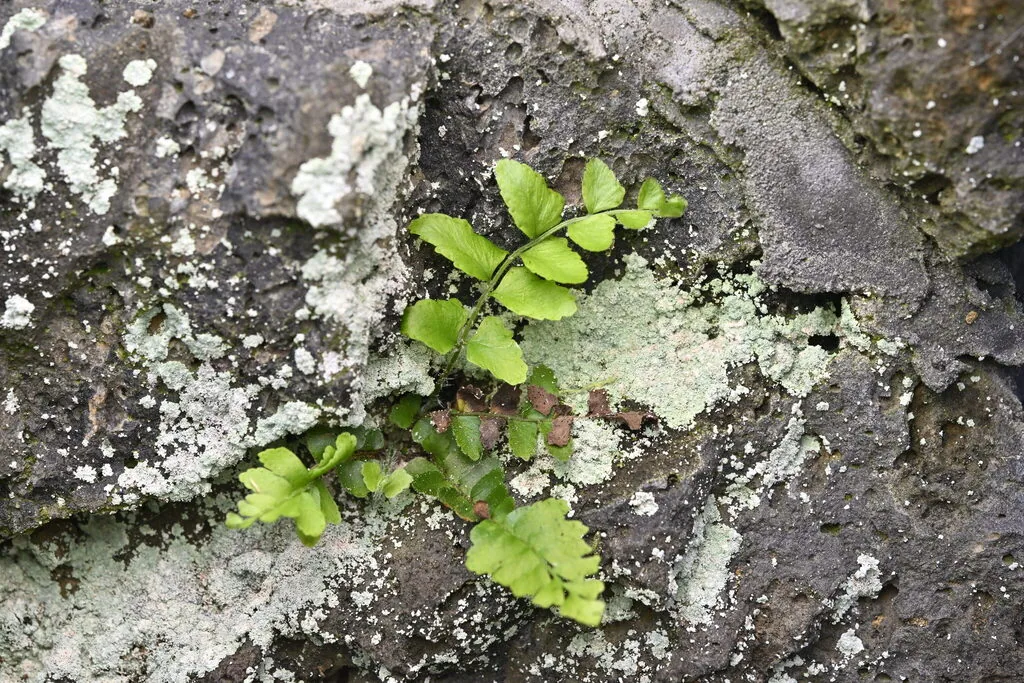
Este helecho agradecido crece feliz en interior, en maceta o en el jardín; prefiere la sombra, pero aguanta incluso el sol pleno. Una vez asentado, resiste la sequía y el viento, y no es tóxico para gatos, perros ni caballos. Dale un suelo húmedo y con buen drenaje, algo de humedad ambiental y muy poco abono, y te premiará con una mata frondosa de 30 a 90 cm.
- Sol
Prefiere la sombra; aguanta semisombra y sol pleno; en interior, luz intensa indirecta
Qué dicen las fuentes (2)
Luz: Prefiere sombra; tolera semisombra y pleno sol; luz indirecta brillante en interiores
Moist, well-drained, high humidity and shade is preferred. Unlike other ferns, it will tolerate dry, poor soil and full sun.
— Nephrolepis cordifolia (Dwarf Whitman Fern, Erect Sword Fern, Fishbone Fern, Herringbone Fern, Ladder Fern, Lemon Button Fern, Narrow Sword Fern, Tuber Ladder Fern, Tuberous Sword Fern) | North Carolina Extension Gardener Plant Toolbox [1] If grown as a houseplant, place in bright indirect light. Apply a slow-release fertilizer every six months if not vibrant
— Nephrolepis cordifolia (Dwarf Whitman Fern, Erect Sword Fern, Fishbone Fern, Herringbone Fern, Ladder Fern, Lemon Button Fern, Narrow Sword Fern, Tuber Ladder Fern, Tuberous Sword Fern) | North Carolina Extension Gardener Plant Toolbox [1] - Riego
Le gustan la tierra húmeda y la humedad alta, pero resiste la sequía una vez asentado
Qué dicen las fuentes (3)
Riego: Tolerante a la sequía una vez establecido
Once established, it is drought and wind-tolerant. The Hawaiians use the fronds for wrist and ankle leis.
— Nephrolepis cordifolia (Dwarf Whitman Fern, Erect Sword Fern, Fishbone Fern, Herringbone Fern, Ladder Fern, Lemon Button Fern, Narrow Sword Fern, Tuber Ladder Fern, Tuberous Sword Fern) | North Carolina Extension Gardener Plant Toolbox [1] Notas sobre el riego: Prefiere suelo húmedo y bien drenado y alta humedad; tolera suelo seco y pobre
Moist, well-drained, high humidity and shade is preferred. Unlike other ferns, it will tolerate dry, poor soil and full sun.
— Nephrolepis cordifolia (Dwarf Whitman Fern, Erect Sword Fern, Fishbone Fern, Herringbone Fern, Ladder Fern, Lemon Button Fern, Narrow Sword Fern, Tuber Ladder Fern, Tuberous Sword Fern) | North Carolina Extension Gardener Plant Toolbox [1] Sequía: Tolerante a la sequía y al viento una vez establecida.
The invasive fern has tubers which the native ones do not. Once established, it is drought and wind-tolerant.
— Nephrolepis cordifolia (Dwarf Whitman Fern, Erect Sword Fern, Fishbone Fern, Herringbone Fern, Ladder Fern, Lemon Button Fern, Narrow Sword Fern, Tuber Ladder Fern, Tuberous Sword Fern) | North Carolina Extension Gardener Plant Toolbox [1] - Frío
Aguanta inviernos de hasta −12,2 °C (10 °F)
Rústica en inviernos fríos · USDA 8a · RHS H5 · Z8
Qué dicen las fuentes (2)
Rusticidad, zona más fría: 8a [mínima invernal de −12,2 a −9,4 °C (de 10 a 15 °F)]
NC Region: Coastal Piedmont USDA Plant Hardiness Zone: 8a, 8b, 9a, 9b, 10a, 10b
— Nephrolepis cordifolia (Dwarf Whitman Fern, Erect Sword Fern, Fishbone Fern, Herringbone Fern, Ladder Fern, Lemon Button Fern, Narrow Sword Fern, Tuber Ladder Fern, Tuberous Sword Fern) | North Carolina Extension Gardener Plant Toolbox [1] Rusticidad, zona más cálida: 10b [mínima invernal de 1,7 a 4,4 °C (de 35 a 40 °F)]
NC Region: Coastal Piedmont USDA Plant Hardiness Zone: 8a, 8b, 9a, 9b, 10a, 10b
— Nephrolepis cordifolia (Dwarf Whitman Fern, Erect Sword Fern, Fishbone Fern, Herringbone Fern, Ladder Fern, Lemon Button Fern, Narrow Sword Fern, Tuber Ladder Fern, Tuberous Sword Fern) | North Carolina Extension Gardener Plant Toolbox [1] - Suelo
Suelo húmedo y con buen drenaje; también se adapta a suelos secos y pobres
Qué dicen las fuentes (1)
Notas sobre el riego: Prefiere suelo húmedo y bien drenado y alta humedad; tolera suelo seco y pobre
Moist, well-drained, high humidity and shade is preferred. Unlike other ferns, it will tolerate dry, poor soil and full sun.
— Nephrolepis cordifolia (Dwarf Whitman Fern, Erect Sword Fern, Fishbone Fern, Herringbone Fern, Ladder Fern, Lemon Button Fern, Narrow Sword Fern, Tuber Ladder Fern, Tuberous Sword Fern) | North Carolina Extension Gardener Plant Toolbox [1] - Distancia
46 cm entre plantas, al tresbolillo
Qué dicen las fuentes (2)
Distancia de plantación: 45.7 cm (18 in)
The sword-shaped, erect fronds are 3 feet long but are 7 feet in their native habitat. Stagger them about 18 inches apart.
— Nephrolepis cordifolia (Dwarf Whitman Fern, Erect Sword Fern, Fishbone Fern, Herringbone Fern, Ladder Fern, Lemon Button Fern, Narrow Sword Fern, Tuber Ladder Fern, Tuberous Sword Fern) | North Carolina Extension Gardener Plant Toolbox [1] Entre plantas: A 46 cm [18 in] de distancia, en forma escalonada.
The sword-shaped, erect fronds are 3 feet long but are 7 feet in their native habitat. Stagger them about 18 inches apart.
— Nephrolepis cordifolia (Dwarf Whitman Fern, Erect Sword Fern, Fishbone Fern, Herringbone Fern, Ladder Fern, Lemon Button Fern, Narrow Sword Fern, Tuber Ladder Fern, Tuberous Sword Fern) | North Carolina Extension Gardener Plant Toolbox [1] - Abonado
Abono de liberación lenta cada seis meses, solo si se ve débil; sus raíces superficiales se queman fácilmente
Qué dicen las fuentes (4)
Frecuencia: Cada seis meses, solo si la planta no está vigorosa
Apply a slow-release fertilizer every six months if not vibrant, being careful not to burn the shallow roots.
— Nephrolepis cordifolia (Dwarf Whitman Fern, Erect Sword Fern, Fishbone Fern, Herringbone Fern, Ladder Fern, Lemon Button Fern, Narrow Sword Fern, Tuber Ladder Fern, Tuberous Sword Fern) | North Carolina Extension Gardener Plant Toolbox [1] Abonos minerales: Fertilizante de liberación lenta
Apply a slow-release fertilizer every six months if not vibrant, being careful not to burn the shallow roots.
— Nephrolepis cordifolia (Dwarf Whitman Fern, Erect Sword Fern, Fishbone Fern, Herringbone Fern, Ladder Fern, Lemon Button Fern, Narrow Sword Fern, Tuber Ladder Fern, Tuberous Sword Fern) | North Carolina Extension Gardener Plant Toolbox [1] Evitar: Quemaduras en las raíces superficiales por el fertilizante
Apply a slow-release fertilizer every six months if not vibrant, being careful not to burn the shallow roots.
— Nephrolepis cordifolia (Dwarf Whitman Fern, Erect Sword Fern, Fishbone Fern, Herringbone Fern, Ladder Fern, Lemon Button Fern, Narrow Sword Fern, Tuber Ladder Fern, Tuberous Sword Fern) | North Carolina Extension Gardener Plant Toolbox [1] Sistema radicular: Raíces superficiales que pueden quemarse con fertilizante.
Apply a slow-release fertilizer every six months if not vibrant, being careful not to burn the shallow roots.
— Nephrolepis cordifolia (Dwarf Whitman Fern, Erect Sword Fern, Fishbone Fern, Herringbone Fern, Ladder Fern, Lemon Button Fern, Narrow Sword Fern, Tuber Ladder Fern, Tuberous Sword Fern) | North Carolina Extension Gardener Plant Toolbox [1] - Plagas
Orugas, cochinillas algodonosas, cochinillas, hormigas y babosas; sin enfermedades importantes
Qué dicen las fuentes (1)
Plagas: Oruga del helecho de Florida, hormigas, cochinillas, escamas, babosas
No significant diseases or pests. Watch for the Florida Fern Caterpillar. Ants, mealybugs, scale, and slugs may occasionally cause problems.
— Nephrolepis cordifolia (Dwarf Whitman Fern, Erect Sword Fern, Fishbone Fern, Herringbone Fern, Ladder Fern, Lemon Button Fern, Narrow Sword Fern, Tuber Ladder Fern, Tuberous Sword Fern) | North Carolina Extension Gardener Plant Toolbox [1] - Tamaño
De 30 a 90 cm de alto y de 30 cm a 1,2 m de ancho
Qué dicen las fuentes (2)
Altura adulta: 30-91 cm (1-3 pies)
Dimensions: Height: 1 ft. 0 in. - 3 ft. 0 in. Width: 1 ft. 0 in. - 4 ft. 0 in.
— Nephrolepis cordifolia (Dwarf Whitman Fern, Erect Sword Fern, Fishbone Fern, Herringbone Fern, Ladder Fern, Lemon Button Fern, Narrow Sword Fern, Tuber Ladder Fern, Tuberous Sword Fern) | North Carolina Extension Gardener Plant Toolbox [1] Anchura adulta: 30-122 cm (1-4 pies)
Dimensions: Height: 1 ft. 0 in. - 3 ft. 0 in. Width: 1 ft. 0 in. - 4 ft. 0 in.
— Nephrolepis cordifolia (Dwarf Whitman Fern, Erect Sword Fern, Fishbone Fern, Herringbone Fern, Ladder Fern, Lemon Button Fern, Narrow Sword Fern, Tuber Ladder Fern, Tuberous Sword Fern) | North Carolina Extension Gardener Plant Toolbox [1] - Multiplicación
Divide la mata o multiplícalo por esporas
Qué dicen las fuentes (1)
Propagación: División; esporas
Propagation is by division or spores that are carried by wind, water, and clothing. Prune to keep the fern within the desired space.
— Nephrolepis cordifolia (Dwarf Whitman Fern, Erect Sword Fern, Fishbone Fern, Herringbone Fern, Ladder Fern, Lemon Button Fern, Narrow Sword Fern, Tuber Ladder Fern, Tuberous Sword Fern) | North Carolina Extension Gardener Plant Toolbox [1] - Maceta
Crece bien en maceta y en interior
Qué dicen las fuentes (2)
En maceta: Sí
Use as a ground cover or on a slope to control erosion. Plant as a specimen, in mass planting, or in a container.
— Nephrolepis cordifolia (Dwarf Whitman Fern, Erect Sword Fern, Fishbone Fern, Herringbone Fern, Ladder Fern, Lemon Button Fern, Narrow Sword Fern, Tuber Ladder Fern, Tuberous Sword Fern) | North Carolina Extension Gardener Plant Toolbox [1] En interior: Sí
If grown as a houseplant, place in bright indirect light. Apply a slow-release fertilizer every six months if not vibrant
— Nephrolepis cordifolia (Dwarf Whitman Fern, Erect Sword Fern, Fishbone Fern, Herringbone Fern, Ladder Fern, Lemon Button Fern, Narrow Sword Fern, Tuber Ladder Fern, Tuberous Sword Fern) | North Carolina Extension Gardener Plant Toolbox [1] - Seguridad
No es tóxico para gatos, perros ni caballos
Resumen
El helecho espada tuberoso es un helecho semiperennifolio nativo del norte de Australia y Asia, cultivado como cubresuelo, planta de contenedor o planta de interior. [1] Se considera invasivo en Florida y Nueva Zelanda, donde forma densos rodales que desplazan la vegetación nativa; los tubérculos subterráneos lo distinguen del helecho espada nativo. [1][2] Prefiere suelo húmedo y bien drenado, alta humedad y sombra, pero tolera suelo seco y pobre y pleno sol. [1]
Citado en inglés, como en la fuente.
Esta ficha está incompleta: las fuentes consultadas aún no cubren todos los campos.
Aún no cubierto por nuestras fuentes: Poda
Cuidados
Riego
Riego
Tolerante a la sequía una vez establecido
Qué dicen las fuentes (1)
Once established, it is drought and wind-tolerant. The Hawaiians use the fronds for wrist and ankle leis.Notas sobre el riego
Prefiere suelo húmedo y bien drenado y alta humedad; tolera suelo seco y pobre
Qué dicen las fuentes (1)
Moist, well-drained, high humidity and shade is preferred. Unlike other ferns, it will tolerate dry, poor soil and full sun.Luz
Prefiere sombra; tolera semisombra y pleno sol; luz indirecta brillante en interiores
Qué dicen las fuentes (2)
Moist, well-drained, high humidity and shade is preferred. Unlike other ferns, it will tolerate dry, poor soil and full sun.If grown as a houseplant, place in bright indirect light. Apply a slow-release fertilizer every six months if not vibrantClima y frío
Rusticidad, zona más fría
8a [mínima invernal de −12,2 a −9,4 °C (de 10 a 15 °F)]
Qué dicen las fuentes (1)
NC Region:
Coastal
Piedmont
USDA Plant Hardiness Zone:
8a, 8b, 9a, 9b, 10a, 10bRusticidad, zona más cálida
10b [mínima invernal de 1,7 a 4,4 °C (de 35 a 40 °F)]
Qué dicen las fuentes (1)
NC Region:
Coastal
Piedmont
USDA Plant Hardiness Zone:
8a, 8b, 9a, 9b, 10a, 10bDónde cultivarla
En interior
Sí
Qué dicen las fuentes (1)
If grown as a houseplant, place in bright indirect light. Apply a slow-release fertilizer every six months if not vibrantEn maceta
Sí
Qué dicen las fuentes (1)
Use as a ground cover or on a slope to control erosion. Plant as a specimen, in mass planting, or in a container.Distancia de plantación
45.7 cm (18 in)
Qué dicen las fuentes (1)
The sword-shaped, erect fronds are 3 feet long but are 7 feet in their native habitat. Stagger them about 18 inches apart.Propagación
División; esporas
Qué dicen las fuentes (1)
Propagation is by division or spores that are carried by wind, water, and clothing. Prune to keep the fern within the desired space.Cultivo
La planta
Ciclo de vida
perenne
Qué dicen las fuentes (1)
Species: cordifolia Family: Polypodiaceae Life Cycle: Perennial Recommended Propagation Strategy: DivisionFamilia
Las fuentes no coinciden:
Species: cordifolia Family: Polypodiaceae Life Cycle: Perennial Recommended Propagation Strategy: Division
[1]Species Characteristics Family: Nephrolepidaceae Habit: forb/herb, wood fern
[2]The tuberous sword fern is a semi-evergreen fern in the sword fern family (Nephrolepidaceae) native to northern Australia and Asia.
[1]
Altura adulta
30-91 cm (1-3 pies)
Qué dicen las fuentes (1)
Dimensions: Height: 1 ft. 0 in. - 3 ft. 0 in. Width: 1 ft. 0 in. - 4 ft. 0 in.Anchura adulta
30-122 cm (1-4 pies)
Qué dicen las fuentes (1)
Dimensions: Height: 1 ft. 0 in. - 3 ft. 0 in. Width: 1 ft. 0 in. - 4 ft. 0 in.Plagas y enfermedades
Plagas
Oruga del helecho de Florida, hormigas, cochinillas, escamas, babosas
Qué dicen las fuentes (1)
No significant diseases or pests. Watch for the Florida Fern Caterpillar. Ants, mealybugs, scale, and slugs may occasionally cause problems.Abonado
Frecuencia
Cada seis meses, solo si la planta no está vigorosa
Qué dicen las fuentes (1)
Apply a slow-release fertilizer every six months if not vibrant, being careful not to burn the shallow roots.Abonos minerales
Fertilizante de liberación lenta
Qué dicen las fuentes (1)
Apply a slow-release fertilizer every six months if not vibrant, being careful not to burn the shallow roots.Evitar
Quemaduras en las raíces superficiales por el fertilizante
Qué dicen las fuentes (1)
Apply a slow-release fertilizer every six months if not vibrant, being careful not to burn the shallow roots.Distancias
Entre plantas
A 46 cm [18 in] de distancia, en forma escalonada.
Qué dicen las fuentes (1)
The sword-shaped, erect fronds are 3 feet long but are 7 feet in their native habitat. Stagger them about 18 inches apart.Raíces
Sistema radicular
Raíces superficiales que pueden quemarse con fertilizante.
Qué dicen las fuentes (1)
Apply a slow-release fertilizer every six months if not vibrant, being careful not to burn the shallow roots.Calor y sequía
Sequía
Tolerante a la sequía y al viento una vez establecida.
Qué dicen las fuentes (1)
The invasive fern has tubers which the native ones do not. Once established, it is drought and wind-tolerant.Problemas
Oruga del helecho de Florida y plagas ocasionales
Síntoma: Sin enfermedades significativas; problemas ocasionales por hormigas, cochinillas, escamas y babosas
Qué hacer: Vigila la oruga del helecho de Florida
Qué dicen las fuentes (1)
No significant diseases or pests. Watch for the Florida Fern Caterpillar. Ants, mealybugs, scale, and slugs may occasionally cause problems.
— Nephrolepis cordifolia (Dwarf Whitman Fern, Erect Sword Fern, Fishbone Fern, Herringbone Fern, Ladder Fern, Lemon Button Fern, Narrow Sword Fern, Tuber Ladder Fern, Tuberous Sword Fern) | North Carolina Extension Gardener Plant Toolbox [1]
Remedios
Cada remedio indica qué dicen las fuentes oficiales; los remedios tradicionales sin fuente oficial aparecen marcados. Los perjudiciales están para que sepas evitarlos.
Cómo eliminarla
propagación invasiva
Arranca a mano y excava. Funciona en parte
Runners and tubers resprout if not disposed of carefully.
— weedbusters.org.nz [7] It can easily grow from a piece of tuber, rhizome or stolon so care must be taken when removing.
— tiakitamakimakaurau.nz [8] Cómo: Excava o arranca las infestaciones pequeñas; deshazte de los tubérculos y estolones en una estación de transferencia de residuos, quémalos o entiérralos.
Physical removal - Dig or pull out small infestations. Dispose of tubers and runners at a refuse transfer station, burn or bury.
— weedbusters.org.nz [7] Qué dicen las pruebas Hand pulling can be used to remove some of the vegetation, but the plants will break off, leaving plant parts in the ground from which regrowth will occur.
— | Center for Aquatic and Invasive Plants | University of Florida, IFAS [2] eliminación posterior de los rebrotes Funciona
Cómo: Después de eliminar manualmente una zona grande, revisa regularmente para quitar cualquier helecho nuevo que aparezca de los tubérculos residuales.
Therefore, once you hand remove a large area of the sword fern, be sure you follow up regularly to remove any other ferns that pop up.
— Invasion of the Landscape Snatchers: The spreading ferns [4] Qué dicen las pruebas be sure you follow up regularly to remove any other ferns that pop up. Over time you will be able to get control of this invasive plant.
— Invasion of the Landscape Snatchers: The spreading ferns [4] retira las plantaciones antes de que se formen las esporas Fuente oficial, sin prueba independiente
Cómo: Retira las plantaciones existentes antes de que se produzcan esporas, si es posible.
Cultural/Physical Remove existing plantings, before spores are produced if possible.
— | Center for Aquatic and Invasive Plants | University of Florida, IFAS [2]
Toxicidad
Según la fuente, citada textualmente. No es un consejo médico ni veterinario: si una persona o un animal pudo haber ingerido esta planta, contacta con un centro de toxicología o con un veterinario.
#fern #tuberous #hanging baskets #non-toxic for cats #non-toxic for horses #non-toxic for dogs #evergreen ferns
[1]La fuente señala el riesgo para este animal pero no explica por qué.
Calendario
Poda
No figura en las fuentes consultadas.
Meses tal como los dan las fuentes, en su mayoría de Estados Unidos (hemisferio norte). En el hemisferio sur se desplazan unos seis meses.
Plantas similares
- Boston Fern Nephrolepis exaltata
- Abeto de Vancuver Abies grandis
- Abraham Trachystemon orientalis
- Bananero de Etiopía Ensete ventricosum
- Acacia longifolia Acacia longifolia
- Acanthus hungaricus Acanthus hungaricus
- Achlys triphylla Achlys triphylla
- Acónito común Aconitum napellus
Fuentes
Cada valor anterior se cita de estos documentos. Los enlaces llevan al editor original.
- Nephrolepis cordifolia (Dwarf Whitman Fern, Erect Sword Fern, Fishbone Fern, Herringbone Fern, Ladder Fern, Lemon Button Fern, Narrow Sword Fern, Tuber Ladder Fern, Tuberous Sword Fern) | North Carolina Extension Gardener Plant Toolbox · plants.ces.ncsu.edu, consultado
- | Center for Aquatic and Invasive Plants | University of Florida, IFAS · plant-directory.ifas.ufl.edu, consultado
- Invasive Sword Fern – Gardening Solutions · gardeningsolutions.ifas.ufl.edu, consultado
- Invasion of the Landscape Snatchers: The spreading ferns · blogs.ifas.ufl.edu, consultado
- HortFlora · hortflora.rbg.vic.gov.au, consultado
- Nephrolepis cordifolia - UF/IFAS Assessment - University of Florida, Institute of Food and Agricultural Sciences · assessment.ifas.ufl.edu, consultado
- weedbusters.org.nz · weedbusters.org.nz
- tiakitamakimakaurau.nz · tiakitamakimakaurau.nz
Escrito por Emilio Marruso · última revisión