
How to Grow and Care for Tuberous Sword Fern
Nephrolepis cordifolia
Written by Emilio Marruso · last checked
Not toxic to cats and dogs, according to the sources · Sources
At a glance
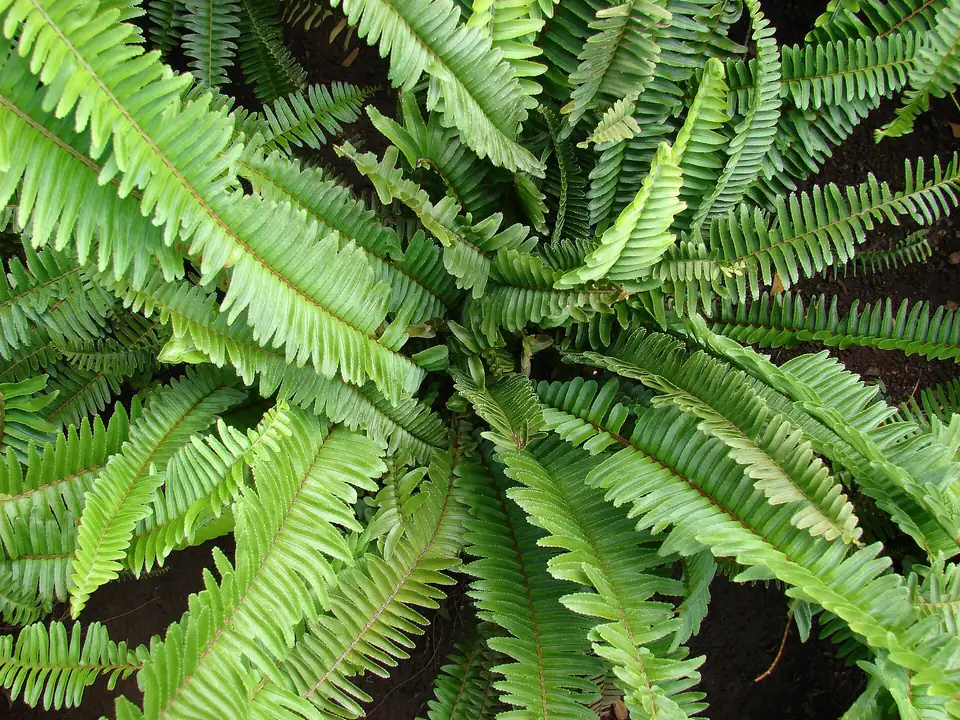
This forgiving fern grows happily indoors, in pots or in the garden, preferring shade but tolerating full sun too. Once settled, it shrugs off drought and wind, and it is safe around cats, dogs and horses. Give it moist, well-drained soil, a bit of humidity and very little fertilizer, and it will reward you with lush growth 1 to 3 feet tall.
- Sun
Prefers shade; also takes part sun or full sun; bright indirect light indoors
What the sources say (2)
Light: Shade preferred; tolerates partial shade and full sun; bright indirect light indoors
Moist, well-drained, high humidity and shade is preferred. Unlike other ferns, it will tolerate dry, poor soil and full sun.
— Nephrolepis cordifolia (Dwarf Whitman Fern, Erect Sword Fern, Fishbone Fern, Herringbone Fern, Ladder Fern, Lemon Button Fern, Narrow Sword Fern, Tuber Ladder Fern, Tuberous Sword Fern) | North Carolina Extension Gardener Plant Toolbox [1] If grown as a houseplant, place in bright indirect light. Apply a slow-release fertilizer every six months if not vibrant
— Nephrolepis cordifolia (Dwarf Whitman Fern, Erect Sword Fern, Fishbone Fern, Herringbone Fern, Ladder Fern, Lemon Button Fern, Narrow Sword Fern, Tuber Ladder Fern, Tuberous Sword Fern) | North Carolina Extension Gardener Plant Toolbox [1] - Water
Likes moist soil and high humidity, but handles drought once established
What the sources say (3)
Watering: Drought tolerant once established
Once established, it is drought and wind-tolerant. The Hawaiians use the fronds for wrist and ankle leis.
— Nephrolepis cordifolia (Dwarf Whitman Fern, Erect Sword Fern, Fishbone Fern, Herringbone Fern, Ladder Fern, Lemon Button Fern, Narrow Sword Fern, Tuber Ladder Fern, Tuberous Sword Fern) | North Carolina Extension Gardener Plant Toolbox [1] Watering notes: Prefers moist, well-drained soil and high humidity; tolerates dry, poor soil
Moist, well-drained, high humidity and shade is preferred. Unlike other ferns, it will tolerate dry, poor soil and full sun.
— Nephrolepis cordifolia (Dwarf Whitman Fern, Erect Sword Fern, Fishbone Fern, Herringbone Fern, Ladder Fern, Lemon Button Fern, Narrow Sword Fern, Tuber Ladder Fern, Tuberous Sword Fern) | North Carolina Extension Gardener Plant Toolbox [1] Drought: Drought and wind tolerant once established.
The invasive fern has tubers which the native ones do not. Once established, it is drought and wind-tolerant.
— Nephrolepis cordifolia (Dwarf Whitman Fern, Erect Sword Fern, Fishbone Fern, Herringbone Fern, Ladder Fern, Lemon Button Fern, Narrow Sword Fern, Tuber Ladder Fern, Tuberous Sword Fern) | North Carolina Extension Gardener Plant Toolbox [1] - Cold
Survives winters down to 10 °F (−12.2 °C)
Hardy in cold winters · USDA 8a · RHS H5 · Z8
What the sources say (2)
Hardiness, coldest zone: 8a [winter low −12.2 to −9.4 °C (10 to 15 °F)]
NC Region: Coastal Piedmont USDA Plant Hardiness Zone: 8a, 8b, 9a, 9b, 10a, 10b
— Nephrolepis cordifolia (Dwarf Whitman Fern, Erect Sword Fern, Fishbone Fern, Herringbone Fern, Ladder Fern, Lemon Button Fern, Narrow Sword Fern, Tuber Ladder Fern, Tuberous Sword Fern) | North Carolina Extension Gardener Plant Toolbox [1] Hardiness, warmest zone: 10b [winter low 1.7 to 4.4 °C (35 to 40 °F)]
NC Region: Coastal Piedmont USDA Plant Hardiness Zone: 8a, 8b, 9a, 9b, 10a, 10b
— Nephrolepis cordifolia (Dwarf Whitman Fern, Erect Sword Fern, Fishbone Fern, Herringbone Fern, Ladder Fern, Lemon Button Fern, Narrow Sword Fern, Tuber Ladder Fern, Tuberous Sword Fern) | North Carolina Extension Gardener Plant Toolbox [1] - Soil
Moist, well-drained soil; it also copes with dry, poor soil
What the sources say (1)
Watering notes: Prefers moist, well-drained soil and high humidity; tolerates dry, poor soil
Moist, well-drained, high humidity and shade is preferred. Unlike other ferns, it will tolerate dry, poor soil and full sun.
— Nephrolepis cordifolia (Dwarf Whitman Fern, Erect Sword Fern, Fishbone Fern, Herringbone Fern, Ladder Fern, Lemon Button Fern, Narrow Sword Fern, Tuber Ladder Fern, Tuberous Sword Fern) | North Carolina Extension Gardener Plant Toolbox [1] - Spacing
18 in between plants, staggered
What the sources say (2)
Spacing: 45.7 cm (18 in)
The sword-shaped, erect fronds are 3 feet long but are 7 feet in their native habitat. Stagger them about 18 inches apart.
— Nephrolepis cordifolia (Dwarf Whitman Fern, Erect Sword Fern, Fishbone Fern, Herringbone Fern, Ladder Fern, Lemon Button Fern, Narrow Sword Fern, Tuber Ladder Fern, Tuberous Sword Fern) | North Carolina Extension Gardener Plant Toolbox [1] Between plants: 46 cm [18 in] apart, staggered.
The sword-shaped, erect fronds are 3 feet long but are 7 feet in their native habitat. Stagger them about 18 inches apart.
— Nephrolepis cordifolia (Dwarf Whitman Fern, Erect Sword Fern, Fishbone Fern, Herringbone Fern, Ladder Fern, Lemon Button Fern, Narrow Sword Fern, Tuber Ladder Fern, Tuberous Sword Fern) | North Carolina Extension Gardener Plant Toolbox [1] - Feeding
Slow-release fertilizer every six months, only if it looks weak; its shallow roots burn easily
What the sources say (4)
How often: Every six months, only if the plant is not vibrant
Apply a slow-release fertilizer every six months if not vibrant, being careful not to burn the shallow roots.
— Nephrolepis cordifolia (Dwarf Whitman Fern, Erect Sword Fern, Fishbone Fern, Herringbone Fern, Ladder Fern, Lemon Button Fern, Narrow Sword Fern, Tuber Ladder Fern, Tuberous Sword Fern) | North Carolina Extension Gardener Plant Toolbox [1] Mineral fertilizers: Slow-release fertilizer
Apply a slow-release fertilizer every six months if not vibrant, being careful not to burn the shallow roots.
— Nephrolepis cordifolia (Dwarf Whitman Fern, Erect Sword Fern, Fishbone Fern, Herringbone Fern, Ladder Fern, Lemon Button Fern, Narrow Sword Fern, Tuber Ladder Fern, Tuberous Sword Fern) | North Carolina Extension Gardener Plant Toolbox [1] Avoid: Burning the shallow roots with fertilizer
Apply a slow-release fertilizer every six months if not vibrant, being careful not to burn the shallow roots.
— Nephrolepis cordifolia (Dwarf Whitman Fern, Erect Sword Fern, Fishbone Fern, Herringbone Fern, Ladder Fern, Lemon Button Fern, Narrow Sword Fern, Tuber Ladder Fern, Tuberous Sword Fern) | North Carolina Extension Gardener Plant Toolbox [1] Root system: Shallow roots that can be burned by fertilizer.
Apply a slow-release fertilizer every six months if not vibrant, being careful not to burn the shallow roots.
— Nephrolepis cordifolia (Dwarf Whitman Fern, Erect Sword Fern, Fishbone Fern, Herringbone Fern, Ladder Fern, Lemon Button Fern, Narrow Sword Fern, Tuber Ladder Fern, Tuberous Sword Fern) | North Carolina Extension Gardener Plant Toolbox [1] - Pests
Fern caterpillars, mealybugs, scale insects, ants and slugs; no serious diseases
What the sources say (1)
Pests: Florida fern caterpillar, ants, mealybugs, scale, slugs
No significant diseases or pests. Watch for the Florida Fern Caterpillar. Ants, mealybugs, scale, and slugs may occasionally cause problems.
— Nephrolepis cordifolia (Dwarf Whitman Fern, Erect Sword Fern, Fishbone Fern, Herringbone Fern, Ladder Fern, Lemon Button Fern, Narrow Sword Fern, Tuber Ladder Fern, Tuberous Sword Fern) | North Carolina Extension Gardener Plant Toolbox [1] - Size
1 to 3 ft tall and 1 to 4 ft wide
What the sources say (2)
Mature height: 30-91 cm (1-3 ft)
Dimensions: Height: 1 ft. 0 in. - 3 ft. 0 in. Width: 1 ft. 0 in. - 4 ft. 0 in.
— Nephrolepis cordifolia (Dwarf Whitman Fern, Erect Sword Fern, Fishbone Fern, Herringbone Fern, Ladder Fern, Lemon Button Fern, Narrow Sword Fern, Tuber Ladder Fern, Tuberous Sword Fern) | North Carolina Extension Gardener Plant Toolbox [1] Mature width: 30-122 cm (1-4 ft)
Dimensions: Height: 1 ft. 0 in. - 3 ft. 0 in. Width: 1 ft. 0 in. - 4 ft. 0 in.
— Nephrolepis cordifolia (Dwarf Whitman Fern, Erect Sword Fern, Fishbone Fern, Herringbone Fern, Ladder Fern, Lemon Button Fern, Narrow Sword Fern, Tuber Ladder Fern, Tuberous Sword Fern) | North Carolina Extension Gardener Plant Toolbox [1] - Propagation
Divide the plant or grow it from spores
What the sources say (1)
Propagation: Division; spores
Propagation is by division or spores that are carried by wind, water, and clothing. Prune to keep the fern within the desired space.
— Nephrolepis cordifolia (Dwarf Whitman Fern, Erect Sword Fern, Fishbone Fern, Herringbone Fern, Ladder Fern, Lemon Button Fern, Narrow Sword Fern, Tuber Ladder Fern, Tuberous Sword Fern) | North Carolina Extension Gardener Plant Toolbox [1] - Containers
Grows well in pots and indoors
What the sources say (2)
In containers: Yes
Use as a ground cover or on a slope to control erosion. Plant as a specimen, in mass planting, or in a container.
— Nephrolepis cordifolia (Dwarf Whitman Fern, Erect Sword Fern, Fishbone Fern, Herringbone Fern, Ladder Fern, Lemon Button Fern, Narrow Sword Fern, Tuber Ladder Fern, Tuberous Sword Fern) | North Carolina Extension Gardener Plant Toolbox [1] Indoors: Yes
If grown as a houseplant, place in bright indirect light. Apply a slow-release fertilizer every six months if not vibrant
— Nephrolepis cordifolia (Dwarf Whitman Fern, Erect Sword Fern, Fishbone Fern, Herringbone Fern, Ladder Fern, Lemon Button Fern, Narrow Sword Fern, Tuber Ladder Fern, Tuberous Sword Fern) | North Carolina Extension Gardener Plant Toolbox [1] - Safety
Safe for cats, dogs and horses
Overview
Tuberous sword fern is a semi-evergreen fern native to northern Australia and Asia, grown as a groundcover, container plant or houseplant. [1] It is considered invasive in Florida and New Zealand, where it forms dense stands that displace native vegetation; the underground tubers distinguish it from the native sword fern. [1][2] It prefers moist, well-drained soil, high humidity and shade, but tolerates dry, poor soil and full sun. [1]
This record is incomplete: the sources we read do not cover every field yet.
Not yet covered by our sources: Pruning
Tuberous Sword Fern care
How to water Tuberous Sword Fern
Watering
Drought tolerant once established
What the sources say (1)
Once established, it is drought and wind-tolerant. The Hawaiians use the fronds for wrist and ankle leis.Watering notes
Prefers moist, well-drained soil and high humidity; tolerates dry, poor soil
What the sources say (1)
Moist, well-drained, high humidity and shade is preferred. Unlike other ferns, it will tolerate dry, poor soil and full sun.How much light Tuberous Sword Fern needs
Shade preferred; tolerates partial shade and full sun; bright indirect light indoors
What the sources say (2)
Moist, well-drained, high humidity and shade is preferred. Unlike other ferns, it will tolerate dry, poor soil and full sun.If grown as a houseplant, place in bright indirect light. Apply a slow-release fertilizer every six months if not vibrantHow much cold Tuberous Sword Fern can take
Hardiness, coldest zone
8a [winter low −12.2 to −9.4 °C (10 to 15 °F)]
What the sources say (1)
NC Region:
Coastal
Piedmont
USDA Plant Hardiness Zone:
8a, 8b, 9a, 9b, 10a, 10bHardiness, warmest zone
10b [winter low 1.7 to 4.4 °C (35 to 40 °F)]
What the sources say (1)
NC Region:
Coastal
Piedmont
USDA Plant Hardiness Zone:
8a, 8b, 9a, 9b, 10a, 10bWhere to grow Tuberous Sword Fern
Indoors
Yes
What the sources say (1)
If grown as a houseplant, place in bright indirect light. Apply a slow-release fertilizer every six months if not vibrantIn containers
Yes
What the sources say (1)
Use as a ground cover or on a slope to control erosion. Plant as a specimen, in mass planting, or in a container.Spacing
45.7 cm (18 in)
What the sources say (1)
The sword-shaped, erect fronds are 3 feet long but are 7 feet in their native habitat. Stagger them about 18 inches apart.How to propagate Tuberous Sword Fern
Division; spores
What the sources say (1)
Propagation is by division or spores that are carried by wind, water, and clothing. Prune to keep the fern within the desired space.How to grow Tuberous Sword Fern
The plant
Life cycle
perennial
What the sources say (1)
Species: cordifolia Family: Polypodiaceae Life Cycle: Perennial Recommended Propagation Strategy: DivisionFamily
The sources disagree:
Species: cordifolia Family: Polypodiaceae Life Cycle: Perennial Recommended Propagation Strategy: Division
[1]Species Characteristics Family: Nephrolepidaceae Habit: forb/herb, wood fern
[2]The tuberous sword fern is a semi-evergreen fern in the sword fern family (Nephrolepidaceae) native to northern Australia and Asia.
[1]
Mature height
30-91 cm (1-3 ft)
What the sources say (1)
Dimensions: Height: 1 ft. 0 in. - 3 ft. 0 in. Width: 1 ft. 0 in. - 4 ft. 0 in.Mature width
30-122 cm (1-4 ft)
What the sources say (1)
Dimensions: Height: 1 ft. 0 in. - 3 ft. 0 in. Width: 1 ft. 0 in. - 4 ft. 0 in.Pests and diseases
Pests
Florida fern caterpillar, ants, mealybugs, scale, slugs
What the sources say (1)
No significant diseases or pests. Watch for the Florida Fern Caterpillar. Ants, mealybugs, scale, and slugs may occasionally cause problems.Fertilizing
How often
Every six months, only if the plant is not vibrant
What the sources say (1)
Apply a slow-release fertilizer every six months if not vibrant, being careful not to burn the shallow roots.Mineral fertilizers
Slow-release fertilizer
What the sources say (1)
Apply a slow-release fertilizer every six months if not vibrant, being careful not to burn the shallow roots.Avoid
Burning the shallow roots with fertilizer
What the sources say (1)
Apply a slow-release fertilizer every six months if not vibrant, being careful not to burn the shallow roots.Spacing
Between plants
46 cm [18 in] apart, staggered.
What the sources say (1)
The sword-shaped, erect fronds are 3 feet long but are 7 feet in their native habitat. Stagger them about 18 inches apart.Roots
Root system
Shallow roots that can be burned by fertilizer.
What the sources say (1)
Apply a slow-release fertilizer every six months if not vibrant, being careful not to burn the shallow roots.Heat and drought
Drought
Drought and wind tolerant once established.
What the sources say (1)
The invasive fern has tubers which the native ones do not. Once established, it is drought and wind-tolerant.Tuberous Sword Fern pests and problems
Florida fern caterpillar and occasional pests
Symptom: No significant diseases; occasional problems from ants, mealybugs, scale and slugs
What to do: Watch for the Florida fern caterpillar
What the sources say (1)
No significant diseases or pests. Watch for the Florida Fern Caterpillar. Ants, mealybugs, scale, and slugs may occasionally cause problems.
— Nephrolepis cordifolia (Dwarf Whitman Fern, Erect Sword Fern, Fishbone Fern, Herringbone Fern, Ladder Fern, Lemon Button Fern, Narrow Sword Fern, Tuber Ladder Fern, Tuberous Sword Fern) | North Carolina Extension Gardener Plant Toolbox [1]
Remedies
Each remedy shows what official sources say about it; traditional remedies without an official source are marked as such. Harmful ones are listed so you know to avoid them.
Getting rid of it
invasive spread
hand pulling and digging out Partly works
Runners and tubers resprout if not disposed of carefully.
— weedbusters.org.nz [7] It can easily grow from a piece of tuber, rhizome or stolon so care must be taken when removing.
— tiakitamakimakaurau.nz [8] How: Dig or pull out small infestations; dispose of tubers and runners at a refuse transfer station, burn or bury them.
Physical removal - Dig or pull out small infestations. Dispose of tubers and runners at a refuse transfer station, burn or bury.
— weedbusters.org.nz [7] What the evidence says Hand pulling can be used to remove some of the vegetation, but the plants will break off, leaving plant parts in the ground from which regrowth will occur.
— | Center for Aquatic and Invasive Plants | University of Florida, IFAS [2] follow-up removal of regrowth Works
How: After hand removing a large area, follow up regularly to remove any new ferns that appear from residual tubers.
Therefore, once you hand remove a large area of the sword fern, be sure you follow up regularly to remove any other ferns that pop up.
— Invasion of the Landscape Snatchers: The spreading ferns [4] What the evidence says be sure you follow up regularly to remove any other ferns that pop up. Over time you will be able to get control of this invasive plant.
— Invasion of the Landscape Snatchers: The spreading ferns [4] remove plantings before spores form Official source, not independently tested
How: Remove existing plantings before spores are produced, if possible.
Cultural/Physical Remove existing plantings, before spores are produced if possible.
— | Center for Aquatic and Invasive Plants | University of Florida, IFAS [2]
Is Tuberous Sword Fern poisonous?
Reported by the source, quoted verbatim. This is not medical or veterinary advice: if a person or an animal may have eaten this plant, contact a poison control centre or a veterinarian.
#fern #tuberous #hanging baskets #non-toxic for cats #non-toxic for horses #non-toxic for dogs #evergreen ferns
[1]The source flags the risk for this animal but does not explain why.
Calendar
Pruning
Not stated in the sources we read.
Months as given by the sources, which are mostly from the United States (northern hemisphere). In the southern hemisphere they shift by about six months.
Similar plants
- Boston Fern Nephrolepis exaltata
- Abies grandis Abies grandis
- Abraham Trachystemon orientalis
- Abyssinian banana Ensete ventricosum
- Acacia longifolia Acacia longifolia
- Acanthus hungaricus Acanthus hungaricus
- Achlys triphylla Achlys triphylla
- Aconite Aconitum napellus
Sources
Every value above is quoted from these documents. Links lead to the original publisher.
- Nephrolepis cordifolia (Dwarf Whitman Fern, Erect Sword Fern, Fishbone Fern, Herringbone Fern, Ladder Fern, Lemon Button Fern, Narrow Sword Fern, Tuber Ladder Fern, Tuberous Sword Fern) | North Carolina Extension Gardener Plant Toolbox · plants.ces.ncsu.edu, consulted
- | Center for Aquatic and Invasive Plants | University of Florida, IFAS · plant-directory.ifas.ufl.edu, consulted
- Invasive Sword Fern – Gardening Solutions · gardeningsolutions.ifas.ufl.edu, consulted
- Invasion of the Landscape Snatchers: The spreading ferns · blogs.ifas.ufl.edu, consulted
- HortFlora · hortflora.rbg.vic.gov.au, consulted
- Nephrolepis cordifolia - UF/IFAS Assessment - University of Florida, Institute of Food and Agricultural Sciences · assessment.ifas.ufl.edu, consulted
- weedbusters.org.nz · weedbusters.org.nz
- tiakitamakimakaurau.nz · tiakitamakimakaurau.nz
Written by Emilio Marruso · last checked