

Cómo cultivar y cuidar Albahaca
Ocimum basilicum
Escrito por Emilio Marruso · última revisión
No tóxica para gatos y perros, según las fuentes · Fuentes
De un vistazo
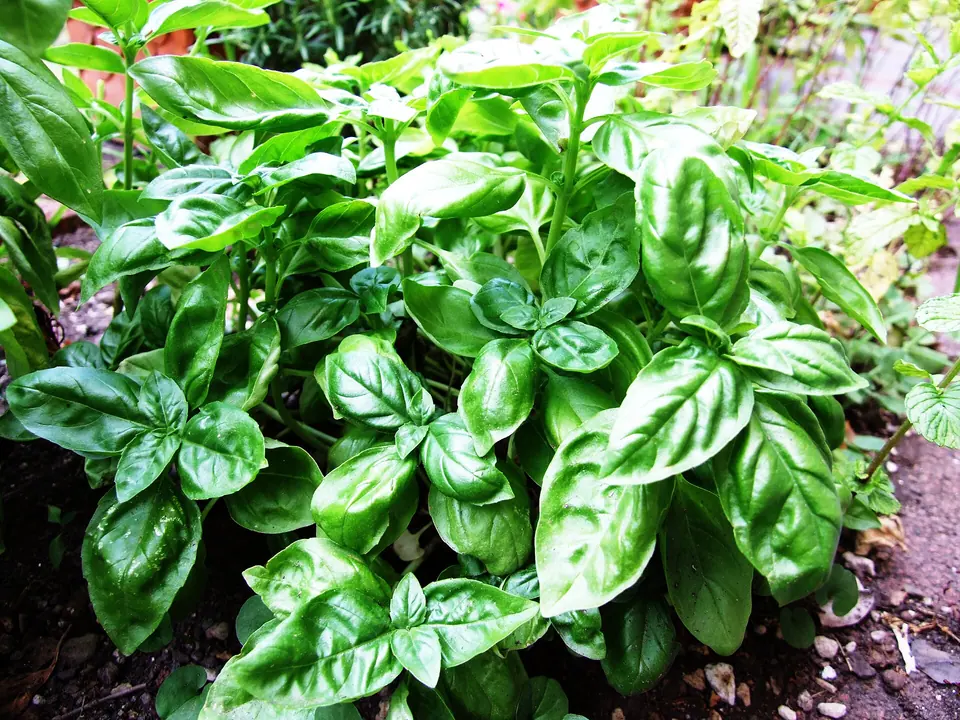
La albahaca adora el calor: crece con fuerza cuando hace calor, a pleno sol o en semisombra. Siembra las semillas a 6 mm de profundidad, plántala fuera cuando ya no haya heladas y recoge hojas aromáticas toda la temporada para sopas, platos con tomate y mantequillas de hierbas. Corta un tallo sobre un par de hojas y en una semana vuelve a brotar.
- Sol
Sol pleno o semisombra
Qué dicen las fuentes (1)
Luz: Pleno sol a semisombra
Light: Full sun (6 or more hours of direct sunlight a day) Partial Shade (Direct sunlight only part of the day, 2-6 hours)
— Ocimum basilicum (Basil, Genovese Basil, Purple Basil, Saint Joseph's Wort, Sweet Basil, Thai Basil) | North Carolina Extension Gardener Plant Toolbox [1] - Riego
Al menos una vez por semana, más a menudo con calor; riega la base, no las hojas
Qué dicen las fuentes (4)
Riego: Riega al menos una vez por semana, y con más frecuencia cuando las temperaturas sean altas.
Depending on rainfall and temperatures, plan to water basil at least once a week, and more often when temperatures are hot.
— Growing Basil in Your Backyard | Flowers, Fruits, and Frass | Illinois Extension | Illinois [8] Notas sobre el riego: Riega en la base de la planta o usa riego por goteo para mantener el follaje seco; cubre con mantillo 2-3 pulgadas (5-7.6 cm) alrededor de la base para retener la humedad; las plantas en contenedores se secan más rápido que las que están en el suelo.
When watering basil, water at the base of the plant or use drip-irrigation, or drip hoses to ensure the foliage stays dry.
— Growing Basil in Your Backyard | Flowers, Fruits, and Frass | Illinois Extension | Illinois [8] Apply two to three inches of mulch around the base of basil to retain water moisture and reduce weeds around the plant.
— Growing Basil in Your Backyard | Flowers, Fruits, and Frass | Illinois Extension | Illinois [8] Plants grown in containers will dry out faster than in-ground.
— Growing Basil in Your Backyard | Flowers, Fruits, and Frass | Illinois Extension | Illinois [8] - Frío
Aguanta inviernos de hasta −1,1 °C (30 °F)
Semirrústica: inviernos suaves o invernadero sin calefacción · USDA 10a · RHS H3 · Z10
Qué dicen las fuentes (2)
Rusticidad, zona más fría: 10a [mínima invernal de −1,1 a 1,7 °C (de 30 a 35 °F)]
NC Region: Coastal Mountains Piedmont USDA Plant Hardiness Zone: 10a, 10b
— Ocimum basilicum (Basil, Genovese Basil, Purple Basil, Saint Joseph's Wort, Sweet Basil, Thai Basil) | North Carolina Extension Gardener Plant Toolbox [1] Rusticidad, zona más cálida: 10b [mínima invernal de 1,7 a 4,4 °C (de 35 a 40 °F)]
NC Region: Coastal Mountains Piedmont USDA Plant Hardiness Zone: 10a, 10b
— Ocimum basilicum (Basil, Genovese Basil, Purple Basil, Saint Joseph's Wort, Sweet Basil, Thai Basil) | North Carolina Extension Gardener Plant Toolbox [1] - Plantación
Plántala fuera cuando ya no haya riesgo de heladas
Qué dicen las fuentes (1)
Plantación: Al aire libre después de que haya pasado la posibilidad de heladas
Basil is cold sensitive so it must be planted outdoors after the chance of frost has passed.
— Growing Basil in Your Backyard | Flowers, Fruits, and Frass | Illinois Extension | Illinois [8] - Abonado
Abono líquido cada 3–4 semanas cuando crezca más lenta; el exceso de nitrógeno estropea el sabor
Qué dicen las fuentes (4)
Cuándo: Cuando el crecimiento se ralentiza y el follaje se vuelve verde pálido
If plant growth is reduced and the foliage has become a paler green color, basil can be cut back fertilized every three to four weeks with a liquid fertilizer, following directions on the manufacturer label.
— Growing Basil in Your Backyard | Flowers, Fruits, and Frass | Illinois Extension | Illinois [8] Frecuencia: Cada tres o cuatro semanas
If plant growth is reduced and the foliage has become a paler green color, basil can be cut back fertilized every three to four weeks with a liquid fertilizer, following directions on the manufacturer label.
— Growing Basil in Your Backyard | Flowers, Fruits, and Frass | Illinois Extension | Illinois [8] Abonos minerales: Fertilizante líquido a las dosis indicadas en la etiqueta
If plant growth is reduced and the foliage has become a paler green color, basil can be cut back fertilized every three to four weeks with a liquid fertilizer, following directions on the manufacturer label.
— Growing Basil in Your Backyard | Flowers, Fruits, and Frass | Illinois Extension | Illinois [8] Evitar: Fertilización pesada con nitrógeno, que afecta el sabor
Plant in full sun with moist, well-drained soils and avoid heavy nitrogen fertilization. Too much nitrogen affects its flavor.
— Growing Basil in the Home Garden | Yard and Garden [6] - Poda
Cuando la plántula tenga seis hojas, despunta sobre el segundo par para que ramifique
Qué dicen las fuentes (2)
Poda: Pellizca a mediados de primavera para promover la ramificación; una vez que las plántulas tengan sus primeras seis hojas, pellizca por encima del segundo conjunto
Plants can benefit from pinching in mid-spring to promote branching.
— Growing Basil in the Home Garden | Yard and Garden [6] After the seedlings have their first six leaves, prune (or pinch) them above the second set.
— Basil, A Summer Favorite [7] - Cosecha
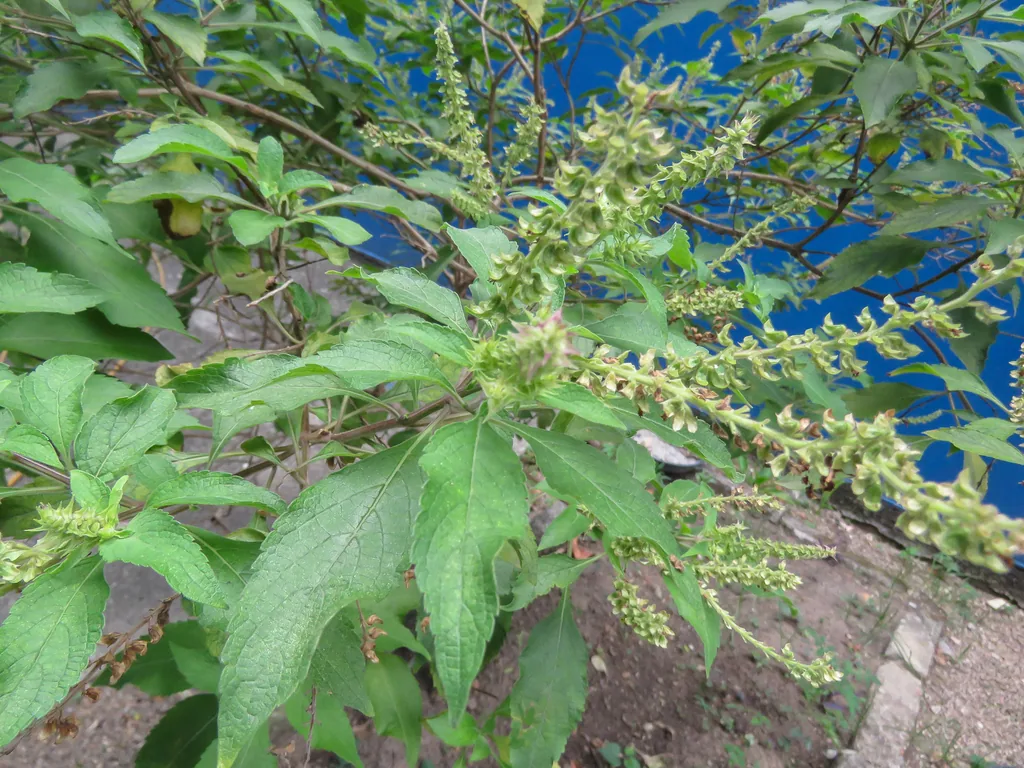
Corta los tallos sobre un par de hojas, antes de que florezca, mejor por la mañana
Qué dicen las fuentes (3)
Cosecha: Durante toda la temporada de crecimiento, antes de que florezcan las flores, preferiblemente por la mañana
Harvest the leaves and stems throughout the growing season, before flowers bloom, preferably in the morning.
— Herb Garden Plants: Basil [5] Cómo cosechar: Corta el tallo completo justo por encima de un par de hojas, dejando al menos la mitad de la planta; el nuevo crecimiento aparece en el punto de corte dentro de una semana. Cosecha hojas y tallos durante toda la temporada de crecimiento, antes de que florezcan, preferiblemente por la mañana.
When harvesting the foliage, cut the whole stem just above a pair of leaves, leaving at least half of the plants. New growth will appear at the cut point within a week.
— Growing Basil in Your Backyard | Flowers, Fruits, and Frass | Illinois Extension | Illinois [8] Harvest the leaves and stems throughout the growing season, before flowers bloom, preferably in the morning.
— Herb Garden Plants: Basil [5] - Plagas
Escarabajo japonés, pulgones, babosas y caracoles; el mildiu amarillea y ennegrece las hojas
Qué dicen las fuentes (6)
Plagas: Escarabajos japoneses, pulgones, babosas, caracoles, trips
Aphids and Japanese beetles are occasional insect problems.
— Ocimum basilicum (Basil, Genovese Basil, Purple Basil, Saint Joseph's Wort, Sweet Basil, Thai Basil) | North Carolina Extension Gardener Plant Toolbox [1] Occasionally, slugs and snails can eat holes in leaves, especially in plantings with too much shade or that are overly wet or crowded. Thrips may cause some leaf discoloration on occasion.
— Growing Basil in the Home Garden | Yard and Garden [6] Pests and Diseases: Japanese beetles, fungal root rot, fusarium wilt, and downy mildew (DM).
— Herb Garden Plants: Basil [5] Enfermedades: mildiú velloso de la albahaca, fusariosis, pudrición fúngica de raíces, moho gris, manchas foliares
Fusarium wilt and basil downy mildew are disease problems.
— Ocimum basilicum (Basil, Genovese Basil, Purple Basil, Saint Joseph's Wort, Sweet Basil, Thai Basil) | North Carolina Extension Gardener Plant Toolbox [1] Pests and Diseases: Japanese beetles, fungal root rot, fusarium wilt, and downy mildew (DM).
— Herb Garden Plants: Basil [5] While pests and diseases are not always a problem when growing basil, some common issues to watch out for are gray mold, leaf spots, and Japanese beetles.
— Growing Basil in Your Backyard | Flowers, Fruits, and Frass | Illinois Extension | Illinois [8] - Multiplicación
Por semilla o por esquejes de punta, que enraízan fácilmente en agua
Qué dicen las fuentes (4)
Propagación: Semilla; esquejes de tallo
Cuttings are easily rooted in water. Sterile cultivars are from stem cuttings or purchased as transplants.
— Herb Garden Plants: Basil [5] However, plants can also be propagated by cuttings and can successfully be grown indoors on a sunny windowsill.
— Growing Basil in the Home Garden | Yard and Garden [6] Esquejes: Los esquejes de punta, también de plantas que pasaron el invierno, enraízan fácilmente en agua; los cultivares estériles se propagan por esquejes.
Basil is easily grown from seed or from tip cuttings of overwintered plants.
— Basil | Herbs | Illinois Extension | Illinois [2] Easy to grow from seeds. - Cuttings are easily rooted in water. Sterile cultivars are from stem cuttings or purchased as transplants.
— Herb Garden Plants: Basil [5] - Siembra
Siembra a 6 mm de profundidad, con la tierra a 21 °C o más; germina en 5–14 días
Qué dicen las fuentes (4)
Profundidad de siembra: 0.6 cm (1/4 pulgada)
Plant seeds about ¼-inch deep and thin to 10 to 12 inches apart.
— Basil, A Summer Favorite [7] Sow seed ¼ inch deep outdoors in late spring to early summer after the risk of frost has passed
— Herb Garden Plants: Basil [5] Germinación: Germina y crece mejor a una temperatura del medio de al menos 21,1 °C [70 °F]; las semillas germinan en 5 a 14 días.
Because basil is sensitive to cold temperatures, seeds germinate and grow best when the media temperature is at least 70 degrees. Seeds will germinate in about 5 to 7 days.
— Basil | Herbs | Illinois Extension | Illinois [2] Seeds germinate in 1 to 2 weeks. Move seedlings outside when night temperatures are above 60°F
— Herb Garden Plants: Basil [5] - Maceta
Crece en maceta, incluso en interior; la maceta se seca antes que el suelo del huerto
Qué dicen las fuentes (7)
En maceta: Sí
It can also grow well in containers or raised beds that have adequate drainage.
— Growing Basil in Your Backyard | Flowers, Fruits, and Frass | Illinois Extension | Illinois [8] Basil is well-suited for growing in containers. It can also be grown indoors in a sunny window.
— Growing Basil in the Home Garden | Yard and Garden [6] En interior: Sí
Basil is easily grown as a window sill herb for fall, winter and early spring harvest.
— Basil | Herbs | Illinois Extension | Illinois [2] Can be grown in containers, both outdoors and indoors under lights.
— Herb Garden Plants: Basil [5] Notas sobre el riego: Riega en la base de la planta o usa riego por goteo para mantener el follaje seco; cubre con mantillo 2-3 pulgadas (5-7.6 cm) alrededor de la base para retener la humedad; las plantas en contenedores se secan más rápido que las que están en el suelo.
When watering basil, water at the base of the plant or use drip-irrigation, or drip hoses to ensure the foliage stays dry.
— Growing Basil in Your Backyard | Flowers, Fruits, and Frass | Illinois Extension | Illinois [8] Apply two to three inches of mulch around the base of basil to retain water moisture and reduce weeds around the plant.
— Growing Basil in Your Backyard | Flowers, Fruits, and Frass | Illinois Extension | Illinois [8] Plants grown in containers will dry out faster than in-ground.
— Growing Basil in Your Backyard | Flowers, Fruits, and Frass | Illinois Extension | Illinois [8] - Seguridad
No es tóxica para gatos ni perros; las hojas son comestibles
Resumen
La albahaca dulce es una hierba anual tierna cultivada por sus hojas fragantes comestibles. [2][1] Prefiere pleno sol y suelo húmedo y bien drenado, y se planta al aire libre después de la última helada. [1] El mildiu velloso de la albahaca es la enfermedad más grave, y existen cultivares resistentes disponibles. [6]
Citado en inglés, como en la fuente.
Cuidados
Las medidas entre corchetes son nuestra conversión al otro sistema de unidades; el texto citado no cambia.
Riego
Riego
Riega al menos una vez por semana, y con más frecuencia cuando las temperaturas sean altas.
Qué dicen las fuentes (1)
Depending on rainfall and temperatures, plan to water basil at least once a week, and more often when temperatures are hot.Notas sobre el riego
Riega en la base de la planta o usa riego por goteo para mantener el follaje seco; cubre con mantillo 2-3 pulgadas (5-7.6 cm) alrededor de la base para retener la humedad; las plantas en contenedores se secan más rápido que las que están en el suelo.
Qué dicen las fuentes (3)
When watering basil, water at the base of the plant or use drip-irrigation, or drip hoses to ensure the foliage stays dry.Apply two to three inches of mulch around the base of basil to retain water moisture and reduce weeds around the plant.Plants grown in containers will dry out faster than in-ground.Luz
Pleno sol a semisombra
Qué dicen las fuentes (1)
Light:
Full sun (6 or more hours of direct sunlight a day)
Partial Shade (Direct sunlight only part of the day, 2-6 hours)Clima y frío
Rusticidad, zona más fría
10a [mínima invernal de −1,1 a 1,7 °C (de 30 a 35 °F)]
Qué dicen las fuentes (1)
NC Region:
Coastal
Mountains
Piedmont
USDA Plant Hardiness Zone:
10a, 10bRusticidad, zona más cálida
10b [mínima invernal de 1,7 a 4,4 °C (de 35 a 40 °F)]
Qué dicen las fuentes (1)
NC Region:
Coastal
Mountains
Piedmont
USDA Plant Hardiness Zone:
10a, 10bDónde cultivarla
En interior
Sí
En maceta
Sí
Qué dicen las fuentes (2)
It can also grow well in containers or raised beds that have adequate drainage.Basil is well-suited for growing in containers. It can also be grown indoors in a sunny window.Distancia de plantación
Las fuentes dan valores distintos según la región, la zona o las condiciones de cultivo.
Lo que dice cada fuente
Según Penn State Extension (Herb Garden Plants): 30.5-45.7 cm (12-18 pulgadas)
Según Penn State Extension (Basil, A Summer Favorite): 25.4-30.5 cm (10-12 pulgadas)
Según Illinois Extension: Al menos 61.0 cm (2 pies)
Qué dicen las fuentes (3)
Según Penn State Extension (Herb Garden Plants): Space 12 to 18 inches apart for good airflow.Según Penn State Extension (Basil, A Summer Favorite): Plant seeds about ¼-inch deep and thin to 10 to 12 inches apart.Según Illinois Extension: Space plants at least 2 feet apart.Propagación
Semilla; esquejes de tallo
Qué dicen las fuentes (2)
Cuttings are easily rooted in water. Sterile cultivars are from stem cuttings or purchased as transplants.However, plants can also be propagated by cuttings and can successfully be grown indoors on a sunny windowsill.Cultivo
La planta
Ciclo de vida
anual
Qué dicen las fuentes (2)
Basil is one of the most popular and widely used culinary herb. It is a tender annual, aromatic plant with a spicy odor and flavor.Basil is a tender annual that will need to be replanted every season.Familia
Lamiaceae (familia de la menta)
Qué dicen las fuentes (2)
Sweet basil is an herb in the Lamiaceae (mint) family and native to the tropical regions of Africa and Asia.Botanical Name: Ocimum basilicum (OH-sih-mum bass-IL-ih-kum) Family: Lamiaceae (lay-mee-AY-see-ee); mintAltura adulta
Siembra y crecimiento
Días de germinación
Las fuentes no coinciden:
Profundidad de siembra
0.6 cm (1/4 pulgada)
Días hasta la madurez
28-35 (4 a 5 semanas desde la siembra, cultivo en maceta interior)
Qué dicen las fuentes (1)
Sow several seeds in a small pot filled with a prepared potting media. Keep moist and place in a full sun location. Harvesting can begin in about 4 to 5 weeks.Cosecha y conservación
Cómo cosechar
Corta el tallo completo justo por encima de un par de hojas, dejando al menos la mitad de la planta; el nuevo crecimiento aparece en el punto de corte dentro de una semana. Cosecha hojas y tallos durante toda la temporada de crecimiento, antes de que florezcan, preferiblemente por la mañana.
Qué dicen las fuentes (2)
When harvesting the foliage, cut the whole stem just above a pair of leaves, leaving at least half of the plants. New growth will appear at the cut point within a week.Harvest the leaves and stems throughout the growing season, before flowers bloom, preferably in the morning.Conservación
Mantén los tallos cortados durante unos días en un vaso de agua a temperatura ambiente; para almacenamiento más largo, congela las hojas picadas en bandejas de cubitos de hielo con agua, o sécalas
Qué dicen las fuentes (3)
Basil picked for use in the kitchen is best held in a glass of water at room temperature.Place whole leaves in a freezer-quality plastic bag, remove the air, and freeze. Alternatively, chop leaves into an ice cube tray and add either a little water or olive oilDrying basil on racks or trays is the preferred method, rather than tying it in bunches and hanging it.Plagas y enfermedades
Plagas
Escarabajos japoneses, pulgones, babosas, caracoles, trips
Qué dicen las fuentes (3)
Aphids and Japanese beetles are occasional insect problems.Occasionally, slugs and snails can eat holes in leaves, especially in plantings with too much shade or that are overly wet or crowded. Thrips may cause some leaf discoloration on occasion.Pests and Diseases: Japanese beetles, fungal root rot, fusarium wilt, and downy mildew (DM).Enfermedades
mildiú velloso de la albahaca, fusariosis, pudrición fúngica de raíces, moho gris, manchas foliares
Qué dicen las fuentes (3)
Fusarium wilt and basil downy mildew are disease problems.Pests and Diseases: Japanese beetles, fungal root rot, fusarium wilt, and downy mildew (DM).While pests and diseases are not always a problem when growing basil, some common issues to watch out for are gray mold, leaf spots, and Japanese beetles.Abonado
Cuándo
Cuando el crecimiento se ralentiza y el follaje se vuelve verde pálido
Qué dicen las fuentes (1)
If plant growth is reduced and the foliage has become a paler green color, basil can be cut back fertilized every three to four weeks with a liquid fertilizer, following directions on the manufacturer label.Frecuencia
Cada tres o cuatro semanas
Qué dicen las fuentes (1)
If plant growth is reduced and the foliage has become a paler green color, basil can be cut back fertilized every three to four weeks with a liquid fertilizer, following directions on the manufacturer label.Abonos minerales
Fertilizante líquido a las dosis indicadas en la etiqueta
Qué dicen las fuentes (1)
If plant growth is reduced and the foliage has become a paler green color, basil can be cut back fertilized every three to four weeks with a liquid fertilizer, following directions on the manufacturer label.Evitar
Fertilización pesada con nitrógeno, que afecta el sabor
Qué dicen las fuentes (1)
Plant in full sun with moist, well-drained soils and avoid heavy nitrogen fertilization. Too much nitrogen affects its flavor.Signos de carencia
Crecimiento lento y reducido, follaje verde pálido y hojas con menos sabor
Qué dicen las fuentes (2)
If plant growth is reduced and the foliage has become a paler green color, basil can be cut back fertilizedPoorly prepared soils that are low in nutrients result in slow growing basil that is not very flavorful.Signos de exceso
Sabor más pobre por exceso de nitrógeno
Qué dicen las fuentes (1)
Plant in full sun with moist, well-drained soils and avoid heavy nitrogen fertilization. Too much nitrogen affects its flavor.Distancias
Entre plantas
Las fuentes no coinciden:
Move seedlings outside when night temperatures are above 60°F and daytime temperatures are in the 80's. Space 12 to 18 inches apart for good airflow.
[5]Do not rush basil. Without heat, this herb won't grow. Plant seeds about ¼-inch deep and thin to 10 to 12 inches apart.
[7]When planting basil, proper spacing is crucial to provide good air circulation between the plants and decrease the likelihood of disease. Space plants at least 2 feet apart.
[8]
Propagación
Germinación
Germina y crece mejor a una temperatura del medio de al menos 21,1 °C [70 °F]; las semillas germinan en 5 a 14 días.
Qué dicen las fuentes (2)
Because basil is sensitive to cold temperatures, seeds germinate and grow best when the media temperature is at least 70 degrees. Seeds will germinate in about 5 to 7 days.Seeds germinate in 1 to 2 weeks. Move seedlings outside when night temperatures are above 60°FEsquejes
Los esquejes de punta, también de plantas que pasaron el invierno, enraízan fácilmente en agua; los cultivares estériles se propagan por esquejes.
Qué dicen las fuentes (2)
Basil is easily grown from seed or from tip cuttings of overwintered plants.Easy to grow from seeds. - Cuttings are easily rooted in water. Sterile cultivars are from stem cuttings or purchased as transplants.Tras la cosecha
Conservación
Por debajo de 4,4 °C [40 °F] las hojas se decoloran; los tallos cortados se conservan mejor en un vaso de agua a temperatura ambiente.
Lo que dice cada fuente
tallos cortados, en casa: Unos días en un vaso de agua a temperatura ambiente
Qué dicen las fuentes (2)
tallos cortados, en casa: Store cut basil stems for a few days in a glass of water at room temperature or up to a week in the refrigerator in a plastic bag wrapped in a paper towel.Temperatures below 40°F will discolor leaves, which is why stems of basil picked for use in the kitchen are best held in a glass of water at room temperatureCalor y sequía
Calor
Prospera en climas cálidos y no crece sin calor.
Lo que dice cada fuente
cultivar 'Genovese': Lento para formar tallo floral
Qué dicen las fuentes (3)
cultivar 'Genovese': an Italian strain, regarded as the best variety for pesto and garlic dishes. Dark green leaves up to 2 inches long. Slow to bolt.Learn more about growing basil, an herb that thrives in hot weather and has many culinary uses.Basil germinates around 70°F. Do not rush basil. Without heat, this herb won't grow.Problemas
Mildiú velloso de la albahaca
Síntoma: Amarillamiento entre las nervaduras y crecimiento gris y velloso en el envés de las hojas; las hojas luego se ennegrecen y mueren
Qué hacer: Embolsa y retira las plantas de inmediato; planta variedades resistentes, evita el hacinamiento y el riego por aspersión
Qué dicen las fuentes (2)
The first noticeable symptoms are yellowing between the veins, possibly imitating a nutritional deficiency.
— Growing Basil in the Home Garden | Yard and Garden [6] If you suspect downy mildew on your basil or find fuzzy growth on leaf undersides, bag and remove the plants immediately.
— Growing Basil in the Home Garden | Yard and Garden [6] Escarabajos japoneses
Síntoma: Follaje esqueletizado durante 4-6 semanas en verano
Qué hacer: Recoge a mano de las plantas y échalos en un cubo de agua jabonosa.
Qué dicen las fuentes (1)
Japanese beetles can skeletonize the foliage for 4-6 weeks during the summer. They should be hand-picked from the plants and dropped in a bucket of soapy water.
— Growing Basil in Your Backyard | Flowers, Fruits, and Frass | Illinois Extension | Illinois [8] Marchitez por Fusarium
Síntoma: La enfermedad de marchitez es problemática donde el patógeno es prevalente
Qué hacer: Cultivares resistentes como Nufar y Elidia
Qué dicen las fuentes (2)
Fusarium wilt can also be problematic in settings where the pathogen is prevalent.
— Growing Basil in the Home Garden | Yard and Garden [6] 'Nufar' | resistant to Fusarium wilt - 'Elidia' | compact habit and resistant to Fusarium wilt
— Growing Basil in the Home Garden | Yard and Garden [6]
Remedios
Cada remedio indica qué dicen las fuentes oficiales; los remedios tradicionales sin fuente oficial aparecen marcados. Los perjudiciales están para que sepas evitarlos.
Cuidar la planta
escarabajos japoneses
Recoge a mano en agua jabonosa Funciona
Cómo: Recoge los escarabajos de las plantas y échalos en un cubo de agua jabonosa.
Japanese beetles can skeletonize the foliage for 4-6 weeks during the summer. They should be hand-picked from the plants and dropped in a bucket of soapy water.
— Growing Basil in Your Backyard | Flowers, Fruits, and Frass | Illinois Extension | Illinois [8] Qué dicen las pruebas Japanese beetles can be hand-picked from the plants and crushed or dropped into soapy water.
— hgic.clemson.edu [9] cobertura flotante ligera Fuente oficial, sin prueba independiente
Cómo: Cubre las plantas con una cobertura flotante ligera para proteger el follaje de los escarabajos.
Plants can also be covered with a light-weight row cover to protect the foliage from the beetles.
— Growing Basil in Your Backyard | Flowers, Fruits, and Frass | Illinois Extension | Illinois [8]
pulgones
spray de jabón insecticida Funciona
Always spray plants in the early evening to reduce the chance of damage to the foliage from the insecticidal soap.
— hgic.clemson.edu [9] No matter which spray you use, always test it on a small section of the plant first and wait 24 hours to check for any leaf reactions.
— cultivatedearth.com [10] Apply treatments every 3–5 days while pests persist, but avoid spraying during the hottest part of the day to prevent leaf burn.
— cultivatedearth.com [10] Be aware that the products suggested to be combined in these home remedies may include additives that could harm the environment.
— extension.psu.edu [11] Cómo: Combina una cucharada de jabón líquido natural con un cuarto de galón de agua; rocía ligeramente, enfocándote en las áreas donde veas pulgones o ácaros.
Insecticidal soap is another gentle option: combine one tablespoon of natural liquid soap with a quart of water.
— cultivatedearth.com [10] Qué dicen las pruebas Aphids, spider mites, whiteflies and other soft-bodied pests can be controlled with an insecticidal soap, such as:
— hgic.clemson.edu [9] spray de aceite de neem No verificado
Remedio tradicional, no verificado por una fuente oficial.
No matter which spray you use, always test it on a small section of the plant first and wait 24 hours to check for any leaf reactions.
— cultivatedearth.com [10] Apply treatments every 3–5 days while pests persist, but avoid spraying during the hottest part of the day to prevent leaf burn.
— cultivatedearth.com [10] Cómo: Mezcla una cucharadita de aceite de neem puro con un cuarto de galón de agua y unas gotas de jabón líquido suave; rocía en ambos lados de las hojas por la mañana temprano o al final de la tarde.
orugas
spray de ajo o chile No verificado
Remedio tradicional, no verificado por una fuente oficial.
No matter which spray you use, always test it on a small section of the plant first and wait 24 hours to check for any leaf reactions.
— cultivatedearth.com [10] The pepper spray can be very potent if it gets on your skin or in your eyes.
— extension.psu.edu [11] Cómo: Remoja un diente de ajo triturado o un chile entero en agua caliente durante una hora, cuela la mezcla y rocíala sobre las hojas de albahaca.
babosas
tierra de diatomeas Funciona
Cómo: Espolvorea tierra de diatomeas sobre el mantillo alrededor de las plantas; vuelve a aplicar después de una lluvia o riego.
A better option is to cover the mulch with diatomaceous earth. Diatomaceous earth is very sharp and pierces the skin of soft-bodied slugs and snails
— gardeningknowhow.com [12] Qué dicen las pruebas Protect basil plants by sprinkling diatomaceous earth over the mulch around the plants. Diatomaceous earth is very sharp and scratches the skin of the soft-bodied slugs, resulting in their dehydration and death.
— hgic.clemson.edu [9] cáscaras de huevo trituradas o cenizas de madera No verificado
Remedio tradicional, no verificado por una fuente oficial.
Cómo: Esparce cáscaras de huevo trituradas o cenizas de madera alrededor de las plantas; tienen un efecto similar a la tierra de diatomeas.
trampas de cerveza Fuente oficial, sin prueba independiente
Cómo: Entierra platos poco profundos llenos de cerveza en el suelo para atraer y ahogar a los moluscos.
attract molluscs by leaving out organic matter such as lettuce or grapefruit skins, destroy any found feeding on lure; sink shallow dishes filled with beer into the soil to attract and drown the molluscs
— plantvillage.psu.edu [13] Recolección manual por la noche. Fuente oficial, sin prueba independiente
Cómo: Recoge las babosas a mano por la noche; retira la basura del jardín, las malas hierbas y los restos de plantas para reducir el hábitat húmedo.
Practice good garden sanitation by removing garden trash, weeds and plant debris to promote good air circulation and reduce moist habitat for slugs and snails; handpick slugs at night to decrease population
— plantvillage.psu.edu [13]
moscas blancas
siembra complementaria con caléndulas No verificado
Remedio tradicional, no verificado por una fuente oficial.
Cómo: Agrega plantas complementarias como caléndulas, que emiten químicos que repelen nematodos y moscas blancas, o ajo, conocido por disuadir a los pulgones.
Toxicidad
Según la fuente, citada textualmente. No es un consejo médico ni veterinario: si una persona o un animal pudo haber ingerido esta planta, contacta con un centro de toxicología o con un veterinario.
#fragrant leaves #edible leaves #non-toxic for cats #non-toxic for dogs #forb
[1]La fuente señala el riesgo para este animal pero no explica por qué.
Calendario
Siembra
Las fuentes dan valores distintos según la región, la zona o las condiciones de cultivo.
Lo que dice cada fuente
Según Penn State Extension (Herb Garden Plants): Al aire libre a fines de primavera hasta principios de verano después de que pase el riesgo de heladas; o en interiores 6 semanas antes de plantar al exterior
Según Iowa State Extension: En interiores 4 o 5 semanas antes de la última fecha de helada; al aire libre en primavera después de que las temperaturas nocturnas sean constantemente superiores a 50°F [10 °C]
Qué dicen las fuentes (3)
Según Penn State Extension (Herb Garden Plants): Sow seed ¼ inch deep outdoors in late spring to early summer after the risk of frost has passedSegún Iowa State Extension: Seed can also be sown directly in the ground outdoors in spring after night temperatures are consistently above 50°F.Sow seed ¼ inch deep outdoors in late spring to early summer after the risk of frost has passed, or start seeds indoors using a heat mat, 6 weeks before planting outside.Plantación
Al aire libre después de que haya pasado la posibilidad de heladas
Qué dicen las fuentes (1)
Basil is cold sensitive so it must be planted outdoors after the chance of frost has passed.Cosecha
Durante toda la temporada de crecimiento, antes de que florezcan las flores, preferiblemente por la mañana
Qué dicen las fuentes (1)
Harvest the leaves and stems throughout the growing season, before flowers bloom, preferably in the morning.Poda
Pellizca a mediados de primavera para promover la ramificación; una vez que las plántulas tengan sus primeras seis hojas, pellizca por encima del segundo conjunto
Meses tal como los dan las fuentes, en su mayoría de Estados Unidos (hemisferio norte). En el hemisferio sur se desplazan unos seis meses.
Respecto a las heladas
Estimación menos precisa: no hay ninguna estación meteorológica a menos de 300 km.
Busca las fechas de heladas por código postal o ciudad
Siembra en interior: 6 semanas antes de la última helada
You can start seeds indoors six weeks before the last spring frost in your area, or sow the seeds directly into a prepared garden bed outdoors.
— Basil, A Summer Favorite [7] Siembra en interior: de 4 a 5 semanas antes de la última helada
Start seeds indoors 4 or 5 weeks before the last frost date.
— Growing Basil in the Home Garden | Yard and Garden [6] Plantación: hacia la última helada
Plant basil outdoors after all danger of frost is past.
— Growing Basil in the Home Garden | Yard and Garden [6] Siembra al aire libre: hacia la última helada
Basil is cold sensitive so it must be planted outdoors after the chance of frost has passed.
— Growing Basil in Your Backyard | Flowers, Fruits, and Frass | Illinois Extension | Illinois [8]
Cuenta desde las fechas medias de las heladas de tu zona.
Comestibilidad
Según la fuente, citada textualmente. No comas una planta basándote solo en esta página: los errores de identificación pueden ser peligrosos.
Valores orientativos
Valores de una fuente secundaria, no comprobados palabra por palabra como el resto de esta página. Úselos como punto de partida.
- Horas de sol
- 8-12 horasValor orientativo, adáptalo a tu clima · Fuente secundaria
- Suelo
- Bien drenadoValor orientativo, adáptalo a tu clima · Fuente secundaria
- pH del suelo
- 6-7.5Valor orientativo, adáptalo a tu clima · Fuente secundaria
- Nivel de cuidado
- MedioValor orientativo, adáptalo a tu clima · Fuente secundaria
- Crecimiento
- AltaValor orientativo, adáptalo a tu clima · Fuente secundaria
Plantas similares
- Abeto de Vancuver Abies grandis
- Abraham Trachystemon orientalis
- Bananero de Etiopía Ensete ventricosum
- Acacia longifolia Acacia longifolia
- Acanthus hungaricus Acanthus hungaricus
- Achlys triphylla Achlys triphylla
- Palma de aguja Yucca flaccida
- Adriatic lizard orchid Himantoglossum adriaticum
Fuentes
Cada valor anterior se cita de estos documentos. Los enlaces llevan al editor original.
- Ocimum basilicum (Basil, Genovese Basil, Purple Basil, Saint Joseph's Wort, Sweet Basil, Thai Basil) | North Carolina Extension Gardener Plant Toolbox · plants.ces.ncsu.edu, consultado
- Basil | Herbs | Illinois Extension | Illinois · extension.illinois.edu, consultado
- Basil - Ocimum basilicum | North Carolina Extension Gardener Plant Toolbox · plants.ces.ncsu.edu, consultado
- Genovese Basil - Ocimum basilicum | North Carolina Extension Gardener Plant Toolbox · plants.ces.ncsu.edu, consultado
- Herb Garden Plants: Basil · extension.psu.edu, consultado
- Growing Basil in the Home Garden | Yard and Garden · yardandgarden.extension.iastate.edu, consultado
- Basil, A Summer Favorite · extension.psu.edu, consultado
- Growing Basil in Your Backyard | Flowers, Fruits, and Frass | Illinois Extension | Illinois · extension.illinois.edu, consultado
- hgic.clemson.edu · hgic.clemson.edu
- cultivatedearth.com · cultivatedearth.com
- extension.psu.edu · extension.psu.edu
- gardeningknowhow.com · gardeningknowhow.com
- plantvillage.psu.edu · plantvillage.psu.edu
Escrito por Emilio Marruso · última revisión