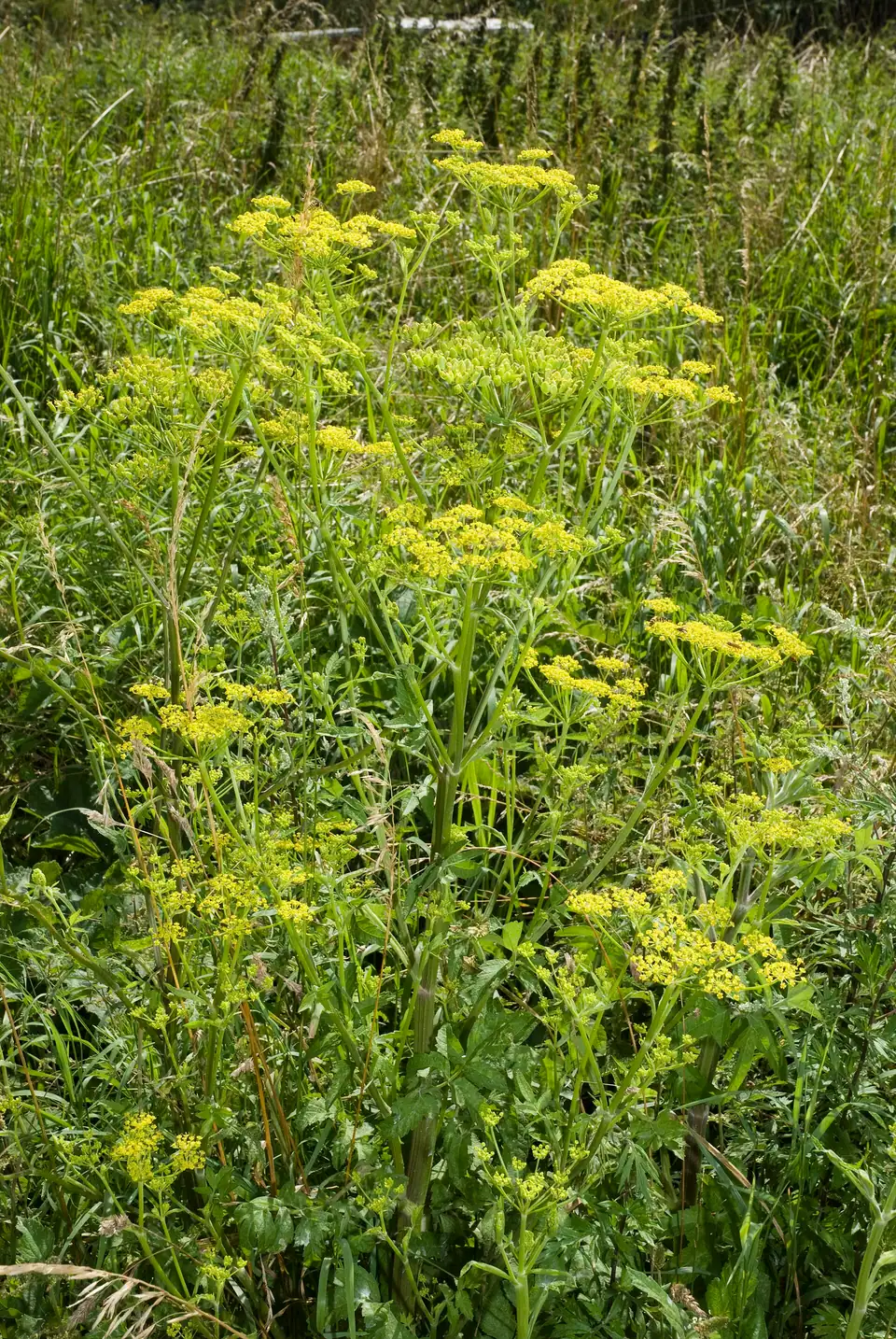
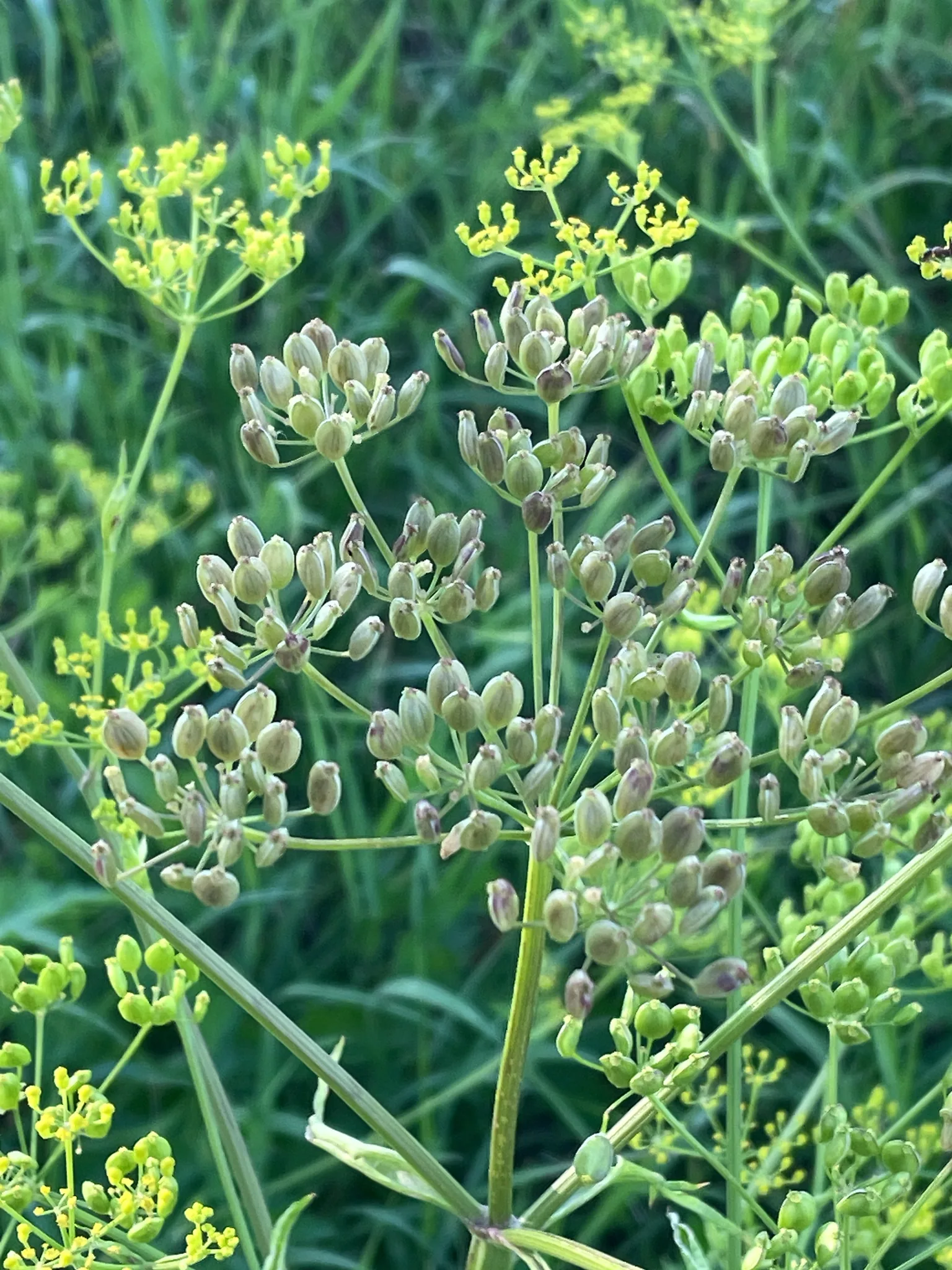

Cómo cultivar y cuidar Pastinaca
Pastinaca sativa
Escrito por Emilio Marruso · última revisión
Tóxica para: Gatos, Perros, Personas · Por qué
De un vistazo
La chirivía es un premio para el hortelano paciente: siémbrala directamente en la tierra a principios de primavera, 3–5 semanas antes de la última helada. Dale sol pleno y 2,5 cm de agua a la semana, y saca sus dulces raíces en otoño tras las primeras heladas ligeras, o déjalas hasta la primavera siguiente. Disfrútalas crudas, asadas, en puré o fritas.
- Sol
Sol pleno
Qué dicen las fuentes (2)
Luz: Pleno sol
Full sun (6 or more hours of direct sunlight a day)
— Pastinaca sativa (Parsnip, Parsnips, Wild Parsnip, Wild Parsnips) | North Carolina Extension Gardener Plant Toolbox [1] Parsnips require full sun for optimum development but will tolerate some very light shade.
— Parsnip | Diseases and Pests, Description, Uses, Propagation [3] - Riego
2,5 cm de agua a la semana; el acolchado conserva la humedad y frena las malas hierbas
Qué dicen las fuentes (2)
Riego: 2,5 cm (1 pulgada) de agua cada semana
Parsnips benefit from a plentiful moisture supply and should be provided with 2.5 cm (1 in) of water each week.
— Parsnip | Diseases and Pests, Description, Uses, Propagation [3] Notas sobre el riego: El acolchado conserva la humedad y reduce las malezas
Mulching around the plants helps to conserve moisture and reduce weeds.
— Parsnip | Diseases and Pests, Description, Uses, Propagation [3] - Suelo
Suelo de ligeramente ácido a ligeramente alcalino, pH 5,8–7,5
Qué dicen las fuentes (2)
pH del suelo, mínimo: 5.8
Parsnips grow best in a well-draining, loose, sandy soil which is free of large rocks and has a pH between 5.8 and 7.5.
— Parsnip | Diseases and Pests, Description, Uses, Propagation [3] pH del suelo, máximo: 7.5
Parsnips grow best in a well-draining, loose, sandy soil which is free of large rocks and has a pH between 5.8 and 7.5.
— Parsnip | Diseases and Pests, Description, Uses, Propagation [3] - Distancia
5–10 cm entre plantas después del aclareo
Qué dicen las fuentes (1)
Distancia de plantación: 5-10 cm (2-4 pulgadas) entre plantas, después del aclareo
thin them to a final spacing of 5–10 cm (2–4 in) between plants by snipping with scissors
— Parsnip | Diseases and Pests, Description, Uses, Propagation [3] - Abonado
Compost antes de sembrar y abono 5–6 semanas después; nada de estiércol fresco, bifurca las raíces
Qué dicen las fuentes (5)
Abonos naturales: Compost incorporado al suelo antes de plantar
It is also beneficial to work some compost into the soil prior to planting. Avoid using fresh manure as it can cause forking of the roots.
— Parsnip | Diseases and Pests, Description, Uses, Propagation [3] Cuándo: 5–6 semanas después de la siembra
Any weeds growing around the plants should be carefully removed. The plants should be fertilized 5–6 weeks after the seeds are sown.
— Parsnip | Diseases and Pests, Description, Uses, Propagation [3] Evitar: Estiércol fresco, que puede causar raíces bifurcadas; exceso de fertilización, que favorece enfermedades foliares
It is also beneficial to work some compost into the soil prior to planting. Avoid using fresh manure as it can cause forking of the roots.
— Parsnip | Diseases and Pests, Description, Uses, Propagation [3] Some cultural practices can control the disease: avoid planting in fields/areas known to previously had carrot spot; do not over-fertilize plants
— Parsnip | Diseases and Pests, Description, Uses, Propagation [3] Plant tolerant varieties; avoid excess fertilization; protective fungicide applications provide adequate protection
— Parsnip | Diseases and Pests, Description, Uses, Propagation [3] - Cosecha
Saca las dulces raíces en otoño tras las primeras heladas ligeras, o en la primavera siguiente
Qué dicen las fuentes (4)
Cosecha: Otoño después de las primeras heladas ligeras, o la primavera siguiente
parsnips should not be harvested until after the first light frosts in Fall, when the tops of the plants have frozen.
— Parsnip | Diseases and Pests, Description, Uses, Propagation [3] Parsnips are cool-season crops which can be planted in early Spring and left in the ground all summer for harvest in the Fall or in the spring of the following year.
— Parsnip | Diseases and Pests, Description, Uses, Propagation [3] Cómo cosechar: Cava suavemente alrededor de la planta para exponer la parte superior de la raíz, luego tira de la raíz firmemente desde el suelo justo por encima de la raíz; cosecha después de las primeras heladas ligeras en otoño
Parsnips are harvested by gently digging around the plant to expose the top of the root and gently, but firmly pulling the root from the soil by grasping the top of the parsnip just above the root.
— Parsnip | Diseases and Pests, Description, Uses, Propagation [3] For best results, parsnips should not be harvested until after the first light frosts in Fall, when the tops of the plants have frozen.
— Parsnip | Diseases and Pests, Description, Uses, Propagation [3] - Plagas
Mosca de la zanahoria, pulgón y gusanos grises; oídio y mildiu
Qué dicen las fuentes (9)
Plagas: pulgón de la zanahoria y el sauce, oruga de la remolacha, mosca de la zanahoria, gusanos cortadores
willow-carrot aphid will also attack parnip, parsley and celery
— Parsnip | Diseases and Pests, Description, Uses, Propagation [3] Carrot rust fly also attacks carrot, celery and other Umbelliferous crops which will also need to be protected if carrot rust fly is a problem
— Parsnip | Diseases and Pests, Description, Uses, Propagation [3] Insect can go through 3–5 generations a year
— Parsnip | Diseases and Pests, Description, Uses, Propagation [3] Cutworms have a wide host range and attack vegetables including asparagus, bean, cabbage and other crucifers, carrot, celery, corn, lettuce, pea, pepper, potato and tomato
— Parsnip | Diseases and Pests, Description, Uses, Propagation [3] Enfermedades: mancha de cavidad, damping-off, mildiú velloso, cancro de Itersonilia, mildiú polvoriento
Fungi can persist in soil for several years and disease outbreaks are associated with wet soils; flooded soil increases the number of cavities formed
— Parsnip | Diseases and Pests, Description, Uses, Propagation [3] Damping-off diseases favor conditions which slow seed germination; fungi can be spread in water, contaminated soil or on equipment
— Parsnip | Diseases and Pests, Description, Uses, Propagation [3] Disease affects young, tender leaves; disease emergence and spread is favored by prolonged leaf wetness
— Parsnip | Diseases and Pests, Description, Uses, Propagation [3] Disease typically emerges late in growing season and emergence is favored by cool, wet weather conditions
— Parsnip | Diseases and Pests, Description, Uses, Propagation [3] Fungus can spread long distances in air; disease emergence is favored by high humidity and moderate temperatures; infection is most severe in shaded areas
— Parsnip | Diseases and Pests, Description, Uses, Propagation [3] - Tamaño
De 0,9 a 1,8 m de alto
Qué dicen las fuentes (1)
Altura adulta: 90-180 cm (35-70 pulgadas)
The parsnip plant may grow to a height of 90–180 cm (35–70 in) in height and is usually grown as an annual for only one growing season.
— Parsnip | Diseases and Pests, Description, Uses, Propagation [3] - Multiplicación
Se multiplica por semilla sembrada directamente en la tierra
Qué dicen las fuentes (1)
Propagación: Siembra directa
Parsnip is usually direct seeded and should be planted 3–5 weeks before the last frost date.
— Parsnip | Diseases and Pests, Description, Uses, Propagation [3] - Siembra
Siembra a principios de primavera, 3–5 semanas antes de la última helada, a 1–2 cm de profundidad
Qué dicen las fuentes (3)
Siembra: Principios de primavera, 3-5 semanas antes de la última fecha de helada
Parsnip is usually direct seeded and should be planted 3–5 weeks before the last frost date.
— Parsnip | Diseases and Pests, Description, Uses, Propagation [3] Parsnips are cool-season crops which can be planted in early Spring and left in the ground all summer
— Parsnip | Diseases and Pests, Description, Uses, Propagation [3] Profundidad de siembra: 1.3-1.9 cm (0.5-0.75 pulgadas)
Sow seeds 1.3–1.9 cm (0.5–0.75 in) deep, planting 2–3 seeds per inch of row
— Parsnip | Diseases and Pests, Description, Uses, Propagation [3] - Maceta
Crece también en maceta
Qué dicen las fuentes (1)
En maceta: Sí
parsnips do very well in raised beds and can also be grown in containers.
— Parsnip | Diseases and Pests, Description, Uses, Propagation [3] - Seguridad
Usa guantes: la savia hace que la piel se queme y salgan ampollas al sol; dañina para gatos y perros
Resumen
El chirivía es una hortaliza de raíz bienal de estación fría de la familia de la zanahoria, cultivada por su raíz pivotante comestible. [1] Se siembra directamente a principios de primavera y se cosecha en otoño después de las primeras heladas ligeras o la primavera siguiente. [3] Todas las partes contienen furocumarinas que pueden causar quemaduras graves en la piel sensibles a la luz. [1]
Citado en inglés, como en la fuente.
Cuidados
Riego
Riego
2,5 cm (1 pulgada) de agua cada semana
Qué dicen las fuentes (1)
Parsnips benefit from a plentiful moisture supply and should be provided with 2.5 cm (1 in) of water each week.Notas sobre el riego
El acolchado conserva la humedad y reduce las malezas
Qué dicen las fuentes (1)
Mulching around the plants helps to conserve moisture and reduce weeds.Luz
Pleno sol
Qué dicen las fuentes (2)
Full sun (6 or more hours of direct sunlight a day)Parsnips require full sun for optimum development but will tolerate some very light shade.Suelo
pH del suelo, mínimo
5.8
Qué dicen las fuentes (1)
Parsnips grow best in a well-draining, loose, sandy soil which is free of large rocks and has a pH between 5.8 and 7.5.pH del suelo, máximo
7.5
Qué dicen las fuentes (1)
Parsnips grow best in a well-draining, loose, sandy soil which is free of large rocks and has a pH between 5.8 and 7.5.Dónde cultivarla
En maceta
Sí
Qué dicen las fuentes (1)
parsnips do very well in raised beds and can also be grown in containers.Distancia de plantación
5-10 cm (2-4 pulgadas) entre plantas, después del aclareo
Qué dicen las fuentes (1)
thin them to a final spacing of 5–10 cm (2–4 in) between plants by snipping with scissorsPropagación
Siembra directa
Qué dicen las fuentes (1)
Parsnip is usually direct seeded and should be planted 3–5 weeks before the last frost date.Cultivo
La planta
Ciclo de vida
bienal
Qué dicen las fuentes (2)
Wild parsnip is a biennial cool-season vegetable in the carrot (Apiaceae) family and is native to Eurasia.Parsnip, Pastinaca sativa , is an herbaceous biennial plant in the family Apiaceae grown for its edible taproot resembling a pale carrot.Familia
Apiaceae
Qué dicen las fuentes (1)
Wild parsnip is a biennial cool-season vegetable in the carrot (Apiaceae) family and is native to Eurasia.Altura adulta
90-180 cm (35-70 pulgadas)
Qué dicen las fuentes (1)
The parsnip plant may grow to a height of 90–180 cm (35–70 in) in height and is usually grown as an annual for only one growing season.Siembra y crecimiento
Profundidad de siembra
1.3-1.9 cm (0.5-0.75 pulgadas)
Qué dicen las fuentes (1)
Sow seeds 1.3–1.9 cm (0.5–0.75 in) deep, planting 2–3 seeds per inch of rowCosecha y conservación
Cómo cosechar
Cava suavemente alrededor de la planta para exponer la parte superior de la raíz, luego tira de la raíz firmemente desde el suelo justo por encima de la raíz; cosecha después de las primeras heladas ligeras en otoño
Qué dicen las fuentes (2)
Parsnips are harvested by gently digging around the plant to expose the top of the root and gently, but firmly pulling the root from the soil by grasping the top of the parsnip just above the root.For best results, parsnips should not be harvested until after the first light frosts in Fall, when the tops of the plants have frozen.Conservación
Retuerce las puntas, lava las raíces y refrigéralas en bolsas herméticas, o guárdalas en arena húmeda
Qué dicen las fuentes (1)
Parsnip tops should be twisted off and the roots washed prior to refrigeration in airtight bags. Parsnips may also be stored in moist sand to keep them fresh prior to use.Plagas y enfermedades
Plagas
pulgón de la zanahoria y el sauce, oruga de la remolacha, mosca de la zanahoria, gusanos cortadores
Qué dicen las fuentes (4)
willow-carrot aphid will also attack parnip, parsley and celeryCarrot rust fly also attacks carrot, celery and other Umbelliferous crops which will also need to be protected if carrot rust fly is a problemInsect can go through 3–5 generations a yearCutworms have a wide host range and attack vegetables including asparagus, bean, cabbage and other crucifers, carrot, celery, corn, lettuce, pea, pepper, potato and tomatoEnfermedades
mancha de cavidad, damping-off, mildiú velloso, cancro de Itersonilia, mildiú polvoriento
Qué dicen las fuentes (5)
Fungi can persist in soil for several years and disease outbreaks are associated with wet soils; flooded soil increases the number of cavities formedDamping-off diseases favor conditions which slow seed germination; fungi can be spread in water, contaminated soil or on equipmentDisease affects young, tender leaves; disease emergence and spread is favored by prolonged leaf wetnessDisease typically emerges late in growing season and emergence is favored by cool, wet weather conditionsFungus can spread long distances in air; disease emergence is favored by high humidity and moderate temperatures; infection is most severe in shaded areasAbonado
Cuándo
5–6 semanas después de la siembra
Qué dicen las fuentes (1)
Any weeds growing around the plants should be carefully removed. The plants should be fertilized 5–6 weeks after the seeds are sown.Abonos naturales
Compost incorporado al suelo antes de plantar
Qué dicen las fuentes (1)
It is also beneficial to work some compost into the soil prior to planting. Avoid using fresh manure as it can cause forking of the roots.Evitar
Estiércol fresco, que puede causar raíces bifurcadas; exceso de fertilización, que favorece enfermedades foliares
Qué dicen las fuentes (3)
It is also beneficial to work some compost into the soil prior to planting. Avoid using fresh manure as it can cause forking of the roots.Some cultural practices can control the disease: avoid planting in fields/areas known to previously had carrot spot; do not over-fertilize plantsPlant tolerant varieties; avoid excess fertilization; protective fungicide applications provide adequate protectionProblemas
Marchitez de las plántulas
Síntoma: Semillas podridas que no germinan y colapso de las plántulas emergidas
Qué hacer: Evita suelos con mal drenaje, fríos y húmedos; los bancales elevados mejoran el drenaje
Qué dicen las fuentes (2)
Soft, rotting seeds which fail to germinate; rapid death of seedling prior to emergence from soil; collpase of seedlings after they have emerged from the soil caused by water-soaked reddish lesions girdling the stem at the soil line
— Parsnip | Diseases and Pests, Description, Uses, Propagation [3] Avoid planting parsnips in poorly draining, cool, wet soil; planting in raised beds will help with soil drainage
— Parsnip | Diseases and Pests, Description, Uses, Propagation [3] Mildiu polvoriento
Síntoma: Crecimiento pulverulento en hojas y tallos florales, hojas cloróticas
Qué hacer: Planta variedades tolerantes; evita el exceso de fertilización
Qué dicen las fuentes (2)
Powdery growth on leaves, petioles flowers stalks and bracts; leaves becoming chlorotic
— Parsnip | Diseases and Pests, Description, Uses, Propagation [3] Plant tolerant varieties; avoid excess fertilization; protective fungicide applications provide adequate protection
— Parsnip | Diseases and Pests, Description, Uses, Propagation [3]
Remedios
Cada remedio indica qué dicen las fuentes oficiales; los remedios tradicionales sin fuente oficial aparecen marcados. Los perjudiciales están para que sepas evitarlos.
Primeros auxilios
Primeros auxilios: no sustituyen al médico
fitofotodermatitis por savia
lava la piel con agua y jabón y evita la luz solar Fuente oficial, sin prueba independiente
If sap comes in contact with skin, avoid exposure to sunlight, immediately wash skin with soap and water, and seek medical attention.
— mda.state.mn.us [4] Cómo: Si la savia entra en contacto con la piel, evita la exposición a la luz solar y lava inmediatamente la piel con agua y jabón.
If sap comes in contact with skin, avoid exposure to sunlight, immediately wash skin with soap and water, and seek medical attention.
— mda.state.mn.us [4]
Cuidar la planta
pulgones
jabón insecticida o aceite de neem en aerosol Funciona
Cómo: Jabones insecticidas o aceites como el de neem o el de canola; revisa la etiqueta del producto para conocer las pautas de uso.
insecticidal soaps or oils such as neem or canola oil are usually the best method of control
— Parsnip | Diseases and Pests, Description, Uses, Propagation [3] Qué dicen las pruebas insecticidal soaps or oils such as neem or canola oil are usually the best method of control
— Parsnip | Diseases and Pests, Description, Uses, Propagation [3] fuerte chorro de agua Funciona
Cómo: Rocía las plantas resistentes con un chorro fuerte de agua para eliminar los pulgones de las hojas.
sturdy plants can be sprayed with a strong jet of water to knock aphids from leaves
— Parsnip | Diseases and Pests, Description, Uses, Propagation [3] Qué dicen las pruebas sturdy plants can be sprayed with a strong jet of water to knock aphids from leaves
— Parsnip | Diseases and Pests, Description, Uses, Propagation [3]
mosca de la zanahoria
cubiertas flotantes para hileras Funciona
Cómo: Instala cubiertas de hilera antes de que la mosca adulta ponga huevos en las plantas.
Use of row covers will help to protect plants from damage but they must be installed before adult fly lays eggs on plants
— Parsnip | Diseases and Pests, Description, Uses, Propagation [3] Qué dicen las pruebas Use of row covers will help to protect plants from damage but they must be installed before adult fly lays eggs on plants
— Parsnip | Diseases and Pests, Description, Uses, Propagation [3]
mildiu polvoriento
rociado con bicarbonato de sodio No verificado
Remedio tradicional, no verificado por una fuente oficial.
Cómo: Elimina las hojas infectadas de inmediato y rocía con una solución de bicarbonato de sodio o aceite de neem.
babosas
trampas de cerveza No verificado
Remedio tradicional, no verificado por una fuente oficial.
Cómo: Recoge a mano al amanecer o al anochecer y usa trampas de cerveza o barreras de cobre.
cancro de Itersonilia
Mantén los hombros de las raíces cubiertos con tierra Funciona en parte
Cómo: Mantén los hombros de las raíces de la chirivía cubiertos con tierra durante toda la temporada de crecimiento.
The disease can be reduced by keeping the shoulder of parsnip roots covered with soil throughout the growing season
— Parsnip | Diseases and Pests, Description, Uses, Propagation [3] Qué dicen las pruebas The disease can be reduced by keeping the shoulder of parsnip roots covered with soil throughout the growing season
— Parsnip | Diseases and Pests, Description, Uses, Propagation [3]
gusanos cortadores
Collares de plástico o papel de aluminio Funciona
Cómo: Coloca collares alrededor de los tallos de las plantas para cubrir los 3 pulgadas inferiores por encima de la línea del suelo, extendiéndose un par de pulgadas hacia el suelo.
plastic or foil collars fitted around plant stems to cover the bottom 3 inches above the soil line and extending a couple of inches into the soil can prevent larvae severing plants
— Parsnip | Diseases and Pests, Description, Uses, Propagation [3] Qué dicen las pruebas plastic or foil collars fitted around plant stems to cover the bottom 3 inches above the soil line and extending a couple of inches into the soil can prevent larvae severing plants
— Parsnip | Diseases and Pests, Description, Uses, Propagation [3]
Cómo eliminarla
Chirivía silvestre
Corta el césped antes de que produzca semillas. Funciona en parte
Mowing too early will allow secondary flowering stalks to develop, mowing too late will result in the formation of viable seed.
— crops.extension.iastate.edu [5] ALWAYS wear proper clothing and gloves that protect the skin from contact with the toxic plant sap of this plant .
— mda.state.mn.us [4] Cómo: Corta o siega los grupos grandes antes de la floración y repite durante la temporada y durante varios años; limpia el equipo después.
Mowing or cutting stands larger stands prior to flowering in June will kill a majority of mature plants and significantly reduce seed production.
— mda.state.mn.us [4] Qué dicen las pruebas To be effective, mowing should be made after the flower heads (umbels) have emerged, but before seeds have matured.
— crops.extension.iastate.edu [5] excavación de rosetas con una pala Funciona
ALWAYS wear proper clothing and gloves that protect the skin from contact with the toxic plant sap of this plant .
— mda.state.mn.us [4] Cómo: Corta la raíz principal de 1 a 2 pulgadas por debajo de la superficie del suelo con una pala o pala afilada, luego revisa el sitio para ver si vuelve a brotar.
Rosettes and recently bolted stems (prior to seed-set) may also be killed by using a sharp spade or shovel to sever the tap root 1- 2 inches below the soil surface.
— mda.state.mn.us [4] Qué dicen las pruebas Management techniques to eradicate wild parsnip and poison hemlock include discouraging growth and development through dense competitive plantings of desirable plants, carefully pulling and digging, mowing to prevent seed set, and herbicides.
— yardandgarden.extension.iastate.edu [6] Arranca con las manos y usa guantes. Funciona en parte
Hand pulling is not recommended as the sap is toxic to human skin.
— mda.state.mn.us [4] Cómo: Un número pequeño de plantas se puede eliminar a mano con guantes y ropa que protejan la piel de la savia.
Small numbers of plants can be removed by hand if using gloves and clothing to protect the skin from sap exposure.
— mda.state.mn.us [4] Qué dicen las pruebas Control of this weed takes special care. It is important to reduce contact with these species by doing things like wearing good waterproof gloves, long sleeves & pants, protective eyewear, and closed-toed shoes.
— yardandgarden.extension.iastate.edu [6]
Venenosa para los animales
Según la fuente, citada textualmente. No es un consejo médico ni veterinario: si una persona o un animal pudo haber ingerido esta planta, contacta con un centro de toxicología o con un veterinario.
Animales
Resistance To Challenges: Deer Drought Dry Soil Problems: Poisonous to Humans Problem for Cats Problem for Children Problem for Dogs Weedy
[1]La fuente señala el riesgo para este animal pero no explica por qué.
Personas
Poison Severity: Medium Poison Symptoms: Causes skin to become light sensitive, leading to severe burns and blisters. Wear protective equipment when dealing with this plant
[1]- Partes venenosas
Poison Toxic Principle: Furanocoumarin Causes Contact Dermatitis: Yes Poison Part: Flowers Fruits Leaves Sap/Juice Seeds Stems
[1]- Principio tóxico
Poison Toxic Principle: Furanocoumarin Causes Contact Dermatitis: Yes Poison Part: Flowers Fruits Leaves Sap/Juice Seeds Stems
[1]- Síntomas
Poison Severity: Medium Poison Symptoms: Causes skin to become light sensitive, leading to severe burns and blisters. Wear protective equipment when dealing with this plant
[1]- Gravedad
This plant has medium severity poison characteristics. See below
[1]
Calendario
Siembra
Principios de primavera, 3-5 semanas antes de la última fecha de helada
Qué dicen las fuentes (2)
Parsnip is usually direct seeded and should be planted 3–5 weeks before the last frost date.Parsnips are cool-season crops which can be planted in early Spring and left in the ground all summerCosecha
Otoño después de las primeras heladas ligeras, o la primavera siguiente
Qué dicen las fuentes (2)
parsnips should not be harvested until after the first light frosts in Fall, when the tops of the plants have frozen.Parsnips are cool-season crops which can be planted in early Spring and left in the ground all summer for harvest in the Fall or in the spring of the following year.Meses tal como los dan las fuentes, en su mayoría de Estados Unidos (hemisferio norte). En el hemisferio sur se desplazan unos seis meses.
Respecto a las heladas
Estimación menos precisa: no hay ninguna estación meteorológica a menos de 300 km.
Busca las fechas de heladas por código postal o ciudad
Siembra al aire libre: de 3 a 5 semanas antes de la última helada
Parsnip is usually direct seeded and should be planted 3–5 weeks before the last frost date.
— Parsnip | Diseases and Pests, Description, Uses, Propagation [3]
Cuenta desde las fechas medias de las heladas de tu zona.
Comestibilidad
Según la fuente, citada textualmente. No comas una planta basándote solo en esta página: los errores de identificación pueden ser peligrosos.
Plantas similares
- Apio caballar Smyrnium olusatrum
- Angélica Angelica archangelica
- Appalachian Angelica Angelica triquinata
- Asiatic pennywort Centella asiatica
- Bishop's Weed Ammi majus
- Common Hedge Parsley Torilis arvensis
- Cilantro Coriandrum sativum
- Perifollo verde Anthriscus sylvestris
Fuentes
Cada valor anterior se cita de estos documentos. Los enlaces llevan al editor original.
- Pastinaca sativa (Parsnip, Parsnips, Wild Parsnip, Wild Parsnips) | North Carolina Extension Gardener Plant Toolbox · plants.ces.ncsu.edu, consultado
- Wild Parsnip · u.osu.edu, consultado
- Parsnip | Diseases and Pests, Description, Uses, Propagation · plantvillage.psu.edu, consultado
- mda.state.mn.us · mda.state.mn.us
- crops.extension.iastate.edu · crops.extension.iastate.edu
- yardandgarden.extension.iastate.edu · yardandgarden.extension.iastate.edu
Escrito por Emilio Marruso · última revisión