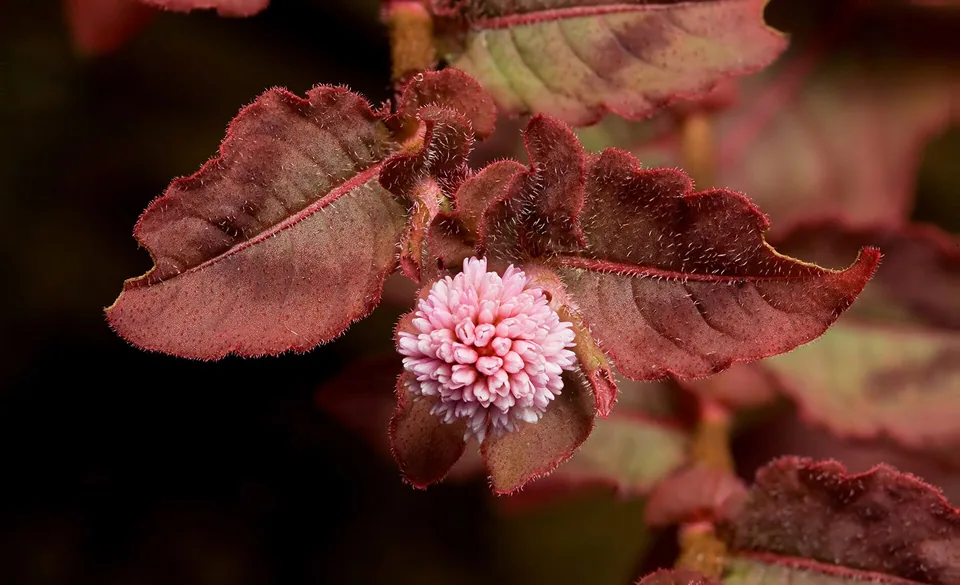
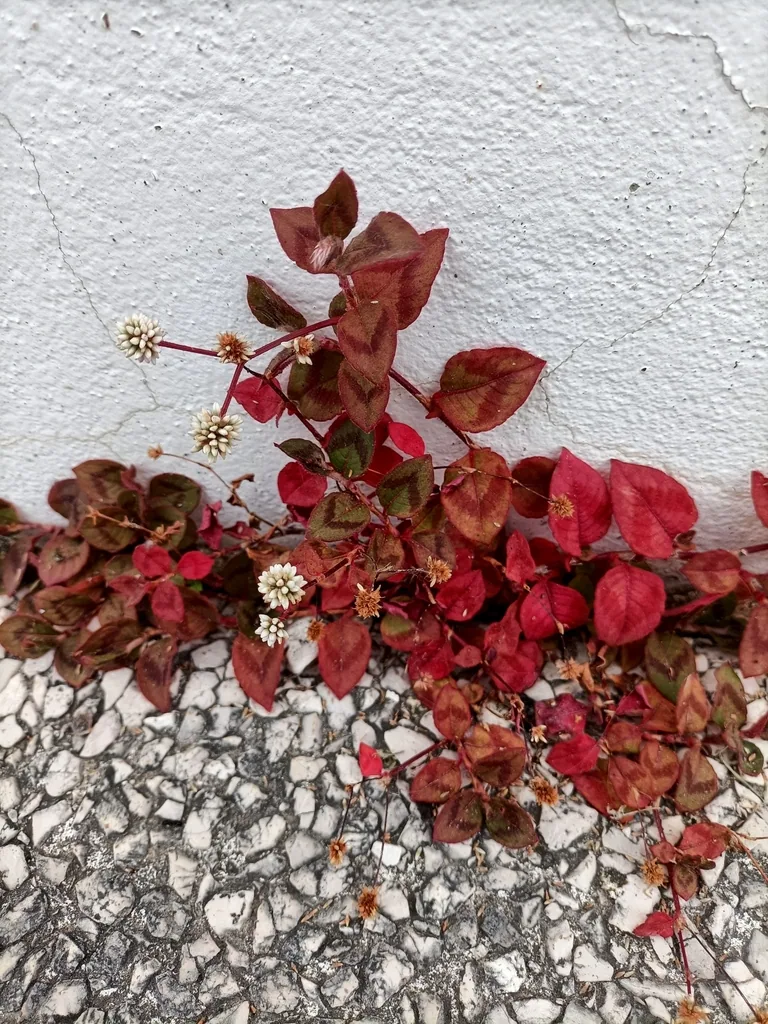

Cómo cultivar y cuidar Persicaria capitata
Persicaria capitata
Escrito por Emilio Marruso · última revisión
De un vistazo
Esta planta agradecida crece feliz al sol o en semisombra y no le importa un suelo seco y arenoso. Siémbrala al aire libre cuando ya no haya riesgo de heladas, o empiézala en interior donde la temporada de cultivo es corta, y mantén la tierra húmeda hasta que broten las semillas. Se extiende con ganas, así que una maceta o un bancal elevado la mantiene donde tú quieres.
- Sol
Sol o semisombra
Qué dicen las fuentes (1)
Luz: Sol a semisombra
grows in both sun and partial shade in U.S. Department of Agriculture plant hardiness zones 8 through 11.
— Pink Knotweed Information - Learn About Pinkhead Knotweed Plants | Gardening Know How [4] - Riego
Mantén la tierra húmeda después de sembrar hasta que broten las semillas
Qué dicen las fuentes (2)
Notas sobre el riego: Mantén la tierra húmeda después de sembrar hasta que broten las semillas; tolera suelos secos y arenosos
Moisten the soil and press in the seeds. Keep the soil moist until you see the seeds sprout.
— Pink Knotweed Information - Learn About Pinkhead Knotweed Plants | Gardening Know How [4] It thrives in almost any soil, including dry and sandy soil , and grows in both sun and partial shade
— Pink Knotweed Information - Learn About Pinkhead Knotweed Plants | Gardening Know How [4] - Frío
Aguanta inviernos de hasta −12,2 °C (10 °F)
Rústica en inviernos fríos · USDA 8 · RHS H5 · Z8
Qué dicen las fuentes (2)
Rusticidad, zona más fría: 8 [mínima invernal de −12,2 a −6,7 °C (de 10 a 20 °F)]
grows in both sun and partial shade in U.S. Department of Agriculture plant hardiness zones 8 through 11.
— Pink Knotweed Information - Learn About Pinkhead Knotweed Plants | Gardening Know How [4] Rusticidad, zona más cálida: 11 [mínima invernal de 4,4 a 10 °C (de 40 a 50 °F)]
grows in both sun and partial shade in U.S. Department of Agriculture plant hardiness zones 8 through 11.
— Pink Knotweed Information - Learn About Pinkhead Knotweed Plants | Gardening Know How [4] - Suelo
Aguanta suelos secos y arenosos
Qué dicen las fuentes (2)
Notas sobre el riego: Mantén la tierra húmeda después de sembrar hasta que broten las semillas; tolera suelos secos y arenosos
Moisten the soil and press in the seeds. Keep the soil moist until you see the seeds sprout.
— Pink Knotweed Information - Learn About Pinkhead Knotweed Plants | Gardening Know How [4] It thrives in almost any soil, including dry and sandy soil , and grows in both sun and partial shade
— Pink Knotweed Information - Learn About Pinkhead Knotweed Plants | Gardening Know How [4] - Atención
Se extiende donde no la quieres: cultívala en bancales elevados o en maceta
- Multiplicación
Se multiplica por semilla
Qué dicen las fuentes (1)
Propagación: Semilla
Fill small pots with good seed-starting soil . Moisten the soil and press in the seeds.
— Pink Knotweed Information - Learn About Pinkhead Knotweed Plants | Gardening Know How [4] - Siembra
Siembra al aire libre sin riesgo de heladas; en interior donde la temporada de cultivo es corta
Qué dicen las fuentes (3)
Siembra: Al aire libre después de que pase el riesgo de heladas; en interiores en zonas con temporadas de crecimiento cortas
regiones con temporadas de crecimiento largas: If you live in a region with a long growing season, start the seeds outdoors in weed-free soil once the risk of frost is passed.
— Pink Knotweed Information - Learn About Pinkhead Knotweed Plants | Gardening Know How [4] zonas con temporadas de crecimiento cortas: In areas with short growing seasons, start them indoors. Fill small pots with good seed-starting soil .
— Pink Knotweed Information - Learn About Pinkhead Knotweed Plants | Gardening Know How [4] If you live in a region with a long growing season, start the seeds outdoors in weed-free soil once the risk of frost is passed.
— Pink Knotweed Information - Learn About Pinkhead Knotweed Plants | Gardening Know How [4] - Maceta
Crece bien en maceta, que además evita que se extienda
Qué dicen las fuentes (1)
En maceta: Sí
The plant looks especially lovely in raised beds or containers where it can spill over the edges (and control its spread).
— Pink Knotweed Information - Learn About Pinkhead Knotweed Plants | Gardening Know How [4]
Resumen
La hierba nudosa de cabeza rosada es una perenne de hoja perenne que forma matas, originaria de Asia, cultivada como cubresuelos de jardín. [2][1] Se extiende libremente y puede ser invasiva; una vez establecida fuera del cultivo, puede ser difícil de erradicar. [2][1] No es muy resistente al frío; tolera períodos cortos de hasta alrededor de -5 a -8°C [41–46 °F] cuando está completamente inactiva. [2]
Citado en inglés, como en la fuente.
Esta ficha está incompleta: las fuentes consultadas aún no cubren todos los campos.
Aún no cubierto por nuestras fuentes: Riego, Poda
Cuidados
Las medidas entre corchetes son nuestra conversión al otro sistema de unidades; el texto citado no cambia.
Riego
Riego
No figura en las fuentes consultadas.
Notas sobre el riego
Mantén la tierra húmeda después de sembrar hasta que broten las semillas; tolera suelos secos y arenosos
Qué dicen las fuentes (2)
Moisten the soil and press in the seeds. Keep the soil moist until you see the seeds sprout.It thrives in almost any soil, including dry and sandy soil , and grows in both sun and partial shadeLuz
Sol a semisombra
Qué dicen las fuentes (1)
grows in both sun and partial shade in U.S. Department of Agriculture plant hardiness zones 8 through 11.Clima y frío
Rusticidad, zona más fría
8 [mínima invernal de −12,2 a −6,7 °C (de 10 a 20 °F)]
Qué dicen las fuentes (1)
grows in both sun and partial shade in U.S. Department of Agriculture plant hardiness zones 8 through 11.Rusticidad, zona más cálida
11 [mínima invernal de 4,4 a 10 °C (de 40 a 50 °F)]
Qué dicen las fuentes (1)
grows in both sun and partial shade in U.S. Department of Agriculture plant hardiness zones 8 through 11.Dónde cultivarla
Sí
Qué dicen las fuentes (1)
The plant looks especially lovely in raised beds or containers where it can spill over the edges (and control its spread).Propagación
Semilla
Qué dicen las fuentes (1)
Fill small pots with good seed-starting soil . Moisten the soil and press in the seeds.Problemas
Propagación invasiva
Síntoma: Se extiende donde no se desea y escapa del cultivo
Qué hacer: Cultívala en camas elevadas o contenedores para controlar su propagación
Qué dicen las fuentes (1)
The plant looks especially lovely in raised beds or containers where it can spill over the edges (and control its spread).
— Pink Knotweed Information - Learn About Pinkhead Knotweed Plants | Gardening Know How [4]
Remedios
Cada remedio indica qué dicen las fuentes oficiales; los remedios tradicionales sin fuente oficial aparecen marcados. Los perjudiciales están para que sepas evitarlos.
Cómo eliminarla
propagación invasiva
Excavando. No verificado
Remedio tradicional, no verificado por una fuente oficial.
Cómo: Excava la planta; todas las partes requieren eliminación, al compostaje o al vertedero.
seguimiento y replantación densa No verificado
Remedio tradicional, no verificado por una fuente oficial.
Cómo: Haz seguimiento de las zonas tratadas 3 veces al año; después de 2-3 tratamientos, favorece la regeneración nativa o replanta para establecer una cobertura densa del suelo y minimizar la reinvasión.
Calendario
Siembra
Al aire libre después de que pase el riesgo de heladas; en interiores en zonas con temporadas de crecimiento cortas
Lo que dice cada fuente
regiones con temporadas de crecimiento largas: Al aire libre una vez que haya pasado el riesgo de heladas
zonas con temporadas de crecimiento cortas: Comienza en interiores
Qué dicen las fuentes (3)
regiones con temporadas de crecimiento largas: If you live in a region with a long growing season, start the seeds outdoors in weed-free soil once the risk of frost is passed.zonas con temporadas de crecimiento cortas: In areas with short growing seasons, start them indoors. Fill small pots with good seed-starting soil .If you live in a region with a long growing season, start the seeds outdoors in weed-free soil once the risk of frost is passed.Poda
No figura en las fuentes consultadas.
Meses tal como los dan las fuentes, en su mayoría de Estados Unidos (hemisferio norte). En el hemisferio sur se desplazan unos seis meses.
Plantas similares
- Jumpseed Persicaria virginiana
- Coriandro de Vietnam Persicaria odorata
- Abeto de Vancuver Abies grandis
- Acanthus hungaricus Acanthus hungaricus
- Achlys triphylla Achlys triphylla
- Acónito común Aconitum napellus
- Afghan Redbud Cercis griffithii
- African Blood Lily Scadoxus multiflorus
Fuentes
Cada valor anterior se cita de estos documentos. Los enlaces llevan al editor original.
- Persicaria capitata - FNA · floranorthamerica.org, consultado
- Persicaria capitata - Useful Temperate Plants · temperate.theferns.info, consultado
- Flora of New Zealand | Taxon Profile | Persicaria capitata · nzflora.info, consultado
- Pink Knotweed Information - Learn About Pinkhead Knotweed Plants | Gardening Know How · gardeningknowhow.com, consultado
Escrito por Emilio Marruso · última revisión