
Cómo cultivar y cuidar Coriandro de Vietnam
Persicaria odorata
Escrito por Emilio Marruso · última revisión
Tóxica para: Gatos, Perros, Personas · Por qué
De un vistazo
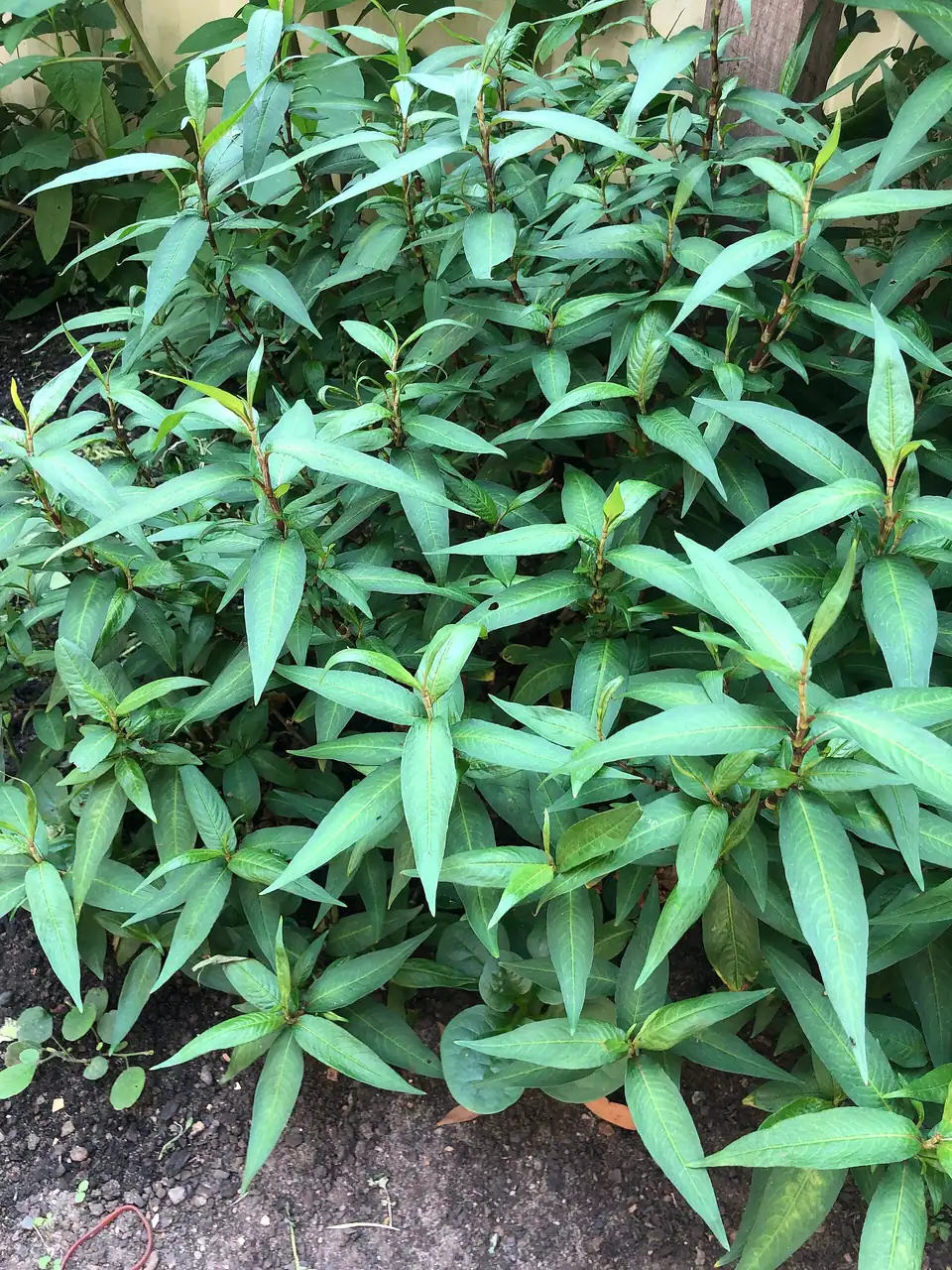
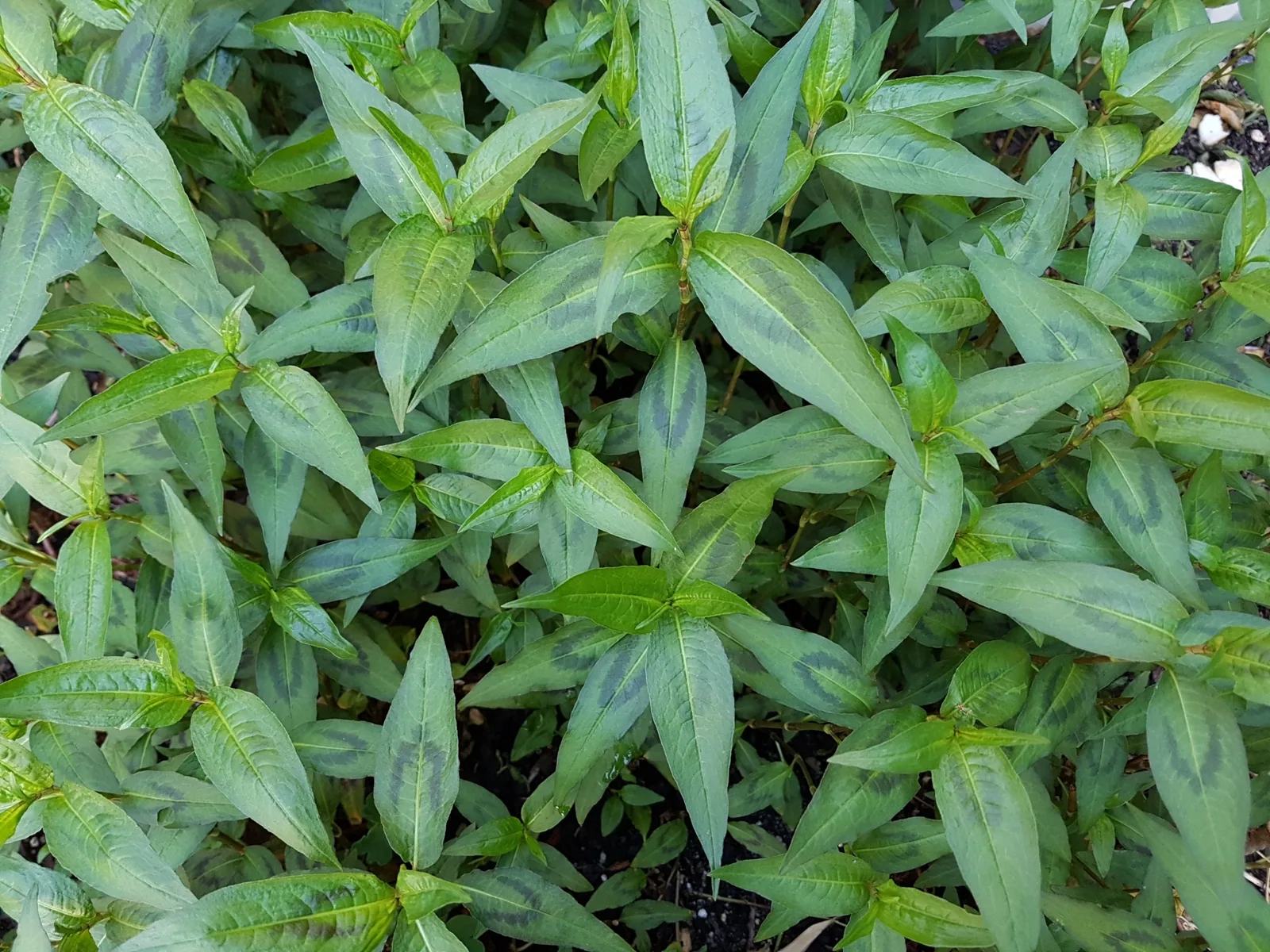
El rau ram es una hierba aromática cuyas hojas dan sabor a muchos platos vietnamitas, y sus hojas tiernas quedan deliciosas en ensaladas, arroces, sopas y guisos. Le encanta la tierra húmeda, incluso encharcada, y crece feliz al sol o en semisombra, en maceta o dentro de casa. Empieza a cosechar dos meses después de plantarla en primavera y sigue cogiendo hojas una y otra vez.
- Sol
Sol pleno o semisombra
Qué dicen las fuentes (3)
Luz: Pleno sol a semisombra
Light: Full sun to partial shade
— Vietnamese Coriander - UC Master Gardeners of Santa Clara County [1] It grows best under partial shade, but full sunlight is tolerated if ample moisture is available.
— PROSEA - Plant Resources of South East Asia [6] Semi-Shade, Full Sun
— NParks | Persicaria odorata [3] - Riego
Mantén la tierra siempre húmeda, incluso encharcada; si se mustia con calor, riega más a menudo
Qué dicen las fuentes (5)
Riego: Necesidad alta de agua; mantén el suelo constantemente húmedo o mojado; tolera el encharcamiento
Water: High. Prefers moist to wet soil
— Vietnamese Coriander - UC Master Gardeners of Santa Clara County [1] This species grows best in well-drained soil that is kept consistently moist.
— NParks | Persicaria odorata [3] These plants can tolerate waterlogging and can be planted in garden areas prone to ponding.
— Laksa | GardeningSG [2] Notas sobre el riego: El marchitamiento en clima caluroso es estrés por calor: riega más a menudo o traslada a la sombra; las condiciones más secas hacen que la base del tallo se vuelva leñosa y las hojas amarillentas
Wilting leaves during hot weather is a sign of heat stress. Increase the number of times the plant is watered daily or move it to a shadier part of the garden.
— Laksa | GardeningSG [2] Under drier conditions, the stem base becomes woody and the leaves turn yellowish.
— PROSEA - Plant Resources of South East Asia [6] - Frío
Aguanta inviernos de hasta −6,7 °C (20 °F)
Rústica en inviernos normales · USDA 9 · RHS H4 · Z9
Qué dicen las fuentes (2)
Rusticidad, zona más fría: 9 [mínima invernal de −6,7 a −1,1 °C (de 20 a 30 °F)]
winter hardy in the frost free areas of Zones 9–11
— Vietnamese Coriander - UC Master Gardeners of Santa Clara County [1] Rusticidad, zona más cálida: 11 [mínima invernal de 4,4 a 10 °C (de 40 a 50 °F)]
winter hardy in the frost free areas of Zones 9–11
— Vietnamese Coriander - UC Master Gardeners of Santa Clara County [1] - Distancia
20 cm entre plantas en cada dirección
Qué dicen las fuentes (1)
Distancia de plantación: 20 cm [7,9 in] x 20 cm [7,9 in]
They are planted out in the field at a spacing of about 20 cm x 20 cm.
— PROSEA - Plant Resources of South East Asia [6] - Plantación
Planta en primavera
Qué dicen las fuentes (2)
Plantación: Primavera
Vietnam: In Vietnam it can be grown and harvested year-round, but it grows best in spring.
— PROSEA - Plant Resources of South East Asia [6] The easiest way to grow Vietnamese coriander is to purchase bunches from the Asian grocery store in spring and root the stems in water.
— Vietnamese Coriander - UC Master Gardeners of Santa Clara County [1] - Abonado
Cada dos semanas mientras crece y tras una poda fuerte; usa abono rico en nitrógeno para más hojas
Qué dicen las fuentes (3)
Cuándo: Después de una poda fuerte, y regularmente mientras la planta está creciendo
Plants can be fertilised once every two weeks or after hard pruning
— Laksa | GardeningSG [2] Frecuencia: Una vez cada dos semanas, o después de una poda fuerte
Plants can be fertilised once every two weeks or after hard pruning
— Laksa | GardeningSG [2] Abonos minerales: Fertilizante con alto contenido de nitrógeno, para favorecer más hojas
Laksa plants grow rapidly, especially with regular harvesting and the use of high nitrogen fertilisers will encourage the plant to grow more leaves.
— Laksa | GardeningSG [2] - Cosecha
Primeras hojas a los 2 meses de plantar, luego cosecha sin parar; se comen crudas o cocinadas
Qué dicen las fuentes (5)
Cosecha: La primera cosecha se realiza unos 2 meses después de la siembra; las hojas se pueden cosechar de forma continua
Vietnam: The first harvest of rau ram is taken when plants are nearly 2 months old; subsequent harvests are every 12-15 days in Vietnam, and every 3-4 weeks in the United States.
— PROSEA - Plant Resources of South East Asia [6] Estados Unidos: The first harvest of rau ram is taken when plants are nearly 2 months old; subsequent harvests are every 12-15 days in Vietnam, and every 3-4 weeks in the United States.
— PROSEA - Plant Resources of South East Asia [6] Begin harvesting leaves approximately two months after planting in spring.
— Vietnamese Coriander - UC Master Gardeners of Santa Clara County [1] Plants can be harvested for leaves at any time.
— Laksa | GardeningSG [2] Días hasta la madurez: dos meses después de plantar en primavera (inicio de la cosecha de hojas)
Harvesting: Begin harvesting leaves approximately two months after planting in spring.
— Vietnamese Coriander - UC Master Gardeners of Santa Clara County [1] - Plagas
Pulgón, cochinilla algodonosa, mosca blanca y araña roja, sobre todo con estrés por calor; a veces babosas
- Tamaño
15–46 cm de alto y de ancho
Qué dicen las fuentes (2)
Altura adulta: 15.24-45.72 cm (6-18 pulgadas)
Water: High. Prefers moist to wet soil - Size: 6–18" high x 6–18" wide
— Vietnamese Coriander - UC Master Gardeners of Santa Clara County [1] Anchura adulta: 15.24-45.72 cm (6-18 pulgadas)
Water: High. Prefers moist to wet soil - Size: 6–18" high x 6–18" wide
— Vietnamese Coriander - UC Master Gardeners of Santa Clara County [1] - Multiplicación
Enraíza esquejes de tallo en un vaso de agua, o siémbrala
Qué dicen las fuentes (3)
Propagación: Esquejes de tallo (enraizados en agua); semilla
Laksa is typically propagated via stem cuttings rooted in water.
— Laksa | GardeningSG [2] Rau ram is usually and easily propagated by stem cuttings with 4-6 internodes (8-10 cm long) taken from the top of mature stems.
— PROSEA - Plant Resources of South East Asia [6] Seed, Stem Cutting
— NParks | Persicaria odorata [3] - Maceta
Crece bien en maceta, incluso dentro de casa
Qué dicen las fuentes (4)
- Seguridad
Su savia puede irritar la piel; evítala si estás embarazada. Sin efectos tóxicos conocidos en gatos y perros
Resumen
El cilantro vietnamita es una hierba perenne tierna que necesita calor y suelo húmedo y crece a pleno sol o semisombra. [6][1] Es resistente al aire libre solo en áreas sin heladas de las zonas 9-11 y se propaga fácilmente mediante esquejes de tallo. [1][6] Solo las hojas se usan en la cocina, frescas o cocidas. [1]
Citado en inglés, como en la fuente.
Cuidados
Las medidas entre corchetes son nuestra conversión al otro sistema de unidades; el texto citado no cambia.
Riego
Riego
Necesidad alta de agua; mantén el suelo constantemente húmedo o mojado; tolera el encharcamiento
Qué dicen las fuentes (3)
Water: High. Prefers moist to wet soilThis species grows best in well-drained soil that is kept consistently moist.These plants can tolerate waterlogging and can be planted in garden areas prone to ponding.Notas sobre el riego
El marchitamiento en clima caluroso es estrés por calor: riega más a menudo o traslada a la sombra; las condiciones más secas hacen que la base del tallo se vuelva leñosa y las hojas amarillentas
Qué dicen las fuentes (2)
Wilting leaves during hot weather is a sign of heat stress. Increase the number of times the plant is watered daily or move it to a shadier part of the garden.Under drier conditions, the stem base becomes woody and the leaves turn yellowish.Luz
Pleno sol a semisombra
Qué dicen las fuentes (3)
Light: Full sun to partial shadeIt grows best under partial shade, but full sunlight is tolerated if ample moisture is available.Semi-Shade, Full SunClima y frío
Rusticidad, zona más fría
9 [mínima invernal de −6,7 a −1,1 °C (de 20 a 30 °F)]
Qué dicen las fuentes (1)
winter hardy in the frost free areas of Zones 9–11Rusticidad, zona más cálida
11 [mínima invernal de 4,4 a 10 °C (de 40 a 50 °F)]
Qué dicen las fuentes (1)
winter hardy in the frost free areas of Zones 9–11Dónde cultivarla
En interior
Sí
En maceta
Sí
Qué dicen las fuentes (2)
will grow fantastically in a large pot and used fresh adds a great lemon zing to your cooking or saladsPlants do best in pots with loamy soil at least 1m deep, or in true groundDistancia de plantación
20 cm [7,9 in] x 20 cm [7,9 in]
Qué dicen las fuentes (1)
They are planted out in the field at a spacing of about 20 cm x 20 cm.Propagación
Esquejes de tallo (enraizados en agua); semilla
Qué dicen las fuentes (3)
Laksa is typically propagated via stem cuttings rooted in water.Rau ram is usually and easily propagated by stem cuttings with 4-6 internodes (8-10 cm long) taken from the top of mature stems.Seed, Stem CuttingCultivo
La planta
Ciclo de vida
perenne
Qué dicen las fuentes (1)
Type: Perennial - Light: Full sun to partial shade - Soil: Moderately amended soilAltura adulta
15.24-45.72 cm (6-18 pulgadas)
Qué dicen las fuentes (1)
Water: High. Prefers moist to wet soil - Size: 6–18" high x 6–18" wideAnchura adulta
15.24-45.72 cm (6-18 pulgadas)
Qué dicen las fuentes (1)
Water: High. Prefers moist to wet soil - Size: 6–18" high x 6–18" wideSiembra y crecimiento
Días hasta la madurez
dos meses después de plantar en primavera (inicio de la cosecha de hojas)
Qué dicen las fuentes (1)
Harvesting: Begin harvesting leaves approximately two months after planting in spring.Abonado
Cuándo
Después de una poda fuerte, y regularmente mientras la planta está creciendo
Qué dicen las fuentes (1)
Plants can be fertilised once every two weeks or after hard pruningFrecuencia
Una vez cada dos semanas, o después de una poda fuerte
Qué dicen las fuentes (1)
Plants can be fertilised once every two weeks or after hard pruningAbonos minerales
Fertilizante con alto contenido de nitrógeno, para favorecer más hojas
Qué dicen las fuentes (1)
Laksa plants grow rapidly, especially with regular harvesting and the use of high nitrogen fertilisers will encourage the plant to grow more leaves.Problemas
Estrés por calor
Síntoma: Hojas marchitas durante el clima caluroso
Qué hacer: Riega con más frecuencia o traslada la planta a una zona más sombreada del jardín
Qué dicen las fuentes (1)
Wilting leaves during hot weather is a sign of heat stress. Increase the number of times the plant is watered daily or move it to a shadier part of the garden.
— Laksa | GardeningSG [2] Pulgones, cochinillas, moscas blancas, arañas rojas
Síntoma: Infestación, a menudo cuando la planta está bajo estrés por calor repetido
Qué hacer: Poda las partes infestadas y resuelve el problema subyacente
Qué dicen las fuentes (1)
Mechanical pest control methods like pruning the infested parts are the best methods for managing these pests in the short term, but resolving the underlying problem will prevent them in the long term.
— Laksa | GardeningSG [2] Enfermedades fúngicas y babosas
Síntoma: Daños ocasionales reportados en los Estados Unidos
Qué hacer: Proporciona más luz solar para reducir los daños
Qué dicen las fuentes (1)
In the United States fungal diseases and slugs sometimes affect rau ram. Providing more sunlight can reduce damage.
— PROSEA - Plant Resources of South East Asia [6]
Remedios
Cada remedio indica qué dicen las fuentes oficiales; los remedios tradicionales sin fuente oficial aparecen marcados. Los perjudiciales están para que sepas evitarlos.
Primeros auxilios
Primeros auxilios: no sustituyen al médico
irritación de la piel por la savia
lava la zona con agua corriente y jabón Fuente oficial, sin prueba independiente
Cómo: Lava bien la zona con abundante agua corriente y jabón.
Wash the area thoroughly with plenty of running water and soap.
— poison.org [9]
Cuidar la planta
pulgones
pulverizaciones diarias de agua Funciona
Cómo: Rocía con chorros cortos y directos de agua a diario para eliminar las plagas.
If your plants are starting to show signs of aphid damage, spray them with short, direct spritzes of water daily to wash away the pests. If the aphids persist, use a gentle, insecticidal soap or an application of neem oil.
— gardenandhappy.com [10] Qué dicen las pruebas You can physically knock aphids off plants with a strong spray of water from a garden hose.
— extension.umn.edu [11] jabón insecticida Funciona
Cómo: Si los pulgones persisten, usa un jabón insecticida suave.
If your plants are starting to show signs of aphid damage, spray them with short, direct spritzes of water daily to wash away the pests. If the aphids persist, use a gentle, insecticidal soap or an application of neem oil.
— gardenandhappy.com [10] Qué dicen las pruebas Insecticidal soap, horticultural oil and pyrethrins can be effective at controlling aphids.
— extension.umn.edu [11] aceite de neem Funciona en parte
Cómo: Si los pulgones persisten, aplica aceite de neem.
If your plants are starting to show signs of aphid damage, spray them with short, direct spritzes of water daily to wash away the pests. If the aphids persist, use a gentle, insecticidal soap or an application of neem oil.
— gardenandhappy.com [10] Qué dicen las pruebas Neem (azadirachtin) is a plant based pesticide that discourages aphid feeding. Insects are not killed quickly, but it makes them stop feeding and they slowly die.
— extension.umn.edu [11]
babosas
eliminación mecánica (recoger a mano) Funciona
Cómo: Prevención, detección temprana y eliminación mecánica de plagas.
Slugs, caterpillars, and fungal diseases can attack this plant. The best way to care for this edible herb is through prevention, early detection, and mechanical removal of pests.
— plantpono.org [12] Qué dicen las pruebas Hand-picking. Hand-picking can be very effective if done thoroughly on a regular basis.
— ipm.ucanr.edu [13]
Venenosa para los animales
Según la fuente, citada textualmente. No es un consejo médico ni veterinario: si una persona o un animal pudo haber ingerido esta planta, contacta con un centro de toxicología o con un veterinario.
Animales
Persicaria ‘Odorata’ has no toxic effects reported.
[4]La fuente señala el riesgo para este animal pero no explica por qué.
Personas
Oily exudates produced in multicellular glands can cause skin irritation, hence the common name Smartweed.
[3]- Principio tóxico
Oily exudates produced in multicellular glands can cause skin irritation, hence the common name Smartweed.
[3]
In Vietnam pregnant women avoid the use of rau ram, since fresh leaves seem to have abortifacient properties.
[6]- Partes venenosas
since fresh leaves seem to have abortifacient properties
[6]
Calendario
Plantación
Primavera
Lo que dice cada fuente
Vietnam: Todo el año; crece mejor en primavera
Qué dicen las fuentes (2)
Vietnam: In Vietnam it can be grown and harvested year-round, but it grows best in spring.The easiest way to grow Vietnamese coriander is to purchase bunches from the Asian grocery store in spring and root the stems in water.Cosecha
La primera cosecha se realiza unos 2 meses después de la siembra; las hojas se pueden cosechar de forma continua
Lo que dice cada fuente
Vietnam: Cada 12-15 días después de la primera cosecha a los 2 meses
Estados Unidos: Cada 3-4 semanas después de la primera cosecha a los 2 meses
Qué dicen las fuentes (4)
Vietnam: The first harvest of rau ram is taken when plants are nearly 2 months old; subsequent harvests are every 12-15 days in Vietnam, and every 3-4 weeks in the United States.Estados Unidos: The first harvest of rau ram is taken when plants are nearly 2 months old; subsequent harvests are every 12-15 days in Vietnam, and every 3-4 weeks in the United States.Begin harvesting leaves approximately two months after planting in spring.Plants can be harvested for leaves at any time.Meses tal como los dan las fuentes, en su mayoría de Estados Unidos (hemisferio norte). En el hemisferio sur se desplazan unos seis meses.
Comestibilidad
Según la fuente, citada textualmente. No comas una planta basándote solo en esta página: los errores de identificación pueden ser peligrosos.
Valores orientativos
Valores de una fuente secundaria, no comprobados palabra por palabra como el resto de esta página. Úselos como punto de partida.
- pH del suelo
- 5.5-7Valor orientativo, adáptalo a tu clima · Fuente secundaria
- Crecimiento
- BajoValor orientativo, adáptalo a tu clima · Fuente secundaria
- Poda
- junio, julio, agostoValor orientativo, adáptalo a tu clima · Fuente secundaria
Plantas similares
- Jumpseed Persicaria virginiana
- Persicaria capitata Persicaria capitata
- Angélica Angelica archangelica
- Anís Pimpinella anisum
- Artemisia afra Artemisia afra
- Asiatic pennywort Centella asiatica
- Autumn Sage Salvia greggii
- Albahaca Ocimum basilicum
Fuentes
Cada valor anterior se cita de estos documentos. Los enlaces llevan al editor original.
- Vietnamese Coriander - UC Master Gardeners of Santa Clara County · mgsantaclara.ucanr.edu, consultado
- Laksa | GardeningSG · gardeningsg.nparks.gov.sg, consultado
- NParks | Persicaria odorata · nparks.gov.sg, consultado
- Persicaria odorata | BBC Gardeners World Magazine · develop.gardenersworld.com, consultado
- How to grow Vietnamese Coriander-Persicaria odorata - LEARN HOW TO GARDEN · learn-how-to-garden.com, consultado
- PROSEA - Plant Resources of South East Asia · prosea.prota4u.org, consultado
- Persicaria odorata • New Zealand Plant Conservation Network · nzpcn.org.nz, consultado
- Plants of Hawai'i | Bishop Museum · plantsofhawaii.org, consultado
- poison.org · poison.org
- gardenandhappy.com · gardenandhappy.com
- extension.umn.edu · extension.umn.edu
- plantpono.org · plantpono.org
- ipm.ucanr.edu · ipm.ucanr.edu
Escrito por Emilio Marruso · última revisión