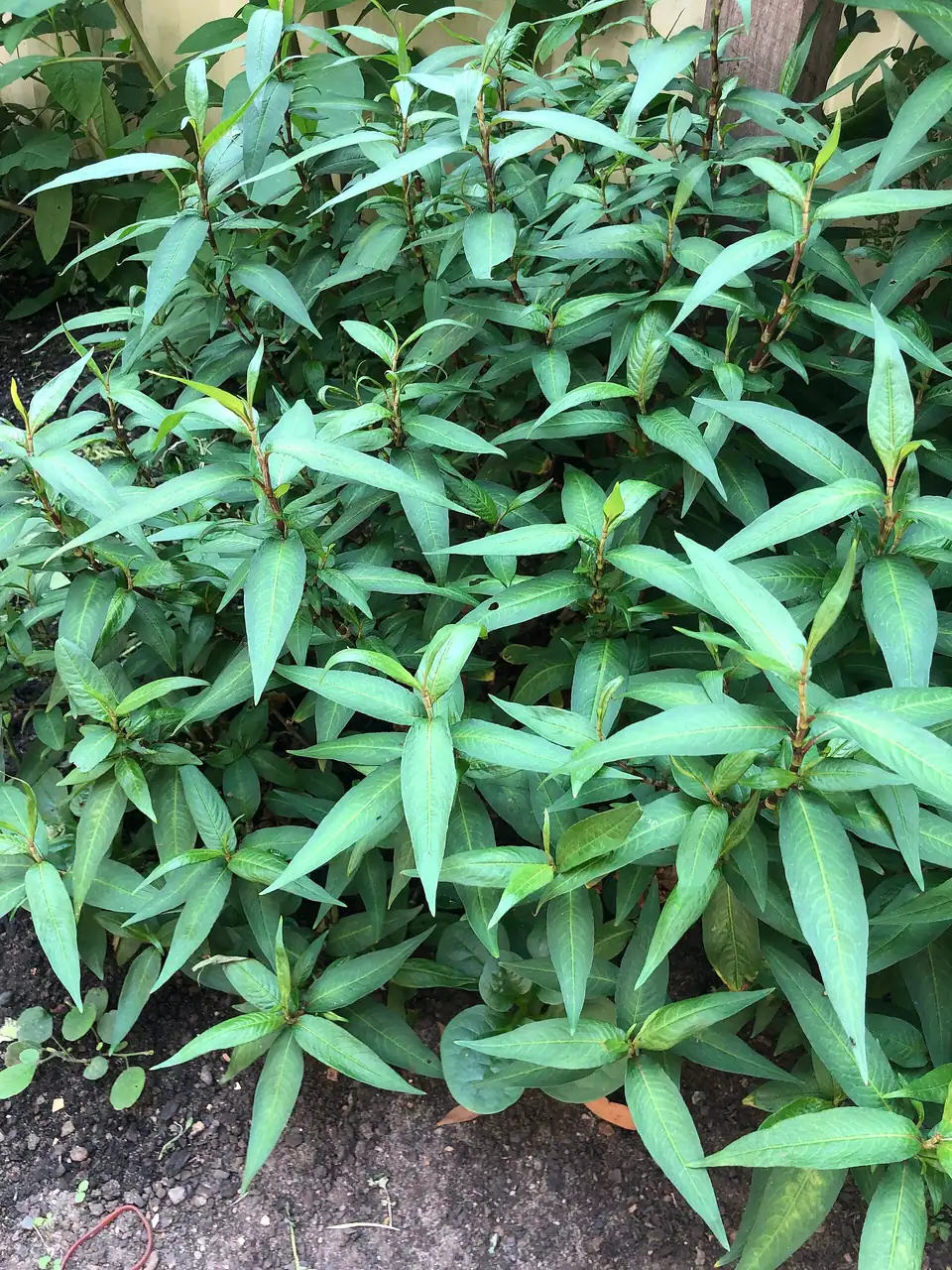
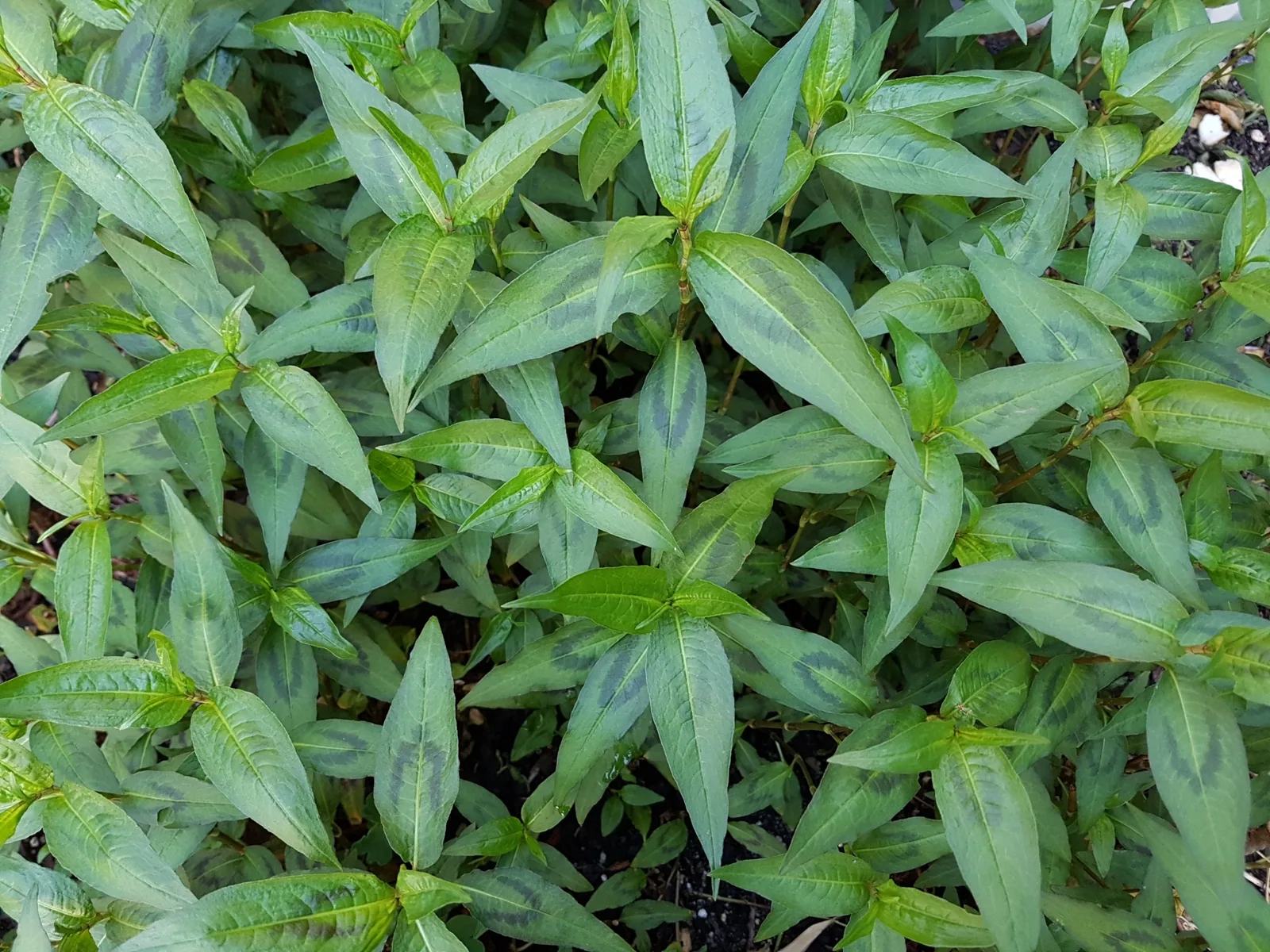

How to Grow and Care for Vietnamese Coriander
Persicaria odorata
Written by Emilio Marruso · last checked
Toxic to: Cats, Dogs, People · Why
At a glance
Rau ram is a fragrant herb whose leaves flavor many Vietnamese dishes, and its fresh young leaves are lovely in salads, rice, soups and stews. It loves moist, even wet soil and grows happily in sun or partial shade, in a pot or indoors. Start picking two months after planting in spring, then keep harvesting fresh leaves again and again.
- Sun
Full sun to partial shade
What the sources say (3)
Light: Full sun to partial shade
Light: Full sun to partial shade
— Vietnamese Coriander - UC Master Gardeners of Santa Clara County [1] It grows best under partial shade, but full sunlight is tolerated if ample moisture is available.
— PROSEA - Plant Resources of South East Asia [6] Semi-Shade, Full Sun
— NParks | Persicaria odorata [3] - Water
Keep the soil always moist, even wet; if it wilts in hot weather, water more often
What the sources say (5)
Watering: High water need; keep soil consistently moist to wet; tolerates waterlogging
Water: High. Prefers moist to wet soil
— Vietnamese Coriander - UC Master Gardeners of Santa Clara County [1] This species grows best in well-drained soil that is kept consistently moist.
— NParks | Persicaria odorata [3] These plants can tolerate waterlogging and can be planted in garden areas prone to ponding.
— Laksa | GardeningSG [2] Watering notes: Wilting in hot weather is heat stress: water more often or move to shade; drier conditions make the stem base woody and the leaves yellowish
Wilting leaves during hot weather is a sign of heat stress. Increase the number of times the plant is watered daily or move it to a shadier part of the garden.
— Laksa | GardeningSG [2] Under drier conditions, the stem base becomes woody and the leaves turn yellowish.
— PROSEA - Plant Resources of South East Asia [6] - Cold
Survives winters down to 20 °F (−6.7 °C)
Hardy in average winters · USDA 9 · RHS H4 · Z9
What the sources say (2)
Hardiness, coldest zone: 9 [winter low −6.7 to −1.1 °C (20 to 30 °F)]
winter hardy in the frost free areas of Zones 9–11
— Vietnamese Coriander - UC Master Gardeners of Santa Clara County [1] Hardiness, warmest zone: 11 [winter low 4.4 to 10 °C (40 to 50 °F)]
winter hardy in the frost free areas of Zones 9–11
— Vietnamese Coriander - UC Master Gardeners of Santa Clara County [1] - Spacing
8 in between plants each way
What the sources say (1)
Spacing: 20 cm [7.9 in] x 20 cm [7.9 in]
They are planted out in the field at a spacing of about 20 cm x 20 cm.
— PROSEA - Plant Resources of South East Asia [6] - Planting
Plant in spring
What the sources say (2)
Planting: Spring
Vietnam: In Vietnam it can be grown and harvested year-round, but it grows best in spring.
— PROSEA - Plant Resources of South East Asia [6] The easiest way to grow Vietnamese coriander is to purchase bunches from the Asian grocery store in spring and root the stems in water.
— Vietnamese Coriander - UC Master Gardeners of Santa Clara County [1] - Feeding
Every two weeks while growing, and after hard pruning; use a high-nitrogen feed for more leaves
What the sources say (3)
When: After hard pruning, and regularly while the plant is growing
Plants can be fertilised once every two weeks or after hard pruning
— Laksa | GardeningSG [2] How often: Once every two weeks, or after hard pruning
Plants can be fertilised once every two weeks or after hard pruning
— Laksa | GardeningSG [2] Mineral fertilizers: High-nitrogen fertiliser, to encourage more leaves
Laksa plants grow rapidly, especially with regular harvesting and the use of high nitrogen fertilisers will encourage the plant to grow more leaves.
— Laksa | GardeningSG [2] - Harvest
First leaves 2 months after planting, then pick again and again; eat them raw or cooked
What the sources say (5)
Harvest: First harvest about 2 months after planting; leaves can be harvested continuously
Vietnam: The first harvest of rau ram is taken when plants are nearly 2 months old; subsequent harvests are every 12-15 days in Vietnam, and every 3-4 weeks in the United States.
— PROSEA - Plant Resources of South East Asia [6] United States: The first harvest of rau ram is taken when plants are nearly 2 months old; subsequent harvests are every 12-15 days in Vietnam, and every 3-4 weeks in the United States.
— PROSEA - Plant Resources of South East Asia [6] Begin harvesting leaves approximately two months after planting in spring.
— Vietnamese Coriander - UC Master Gardeners of Santa Clara County [1] Plants can be harvested for leaves at any time.
— Laksa | GardeningSG [2] Days to maturity: two months after planting in spring (start of leaf harvest)
Harvesting: Begin harvesting leaves approximately two months after planting in spring.
— Vietnamese Coriander - UC Master Gardeners of Santa Clara County [1] - Pests
Aphids, mealybugs, whiteflies and spider mites, mostly when heat-stressed; sometimes slugs
- Size
6–18 in tall and wide
What the sources say (2)
Mature height: 15.24-45.72 cm (6-18 in)
Water: High. Prefers moist to wet soil - Size: 6–18" high x 6–18" wide
— Vietnamese Coriander - UC Master Gardeners of Santa Clara County [1] Mature width: 15.24-45.72 cm (6-18 in)
Water: High. Prefers moist to wet soil - Size: 6–18" high x 6–18" wide
— Vietnamese Coriander - UC Master Gardeners of Santa Clara County [1] - Propagation
Root stem cuttings in a glass of water, or grow from seed
What the sources say (3)
Propagation: Stem cuttings (rooted in water); seed
Laksa is typically propagated via stem cuttings rooted in water.
— Laksa | GardeningSG [2] Rau ram is usually and easily propagated by stem cuttings with 4-6 internodes (8-10 cm long) taken from the top of mature stems.
— PROSEA - Plant Resources of South East Asia [6] Seed, Stem Cutting
— NParks | Persicaria odorata [3] - Containers
Grows well in pots, even indoors
What the sources say (4)
- Safety
Sap can irritate skin; avoid it if pregnant. No toxic effects reported for cats or dogs
Overview
Vietnamese coriander is a tender perennial herb that needs warmth and moist soil and grows in sun to partial shade. [6][1] It is winter hardy outdoors only in frost-free areas of zones 9-11 and is easily propagated by stem cuttings. [1][6] Only the leaves are used in cooking, fresh or cooked. [1]
Vietnamese Coriander care
Measurements in square brackets are our conversion into the other unit system; the quoted text is unchanged.
How to water Vietnamese Coriander
Watering
High water need; keep soil consistently moist to wet; tolerates waterlogging
What the sources say (3)
Water: High. Prefers moist to wet soilThis species grows best in well-drained soil that is kept consistently moist.These plants can tolerate waterlogging and can be planted in garden areas prone to ponding.Watering notes
Wilting in hot weather is heat stress: water more often or move to shade; drier conditions make the stem base woody and the leaves yellowish
What the sources say (2)
Wilting leaves during hot weather is a sign of heat stress. Increase the number of times the plant is watered daily or move it to a shadier part of the garden.Under drier conditions, the stem base becomes woody and the leaves turn yellowish.How much light Vietnamese Coriander needs
Full sun to partial shade
What the sources say (3)
Light: Full sun to partial shadeIt grows best under partial shade, but full sunlight is tolerated if ample moisture is available.Semi-Shade, Full SunHow much cold Vietnamese Coriander can take
Hardiness, coldest zone
9 [winter low −6.7 to −1.1 °C (20 to 30 °F)]
What the sources say (1)
winter hardy in the frost free areas of Zones 9–11Hardiness, warmest zone
11 [winter low 4.4 to 10 °C (40 to 50 °F)]
What the sources say (1)
winter hardy in the frost free areas of Zones 9–11Where to grow Vietnamese Coriander
Indoors
Yes
In containers
Yes
What the sources say (2)
will grow fantastically in a large pot and used fresh adds a great lemon zing to your cooking or saladsPlants do best in pots with loamy soil at least 1m deep, or in true groundSpacing
20 cm [7.9 in] x 20 cm [7.9 in]
What the sources say (1)
They are planted out in the field at a spacing of about 20 cm x 20 cm.How to propagate Vietnamese Coriander
Stem cuttings (rooted in water); seed
What the sources say (3)
Laksa is typically propagated via stem cuttings rooted in water.Rau ram is usually and easily propagated by stem cuttings with 4-6 internodes (8-10 cm long) taken from the top of mature stems.Seed, Stem CuttingHow to grow Vietnamese Coriander
The plant
Life cycle
perennial
What the sources say (1)
Type: Perennial - Light: Full sun to partial shade - Soil: Moderately amended soilMature height
15.24-45.72 cm (6-18 in)
What the sources say (1)
Water: High. Prefers moist to wet soil - Size: 6–18" high x 6–18" wideMature width
15.24-45.72 cm (6-18 in)
What the sources say (1)
Water: High. Prefers moist to wet soil - Size: 6–18" high x 6–18" wideSowing and growth
Days to maturity
two months after planting in spring (start of leaf harvest)
What the sources say (1)
Harvesting: Begin harvesting leaves approximately two months after planting in spring.Fertilizing
When
After hard pruning, and regularly while the plant is growing
What the sources say (1)
Plants can be fertilised once every two weeks or after hard pruningHow often
Once every two weeks, or after hard pruning
What the sources say (1)
Plants can be fertilised once every two weeks or after hard pruningMineral fertilizers
High-nitrogen fertiliser, to encourage more leaves
What the sources say (1)
Laksa plants grow rapidly, especially with regular harvesting and the use of high nitrogen fertilisers will encourage the plant to grow more leaves.Vietnamese Coriander pests and problems
Heat stress
Symptom: Wilting leaves during hot weather
What to do: Water more often or move the plant to a shadier part of the garden
What the sources say (1)
Wilting leaves during hot weather is a sign of heat stress. Increase the number of times the plant is watered daily or move it to a shadier part of the garden.
— Laksa | GardeningSG [2] Aphids, mealy bugs, whiteflies, spider mites
Symptom: Infestation, often when the plant is under repeated heat stress
What to do: Prune the infested parts and resolve the underlying problem
What the sources say (1)
Mechanical pest control methods like pruning the infested parts are the best methods for managing these pests in the short term, but resolving the underlying problem will prevent them in the long term.
— Laksa | GardeningSG [2] Fungal diseases and slugs
Symptom: Occasional damage reported in the United States
What to do: Providing more sunlight can reduce damage
What the sources say (1)
In the United States fungal diseases and slugs sometimes affect rau ram. Providing more sunlight can reduce damage.
— PROSEA - Plant Resources of South East Asia [6]
Remedies
Each remedy shows what official sources say about it; traditional remedies without an official source are marked as such. Harmful ones are listed so you know to avoid them.
First aid
First aid: not a substitute for a doctor
skin irritation from the sap
wash the area with running water and soap Official source, not independently tested
How: Wash the area thoroughly with plenty of running water and soap.
Wash the area thoroughly with plenty of running water and soap.
— poison.org [9]
Treating the plant
aphids
daily water spritzes Works
How: Spray with short, direct spritzes of water daily to wash away the pests.
If your plants are starting to show signs of aphid damage, spray them with short, direct spritzes of water daily to wash away the pests. If the aphids persist, use a gentle, insecticidal soap or an application of neem oil.
— gardenandhappy.com [10] What the evidence says You can physically knock aphids off plants with a strong spray of water from a garden hose.
— extension.umn.edu [11] insecticidal soap Works
How: If the aphids persist, use a gentle insecticidal soap.
If your plants are starting to show signs of aphid damage, spray them with short, direct spritzes of water daily to wash away the pests. If the aphids persist, use a gentle, insecticidal soap or an application of neem oil.
— gardenandhappy.com [10] What the evidence says Insecticidal soap, horticultural oil and pyrethrins can be effective at controlling aphids.
— extension.umn.edu [11] neem oil Partly works
How: If the aphids persist, apply neem oil.
If your plants are starting to show signs of aphid damage, spray them with short, direct spritzes of water daily to wash away the pests. If the aphids persist, use a gentle, insecticidal soap or an application of neem oil.
— gardenandhappy.com [10] What the evidence says Neem (azadirachtin) is a plant based pesticide that discourages aphid feeding. Insects are not killed quickly, but it makes them stop feeding and they slowly die.
— extension.umn.edu [11]
slugs
mechanical removal (hand-picking) Works
How: Prevention, early detection and mechanical removal of pests.
Slugs, caterpillars, and fungal diseases can attack this plant. The best way to care for this edible herb is through prevention, early detection, and mechanical removal of pests.
— plantpono.org [12] What the evidence says Hand-picking. Hand-picking can be very effective if done thoroughly on a regular basis.
— ipm.ucanr.edu [13]
Is Vietnamese Coriander toxic to pets?
Reported by the source, quoted verbatim. This is not medical or veterinary advice: if a person or an animal may have eaten this plant, contact a poison control centre or a veterinarian.
Animals
Persicaria ‘Odorata’ has no toxic effects reported.
[4]The source flags the risk for this animal but does not explain why.
People
Oily exudates produced in multicellular glands can cause skin irritation, hence the common name Smartweed.
[3]- Toxic principle
Oily exudates produced in multicellular glands can cause skin irritation, hence the common name Smartweed.
[3]
In Vietnam pregnant women avoid the use of rau ram, since fresh leaves seem to have abortifacient properties.
[6]- Poisonous parts
since fresh leaves seem to have abortifacient properties
[6]
Calendar
Planting
Spring
What each source says
Vietnam: Year-round; grows best in spring
What the sources say (2)
Vietnam: In Vietnam it can be grown and harvested year-round, but it grows best in spring.The easiest way to grow Vietnamese coriander is to purchase bunches from the Asian grocery store in spring and root the stems in water.Harvest
First harvest about 2 months after planting; leaves can be harvested continuously
What each source says
Vietnam: Every 12-15 days after the first harvest at 2 months
United States: Every 3-4 weeks after the first harvest at 2 months
What the sources say (4)
Vietnam: The first harvest of rau ram is taken when plants are nearly 2 months old; subsequent harvests are every 12-15 days in Vietnam, and every 3-4 weeks in the United States.United States: The first harvest of rau ram is taken when plants are nearly 2 months old; subsequent harvests are every 12-15 days in Vietnam, and every 3-4 weeks in the United States.Begin harvesting leaves approximately two months after planting in spring.Plants can be harvested for leaves at any time.Months as given by the sources, which are mostly from the United States (northern hemisphere). In the southern hemisphere they shift by about six months.
Edibility
Reported by the source, quoted verbatim. Do not eat a plant on the basis of this page alone: identification mistakes can be dangerous.
Indicative values
Values from a secondary source, not checked word for word like the rest of this page. Use them as a starting point.
- Soil pH
- 5.5-7Indicative value, adapt it to your climate · Secondary source
- Growth rate
- LowIndicative value, adapt it to your climate · Secondary source
- Pruning
- June, July, AugustIndicative value, adapt it to your climate · Secondary source
Similar plants
- Jumpseed Persicaria virginiana
- Persicaria capitata Persicaria capitata
- Angelica Angelica archangelica
- Anise burnet saxifrage Pimpinella anisum
- Artemisia afra Artemisia afra
- Asiatic pennywort Centella asiatica
- Autumn Sage Salvia greggii
- Basil Ocimum basilicum
Sources
Every value above is quoted from these documents. Links lead to the original publisher.
- Vietnamese Coriander - UC Master Gardeners of Santa Clara County · mgsantaclara.ucanr.edu, consulted
- Laksa | GardeningSG · gardeningsg.nparks.gov.sg, consulted
- NParks | Persicaria odorata · nparks.gov.sg, consulted
- Persicaria odorata | BBC Gardeners World Magazine · develop.gardenersworld.com, consulted
- How to grow Vietnamese Coriander-Persicaria odorata - LEARN HOW TO GARDEN · learn-how-to-garden.com, consulted
- PROSEA - Plant Resources of South East Asia · prosea.prota4u.org, consulted
- Persicaria odorata • New Zealand Plant Conservation Network · nzpcn.org.nz, consulted
- Plants of Hawai'i | Bishop Museum · plantsofhawaii.org, consulted
- poison.org · poison.org
- gardenandhappy.com · gardenandhappy.com
- extension.umn.edu · extension.umn.edu
- plantpono.org · plantpono.org
- ipm.ucanr.edu · ipm.ucanr.edu
Written by Emilio Marruso · last checked