
How to Grow and Care for Persicaria capitata
Persicaria capitata
Written by Emilio Marruso · last checked
At a glance
This easygoing plant grows happily in sun or partial shade and doesn't mind dry, sandy soil. Sow it outdoors once the risk of frost has passed, or start it indoors where the growing season is short, and keep the soil moist until the seeds sprout. It spreads eagerly, so a container or raised bed keeps it right where you want it.
- Sun
Sun to partial shade
What the sources say (1)
Light: Sun to partial shade
grows in both sun and partial shade in U.S. Department of Agriculture plant hardiness zones 8 through 11.
— Pink Knotweed Information - Learn About Pinkhead Knotweed Plants | Gardening Know How [4] - Water
Keep the soil moist after sowing until the seeds sprout
What the sources say (2)
Watering notes: Keep soil moist after sowing until seeds sprout; tolerates dry, sandy soil
Moisten the soil and press in the seeds. Keep the soil moist until you see the seeds sprout.
— Pink Knotweed Information - Learn About Pinkhead Knotweed Plants | Gardening Know How [4] It thrives in almost any soil, including dry and sandy soil , and grows in both sun and partial shade
— Pink Knotweed Information - Learn About Pinkhead Knotweed Plants | Gardening Know How [4] - Cold
Survives winters down to 10 °F (−12.2 °C)
Hardy in cold winters · USDA 8 · RHS H5 · Z8
What the sources say (2)
Hardiness, coldest zone: 8 [winter low −12.2 to −6.7 °C (10 to 20 °F)]
grows in both sun and partial shade in U.S. Department of Agriculture plant hardiness zones 8 through 11.
— Pink Knotweed Information - Learn About Pinkhead Knotweed Plants | Gardening Know How [4] Hardiness, warmest zone: 11 [winter low 4.4 to 10 °C (40 to 50 °F)]
grows in both sun and partial shade in U.S. Department of Agriculture plant hardiness zones 8 through 11.
— Pink Knotweed Information - Learn About Pinkhead Knotweed Plants | Gardening Know How [4] - Soil
Copes with dry, sandy soil
What the sources say (2)
Watering notes: Keep soil moist after sowing until seeds sprout; tolerates dry, sandy soil
Moisten the soil and press in the seeds. Keep the soil moist until you see the seeds sprout.
— Pink Knotweed Information - Learn About Pinkhead Knotweed Plants | Gardening Know How [4] It thrives in almost any soil, including dry and sandy soil , and grows in both sun and partial shade
— Pink Knotweed Information - Learn About Pinkhead Knotweed Plants | Gardening Know How [4] - Watch out
It spreads where you don't want it: grow it in raised beds or containers
- Propagation
Grows from seed
What the sources say (1)
Propagation: Seed
Fill small pots with good seed-starting soil . Moisten the soil and press in the seeds.
— Pink Knotweed Information - Learn About Pinkhead Knotweed Plants | Gardening Know How [4] - Sowing
Sow outdoors after the risk of frost; start indoors where the growing season is short
What the sources say (3)
Sowing: Outdoors after the risk of frost has passed; indoors in areas with short growing seasons
regions with a long growing season: If you live in a region with a long growing season, start the seeds outdoors in weed-free soil once the risk of frost is passed.
— Pink Knotweed Information - Learn About Pinkhead Knotweed Plants | Gardening Know How [4] areas with short growing seasons: In areas with short growing seasons, start them indoors. Fill small pots with good seed-starting soil .
— Pink Knotweed Information - Learn About Pinkhead Knotweed Plants | Gardening Know How [4] If you live in a region with a long growing season, start the seeds outdoors in weed-free soil once the risk of frost is passed.
— Pink Knotweed Information - Learn About Pinkhead Knotweed Plants | Gardening Know How [4] - Containers
Grows well in containers, which also keep it from spreading
What the sources say (1)
In containers: Yes
The plant looks especially lovely in raised beds or containers where it can spill over the edges (and control its spread).
— Pink Knotweed Information - Learn About Pinkhead Knotweed Plants | Gardening Know How [4]
Overview
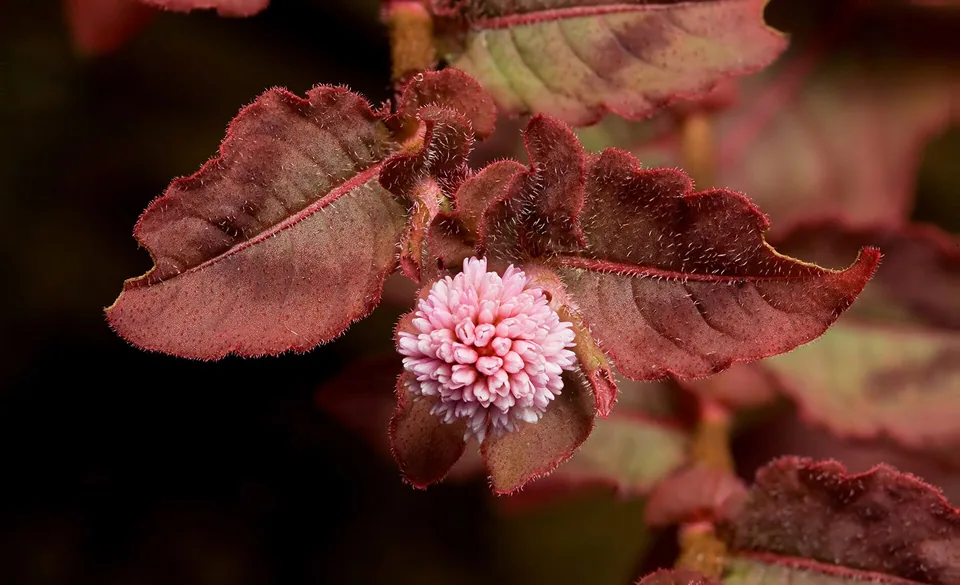
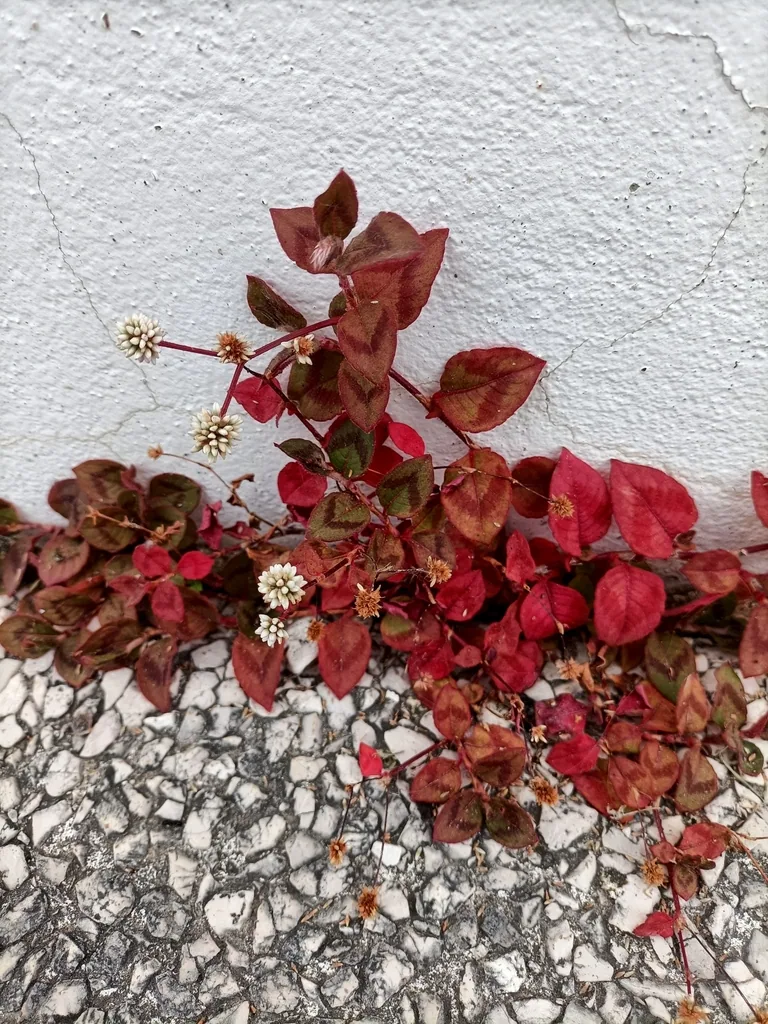
Pink-head knotweed is an evergreen, mat-forming perennial from Asia, grown as a garden groundcover. [2][1] It spreads freely and can be invasive; once established outside cultivation it can be difficult to eradicate. [2][1] It is not very cold-hardy, tolerating short periods down to around -5 to -8°C [41–46 °F] when fully dormant. [2]
This record is incomplete: the sources we read do not cover every field yet.
Not yet covered by our sources: Watering, Pruning
Persicaria capitata care
Measurements in square brackets are our conversion into the other unit system; the quoted text is unchanged.
How to water Persicaria capitata
Watering
Not stated in the sources we read.
Watering notes
Keep soil moist after sowing until seeds sprout; tolerates dry, sandy soil
What the sources say (2)
Moisten the soil and press in the seeds. Keep the soil moist until you see the seeds sprout.It thrives in almost any soil, including dry and sandy soil , and grows in both sun and partial shadeHow much light Persicaria capitata needs
Sun to partial shade
What the sources say (1)
grows in both sun and partial shade in U.S. Department of Agriculture plant hardiness zones 8 through 11.How much cold Persicaria capitata can take
Hardiness, coldest zone
8 [winter low −12.2 to −6.7 °C (10 to 20 °F)]
What the sources say (1)
grows in both sun and partial shade in U.S. Department of Agriculture plant hardiness zones 8 through 11.Hardiness, warmest zone
11 [winter low 4.4 to 10 °C (40 to 50 °F)]
What the sources say (1)
grows in both sun and partial shade in U.S. Department of Agriculture plant hardiness zones 8 through 11.Where to grow Persicaria capitata
Yes
What the sources say (1)
The plant looks especially lovely in raised beds or containers where it can spill over the edges (and control its spread).How to propagate Persicaria capitata
Seed
What the sources say (1)
Fill small pots with good seed-starting soil . Moisten the soil and press in the seeds.Persicaria capitata pests and problems
Invasive spread
Symptom: Spreads where it is not wanted and escapes cultivation
What to do: Grow in raised beds or containers to control its spread
What the sources say (1)
The plant looks especially lovely in raised beds or containers where it can spill over the edges (and control its spread).
— Pink Knotweed Information - Learn About Pinkhead Knotweed Plants | Gardening Know How [4]
Remedies
Each remedy shows what official sources say about it; traditional remedies without an official source are marked as such. Harmful ones are listed so you know to avoid them.
Getting rid of it
invasive spread
digging out Not verified
Traditional remedy, not verified by an official source.
How: Dig out the plant; all parts require disposal, to greenwaste or landfill.
follow-up and dense replanting Not verified
Traditional remedy, not verified by an official source.
How: Follow up treated areas 3 times per year; after 2-3 treatments encourage native regeneration or replant to establish dense ground cover and minimise reinvasion.
Calendar
Sowing
Outdoors after the risk of frost has passed; indoors in areas with short growing seasons
What each source says
regions with a long growing season: Outdoors once the risk of frost has passed
areas with short growing seasons: Start indoors
What the sources say (3)
regions with a long growing season: If you live in a region with a long growing season, start the seeds outdoors in weed-free soil once the risk of frost is passed.areas with short growing seasons: In areas with short growing seasons, start them indoors. Fill small pots with good seed-starting soil .If you live in a region with a long growing season, start the seeds outdoors in weed-free soil once the risk of frost is passed.Pruning
Not stated in the sources we read.
Months as given by the sources, which are mostly from the United States (northern hemisphere). In the southern hemisphere they shift by about six months.
Similar plants
- Jumpseed Persicaria virginiana
- Vietnamese Coriander Persicaria odorata
- Abies grandis Abies grandis
- Acanthus hungaricus Acanthus hungaricus
- Achlys triphylla Achlys triphylla
- Aconite Aconitum napellus
- Afghan Redbud Cercis griffithii
- African Blood Lily Scadoxus multiflorus
Sources
Every value above is quoted from these documents. Links lead to the original publisher.
- Persicaria capitata - FNA · floranorthamerica.org, consulted
- Persicaria capitata - Useful Temperate Plants · temperate.theferns.info, consulted
- Flora of New Zealand | Taxon Profile | Persicaria capitata · nzflora.info, consulted
- Pink Knotweed Information - Learn About Pinkhead Knotweed Plants | Gardening Know How · gardeningknowhow.com, consulted
Written by Emilio Marruso · last checked