
Cómo cultivar y cuidar Sakhalin Spruce
Picea glehnii
Escrito por Emilio Marruso · última revisión
De un vistazo
Esta pícea es un árbol que puedes criar desde semilla e incluso probar. Dale sol pleno y mucha humedad en las raíces, y planta los arbolitos a principios del verano del año siguiente a la siembra. Con las puntas tiernas de los brotes se prepara una infusión refrescante, rica en vitamina C, y los amentos masculinos jóvenes se comen crudos o cocinados.
- Sol
Sol pleno
Qué dicen las fuentes (1)
Luz: Pleno sol
Another report says that it grows wild on very alkaline soils so it might be suitable for cultivation on alkaline soils. Dislikes shade
— Picea glehnii - Useful Temperate Plants [3] - Riego
Mucha humedad en las raíces; en zonas más secas necesita un suelo profundo y húmedo
Qué dicen las fuentes (1)
Riego: Abundante humedad en las raíces; en zonas más secas, un suelo profundo y húmedo
Likes abundant moisture at the roots, if grown in drier areas it must be given a deep moist soil
— Picea glehnii - Useful Temperate Plants [3] - Plantación
Planta a principios del verano del año siguiente a la siembra, con los árboles aún pequeños (30–90 cm)
Qué dicen las fuentes (2)
Plantación: A principios del verano del año siguiente a la siembra, cuando los árboles son pequeños (30-90 cm [12–35 in])
They can be planted out into their permanent positions in early summer of the following year, or be placed in an outdoor nursery bed for a year or so to increase in size.
— Picea glehnii - Useful Temperate Plants [3] Trees should be planted into their permanent positions when they are quite small, between 30 and 90cm.
— Picea glehnii - Useful Temperate Plants [3] - Cosecha
Con los brotes tiernos se hace una infusión rica en vitamina C; los amentos masculinos jóvenes se comen crudos o cocinados
- Atención
En suelos poco profundos aguanta mal el viento
- Multiplicación
Por semilla o por esquejes de puntas de brotes tiernos, semileñosos o maduros
Qué dicen las fuentes (3)
Propagación: Semilla; esquejes de brotes terminales semimaduros o maduros; esquejes de madera blanda a semimadura
Cuttings of semi-ripe terminal shoots, 5 - 8cm long, August in a frame. Protect from frost. Forms roots in the spring
— Picea glehnii - Useful Temperate Plants [3] Cuttings of mature terminal shoots, 5 - 10cm long, September/early autumn in a cold frame. Takes 12 months
— Picea glehnii - Useful Temperate Plants [3] Seed - stratification will probably improve germination so sow fresh seed in the autumn in a cold frame if possible
— Picea glehnii - Useful Temperate Plants [3] - Siembra
Siembra la semilla fresca en otoño en cajonera fría; la guardada, lo antes posible en el año
Qué dicen las fuentes (2)
Siembra: Semilla fresca en otoño en un marco frío; semilla almacenada lo más temprano posible en el año en un marco frío
Seed - stratification will probably improve germination so sow fresh seed in the autumn in a cold frame if possible
— Picea glehnii - Useful Temperate Plants [3] Sow stored seed as early in the year as possible in a cold frame
— Picea glehnii - Useful Temperate Plants [3]
Resumen
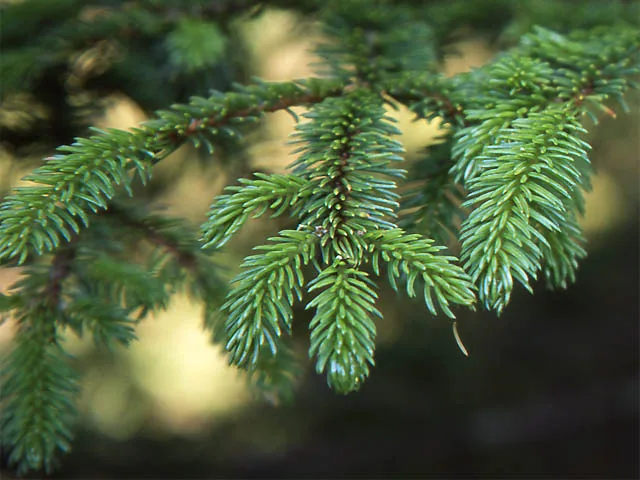
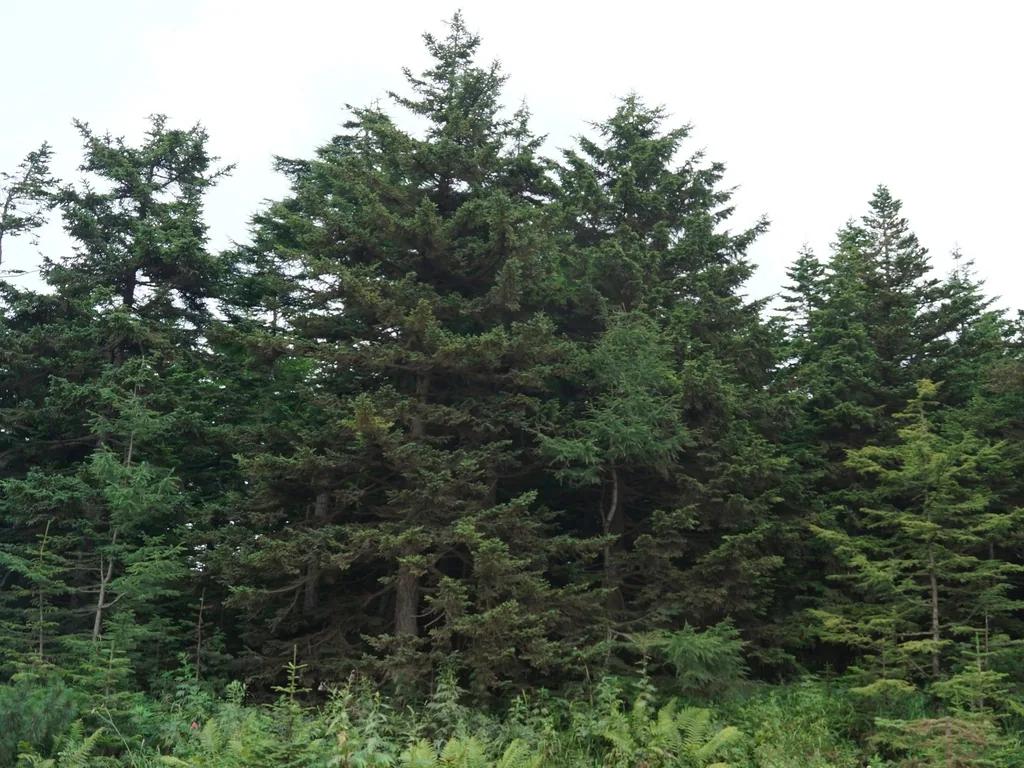
La pícea de Sajalín es un árbol conífero de hoja perenne que crece hasta 30 m [98,4 ft], nativo del sur de Sajalín, las Kuriles, Hokkaido y el norte de Honshu. [4][2] Se ha introducido en la horticultura, pero sigue siendo poco común, principalmente en jardines botánicos y arboretos del norte. [2] Le gusta la humedad abundante en las raíces y necesita un suelo profundo y húmedo en zonas más secas. [3]
Citado en inglés, como en la fuente.
Esta ficha está incompleta: las fuentes consultadas aún no cubren todos los campos.
Aún no cubierto por nuestras fuentes: Rusticidad, zona más cálida, Poda
Cuidados
Las medidas entre corchetes son nuestra conversión al otro sistema de unidades; el texto citado no cambia.
Riego
Abundante humedad en las raíces; en zonas más secas, un suelo profundo y húmedo
Qué dicen las fuentes (1)
Likes abundant moisture at the roots, if grown in drier areas it must be given a deep moist soilLuz
Pleno sol
Qué dicen las fuentes (1)
Another report says that it grows wild on very alkaline soils so it might be suitable for cultivation on alkaline soils. Dislikes shadeClima y frío
Rusticidad, zona más fría
Las fuentes dan valores distintos según la región, la zona o las condiciones de cultivo.
Lo que dice cada fuente
Según American Conifer Society: 4 [mínima invernal de −34,4 a −28,9 °C (de −30 a −20 °F)]
Manitoba, Canadá: 3a [mínima invernal de −40 a −37,2 °C (de −40 a −35 °F)]
Según The Gymnosperm Database: 4 [mínima invernal de −34,4 a −28,9 °C (de −30 a −20 °F)]
Qué dicen las fuentes (5)
Según American Conifer Society: Hardy to USDA Zone 4 - cold hardiness limit between -30° and -20°F (-34.3° and -28.9°C).Manitoba, Canadá: it is known to have survived winters in Manitoba, Canada (USDA Zone 3a) for 3 years without any problems, although plants are still small.Según The Gymnosperm Database: Hardy to Zone 4 (cold hardiness limit between -34.3°C and -28.9°C)Hardy to USDA Zone 4 - cold hardiness limit between -30° and -20°F (-34.3° and -28.9°C).Hardy to Zone 4 (cold hardiness limit between -34.3°C and -28.9°C)Rusticidad, zona más cálida
No figura en las fuentes consultadas.
Suelo
pH del suelo, mínimo
Las fuentes dan valores distintos según la región, la zona o las condiciones de cultivo.
Lo que dice cada fuente
Según Useful Temperate Plants: 4
Según American Conifer Society: suelo básico
pH del suelo, máximo
Las fuentes dan valores distintos según la región, la zona o las condiciones de cultivo.
Lo que dice cada fuente
Según Useful Temperate Plants: 6
Según American Conifer Society: suelo básico
Propagación
Semilla; esquejes de brotes terminales semimaduros o maduros; esquejes de madera blanda a semimadura
Qué dicen las fuentes (3)
Cuttings of semi-ripe terminal shoots, 5 - 8cm long, August in a frame. Protect from frost. Forms roots in the springCuttings of mature terminal shoots, 5 - 10cm long, September/early autumn in a cold frame. Takes 12 monthsSeed - stratification will probably improve germination so sow fresh seed in the autumn in a cold frame if possibleProblemas
Inestabilidad por viento en suelos poco profundos
Síntoma: No muy resistente al viento en suelos poco profundos
Qué dicen las fuentes (1)
Succeeds in wet cold and shallow soils but is not very wind-firm in shallow soils
— Picea glehnii - Useful Temperate Plants [3]
Remedios
Las fuentes consultadas no dan remedios para esta planta.
Calendario
Siembra
Semilla fresca en otoño en un marco frío; semilla almacenada lo más temprano posible en el año en un marco frío
Plantación
A principios del verano del año siguiente a la siembra, cuando los árboles son pequeños (30-90 cm [12–35 in])
Qué dicen las fuentes (2)
They can be planted out into their permanent positions in early summer of the following year, or be placed in an outdoor nursery bed for a year or so to increase in size.Trees should be planted into their permanent positions when they are quite small, between 30 and 90cm.Poda
No figura en las fuentes consultadas.
Meses tal como los dan las fuentes, en su mayoría de Estados Unidos (hemisferio norte). En el hemisferio sur se desplazan unos seis meses.
Comestibilidad
Según la fuente, citada textualmente. No comas una planta basándote solo en esta página: los errores de identificación pueden ser peligrosos.
Young male catkins - raw or cooked. Used as a flavouring
[3]Immature female cones - cooked. The central portion, when roasted, is sweet and syrupy
[3]Inner bark - dried, ground into a powder and then used as a thickener in soups etc or added to cereals when making bread
[3]A refreshing tea, rich in vitamin C, can be made from the young shoot tips
[3]
Valores orientativos
Valores de una fuente secundaria, no comprobados palabra por palabra como el resto de esta página. Úselos como punto de partida.
- Ciclo de vida
- PerenneValor orientativo, adáptalo a tu clima · Fuente secundaria
- Altura adulta
- 2438.4-3048 cm (80-100 pies)Valor orientativo, adáptalo a tu clima · Fuente secundaria
- Horas de sol
- 6-8 horasValor orientativo, adáptalo a tu clima · Fuente secundaria
- Resiste la sequía
- SíValor orientativo, adáptalo a tu clima · Fuente secundaria
- Nivel de cuidado
- MedioValor orientativo, adáptalo a tu clima · Fuente secundaria
- Crecimiento
- BajoValor orientativo, adáptalo a tu clima · Fuente secundaria
- Poda
- Marzo, abril, mayo, agosto, mayo, mayoValor orientativo, adáptalo a tu clima · Fuente secundaria
Plantas similares
- Abeto negro Picea mariana
- Pícea de Colorado Picea pungens
- Pícea de dragón Picea asperata
- Pícea de Afganistán Picea smithiana
- Pícea común Picea abies
- Pícea de Asia Menor Picea orientalis
- Serbian Spruce Picea omorika
- Pícea de Sitka Picea sitchensis
Fuentes
Cada valor anterior se cita de estos documentos. Los enlaces llevan al editor original.
- Picea glehnii - Trees and Shrubs Online · treesandshrubsonline.org, consultado
- Picea glehnii (アカエゾマツ) description · conifers.org, consultado
- Picea glehnii - Useful Temperate Plants · temperate.theferns.info, consultado
- Conifer Database - glehnii · conifersociety.org, consultado
- Picea glehnii - Sakhalin or Glehn spruce | Arboretum Mustila · mustila.fi, consultado
Escrito por Emilio Marruso · última revisión