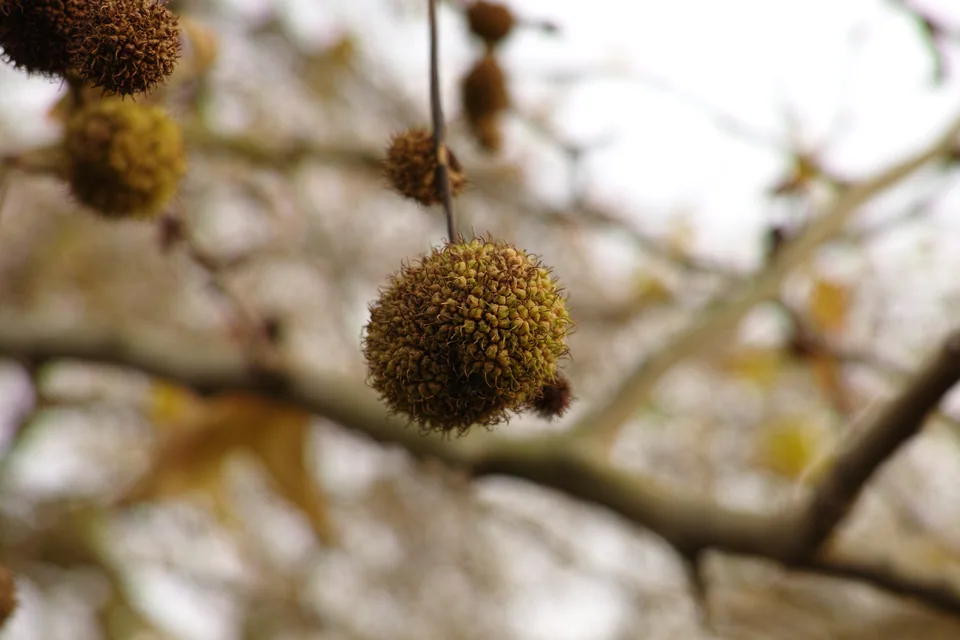
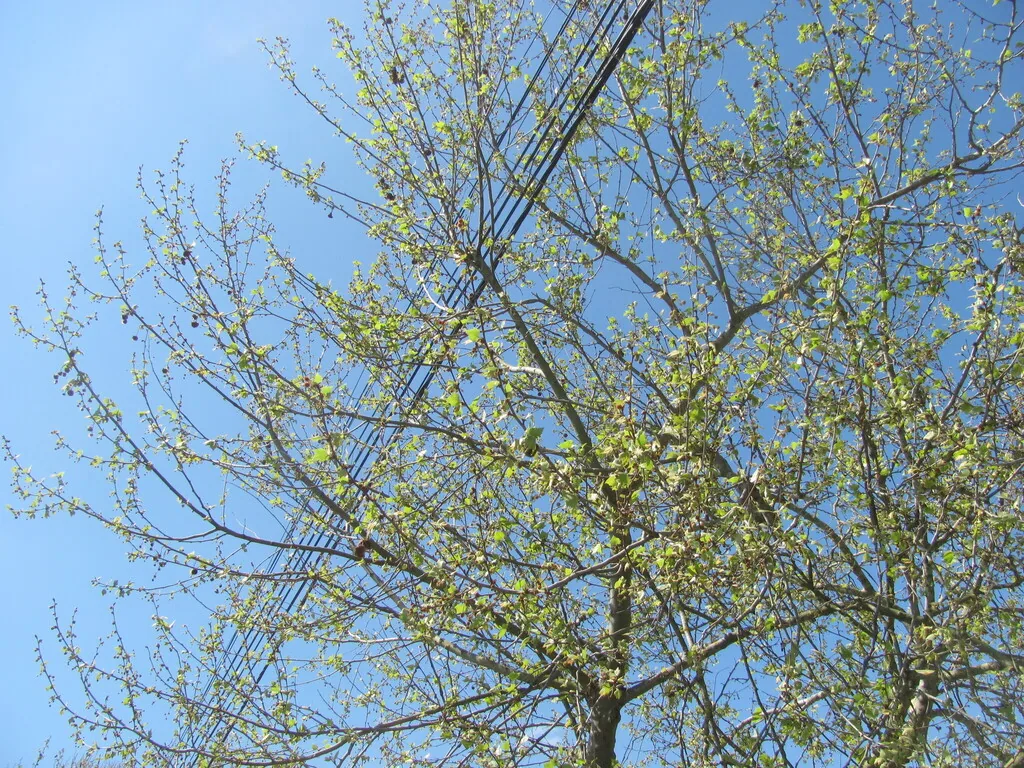

Cómo cultivar y cuidar London plane
Platanus acerifolia
Escrito por Emilio Marruso · última revisión
De un vistazo
El plátano de sombra es un árbol grande y nada exigente: le encanta el sol pleno, aguanta la sequía e incluso los suelos encharcados o inundados a ratos, y crece en tierras de pH 5,0 a 8,0. Solo tienes que regarlo durante su primera temporada de crecimiento, mientras arraiga. Plántalo en primavera u otoño y dale mucho espacio, porque llega a 20–24 m de ancho.
- Sol
Sol pleno
- Riego
Riega durante la primera temporada; después aguanta la sequía y el suelo encharcado
Qué dicen las fuentes (3)
Riego: Tolerante a la sequía; tolera sitios húmedos y inundados de forma intermitente
Tolerates wet and intermittently flooded sites; drought tolerant
— Woody Plants Database [3] This tree survives extended flooding and is highly drought tolerant
— Plane Tree Information - What Are London Plane Tree Growing Conditions | Gardening Know How [6] Notas sobre el riego: Riega durante la primera temporada de crecimiento hasta que se desarrolle el sistema radicular
you’ll need to provide water for the first growing season, until the root system develops
— Plane Tree Information - What Are London Plane Tree Growing Conditions | Gardening Know How [6] - Suelo
Crece en suelos de pH 5,0 a 8,0
- Plantación
Plántalo en primavera u otoño
Qué dicen las fuentes (1)
Plantación: Primavera u otoño (trasplante)
hybrid of P. orientalis x P. occidentalis; transplant in spring or fall
— Woody Plants Database [3] - Plagas
Tigre del plátano, barrenadores, oídio; la antracnosis puede tirar hojas pronto, pero rebrotan
Qué dicen las fuentes (2)
Plagas: chinche del encaje del sicomoro, barrenador del sicomoro
Pests that can severely affect this species include sycamore anthracnose, cankerstain, Botryosphaeria canker, leaf spot, powdery mildew, sycamore lace bug, and American plum borer.
— Platanus × acerifolia (London Planetree) – Purdue Arboretum Explorer [5] Enfermedades: antracnosis del sicomoro, mancha de cancro, cancro de Botryosphaeria, mancha foliar, oídio
Pests that can severely affect this species include sycamore anthracnose, cankerstain, Botryosphaeria canker, leaf spot, powdery mildew, sycamore lace bug, and American plum borer.
— Platanus × acerifolia (London Planetree) – Purdue Arboretum Explorer [5] - Tamaño
Llega a 20–24 m de ancho
Qué dicen las fuentes (1)
Anchura adulta: 1981.2-2438.4 cm (65-80 pies)
Ultimate Height: 70-100 feet Ultimate Spread: 65-80 feet Light Requirements: - Sun
— Platanus × acerifolia (London Planetree) – Purdue Arboretum Explorer [5] - Multiplicación
Se multiplica por esquejes
Qué dicen las fuentes (1)
Propagación: Esquejes
The trees are easy to propagate from cuttings
— Plane Tree Information - What Are London Plane Tree Growing Conditions | Gardening Know How [6]
Resumen
El plátano de sombra de Londres es un árbol híbrido grande que crece a pleno sol y tolera sitios húmedos y sequía. [2][3] Puede alcanzar de 70 a 100 pies [21,3–30,5 m] y puede invadir un sitio pequeño y romper aceras y bordillos. [5][1]
Citado en inglés, como en la fuente.
Esta ficha está incompleta: las fuentes consultadas aún no cubren todos los campos.
Aún no cubierto por nuestras fuentes: Poda
Cuidados
Las medidas entre corchetes son nuestra conversión al otro sistema de unidades; el texto citado no cambia.
Riego
Riego
Tolerante a la sequía; tolera sitios húmedos y inundados de forma intermitente
Notas sobre el riego
Riega durante la primera temporada de crecimiento hasta que se desarrolle el sistema radicular
Qué dicen las fuentes (1)
you’ll need to provide water for the first growing season, until the root system developsLuz
Clima y frío
Rusticidad, zona más fría
Las fuentes dan valores distintos según la región, la zona o las condiciones de cultivo.
Lo que dice cada fuente
Según Utah State University Extension: 4 [mínima invernal de −34,4 a −28,9 °C (de −30 a −20 °F)]
Según Cornell: 5b [mínima invernal de −26,1 a −23,3 °C (de −15 a −10 °F)]
Según Gardening Know How: 5 [mínima invernal de −28,9 a −23,3 °C (de −20 a −10 °F)]
Qué dicen las fuentes (3)
Según Utah State University Extension: Can overgrow a small site and break sidewalks and curbs, though less prone to this than some smaller trees like lindens and maples. Zones 4-9.Según Cornell: Hardy To Zone:
5bSegún Gardening Know How: plant hardiness zones 5 through 9aRusticidad, zona más cálida
9 [mínima invernal de −6,7 a −1,1 °C (de 20 a 30 °F)]
Qué dicen las fuentes (2)
Can overgrow a small site and break sidewalks and curbs, though less prone to this than some smaller trees like lindens and maples. Zones 4-9.plant hardiness zones 5 through 9aSuelo
pH del suelo, mínimo
5.0
Qué dicen las fuentes (1)
Can tolerate acid to alkaline soil (pH 5.0 to 8.0)pH del suelo, máximo
8.0
Qué dicen las fuentes (1)
Can tolerate acid to alkaline soil (pH 5.0 to 8.0)Propagación
Esquejes
Qué dicen las fuentes (1)
The trees are easy to propagate from cuttingsCultivo
La planta
Familia
Platanaceae
Qué dicen las fuentes (1)
Platanus x acerifolia Platanaceae - Sycamore ## Description Leaves : Green, medium to dark, yellow-brown in fall, hairless when mature;Altura adulta
Anchura adulta
1981.2-2438.4 cm (65-80 pies)
Qué dicen las fuentes (1)
Ultimate Height: 70-100 feet Ultimate Spread: 65-80 feet Light Requirements: - SunPlagas y enfermedades
Plagas
chinche del encaje del sicomoro, barrenador del sicomoro
Qué dicen las fuentes (1)
Pests that can severely affect this species include sycamore anthracnose, cankerstain, Botryosphaeria canker, leaf spot, powdery mildew, sycamore lace bug, and American plum borer.Enfermedades
antracnosis del sicomoro, mancha de cancro, cancro de Botryosphaeria, mancha foliar, oídio
Qué dicen las fuentes (1)
Pests that can severely affect this species include sycamore anthracnose, cankerstain, Botryosphaeria canker, leaf spot, powdery mildew, sycamore lace bug, and American plum borer.Problemas
Antracnosis
Síntoma: Caída temprana de hojas o muerte de ramas
Qué hacer: Los árboles producen hojas nuevas y por lo general no se ven gravemente afectados
Qué dicen las fuentes (1)
Anthracnose is a fungal disease that can affect both of these species, causing early season leaf drop or twig dieback.
— Planetree, London | TreeBrowser | USU [1]
Remedios
Cada remedio indica qué dicen las fuentes oficiales; los remedios tradicionales sin fuente oficial aparecen marcados. Los perjudiciales están para que sepas evitarlos.
Cuidar la planta
antracnosis
Rastrilla y desecha las hojas caídas. Funciona en parte
Cómo: Rastrilla y desecha las hojas caídas para reducir la posibilidad de infección en la temporada siguiente.
Fertilize trees in the spring, and water during drought to reduce stress. Rake and dispose of fallen leaves to reduce the chance of infection in the following season.
— portal.ct.gov [7] Qué dicen las pruebas Fertilize trees in the spring, and water during drought to reduce stress. Rake and dispose of fallen leaves to reduce the chance of infection in the following season.
— portal.ct.gov [7] Poda las ramas enfermas Fuente oficial, sin prueba independiente
Cómo: Retira y destruye las hojas caídas y las ramitas infectadas; poda las ramas enfermas.
Remove and destroy fallen leaves and infected twigs (reduces pathogenic spores) - Prune out diseased branches
— hgic.clemson.edu [8]
mildiu polvoriento
el rastrillado de hojas y la mejora de la circulación del aire Fuente oficial, sin prueba independiente
Cómo: Rastrilla y retira las hojas caídas, proporciona una buena circulación de aire alrededor del árbol y evita regar al final del día.
Rake and remove fallen leaves, provide good air circulation around the tree, and avoid late day watering. Fertilize trees in the spring and water during dry weather to maintain tree vigor.
— portal.ct.gov [7]
mancha de cancro
poda de madera infectada Fuente oficial, sin prueba independiente
Cómo: Poda el material infectado muy por detrás de cualquier decoloración en la madera para prevenir la propagación.
Pruning infected material well back of any discoloration in the wood may prevent further spread. Fertilize trees in the spring and water during dry weather to maintain tree vigor.
— portal.ct.gov [7]
tíngido del plátano
chorro de agua fuerte Funciona en parte
Cómo: Rocía con un chorro fuerte de agua para controlar infestaciones leves en árboles pequeños.
Spraying with a strong stream of water can control light infestations on small trees
— hgic.clemson.edu [8] Qué dicen las pruebas Spraying with a strong stream of water can control light infestations on small trees
— hgic.clemson.edu [8] jabón insecticida Funciona
Imidacloprid applied as a systemic for root uptake will provide at least one season of control. Consult the labels for dosage rates and safety precautions.
— portal.ct.gov [7] Cómo: Se rocía dos veces, con diez días de diferencia, en primavera.
Malathion, ultrafine horticultural oil or insecticidal soap, which are among the compounds registered for use against this pest in Connecticut, sprayed twice, ten days apart, in the spring will control this pest on shade trees.
— portal.ct.gov [7] Qué dicen las pruebas Malathion, ultrafine horticultural oil or insecticidal soap, which are among the compounds registered for use against this pest in Connecticut, sprayed twice, ten days apart, in the spring will control this pest on shade trees.
— portal.ct.gov [7] aceite hortícola Funciona
Cómo: Se rocía dos veces, con diez días de diferencia, en primavera.
Malathion, ultrafine horticultural oil or insecticidal soap, which are among the compounds registered for use against this pest in Connecticut, sprayed twice, ten days apart, in the spring will control this pest on shade trees.
— portal.ct.gov [7] Qué dicen las pruebas Malathion, ultrafine horticultural oil or insecticidal soap, which are among the compounds registered for use against this pest in Connecticut, sprayed twice, ten days apart, in the spring will control this pest on shade trees.
— portal.ct.gov [7]
pulgones
jabón insecticida Funciona
Cómo: Se usa como rocío de contacto contra el gran pulgón gris que se encuentra en la corteza y las ramitas.
Insecticidal soap or malathion, which are among the compounds registered for use against this pest in Connecticut, will control this insect as a contact spray.
— portal.ct.gov [7] Qué dicen las pruebas Insecticidal soap or malathion, which are among the compounds registered for use against this pest in Connecticut, will control this insect as a contact spray.
— portal.ct.gov [7]
oruga blanca del manzano
Bacillus thuringiensis Funciona
Cómo: Rocíos de Bacillus thuringiensis var. kurstaki.
This caterpillar can be controlled by sprays of malathion, carbaryl, spinosad or Bacillus thuringiensis var. kurstaki, which are among the compounds registered for use against this pest in Connecticut.
— portal.ct.gov [7] Qué dicen las pruebas This caterpillar can be controlled by sprays of malathion, carbaryl, spinosad or Bacillus thuringiensis var. kurstaki, which are among the compounds registered for use against this pest in Connecticut.
— portal.ct.gov [7]
cochinilla de terrapin
aceite hortícola Funciona
Cómo: El aceite hortícola puede aplicarse a principios de primavera para controlar los huevos que pasan el invierno.
Horticultural oil may be applied in early spring to control overwintering eggs, or use a spray of malathion in April to kill crawlers.
— portal.ct.gov [7] Qué dicen las pruebas Horticultural oil may be applied in early spring to control overwintering eggs, or use a spray of malathion in April to kill crawlers.
— portal.ct.gov [7]
Calendario
Plantación
Primavera u otoño (trasplante)
Qué dicen las fuentes (1)
hybrid of P. orientalis x P. occidentalis; transplant in spring or fallPoda
No figura en las fuentes consultadas.
Meses tal como los dan las fuentes, en su mayoría de Estados Unidos (hemisferio norte). En el hemisferio sur se desplazan unos seis meses.
Valores orientativos
Valores de una fuente secundaria, no comprobados palabra por palabra como el resto de esta página. Úselos como punto de partida.
- Ciclo de vida
- PerenneValor orientativo, adáptalo a tu clima · Fuente secundaria
- Nivel de cuidado
- MedioValor orientativo, adáptalo a tu clima · Fuente secundaria
- Crecimiento
- AltaValor orientativo, adáptalo a tu clima · Fuente secundaria
- Poda
- Marzo, abrilValor orientativo, adáptalo a tu clima · Fuente secundaria
Plantas similares
- Plátano oriental Platanus orientalis
- Plátano occidental Platanus occidentalis
- Abeto de Vancuver Abies grandis
- Abraham Trachystemon orientalis
- Bananero de Etiopía Ensete ventricosum
- Acacia longifolia Acacia longifolia
- Acanthus hungaricus Acanthus hungaricus
- Acónito común Aconitum napellus
Fuentes
Cada valor anterior se cita de estos documentos. Los enlaces llevan al editor original.
- Planetree, London | TreeBrowser | USU · extension.usu.edu, consultado
- London Planetree | Drush Site-Install · selectors.extension.illinois.edu, consultado
- Woody Plants Database · woodyplants.cals.cornell.edu, consultado
- Plant Database · plantdatabase.uconn.edu, consultado
- Platanus × acerifolia (London Planetree) – Purdue Arboretum Explorer · arboretum.purdue.edu, consultado
- Plane Tree Information - What Are London Plane Tree Growing Conditions | Gardening Know How · gardeningknowhow.com, consultado
- portal.ct.gov · portal.ct.gov
- hgic.clemson.edu · hgic.clemson.edu
Escrito por Emilio Marruso · última revisión