
Cómo cultivar y cuidar Scrub palmetto
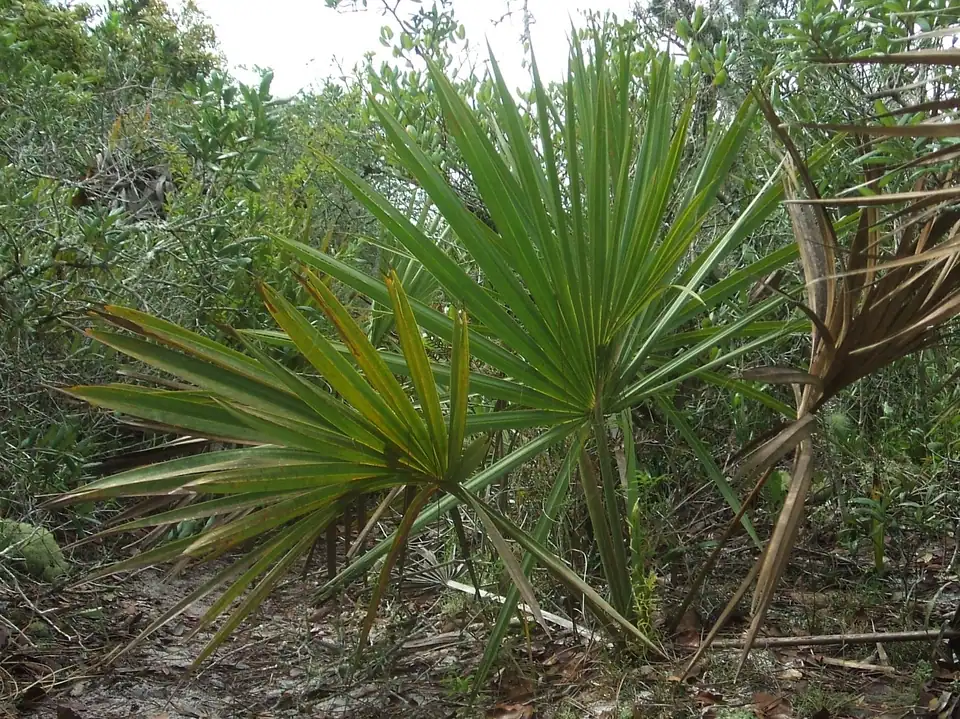
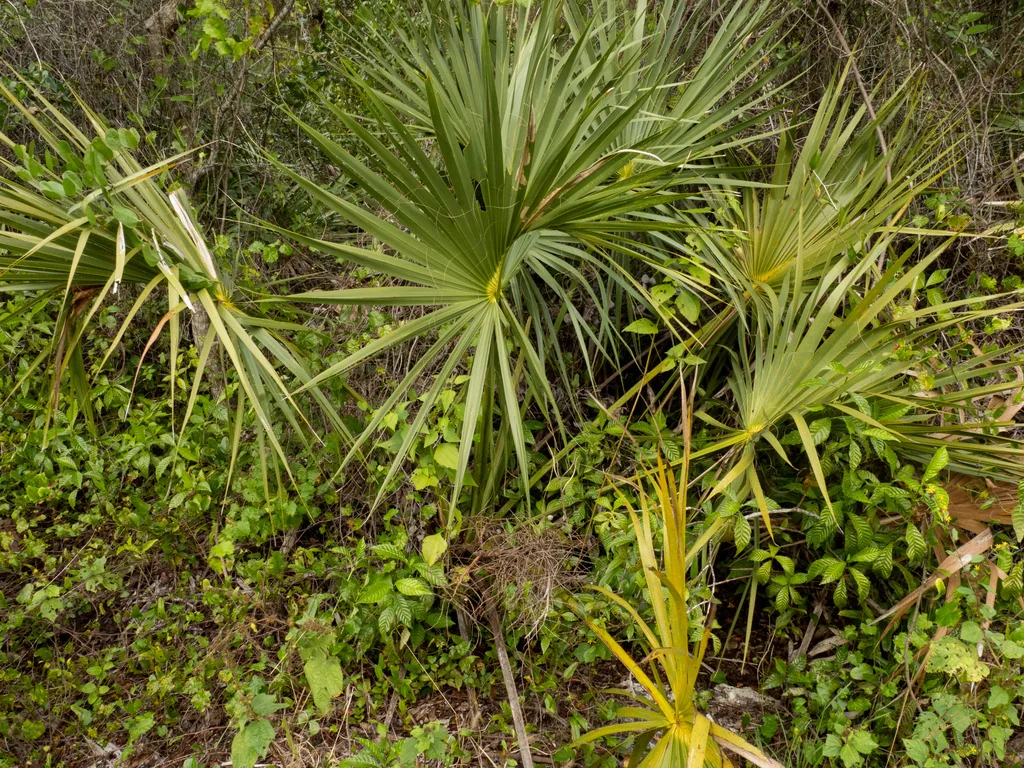
Sabal etonia
Escrito por Emilio Marruso · última revisión
De un vistazo
Esta palmera compacta alcanza solo 1,2–1,8 m de alto y de ancho, así que cabe en jardines pequeños e incluso en maceta o en interior. Dale sol pleno, aunque también tolera la semisombra, y plántala a finales de primavera o principios de verano, tras las últimas heladas. Su fruto alimenta a pájaros y otros animales, y llena tu jardín de vida.
- Sol
Sol pleno; también tolera la semisombra
Qué dicen las fuentes (3)
Luz: Pleno sol; tolera semisombra
The Scrub Palmetto prefers full sun but will tolerate partial shade. It is moderately salt tolerant and does best in moist, well-drained soils.
— Foolproof Palm Care: Scrub Palmetto - UF/IFAS Extension Citrus County [2] Light: Full Sun Moisture Tolerance: Not wet but not extremely dry -to- Very long very dry periods
— Florida Native Plant Society | Conserve, Preserve & Restore Florida's Native Plants [3] Succeeds in most fertile moist but well-drained soils in a sheltered sunny position
— Sabal etonia - Useful Temperate Plants [8] - Riego
Riega en abundancia tras plantarla hasta que arraigue
Qué dicen las fuentes (1)
Notas sobre el riego: Riega abundantemente después del trasplante hasta que se restablezca
It is important to stake the plant very firmly to prevent rock, and also to give it plenty of water until re-established - removing many of the leaves can also help
— Sabal etonia - Useful Temperate Plants [8] - Frío
Aguanta inviernos de hasta −12,2 °C (10 °F)
Rústica en inviernos fríos · USDA 8a · RHS H5 · Z8
Qué dicen las fuentes (2)
Rusticidad, zona más fría: 8a [mínima invernal de −12,2 a −9,4 °C (de 10 a 15 °F)]
Soil pH: Acidic Suitable to Grow In: 8A,8B,9A,9B USDA zones are based on the average annual extreme minimum winter temperature.
— Florida Native Plant Society | Conserve, Preserve & Restore Florida's Native Plants [3] Rusticidad, zona más cálida: 9b [mínima invernal de −3,9 a −1,1 °C (de 25 a 30 °F)]
Soil pH: Acidic Suitable to Grow In: 8A,8B,9A,9B USDA zones are based on the average annual extreme minimum winter temperature.
— Florida Native Plant Society | Conserve, Preserve & Restore Florida's Native Plants [3] - Plantación
Planta a finales de primavera o principios de verano, tras las últimas heladas
Qué dicen las fuentes (1)
Plantación: Finales de primavera o principios de verano, después de las últimas heladas esperadas.
Plant them out into their permanent positions in late spring or early summer, after the last expected frosts.
— Sabal etonia - Useful Temperate Plants [8] - Abonado
Hojas amarillas o con manchas: revisa el pH del suelo y usa un abono para palmeras
- Cosecha
Su fruto sirve de alimento a pájaros y otros animales
- Tamaño
1,2–1,8 m de alto y 1,2–1,8 m de ancho
Qué dicen las fuentes (2)
Altura adulta: 122-183 cm (4-6 pies)
Maintaining a clumping growth habit, at maturity, scrub palmettos can be 4 x 6 ft. tall and 4 x 6 ft. wide
— Foolproof Palm Care: Scrub Palmetto - UF/IFAS Extension Citrus County [2] Anchura adulta: 122-183 cm (4-6 pies)
Maintaining a clumping growth habit, at maturity, scrub palmettos can be 4 x 6 ft. tall and 4 x 6 ft. wide
— Foolproof Palm Care: Scrub Palmetto - UF/IFAS Extension Citrus County [2] - Siembra
Siembra las semillas en cuanto maduren, en invernadero cálido a 24 °C o más
Qué dicen las fuentes (1)
Siembra: En cuanto maduren, en un invernadero cálido a no menos de 24 °C [75 °F]
Seed - best sown as soon as it is ripe in a warm greenhouse at not less than 24°c
— Sabal etonia - Useful Temperate Plants [8] - Maceta
Crece también en maceta y en interior
Qué dicen las fuentes (2)
En maceta: Sí
In areas at the limit of their cold tolerance, therefore, it is prudent to grow the plants in containers for some years, giving them winter protection
— Sabal etonia - Useful Temperate Plants [8] En interior: Sí
yellow/green fan shaped leaves, and easy care nature, it grows very well as a house plant in a bright spot,
— Sabal etonia [7]
Resumen
El palmetto espiral es una palmera endémica de Florida de crecimiento lento, con un tronco mayormente subterráneo y en espiral, y 4-7 hojas de color verde amarillento. [1][2] En la naturaleza crece en la arena profunda del matorral de pino de las dunas de la cresta central de Florida y las crestas costeras. [5] Prefiere pleno sol y suelo bien drenado, y es mejor plantarlo directamente desde la semilla porque la supervivencia del trasplante es baja. [2]
Citado en inglés, como en la fuente.
Esta ficha está incompleta: las fuentes consultadas aún no cubren todos los campos.
Aún no cubierto por nuestras fuentes: Poda
Cuidados
Las medidas entre corchetes son nuestra conversión al otro sistema de unidades; el texto citado no cambia.
Riego
Riego
Las fuentes dan valores distintos según la región, la zona o las condiciones de cultivo.
Lo que dice cada fuente
Según Florida Native Plant Society: Ni húmedo ni extremadamente seco, hasta períodos muy largos de sequía
Según UF/IFAS Extension Citrus County: Le va mejor en suelos húmedos y bien drenados
Según Useful Temperate Plants: Abundante humedad en las raíces; tolera atmósferas áridas
Qué dicen las fuentes (5)
Según Florida Native Plant Society: Light:
Full Sun
Moisture Tolerance:
Not wet but not extremely dry
-to- Very long very dry periodsSegún UF/IFAS Extension Citrus County: The Scrub Palmetto prefers full sun but will tolerate partial shade. It is moderately salt tolerant and does best in moist, well-drained soils.Según Useful Temperate Plants: Although it prefers a humid atmosphere, this species is tolerant of arid atmospheres so long as it has plenty of moisture available at the rootsThe Scrub Palmetto prefers full sun but will tolerate partial shade. It is moderately salt tolerant and does best in moist, well-drained soils.Light:
Full Sun
Moisture Tolerance:
Not wet but not extremely dry
-to- Very long very dry periodsNotas sobre el riego
Riega abundantemente después del trasplante hasta que se restablezca
Qué dicen las fuentes (1)
It is important to stake the plant very firmly to prevent rock, and also to give it plenty of water until re-established - removing many of the leaves can also helpLuz
Pleno sol; tolera semisombra
Qué dicen las fuentes (3)
The Scrub Palmetto prefers full sun but will tolerate partial shade. It is moderately salt tolerant and does best in moist, well-drained soils.Light:
Full Sun
Moisture Tolerance:
Not wet but not extremely dry
-to- Very long very dry periodsSucceeds in most fertile moist but well-drained soils in a sheltered sunny positionClima y frío
Rusticidad, zona más fría
8a [mínima invernal de −12,2 a −9,4 °C (de 10 a 15 °F)]
Qué dicen las fuentes (1)
Soil pH:
Acidic
Suitable to Grow In:
8A,8B,9A,9B
USDA zones are based on the average annual extreme minimum winter temperature.Rusticidad, zona más cálida
9b [mínima invernal de −3,9 a −1,1 °C (de 25 a 30 °F)]
Qué dicen las fuentes (1)
Soil pH:
Acidic
Suitable to Grow In:
8A,8B,9A,9B
USDA zones are based on the average annual extreme minimum winter temperature.Dónde cultivarla
En interior
Sí
Qué dicen las fuentes (1)
yellow/green fan shaped leaves, and easy care nature, it grows very well as a house plant in a bright spot,En maceta
Sí
Qué dicen las fuentes (1)
In areas at the limit of their cold tolerance, therefore, it is prudent to grow the plants in containers for some years, giving them winter protectionPropagación
Las fuentes no coinciden:
Qué dicen las fuentes (3)
Propagation:
Seed.
Light:
Full Sun
Moisture Tolerance:
Not wet but not extremely drySeed - best sown as soon as it is ripe in a warm greenhouse at not less than 24°cHowever, it is strongly recommended to direct-plant scrub palmettos from seed as their transplant survival rate is low.Cultivo
La planta
Altura adulta
122-183 cm (4-6 pies)
Qué dicen las fuentes (1)
Maintaining a clumping growth habit, at maturity, scrub palmettos can be 4 x 6 ft. tall and 4 x 6 ft. wideAnchura adulta
122-183 cm (4-6 pies)
Qué dicen las fuentes (1)
Maintaining a clumping growth habit, at maturity, scrub palmettos can be 4 x 6 ft. tall and 4 x 6 ft. wideProblemas
Deficiencia de nutrientes
Síntoma: Frondas amarillentas o manchas amarillas/marrones en las frondas
Qué hacer: Usa un fertilizante para palmeras después de revisar el pH del suelo
Qué dicen las fuentes (2)
Generally, symptoms of nutrient deficiencies include yellowing fronds or yellow/brown spots on fronds.
— Foolproof Palm Care: Scrub Palmetto - UF/IFAS Extension Citrus County [2] Although a fertilizer specially formulated for palms can be used to address nutrient deficiencies, it is recommended that a soil pH reading is done prior to applying.
— Foolproof Palm Care: Scrub Palmetto - UF/IFAS Extension Citrus County [2]
Remedios
Las fuentes consultadas no dan remedios para esta planta.
Calendario
Siembra
En cuanto maduren, en un invernadero cálido a no menos de 24 °C [75 °F]
Qué dicen las fuentes (1)
Seed - best sown as soon as it is ripe in a warm greenhouse at not less than 24°cPlantación
Finales de primavera o principios de verano, después de las últimas heladas esperadas.
Qué dicen las fuentes (1)
Plant them out into their permanent positions in late spring or early summer, after the last expected frosts.Poda
No figura en las fuentes consultadas.
Meses tal como los dan las fuentes, en su mayoría de Estados Unidos (hemisferio norte). En el hemisferio sur se desplazan unos seis meses.
Comestibilidad
Según la fuente, citada textualmente. No comas una planta basándote solo en esta página: los errores de identificación pueden ser peligrosos.
(Deyrup et al. 2002). Fruit is eaten by birds and other animals.
[3]
Valores orientativos
Valores de una fuente secundaria, no comprobados palabra por palabra como el resto de esta página. Úselos como punto de partida.
- Ciclo de vida
- PerenneValor orientativo, adáptalo a tu clima · Fuente secundaria
- Resiste la sequía
- SíValor orientativo, adáptalo a tu clima · Fuente secundaria
- pH del suelo
- 6-7.5Valor orientativo, adáptalo a tu clima · Fuente secundaria
- Nivel de cuidado
- BajoValor orientativo, adáptalo a tu clima · Fuente secundaria
- Crecimiento
- BajoValor orientativo, adáptalo a tu clima · Fuente secundaria
- Poda
- marzo, abril, mayoValor orientativo, adáptalo a tu clima · Fuente secundaria
Plantas similares
- Palma de abanico Sabal palmetto
- Dwarf Palmetto Sabal minor
- Abeto de Vancuver Abies grandis
- Abraham Trachystemon orientalis
- Bananero de Etiopía Ensete ventricosum
- Acacia longifolia Acacia longifolia
- Acanthus hungaricus Acanthus hungaricus
- Achlys triphylla Achlys triphylla
Fuentes
Cada valor anterior se cita de estos documentos. Los enlaces llevan al editor original.
- FOR289 · edis.ifas.ufl.edu, consultado
- Foolproof Palm Care: Scrub Palmetto - UF/IFAS Extension Citrus County · blogs.ifas.ufl.edu, consultado
- Florida Native Plant Society | Conserve, Preserve & Restore Florida's Native Plants · fnps.org, consultado
- Lady Bird Johnson Wildflower Center - The University of Texas at Austin · wildflower.org, consultado
- Sabal etonia - FNA · floranorthamerica.org, consultado
- Scrub palmetto – Port St. Lucie Botanical Gardens · pslbg.org, consultado
- Sabal etonia · www-archiv.fdm.uni-hamburg.de, consultado
- Sabal etonia - Useful Temperate Plants · temperate.theferns.info, consultado
Escrito por Emilio Marruso · última revisión