Cómo cultivar y cuidar Pimpinela mayor
Sanguisorba officinalis
Escrito por Emilio Marruso · última revisión
De un vistazo
La pimpinela mayor es una planta tradicional del huerto de aromáticas que enamora enseguida. Sus hojas jóvenes dan buen sabor a sopas, ensaladas y bocadillos, y las hojas frescas o secas sirven para preparar infusión. Dale sol o semisombra, cultívala en el suelo o en maceta y recoge las hojas en primavera, antes de la floración.
- Sol
Sol pleno o semisombra
Qué dicen las fuentes (3)
Luz: Pleno sol a semisombra
Prefers a good moist soil that does not dry out in the summer, in sun or partial shade
— Sanguisorba officinalis - Useful Temperate Plants [2] It prefers sun or semi-shade with moist or wet soil.
— Sanguisorba officinalis [1] Site great burnet in full sun and average soil with good drainage.
— Sanguisorba officinalis, or Great Burnet, in the Garden - Horticulture [3] - Frío
Aguanta inviernos de hasta −34,4 °C (−30 °F)
Muy rústica · USDA 4 · RHS H7 · Z4
Qué dicen las fuentes (2)
Rusticidad, zona más fría: 4 [mínima invernal de −34,4 a −28,9 °C (de −30 a −20 °F)]
It may require staking, but you might avoid the need for this by planting it amid sturdy perennials through which its thin flowering stems can grow. USDA Zones 4–8.
— Sanguisorba officinalis, or Great Burnet, in the Garden - Horticulture [3] Rusticidad, zona más cálida: 8 [mínima invernal de −12,2 a −6,7 °C (de 10 a 20 °F)]
It may require staking, but you might avoid the need for this by planting it amid sturdy perennials through which its thin flowering stems can grow. USDA Zones 4–8.
— Sanguisorba officinalis, or Great Burnet, in the Garden - Horticulture [3] - Plantación
Planta al aire libre cuando ya no haya riesgo de heladas
Qué dicen las fuentes (1)
Plantación: Al aire libre cuando pase el riesgo de heladas
The pots can be placed in an unheated greenhouse, or outside when the risk of frost is over. When fully rooted in the pots, plant outside in field.
— Sanguisorba officinalis [1] - Cosecha
Recoge las hojas jóvenes en primavera, antes de la floración, para ensaladas, sopas e infusiones
Qué dicen las fuentes (4)
Cosecha: Hojas jóvenes en primavera antes de la floración; semillas maduran de agosto a septiembre
Según Useful Temperate Plants (Ken Fern), leaves: They should be harvested in the spring before the plant comes into flower
— Sanguisorba officinalis - Useful Temperate Plants [2] Según NordGen, seeds: The seeds will normally ripen in August/September. Always harvest in dry conditions, and harvest when both the inflorescence and the stem underneath are brownish and dry.
— Sanguisorba officinalis [1] They should be harvested in the spring before the plant comes into flower
— Sanguisorba officinalis - Useful Temperate Plants [2] The seeds will normally ripen in August/September. Always harvest in dry conditions, and harvest when both the inflorescence and the stem underneath are brownish and dry.
— Sanguisorba officinalis [1] - Atención
Sus raíces se extienden y se resiembra sola: elige bien el sitio y quita las flores pasadas
Qué dicen las fuentes (1)
Chupones: Los rizomas pueden extenderse con facilidad y convertirse en una molestia; ubícalo con cuidado.
The rhizomes can spread readily and have the potential to become a nuisance , so site with care
— [6] - Multiplicación
Por semilla o dividiendo la planta en primavera u otoño
Qué dicen las fuentes (2)
Propagación: Semilla; división en primavera u otoño
Seed - sow spring or autumn in a cold frame. When they are large enough to handle, prick the seedlings out into individual pots
— Sanguisorba officinalis - Useful Temperate Plants [2] Division in the spring or in autumn
— Sanguisorba officinalis - Useful Temperate Plants [2] - Siembra
Siembra en primavera u otoño
Qué dicen las fuentes (3)
Siembra: Primavera u otoño.
Según Useful Temperate Plants (Ken Fern), cold frame: Seed - sow spring or autumn in a cold frame. When they are large enough to handle, prick the seedlings out into individual pots
— Sanguisorba officinalis - Useful Temperate Plants [2] Según NordGen, trays under light at 20-23 °C: Start cultivation in April/May in a broadcast tray under light conditions, approximately 20-23 °C.
— Sanguisorba officinalis [1] Seed - sow spring or autumn in a cold frame. When they are large enough to handle, prick the seedlings out into individual pots
— Sanguisorba officinalis - Useful Temperate Plants [2] - Maceta
Crece también en maceta
Qué dicen las fuentes (1)
En maceta: Sí
In nature you can find Sanguisorba officinalis in meadows and bog-like areas, but it is also a beloved ornamental growing outside in pots or field.
— Sanguisorba officinalis [1]
Resumen
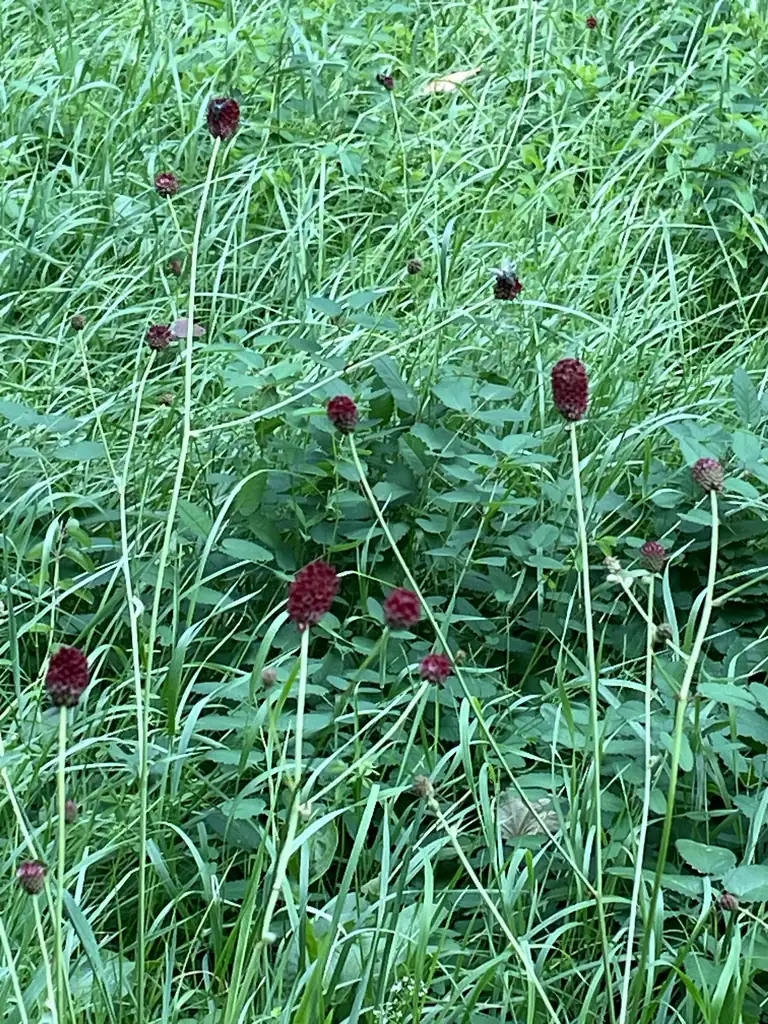
La pimpinela mayor es una planta perenne autofértil originaria de Europa, el norte de Asia y América del Norte, que alcanza 60-100 cm [24–39 in] y florece de junio a agosto con flores de color rojo oscuro. [1] Crece en prados y lugares herbosos húmedos y es adecuada para jardines de pradera, plantaciones naturalistas y jardines de hierbas. [2][3] Se cultiva a pleno sol o en semisombra y se propaga por semilla o por división. [1][2]
Citado en inglés, como en la fuente.
Esta ficha está incompleta: las fuentes consultadas aún no cubren todos los campos.
Aún no cubierto por nuestras fuentes: Poda
Cuidados
Las medidas entre corchetes son nuestra conversión al otro sistema de unidades; el texto citado no cambia.
Riego
Las fuentes dan valores distintos según la región, la zona o las condiciones de cultivo.
Lo que dice cada fuente
Según Horticulture magazine: Tolera algo de sequía una vez establecido
Según Useful Temperate Plants (Ken Fern): Suelo húmedo que no se seque en verano
Según NordGen: Suelo húmedo o mojado
Qué dicen las fuentes (3)
Según Horticulture magazine: Site great burnet in full sun and average soil with good drainage. Once it is established it can tolerate some drought.Según Useful Temperate Plants (Ken Fern): Prefers a good moist soil that does not dry out in the summer, in sun or partial shadeSegún NordGen: It prefers sun or semi-shade with moist or wet soil.Luz
Pleno sol a semisombra
Qué dicen las fuentes (3)
Prefers a good moist soil that does not dry out in the summer, in sun or partial shadeIt prefers sun or semi-shade with moist or wet soil.Site great burnet in full sun and average soil with good drainage.Clima y frío
Rusticidad, zona más fría
4 [mínima invernal de −34,4 a −28,9 °C (de −30 a −20 °F)]
Qué dicen las fuentes (1)
It may require staking, but you might avoid the need for this by planting it amid sturdy perennials through which its thin flowering stems can grow. USDA Zones 4–8.Rusticidad, zona más cálida
8 [mínima invernal de −12,2 a −6,7 °C (de 10 a 20 °F)]
Qué dicen las fuentes (1)
It may require staking, but you might avoid the need for this by planting it amid sturdy perennials through which its thin flowering stems can grow. USDA Zones 4–8.Dónde cultivarla
Sí
Qué dicen las fuentes (1)
In nature you can find Sanguisorba officinalis in meadows and bog-like areas, but it is also a beloved ornamental growing outside in pots or field.Propagación
Semilla; división en primavera u otoño
Cultivo
Raíces
Chupones
Los rizomas pueden extenderse con facilidad y convertirse en una molestia; ubícalo con cuidado.
Qué dicen las fuentes (1)
The rhizomes can spread readily and have the potential to become a nuisance , so site with careProblemas
Resiembra natural
Síntoma: Las plántulas aparecen alrededor del jardín
Qué hacer: Retira las flores marchitas antes de que produzcan semillas
Qué dicen las fuentes (1)
Sanguisorba officinalis can seed itself around, so if you do not want seedlings remove the spent flowers before they go to seed.
— Sanguisorba officinalis, or Great Burnet, in the Garden - Horticulture [3] Tallos florales flácidos
Síntoma: Los tallos florales delgados pueden necesitar apoyo
Qué hacer: Entutora o plántalo entre plantas perennes resistentes.
Qué dicen las fuentes (1)
It may require staking, but you might avoid the need for this by planting it amid sturdy perennials through which its thin flowering stems can grow.
— Sanguisorba officinalis, or Great Burnet, in the Garden - Horticulture [3]
Remedios
Cada remedio indica qué dicen las fuentes oficiales; los remedios tradicionales sin fuente oficial aparecen marcados. Los perjudiciales están para que sepas evitarlos.
Cuidar la planta
autosiembra
eliminación de flores marchitas No verificado
Remedio tradicional, no verificado por una fuente oficial.
Cómo: Si no quieres plántulas, retira las flores marchitas antes de que produzcan semillas.
tallos flácidos
plantación entre plantas perennes resistentes No verificado
Remedio tradicional, no verificado por una fuente oficial.
Cómo: En lugar de entutorar, plántalo entre plantas perennes resistentes a través de las cuales puedan crecer sus tallos florales delgados.
Calendario
Siembra
Primavera u otoño.
Lo que dice cada fuente
Según Useful Temperate Plants (Ken Fern), cold frame: Primavera u otoño.
Según NordGen, trays under light at 20-23 °C: Abril-mayo
Qué dicen las fuentes (3)
Según Useful Temperate Plants (Ken Fern), cold frame: Seed - sow spring or autumn in a cold frame. When they are large enough to handle, prick the seedlings out into individual potsSegún NordGen, trays under light at 20-23 °C: Start cultivation in April/May in a broadcast tray under light conditions, approximately 20-23 °C.Seed - sow spring or autumn in a cold frame. When they are large enough to handle, prick the seedlings out into individual potsPlantación
Al aire libre cuando pase el riesgo de heladas
Qué dicen las fuentes (1)
The pots can be placed in an unheated greenhouse, or outside when the risk of frost is over. When fully rooted in the pots, plant outside in field.Cosecha
Hojas jóvenes en primavera antes de la floración; semillas maduran de agosto a septiembre
Lo que dice cada fuente
Según Useful Temperate Plants (Ken Fern), leaves: Primavera, antes de la floración
Según NordGen, seeds: Agosto-septiembre
Qué dicen las fuentes (4)
Según Useful Temperate Plants (Ken Fern), leaves: They should be harvested in the spring before the plant comes into flowerSegún NordGen, seeds: The seeds will normally ripen in August/September. Always harvest in dry conditions, and harvest when both the inflorescence and the stem underneath are brownish and dry.They should be harvested in the spring before the plant comes into flowerThe seeds will normally ripen in August/September. Always harvest in dry conditions, and harvest when both the inflorescence and the stem underneath are brownish and dry.Poda
No figura en las fuentes consultadas.
Meses tal como los dan las fuentes, en su mayoría de Estados Unidos (hemisferio norte). En el hemisferio sur se desplazan unos seis meses.
Comestibilidad
Según la fuente, citada textualmente. No comas una planta basándote solo en esta página: los errores de identificación pueden ser peligrosos.
Plantas similares
- Pimpinela menor Sanguisorba minor
- Abeto de Vancuver Abies grandis
- Abraham Trachystemon orientalis
- Bananero de Etiopía Ensete ventricosum
- Acacia longifolia Acacia longifolia
- Acanthus hungaricus Acanthus hungaricus
- Achlys triphylla Achlys triphylla
- Acónito común Aconitum napellus
Fuentes
Cada valor anterior se cita de estos documentos. Los enlaces llevan al editor original.
- Sanguisorba officinalis · publication.nordgen.org, consultado
- Sanguisorba officinalis - Useful Temperate Plants · temperate.theferns.info, consultado
- Sanguisorba officinalis, or Great Burnet, in the Garden - Horticulture · hortmag.com, consultado
- Sanguisorba officinalis (great burnet): Go Botany · gobotany.nativeplanttrust.org, consultado
- Perfect meadow plants that look great in naturalistic planting schemes: here's how to grow sanguisorba | Gardens Illustrated · gardensillustrated.com, consultado
- rhs.org.uk · rhs.org.uk
Escrito por Emilio Marruso · última revisión