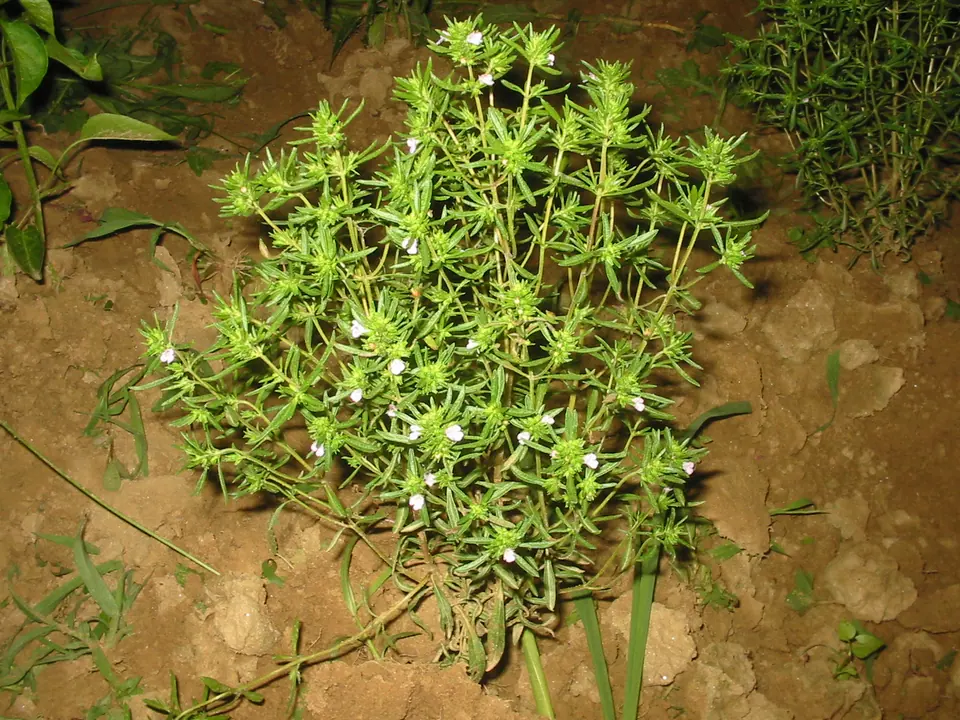
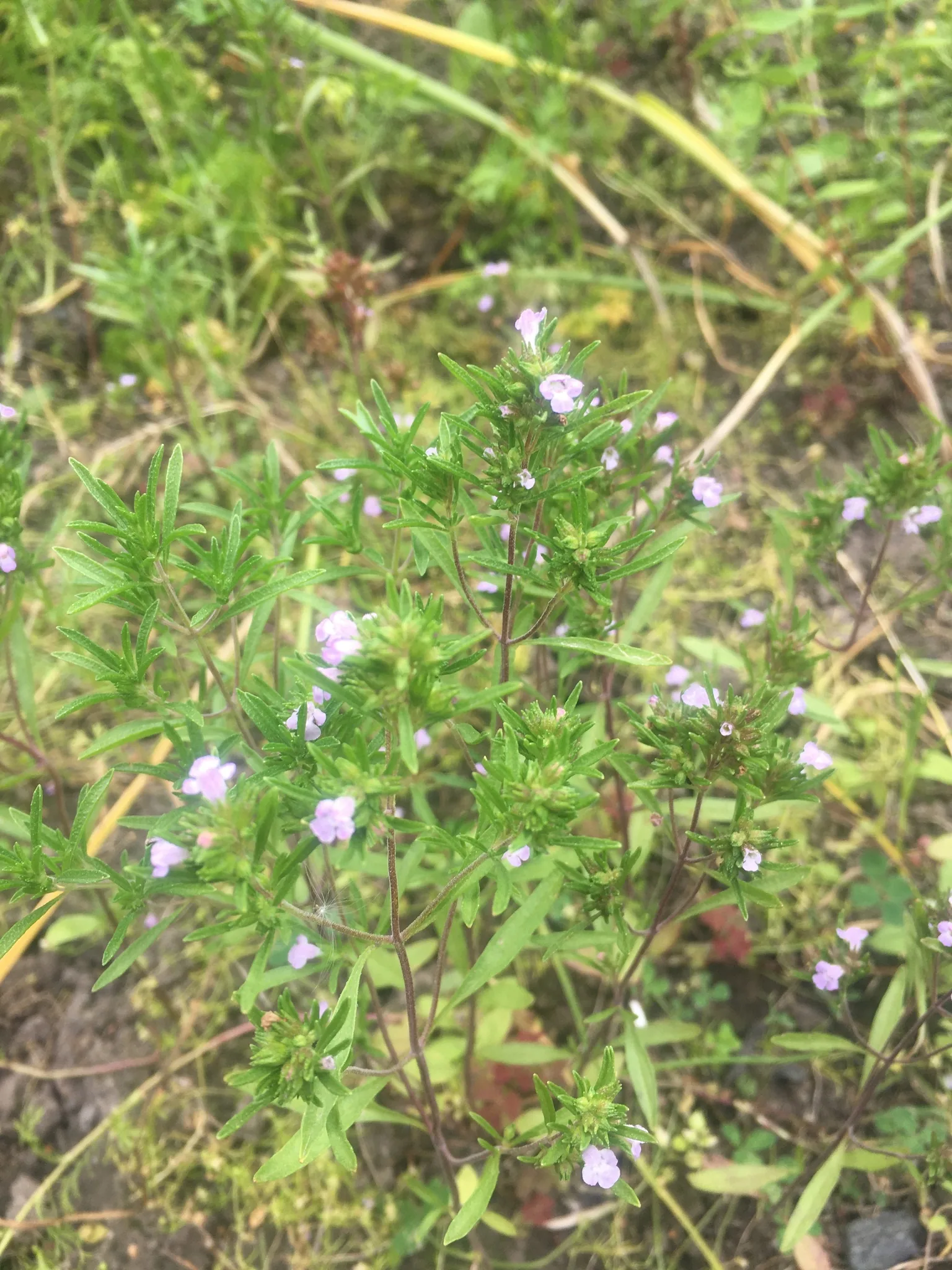

Cómo cultivar y cuidar Ajedrea de jardín
Satureja hortensis
Escrito por Emilio Marruso · última revisión
No tóxica para gatos y perros, según las fuentes · Fuentes
De un vistazo
La ajedrea de jardín es una aromática que puedes cultivar desde semilla: siémbrala en primavera y brotará en 2 semanas. Dale sol pleno y podrás cortar sus puntas con hojas antes de 2 meses desde la siembra, desde mediados del verano hasta el otoño. Las hojas dan sabor crudas o cocinadas, las flores también se comen y crece feliz en maceta.
- Sol
Sol pleno
Qué dicen las fuentes (2)
Luz: Pleno sol
Full sun (6 or more hours of direct sunlight a day)
— Satureja hortensis (Cimbru, Savory, Summer Savory) | North Carolina Extension Gardener Plant Toolbox [1] It prefers a full sun location in a well prepared soil that is moist, but well-drained.
— Savory: Summer | Herbs | Illinois Extension | Illinois [2] - Riego
Riega las plantas nuevas en los periodos secos de su primer año
Qué dicen las fuentes (1)
Notas sobre el riego: Las plantas nuevas deben regarse durante los períodos secos en su primer año.
Savory is fairly drought tolerant but new plants should be watered during dry spells in their first year.
— How to grow Savory | RHS Guide [5] - Frío
Aguanta inviernos de hasta −45,6 °C (−50 °F)
Muy rústica · USDA 2a · RHS H7 · Z2
Qué dicen las fuentes (2)
Rusticidad, zona más fría: 2a [mínima invernal de −45,6 a −42,8 °C (de −50 a −45 °F)]
2a, 2b, 3a, 3b, 4a, 4b, 5a, 5b, 6a, 6b, 7a, 7b, 8a, 8b, 9a, 9b, 10a, 10b, 11a, 11b
— Satureja hortensis (Cimbru, Savory, Summer Savory) | North Carolina Extension Gardener Plant Toolbox [1] Rusticidad, zona más cálida: 11b [mínima invernal de 7,2 a 10 °C (de 45 a 50 °F)]
2a, 2b, 3a, 3b, 4a, 4b, 5a, 5b, 6a, 6b, 7a, 7b, 8a, 8b, 9a, 9b, 10a, 10b, 11a, 11b
— Satureja hortensis (Cimbru, Savory, Summer Savory) | North Carolina Extension Gardener Plant Toolbox [1] - Suelo
Suelo alcalino, pH 8,0 o más
Qué dicen las fuentes (1)
pH del suelo, mínimo: 8.0
Alkaline (>8.0)
— Satureja hortensis (Cimbru, Savory, Summer Savory) | North Carolina Extension Gardener Plant Toolbox [1] - Distancia
Al menos 20 cm entre plantas
Qué dicen las fuentes (3)
Distancia de plantación: Al menos 20 cm (8 pulgadas)
Según RHS: Plant savory at the same depth it was previously growing and at least 20cm (8in) from neighbouring plants.
— How to grow Savory | RHS Guide [5] Montana (parcelas de investigación): Six-row plots were 8 ft long with rows 18" apart and 8.7" between plants,
— Summer Savory - Western Agricultural Research Center | Montana State University [3] Plant savory at the same depth it was previously growing and at least 20cm (8in) from neighbouring plants.
— How to grow Savory | RHS Guide [5] - Plantación
Planta en primavera, cuando la tierra empiece a calentarse
Qué dicen las fuentes (1)
Plantación: Primavera, una vez que el suelo empieza a calentarse
Savory is best planted outside in spring, once the soil is starting to warm up.
— How to grow Savory | RHS Guide [5] - Poda
Córtala cuando aparezcan los botones florales
Qué dicen las fuentes (1)
Poda: Cuando aparecen los botones florales
It is a fast-growing plant, can be harvested within 2 months of sowing, and can be cut back as the flower buds appear to produce a fresh flush of leaves.
— Satureja hortensis (Cimbru, Savory, Summer Savory) | North Carolina Extension Gardener Plant Toolbox [1] - Cosecha
Corta las puntas con hojas al salir los botones, de mediados del verano al otoño; fresca o seca, y las flores se comen
Qué dicen las fuentes (4)
Cosecha: Dentro de los 2 meses de la siembra; desde mediados del verano hasta que muere en otoño
It is a fast-growing plant, can be harvested within 2 months of sowing, and can be cut back as the flower buds appear to produce a fresh flush of leaves.
— Satureja hortensis (Cimbru, Savory, Summer Savory) | North Carolina Extension Gardener Plant Toolbox [1] It’s usually sown in spring and harvested from mid-summer until it dies off in autumn.
— How to grow Savory | RHS Guide [5] Cómo cosechar: Corta las puntas de las hojas cuando las plantas empiecen a mostrar brotes
Cut leafy tops when plants start to show buds. Use fresh or the leaves can be dried and stored.
— Savory: Summer | Herbs | Illinois Extension | Illinois [2] Conservación: Usa fresco, o seca las hojas y guárdalas
Cut leafy tops when plants start to show buds. Use fresh or the leaves can be dried and stored.
— Savory: Summer | Herbs | Illinois Extension | Illinois [2] - Multiplicación
Se multiplica por semilla o por esquejes
Qué dicen las fuentes (2)
Propagación: Semilla; esquejes
Summer savory is grown from seeds sown directly in the garden or indoors and then transplanted after danger of frost is past.
— Savory: Summer | Herbs | Illinois Extension | Illinois [2] Indoor-grown plants, raised from seed or cuttings
— How to grow Savory | RHS Guide [5] - Siembra
Siembra en primavera; las semillas brotan en 2 semanas
Qué dicen las fuentes (4)
Siembra: Primavera
Montana (siembra directa en el campo): In 1999, summer savory was direct sown in the field on June 11 at 1.25 lb/a.
— Summer Savory - Western Agricultural Research Center | Montana State University [3] It’s usually sown in spring and harvested from mid-summer until it dies off in autumn.
— How to grow Savory | RHS Guide [5] The plant is grown from seed in early spring and harvested in the summer when in flower and can be used fresh or dried.
— Satureja hortensis (Cimbru, Savory, Summer Savory) | North Carolina Extension Gardener Plant Toolbox [1] Días de germinación: 14 (2 semanas)
Cover seed very lightly. It should germinate in about 2 weeks. Plants will withstand light frost.
— Explore Cornell - Home Gardening - Flower Growing Guides - Growing Guide [4] - Maceta
Crece también en maceta y en interior
Qué dicen las fuentes (2)
En maceta: Sí
Savory is easy to grow and will thrive in full sun and free-draining conditions, in the ground or in containers.
— How to grow Savory | RHS Guide [5] En interior: Sí
Summer savory is easily grown in containers indoors for the winter.
— Savory: Summer | Herbs | Illinois Extension | Illinois [2] - Seguridad
No es tóxica para gatos, perros ni caballos
Resumen
La ajedrea de verano es una hierba culinaria anual que se cultiva a partir de semillas a pleno sol. [5][2] Se siembra en primavera y se cosecha desde mediados del verano hasta que muere en otoño. [5] Se puede cultivar en contenedores. [5]
Citado en inglés, como en la fuente.
Cuidados
Riego
Riego
Las fuentes dan valores distintos según la región, la zona o las condiciones de cultivo.
Lo que dice cada fuente
Según NC State Extension: Abundante humedad
Según RHS (plants in the ground): Sin riego adicional una vez establecido
Qué dicen las fuentes (2)
Según NC State Extension: Summer Savory is easy to grow in rich light soil with plenty of moisture, full sun and alkaline soil, although it is not fussy.Según RHS (plants in the ground): Once established, savory shouldn’t need additional watering when growing in the ground.Notas sobre el riego
Las plantas nuevas deben regarse durante los períodos secos en su primer año.
Qué dicen las fuentes (1)
Savory is fairly drought tolerant but new plants should be watered during dry spells in their first year.Luz
Pleno sol
Qué dicen las fuentes (2)
Full sun (6 or more hours of direct sunlight a day)It prefers a full sun location in a well prepared soil that is moist, but well-drained.Clima y frío
Rusticidad, zona más fría
2a [mínima invernal de −45,6 a −42,8 °C (de −50 a −45 °F)]
Qué dicen las fuentes (1)
2a, 2b, 3a, 3b, 4a, 4b, 5a, 5b, 6a, 6b, 7a, 7b, 8a, 8b, 9a, 9b, 10a, 10b, 11a, 11bRusticidad, zona más cálida
11b [mínima invernal de 7,2 a 10 °C (de 45 a 50 °F)]
Qué dicen las fuentes (1)
2a, 2b, 3a, 3b, 4a, 4b, 5a, 5b, 6a, 6b, 7a, 7b, 8a, 8b, 9a, 9b, 10a, 10b, 11a, 11bSuelo
8.0
Qué dicen las fuentes (1)
Alkaline (>8.0)Dónde cultivarla
En interior
Sí
Qué dicen las fuentes (1)
Summer savory is easily grown in containers indoors for the winter.En maceta
Sí
Qué dicen las fuentes (1)
Savory is easy to grow and will thrive in full sun and free-draining conditions, in the ground or in containers.Distancia de plantación
Al menos 20 cm (8 pulgadas)
Lo que dice cada fuente
Según RHS: Al menos 20 cm (8 pulgadas)
Montana (parcelas de investigación): 22.1 cm (8.7 in) entre plantas, hileras a 45.7 cm (18 in) de distancia
Qué dicen las fuentes (3)
Según RHS: Plant savory at the same depth it was previously growing and at least 20cm (8in) from neighbouring plants.Montana (parcelas de investigación): Six-row plots were 8 ft long with rows 18" apart and 8.7" between plants,Plant savory at the same depth it was previously growing and at least 20cm (8in) from neighbouring plants.Propagación
Semilla; esquejes
Cultivo
La planta
Ciclo de vida
anual
Qué dicen las fuentes (1)
Summer Savory is grown as an annual, unlike its cousin, Winter Savory, which is grown as a perennial and tends to have a more bitter flavor.Familia
Lamiaceae
Qué dicen las fuentes (1)
Satureja hortensis
Lamiaceae Family
Synonym: Satureia hortensis
This aromatic, half-hardy annual herb is best in mass plantingsSiembra y crecimiento
Días de germinación
14 (2 semanas)
Qué dicen las fuentes (1)
Cover seed very lightly. It should germinate in about 2 weeks. Plants will withstand light frost.Días hasta la madurez
dentro de los 2 meses de la siembra
Qué dicen las fuentes (1)
It is a fast-growing plant, can be harvested within 2 months of sowing, and can be cut back as the flower buds appear to produce a fresh flush of leaves.Cosecha y conservación
Cómo cosechar
Corta las puntas de las hojas cuando las plantas empiecen a mostrar brotes
Qué dicen las fuentes (1)
Cut leafy tops when plants start to show buds. Use fresh or the leaves can be dried and stored.Conservación
Usa fresco, o seca las hojas y guárdalas
Qué dicen las fuentes (1)
Cut leafy tops when plants start to show buds. Use fresh or the leaves can be dried and stored.Abonado
Cuándo
Las fuentes dan valores distintos según la región, la zona o las condiciones de cultivo.
Lo que dice cada fuente
En el suelo: No necesita abono, incluso en suelos pobres
Qué dicen las fuentes (1)
En el suelo: Savory growing in the ground doesn’t need feeding and should thrive even in poor soil.Frecuencia
Las fuentes dan valores distintos según la región, la zona o las condiciones de cultivo.
Lo que dice cada fuente
En el suelo: No necesita abono
Qué dicen las fuentes (1)
En el suelo: Savory growing in the ground doesn’t need feeding and should thrive even in poor soil.Remedios
Las fuentes consultadas no dan remedios para esta planta.
Toxicidad
Según la fuente, citada textualmente. No es un consejo médico ni veterinario: si una persona o un animal pudo haber ingerido esta planta, contacta con un centro de toxicología o con un veterinario.
Calendario
Siembra
Primavera
Lo que dice cada fuente
Montana (siembra directa en el campo): 11 de junio
Qué dicen las fuentes (3)
Montana (siembra directa en el campo): In 1999, summer savory was direct sown in the field on June 11 at 1.25 lb/a.It’s usually sown in spring and harvested from mid-summer until it dies off in autumn.The plant is grown from seed in early spring and harvested in the summer when in flower and can be used fresh or dried.Plantación
Primavera, una vez que el suelo empieza a calentarse
Qué dicen las fuentes (1)
Savory is best planted outside in spring, once the soil is starting to warm up.Cosecha
Dentro de los 2 meses de la siembra; desde mediados del verano hasta que muere en otoño
Qué dicen las fuentes (2)
It is a fast-growing plant, can be harvested within 2 months of sowing, and can be cut back as the flower buds appear to produce a fresh flush of leaves.It’s usually sown in spring and harvested from mid-summer until it dies off in autumn.Poda
Cuando aparecen los botones florales
Qué dicen las fuentes (1)
It is a fast-growing plant, can be harvested within 2 months of sowing, and can be cut back as the flower buds appear to produce a fresh flush of leaves.Meses tal como los dan las fuentes, en su mayoría de Estados Unidos (hemisferio norte). En el hemisferio sur se desplazan unos seis meses.
Respecto a las heladas
Estimación menos precisa: no hay ninguna estación meteorológica a menos de 300 km.
Busca las fechas de heladas por código postal o ciudad
Trasplante: hacia la última helada
Summer savory is grown from seeds sown directly in the garden or indoors and then transplanted after danger of frost is past.
— Savory: Summer | Herbs | Illinois Extension | Illinois [2]
Cuenta desde las fechas medias de las heladas de tu zona.
Comestibilidad
Según la fuente, citada textualmente. No comas una planta basándote solo en esta página: los errores de identificación pueden ser peligrosos.
Plantas similares
- Winter savory Satureja montana
- Persian zatar Satureja thymbra
- Anise Sage Salvia guaranitica
- Mastranzo Mentha suaveolens
- Salvia real Salvia sagittata
- Autumn Sage Salvia greggii
- Beach Vitex Vitex rotundifolia
- Beautyberry Callicarpa acuminata
Fuentes
Cada valor anterior se cita de estos documentos. Los enlaces llevan al editor original.
- Satureja hortensis (Cimbru, Savory, Summer Savory) | North Carolina Extension Gardener Plant Toolbox · plants.ces.ncsu.edu, consultado
- Savory: Summer | Herbs | Illinois Extension | Illinois · extension.illinois.edu, consultado
- Summer Savory - Western Agricultural Research Center | Montana State University · agresearch.montana.edu, consultado
- Explore Cornell - Home Gardening - Flower Growing Guides - Growing Guide · gardening.cornell.edu, consultado
- How to grow Savory | RHS Guide · rhs.org.uk, consultado
- Summer Savory - Satureja hortensis | North Carolina Extension Gardener Plant Toolbox · plants.ces.ncsu.edu, consultado
Escrito por Emilio Marruso · última revisión