
Cómo cultivar y cuidar Clavel lanudo
Silene coronaria
Escrito por Emilio Marruso · última revisión
De un vistazo
Esta vivaz agradecida adora el sol pleno y aguanta bien la sequía, hasta alcanzar 61–91 cm de altura. Recórtala tras la primera floración y te regalará una segunda tanda de flores. Además se resiembra sola, así que unas pocas plantas pueden convertirse en muchas; solo necesita un sitio donde la tierra nunca quede encharcada.
- Sol
Sol pleno; tolera semisombra, con sombra por la tarde en climas cálidos
Qué dicen las fuentes (2)
Luz: Pleno sol; tolera semisombra (sombra por la tarde en zonas cálidas)
It is drought tolerant and does well in rock or crevice gardens. It prefers full sun but can tolerate some shade.
— Silene coronaria (Bloody William, Catch Fly, Lampflower, Mullein Pink, Rose Campion) | North Carolina Extension Gardener Plant Toolbox [1] Full sun delivers the best blooms, though a bit of afternoon shade is fine in hot regions.
— How to Grow and Care for Rose Campion | Gardener's Path [4] - Riego
Aguanta bien la sequía; nunca dejes la tierra encharcada
Qué dicen las fuentes (2)
Sequía: Tolerante a la sequía; tolera períodos secos y condiciones secas, pero no suelo húmedo.
It is drought tolerant and does well in rock or crevice gardens.
— Silene coronaria (Bloody William, Catch Fly, Lampflower, Mullein Pink, Rose Campion) | North Carolina Extension Gardener Plant Toolbox [1] Soil: Lychnis likes well drained soil and can tolerate dry conditions. It will not tolerate wet soil conditions.
—  [6] - Suelo
Suelo bien drenado, pH 6,5–7,5
Qué dicen las fuentes (4)
pH del suelo, mínimo: 6.5
Poorly draining soil increases the risk of root rot. Aim for a slightly acidic to neutral pH between 6.5 and 7.5 for optimal growth.
— How to Grow and Care for Rose Campion | Gardener's Path [4] pH del suelo, máximo: 7.5
Poorly draining soil increases the risk of root rot. Aim for a slightly acidic to neutral pH between 6.5 and 7.5 for optimal growth.
— How to Grow and Care for Rose Campion | Gardener's Path [4] Sequía: Tolerante a la sequía; tolera períodos secos y condiciones secas, pero no suelo húmedo.
It is drought tolerant and does well in rock or crevice gardens.
— Silene coronaria (Bloody William, Catch Fly, Lampflower, Mullein Pink, Rose Campion) | North Carolina Extension Gardener Plant Toolbox [1] Soil: Lychnis likes well drained soil and can tolerate dry conditions. It will not tolerate wet soil conditions.
—  [6] - Distancia
30–38 cm entre plantas
Qué dicen las fuentes (4)
Distancia de plantación: 30.5-38.1 cm (12-15 pulgadas)
trasplantes (fuente: University of Wisconsin-Madison Extension): When transplanting, space plants about 12 to 15 inches apart. The distinctive seedlings are easy to identify and easy to pull out if you don’t want them.
— Rose Campion, Silene coronaria – Wisconsin Horticulture [2] divisiones (fuente: Gardener's Path): Replant healthy divisions at least 12 inches apart, placing the crown level with the soil surface.
— How to Grow and Care for Rose Campion | Gardener's Path [4] When transplanting, space plants about 12 to 15 inches apart. The distinctive seedlings are easy to identify and easy to pull out if you don’t want them.
— Rose Campion, Silene coronaria – Wisconsin Horticulture [2] Entre plantas: 30-38 cm [12–15 in] al trasplantar.
When transplanting, space plants about 12 to 15 inches apart.
— Rose Campion, Silene coronaria – Wisconsin Horticulture [2] - Plantación
Planta a finales de otoño o a principios de primavera; trasplanta las plántulas espontáneas a finales de primavera
Qué dicen las fuentes (5)
Plantación: Finales de otoño o principios de primavera; las plántulas autosembradas se trasplantan a finales de primavera
Según UC Master Gardeners (Calaveras County): How to Plant: plant in well drained soil from seed or transplants in late fall or early spring. Seeds like light for germination so do not cover with soil.
—  [6] plántulas autosembradas (fuente: University of Wisconsin-Madison Extension): Thin the seedlings or transplant to other areas in late spring when large enough to handle.
— Rose Campion, Silene coronaria – Wisconsin Horticulture [2] divisiones (fuente: Gardener's Path): Older clumps often develop a ring of new rosettes around a declining center. These can be lifted and divided in early spring or fall.
— How to Grow and Care for Rose Campion | Gardener's Path [4] How to Plant: plant in well drained soil from seed or transplants in late fall or early spring. Seeds like light for germination so do not cover with soil.
—  [6] Thin the seedlings or transplant to other areas in late spring when large enough to handle.
— Rose Campion, Silene coronaria – Wisconsin Horticulture [2] - Poda
Recórtala tras la primera floración para que vuelva a florecer; pódala a finales de otoño o a principios de invierno
Qué dicen las fuentes (4)
Poda: Finales de otoño o principios de invierno (corta); recorta después de la primera floración para una segunda floración
Según UC Master Gardeners (Calaveras County): If you mulch, the seeds don’t germinate well, due to lack of light. Pruning needs: Prune back in late fall or early winter.
—  [6] Según University of Wisconsin-Madison Extension: Deadhead regularly to encourage continuous flowering or shear after the initial flowering to promote a second flush of flowers later in the season.
— Rose Campion, Silene coronaria – Wisconsin Horticulture [2] If you mulch, the seeds don’t germinate well, due to lack of light. Pruning needs: Prune back in late fall or early winter.
—  [6] Deadhead regularly to encourage continuous flowering or shear after the initial flowering to promote a second flush of flowers later in the season.
— Rose Campion, Silene coronaria – Wisconsin Horticulture [2] - Plagas
Vigila las babosas; la tierra encharcada provoca podredumbre de raíz
Qué dicen las fuentes (1)
Plagas: babosas
Insects, Diseases, and Other Plant Problems: Rose campion is generally insect and disease-free; however, slugs may be problematic.
— Silene coronaria (Bloody William, Catch Fly, Lampflower, Mullein Pink, Rose Campion) | North Carolina Extension Gardener Plant Toolbox [1] - Tamaño
61–91 cm de alto y 41–61 cm de ancho
Qué dicen las fuentes (3)
Altura adulta: 61–91 cm (2–3 pies)
Dimensions: Height: 2 ft. 0 in. - 3 ft. 0 in.
— Silene coronaria (Bloody William, Catch Fly, Lampflower, Mullein Pink, Rose Campion) | North Carolina Extension Gardener Plant Toolbox [1] Plants form rosettes of leaves the first year and spreading mounds 2 to 3 feet tall in subsequent years.
— Rose Campion, Silene coronaria – Wisconsin Horticulture [2] Anchura adulta: 41–61 cm (1 pie 4 pulg – 2 pies)
Height: 2 ft. 0 in. - 3 ft. 0 in. Width: 1 ft. 4 in. - 2 ft. 0 in.
— Silene coronaria (Bloody William, Catch Fly, Lampflower, Mullein Pink, Rose Campion) | North Carolina Extension Gardener Plant Toolbox [1] - Multiplicación
Se resiembra sola; también por división y por esquejes de la base a finales de primavera
Qué dicen las fuentes (5)
Propagación: Semilla (autosiembra), esquejes basales, división
Rose campion may be propagated by seeds and basal cuttings. The plant self-seeds and has the potential to become invasive.
— Silene coronaria (Bloody William, Catch Fly, Lampflower, Mullein Pink, Rose Campion) | North Carolina Extension Gardener Plant Toolbox [1] Propagation From seed. Or divide and take basal cuttings in early spring.
— Rose campion - Fine Gardening [5] Rose campion is easy to propagate from seed or by division.
— How to Grow and Care for Rose Campion | Gardener's Path [4] Esquejes: Esquejes basales a fines de primavera.
Basal cuttings can also be taken in late spring.
— Rose Campion, Silene coronaria – Wisconsin Horticulture [2] Rose campion may be propagated by seeds and basal cuttings.
— Silene coronaria (Bloody William, Catch Fly, Lampflower, Mullein Pink, Rose Campion) | North Carolina Extension Gardener Plant Toolbox [1] - Siembra
Enfría las semillas 21 días y siémbralas sin cubrir; germinan en 20–25 días a 21 °C
Qué dicen las fuentes (6)
Profundidad de siembra: 0 cm [0 in] (siembra superficial; las semillas necesitan luz, no las cubras)
Seeds like light for germination so do not cover with soil.
—  [6] Germinación: Germina a temperatura ambiente; las semillas necesitan luz, así que no las cubras con tierra; la germinación ocurre en 20-25 días. En interiores, comienza 7-9 semanas antes de la última helada de primavera.
Seed can be started indoors 7 to 9 weeks before the last expected spring frost. Germinate at room temperature.
— Rose Campion, Silene coronaria – Wisconsin Horticulture [2] Seeds like light for germination so do not cover with soil.
—  [6] Germinate at a temperature of 70 degrees; germination occurs in 20 -25 days.
—  [6] Estratificación de semillas: Para sembrar en interiores, enfría las semillas en el refrigerador durante 21 días.
If you would like to start indoors; chill the seeds in the refrigerator for 3 weeks.
—  [6] Días de germinación: 20–25 días (a 70 °F [21 °C])
If you would like to start indoors; chill the seeds in the refrigerator for 3 weeks. Germinate at a temperature of 70 degrees; germination occurs in 20 -25 days.
—  [6]
Resumen
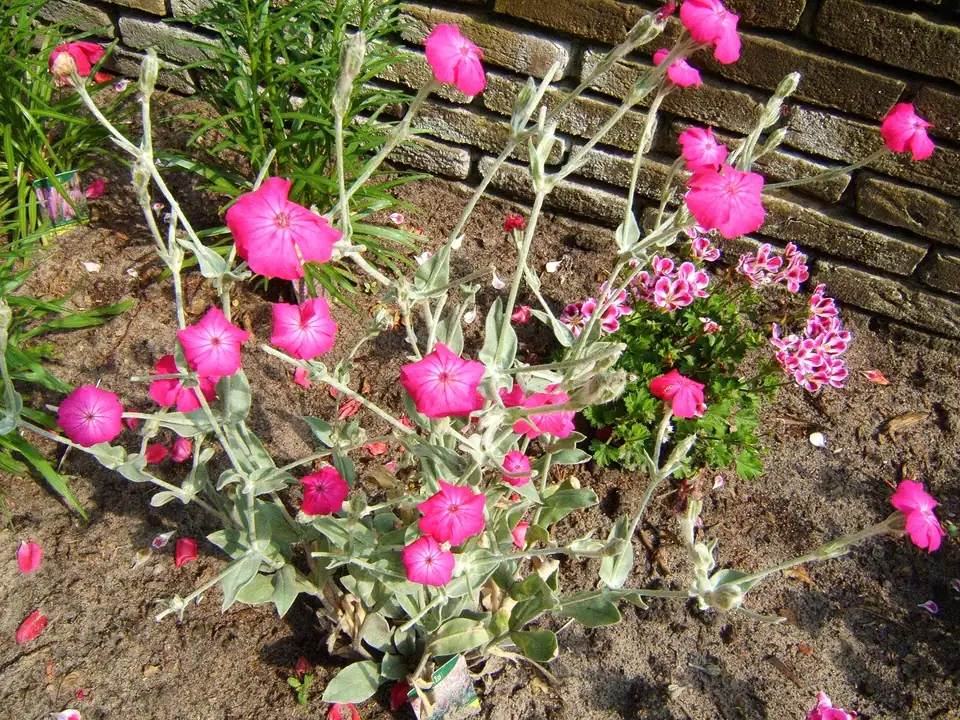
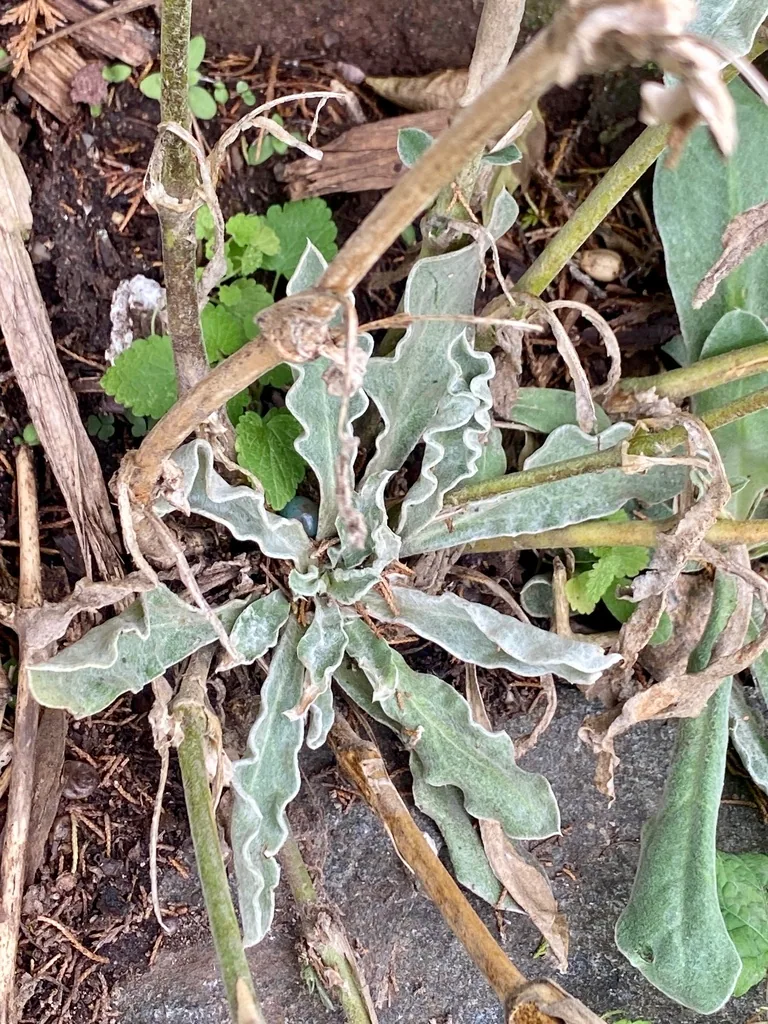
Silene coronaria (clavel de reina, sin. Lychnis coronaria) es una planta bienal o perenne de vida corta cubierta de pelos blancos y lanosos, con follaje verde plateado y flores magenta brillantes en verano. [1] Tolera muchos tipos de suelo si están bien drenados, es resistente a la sequía y los ciervos la evitan. [1] Aunque suele ser de vida corta, se resiembra fácilmente y mantiene la plantación. [2]
Citado en inglés, como en la fuente.
Cuidados
Riego
Riego
Las fuentes dan valores distintos según la región, la zona o las condiciones de cultivo.
Lo que dice cada fuente
Según UC Master Gardeners (Calaveras County): Riego regular, tolera los períodos secos; no regar en exceso
Según Gardener's Path: Riego profundo durante los períodos secos prolongados; sin riego adicional
Qué dicen las fuentes (2)
Según UC Master Gardeners (Calaveras County): Water needs: regular water, tolerant of dry spells. Do not over water.Según Gardener's Path: Deep watering during extended dry periods is helpful, but regular irrigation isn’t necessary. Overwatering is more likely to cause problems than underwatering.Notas sobre el riego
Las fuentes no coinciden:
Qué dicen las fuentes (3)
As with many silver-foliaged plants, rose campion prefers fairly dry, well-drained conditions in full sun or partial shade but will tolerate clay and moist soil.Soil: Lychnis likes well drained soil and can tolerate dry conditions. It will not tolerate wet soil conditions.The main problem you might encounter is root rot, usually the result of overly wet or poorly draining soil.Luz
Pleno sol; tolera semisombra (sombra por la tarde en zonas cálidas)
Qué dicen las fuentes (2)
It is drought tolerant and does well in rock or crevice gardens. It prefers full sun but can tolerate some shade.Full sun delivers the best blooms, though a bit of afternoon shade is fine in hot regions.Clima y frío
Rusticidad, zona más fría
Las fuentes dan valores distintos según la región, la zona o las condiciones de cultivo.
Lo que dice cada fuente
Según NC State Extension: 4a [mínima invernal de −34,4 a −31,7 °C (de −30 a −25 °F)]
Según University of Wisconsin-Madison Extension: 4a [mínima invernal de −34,4 a −31,7 °C (de −30 a −25 °F)]
Según Gardener's Path: 3 [mínima invernal de −40 a −34,4 °C (de −40 a −30 °F)]
Según UC Master Gardeners (Calaveras County): 3 [mínima invernal de −40 a −34,4 °C (de −40 a −30 °F)]
Qué dicen las fuentes (4)
Según NC State Extension: USDA Plant Hardiness Zone:
4a, 4b, 5a, 5b, 6a, 6b, 7a, 7b, 8a, 8b, 9a, 9b, 10a, 10bSegún University of Wisconsin-Madison Extension: It is a short-lived perennial from southeastern Europe hardy in zones 4a to 8b .Según Gardener's Path: Native to Europe and Asia, rose campion has naturalized in parts of North America and is hardy in USDA Zones 3 to 9.Según UC Master Gardeners (Calaveras County): Rose Campion is a short lived perennial that self sows readily. Let seed heads stay if you would like more plants. Good in zones 3 -9Rusticidad, zona más cálida
Las fuentes dan valores distintos según la región, la zona o las condiciones de cultivo.
Lo que dice cada fuente
Según NC State Extension: 10b [mínima invernal de 1,7 a 4,4 °C (de 35 a 40 °F)]
Según University of Wisconsin-Madison Extension: 8b [mínima invernal de −9,4 a −6,7 °C (de 15 a 20 °F)]
Según Gardener's Path: 9 [mínima invernal de −6,7 a −1,1 °C (de 20 a 30 °F)]
Según UC Master Gardeners (Calaveras County): 9 [mínima invernal de −6,7 a −1,1 °C (de 20 a 30 °F)]
Qué dicen las fuentes (4)
Según NC State Extension: USDA Plant Hardiness Zone:
4a, 4b, 5a, 5b, 6a, 6b, 7a, 7b, 8a, 8b, 9a, 9b, 10a, 10bSegún University of Wisconsin-Madison Extension: It is a short-lived perennial from southeastern Europe hardy in zones 4a to 8b .Según Gardener's Path: Native to Europe and Asia, rose campion has naturalized in parts of North America and is hardy in USDA Zones 3 to 9.Según UC Master Gardeners (Calaveras County): Rose Campion is a short lived perennial that self sows readily. Let seed heads stay if you would like more plants. Good in zones 3 -9Suelo
pH del suelo, mínimo
6.5
Qué dicen las fuentes (1)
Poorly draining soil increases the risk of root rot. Aim for a slightly acidic to neutral pH between 6.5 and 7.5 for optimal growth.pH del suelo, máximo
7.5
Qué dicen las fuentes (1)
Poorly draining soil increases the risk of root rot. Aim for a slightly acidic to neutral pH between 6.5 and 7.5 for optimal growth.Dónde cultivarla
30.5-38.1 cm (12-15 pulgadas)
Lo que dice cada fuente
trasplantes (fuente: University of Wisconsin-Madison Extension): 30.5-38.1 cm (12-15 pulgadas)
divisiones (fuente: Gardener's Path): al menos 30.5 cm (12 pulgadas)
Qué dicen las fuentes (3)
trasplantes (fuente: University of Wisconsin-Madison Extension): When transplanting, space plants about 12 to 15 inches apart. The distinctive seedlings are easy to identify and easy to pull out if you don’t want them.divisiones (fuente: Gardener's Path): Replant healthy divisions at least 12 inches apart, placing the crown level with the soil surface.When transplanting, space plants about 12 to 15 inches apart. The distinctive seedlings are easy to identify and easy to pull out if you don’t want them.Propagación
Semilla (autosiembra), esquejes basales, división
Qué dicen las fuentes (3)
Rose campion may be propagated by seeds and basal cuttings. The plant self-seeds and has the potential to become invasive.Propagation From seed. Or divide and take basal cuttings in early spring.Rose campion is easy to propagate from seed or by division.Cultivo
La planta
Ciclo de vida
perenne de vida corta (a veces bienal)
Qué dicen las fuentes (2)
Rose Campion is a very distinctive biennial or short-lived perennial that has very tall stems and is entirely covered with white wooly hairs.It is a short-lived perennial from southeastern Europe hardy in zones 4a to 8b .Familia
Cariofiláceas
Qué dicen las fuentes (1)
The plant is a member of the Caryophyllaceae family that includes carnations and pinks.Altura adulta
61–91 cm (2–3 pies)
Qué dicen las fuentes (2)
Dimensions:
Height: 2 ft.
0 in.
- 3 ft.
0 in.Plants form rosettes of leaves the first year and spreading mounds 2 to 3 feet tall in subsequent years.Anchura adulta
41–61 cm (1 pie 4 pulg – 2 pies)
Qué dicen las fuentes (1)
Height: 2 ft.
0 in.
- 3 ft.
0 in.
Width: 1 ft.
4 in.
- 2 ft.
0 in.Siembra y crecimiento
Días de germinación
20–25 días (a 70 °F [21 °C])
Qué dicen las fuentes (1)
If you would like to start indoors; chill the seeds in the refrigerator for 3 weeks. Germinate at a temperature of 70 degrees; germination occurs in 20 -25 days.Profundidad de siembra
0 cm [0 in] (siembra superficial; las semillas necesitan luz, no las cubras)
Qué dicen las fuentes (1)
Seeds like light for germination so do not cover with soil.Plagas y enfermedades
Plagas
babosas
Qué dicen las fuentes (1)
Insects, Diseases, and Other Plant Problems: Rose campion is generally insect and disease-free; however, slugs may be problematic.Distancias
Entre plantas
30-38 cm [12–15 in] al trasplantar.
Qué dicen las fuentes (1)
When transplanting, space plants about 12 to 15 inches apart.Raíces
Sistema radicular
Raíz principal delgada o gruesa.
Qué dicen las fuentes (1)
The plant has an upright habit and a slender to stout taproot.Propagación
Germinación
Germina a temperatura ambiente; las semillas necesitan luz, así que no las cubras con tierra; la germinación ocurre en 20-25 días. En interiores, comienza 7-9 semanas antes de la última helada de primavera.
Qué dicen las fuentes (3)
Seed can be started indoors 7 to 9 weeks before the last expected spring frost. Germinate at room temperature.Seeds like light for germination so do not cover with soil.Germinate at a temperature of 70 degrees; germination occurs in 20 -25 days.Estratificación de semillas
Para sembrar en interiores, enfría las semillas en el refrigerador durante 21 días.
Qué dicen las fuentes (1)
If you would like to start indoors; chill the seeds in the refrigerator for 3 weeks.Esquejes
Esquejes basales a fines de primavera.
Qué dicen las fuentes (2)
Basal cuttings can also be taken in late spring.Rose campion may be propagated by seeds and basal cuttings.Calor y sequía
Sequía
Tolerante a la sequía; tolera períodos secos y condiciones secas, pero no suelo húmedo.
Qué dicen las fuentes (2)
It is drought tolerant and does well in rock or crevice gardens.Soil: Lychnis likes well drained soil and can tolerate dry conditions. It will not tolerate wet soil conditions.Problemas
Babosas
Síntoma: Daño por babosas
Qué dicen las fuentes (1)
Insects, Diseases, and Other Plant Problems: Rose campion is generally insect and disease-free; however, slugs may be problematic.
— Silene coronaria (Bloody William, Catch Fly, Lampflower, Mullein Pink, Rose Campion) | North Carolina Extension Gardener Plant Toolbox [1] Podredumbre de la raíz
Síntoma: Amarillamiento, marchitez o crecimiento atrofiado; raíces oscuras, blandas y viscosas con olor fétido
Qué hacer: No hay cura confiable: retira las plantas afectadas; elige un sitio con buen drenaje y pleno sol
Qué dicen las fuentes (2)
Dig around the crown and inspect the roots. If they appear dark, soft, slimy, or have a foul odor, root rot is likely the cause.
— How to Grow and Care for Rose Campion | Gardener's Path [4] There’s no reliable cure for root rot once it sets in. Remove affected plants and dispose of them in the trash, not the compost.
— How to Grow and Care for Rose Campion | Gardener's Path [4] Tizón de la antor y manchas foliares
Qué dicen las fuentes (1)
Propagation From seed. Or divide and take basal cuttings in early spring. Problems Anther smut and leaf spots.
— Rose campion - Fine Gardening [5]
Remedios
Cada remedio indica qué dicen las fuentes oficiales; los remedios tradicionales sin fuente oficial aparecen marcados. Los perjudiciales están para que sepas evitarlos.
Cuidar la planta
pudrición de la raíz
eliminación y descarte de las plantas afectadas No verificado
Remedio tradicional, no verificado por una fuente oficial.
Cómo: No hay una cura confiable una vez que la pudrición de raíz se establece: elimina las plantas afectadas y deséchalas en la basura, no en el compost; replanta en un sitio con buen drenaje y pleno sol.
Cómo eliminarla
autosiembra
Arranca las plántulas no deseadas. Funciona
Cómo: Las plántulas distintivas son fáciles de identificar y fáciles de arrancar si no las quieres.
The distinctive seedlings are easy to identify and easy to pull out if you don’t want them.
— Rose Campion, Silene coronaria – Wisconsin Horticulture [2] Qué dicen las pruebas The distinctive seedlings are easy to identify and easy to pull out if you don’t want them.
— Rose Campion, Silene coronaria – Wisconsin Horticulture [2] Elimina las flores marchitas No verificado
Remedio tradicional, no verificado por una fuente oficial.
Cómo: Elimina las flores marchitas para reducir la auto-siembra (también extiende el tiempo de floración).
cubre con mantillo alrededor de las plantas Funciona
Cómo: Cubre con mantillo alrededor de las plantas: las semillas necesitan luz y no germinan bien bajo el mantillo.
If you mulch, the seeds don’t germinate well, due to lack of light.
—  [6] Qué dicen las pruebas If you mulch, the seeds don’t germinate well, due to lack of light.
—  [6]
Calendario
Siembra
Las fuentes dan valores distintos según la región, la zona o las condiciones de cultivo.
Lo que dice cada fuente
en interiores (fuente: Extensión de la Universidad de Wisconsin-Madison): 7-9 semanas antes de la última helada de primavera
en interiores (fuente: Gardener's Path): 6-8 semanas antes de la última helada.
siembra directa al aire libre (fuente: Gardener's Path): Otoño
Según UC Master Gardeners (Calaveras County): Finales de otoño o principios de primavera
Qué dicen las fuentes (6)
en interiores (fuente: Extensión de la Universidad de Wisconsin-Madison): Seed can be started indoors 7 to 9 weeks before the last expected spring frost. Germinate at room temperature.en interiores (fuente: Gardener's Path): To start seeds indoors:
- Begin six to eight weeks before your last predicted frost date.siembra directa al aire libre (fuente: Gardener's Path): To direct sow outdoors:
- Wait until fall, then scatter seeds on the soil surface where you want them to grow.Según UC Master Gardeners (Calaveras County): How to Plant: plant in well drained soil from seed or transplants in late fall or early spring. Seeds like light for germination so do not cover with soil.Seed can be started indoors 7 to 9 weeks before the last expected spring frost. Germinate at room temperature.How to Plant: plant in well drained soil from seed or transplants in late fall or early spring. Seeds like light for germination so do not cover with soil.Plantación
Finales de otoño o principios de primavera; las plántulas autosembradas se trasplantan a finales de primavera
Lo que dice cada fuente
Según UC Master Gardeners (Calaveras County): Finales de otoño o principios de primavera
plántulas autosembradas (fuente: University of Wisconsin-Madison Extension): Fines de la primavera
divisiones (fuente: Gardener's Path): Principios de primavera u otoño
Qué dicen las fuentes (5)
Según UC Master Gardeners (Calaveras County): How to Plant: plant in well drained soil from seed or transplants in late fall or early spring. Seeds like light for germination so do not cover with soil.plántulas autosembradas (fuente: University of Wisconsin-Madison Extension): Thin the seedlings or transplant to other areas in late spring when large enough to handle.divisiones (fuente: Gardener's Path): Older clumps often develop a ring of new rosettes around a declining center. These can be lifted and divided in early spring or fall.How to Plant: plant in well drained soil from seed or transplants in late fall or early spring. Seeds like light for germination so do not cover with soil.Thin the seedlings or transplant to other areas in late spring when large enough to handle.Poda
Finales de otoño o principios de invierno (corta); recorta después de la primera floración para una segunda floración
Lo que dice cada fuente
Según UC Master Gardeners (Calaveras County): Finales de otoño o principios de invierno
Según University of Wisconsin-Madison Extension: Después de la primera floración
Qué dicen las fuentes (4)
Según UC Master Gardeners (Calaveras County): If you mulch, the seeds don’t germinate well, due to lack of light. Pruning needs: Prune back in late fall or early winter.Según University of Wisconsin-Madison Extension: Deadhead regularly to encourage continuous flowering or shear after the initial flowering to promote a second flush of flowers later in the season.If you mulch, the seeds don’t germinate well, due to lack of light. Pruning needs: Prune back in late fall or early winter.Deadhead regularly to encourage continuous flowering or shear after the initial flowering to promote a second flush of flowers later in the season.Meses tal como los dan las fuentes, en su mayoría de Estados Unidos (hemisferio norte). En el hemisferio sur se desplazan unos seis meses.
Respecto a las heladas
Estimación menos precisa: no hay ninguna estación meteorológica a menos de 300 km.
Busca las fechas de heladas por código postal o ciudad
Siembra en interior: de 7 a 9 semanas antes de la última helada
Seed can be started indoors 7 to 9 weeks before the last expected spring frost.
— Rose Campion, Silene coronaria – Wisconsin Horticulture [2]
Cuenta desde las fechas medias de las heladas de tu zona.
Plantas similares
- Fire Pink Silene virginica
- Maltese Cross Silene chalcedonica
- Silene musgo Silene acaulis
- Starry Campion Silene stellata
- Wild Pink Silene caroliniana
- Colleja Silene vulgaris
- Silene dioica Silene dioica
- Royal catchfly Silene regia
Fuentes
Cada valor anterior se cita de estos documentos. Los enlaces llevan al editor original.
- Silene coronaria (Bloody William, Catch Fly, Lampflower, Mullein Pink, Rose Campion) | North Carolina Extension Gardener Plant Toolbox · plants.ces.ncsu.edu, consultado
- Rose Campion, Silene coronaria – Wisconsin Horticulture · hort.extension.wisc.edu, consultado
- Lychnis / RHS Plant Guide · rhs.org.uk, consultado
- How to Grow and Care for Rose Campion | Gardener's Path · gardenerspath.com, consultado
- Rose campion - Fine Gardening · finegardening.com, consultado
-  · class.ucanr.edu, consultado
Escrito por Emilio Marruso · última revisión