
Cómo cultivar y cuidar Capiquí
Stellaria media
Escrito por Emilio Marruso · última revisión
De un vistazo
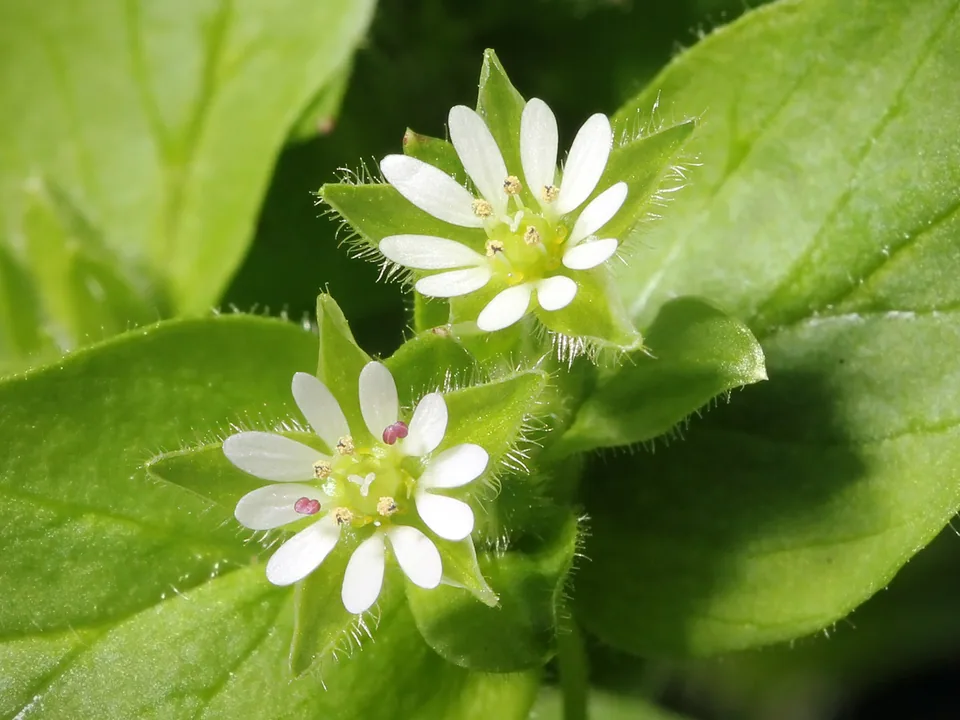
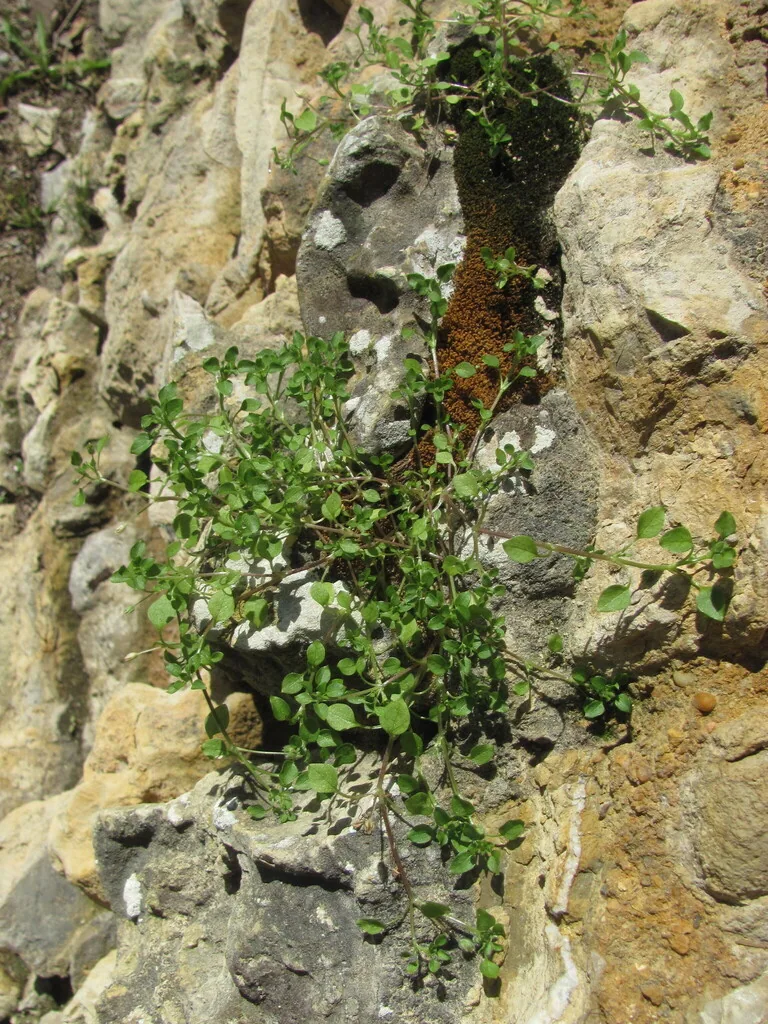
La pamplina es una pequeña planta anual que se come entera: tallos, hojas y flores, crudos o cocinados. Sus brotes tiernos y dulces de primavera son un buen añadido para ensaladas y bocadillos. Dale sol pleno o semisombra y un sitio húmedo, porque no soporta el calor seco, y se quedará en unas modestas dimensiones de 10 a 51 cm de alto.
- Sol
Sol pleno o semisombra
Qué dicen las fuentes (1)
Luz: Pleno sol a semisombra
It grows most aggressively in the late winter and early spring and in moist, neutral to acidic soil and full sun or partial shade.
— Stellaria media (Birdweed, Chickenwort, Chickweed, Common Chickweed, Starweed, Starwort, Winterweed) | North Carolina Extension Gardener Plant Toolbox [1] - Riego
Le gustan los sitios húmedos; no soporta el calor seco
Qué dicen las fuentes (2)
Riego: Prospera en sitios húmedos; no tolera condiciones calurosas y secas.
Common chickweed cannot tolerate hot dry conditions and usually dies out by midsummer
— Common Chickweed in Lawns : Home Lawn & Garden : Center for Agriculture, Food, and the Environment (CAFE) at UMass Amherst [5] is tolerant of a variety of conditions and thrives in moist, shady locations.
— Common Chickweed (Stellaria media) | Home & Garden Information Center [4] - Frío
Aguanta inviernos de hasta −34,4 °C (−30 °F)
Muy rústica · USDA 4a · RHS H7 · Z4
Qué dicen las fuentes (2)
Rusticidad, zona más fría: 4a [mínima invernal de −34,4 a −31,7 °C (de −30 a −25 °F)]
USDA Plant Hardiness Zone: 4a, 4b, 5a, 5b, 6a, 6b, 7a, 7b, 8a, 8b, 9a, 9b, 10a, 10b, 11a, 11b
— Stellaria media (Birdweed, Chickenwort, Chickweed, Common Chickweed, Starweed, Starwort, Winterweed) | North Carolina Extension Gardener Plant Toolbox [1] Rusticidad, zona más cálida: 11b [mínima invernal de 7,2 a 10 °C (de 45 a 50 °F)]
USDA Plant Hardiness Zone: 4a, 4b, 5a, 5b, 6a, 6b, 7a, 7b, 8a, 8b, 9a, 9b, 10a, 10b, 11a, 11b
— Stellaria media (Birdweed, Chickenwort, Chickweed, Common Chickweed, Starweed, Starwort, Winterweed) | North Carolina Extension Gardener Plant Toolbox [1] - Cosecha
Recoge las hojas dulces de primavera; tallos, hojas y flores se comen crudos o cocinados
Qué dicen las fuentes (1)
Cosecha: Crecimiento dulce y frondoso de primavera.
It is, however, also edible to humans, with the sweet, leafy spring growth making a good addition to salads and sandwiches.
— Chickweed | RHS Advice [6] - Plagas
Araña roja y trips; también los virus del bronceado del tomate y del mosaico del pepino
Qué dicen las fuentes (2)
Plagas: arañas rojas, trips
chickweed can serve as a host plant for problematic insects such as spider mites and thrips and be a reservoir host for tomato spotted wilt virus (TSWV) and cucumber mosaic virus (CMV)
— Common Chickweed (Stellaria media) | Home & Garden Information Center [4] Enfermedades: virus del marchitamiento manchado del tomate, virus del mosaico del pepino
chickweed can serve as a host plant for problematic insects such as spider mites and thrips and be a reservoir host for tomato spotted wilt virus (TSWV) and cucumber mosaic virus (CMV)
— Common Chickweed (Stellaria media) | Home & Garden Information Center [4] - Atención
Puede hacer de reservorio de plagas y virus en el huerto
- Tamaño
De 10 a 51 cm de alto y de 10 a 30 cm de ancho
Qué dicen las fuentes (2)
Altura adulta: 10-51 cm (4 a 20 pulgadas)
With a sprawling habit it grows 4 to 20 inches high and 4 to 12 inches wide.
— Stellaria media (Birdweed, Chickenwort, Chickweed, Common Chickweed, Starweed, Starwort, Winterweed) | North Carolina Extension Gardener Plant Toolbox [1] Anchura adulta: 10-30 cm (4 a 12 pulgadas)
With a sprawling habit it grows 4 to 20 inches high and 4 to 12 inches wide.
— Stellaria media (Birdweed, Chickenwort, Chickweed, Common Chickweed, Starweed, Starwort, Winterweed) | North Carolina Extension Gardener Plant Toolbox [1] - Multiplicación
Se multiplica por semilla o por esquejes de tallo
Qué dicen las fuentes (2)
Propagación: Semilla; esquejes de tallo
Life Cycle: Annual Recommended Propagation Strategy: Seed Stem Cutting
— Stellaria media (Birdweed, Chickenwort, Chickweed, Common Chickweed, Starweed, Starwort, Winterweed) | North Carolina Extension Gardener Plant Toolbox [1] Chickweed spreads by reseeding itself or vegetatively, by rooting at the leaf nodes along the stems.
— Stellaria media (Birdweed, Chickenwort, Chickweed, Common Chickweed, Starweed, Starwort, Winterweed) | North Carolina Extension Gardener Plant Toolbox [1]
Resumen
La pamplina común es una hierba anual de estación fría de la familia de los claveles que generalmente se considera una maleza. [1] Prospera mejor en suelo húmedo, neutro a ligeramente ácido, a pleno sol o semisombra, y no tolera condiciones calurosas y secas. [1][5] Sus tallos, hojas y flores son comestibles. [1][6]
Citado en inglés, como en la fuente.
Cuidados
Riego
Prospera en sitios húmedos; no tolera condiciones calurosas y secas.
Qué dicen las fuentes (2)
Common chickweed cannot tolerate hot dry conditions and usually dies out by midsummeris tolerant of a variety of conditions and thrives in moist, shady locations.Luz
Pleno sol a semisombra
Qué dicen las fuentes (1)
It grows most aggressively in the late winter and early spring and in moist, neutral to acidic soil and full sun or partial shade.Clima y frío
Rusticidad, zona más fría
4a [mínima invernal de −34,4 a −31,7 °C (de −30 a −25 °F)]
Qué dicen las fuentes (1)
USDA Plant Hardiness Zone:
4a, 4b, 5a, 5b, 6a, 6b, 7a, 7b, 8a, 8b, 9a, 9b, 10a, 10b, 11a, 11bRusticidad, zona más cálida
11b [mínima invernal de 7,2 a 10 °C (de 45 a 50 °F)]
Qué dicen las fuentes (1)
USDA Plant Hardiness Zone:
4a, 4b, 5a, 5b, 6a, 6b, 7a, 7b, 8a, 8b, 9a, 9b, 10a, 10b, 11a, 11bPropagación
Semilla; esquejes de tallo
Qué dicen las fuentes (2)
Life Cycle:
Annual
Recommended Propagation Strategy:
Seed
Stem CuttingChickweed spreads by reseeding itself or vegetatively, by rooting at the leaf nodes along the stems.Cultivo
La planta
Ciclo de vida
anual
Qué dicen las fuentes (1)
Chickweed is a cool-season, edible, annual herb in the carnation family (Caryophyllaceae)Familia
Cariofiláceas
Qué dicen las fuentes (1)
Chickweed is a cool-season, edible, annual herb in the carnation family (Caryophyllaceae)Altura adulta
10-51 cm (4 a 20 pulgadas)
Qué dicen las fuentes (1)
With a sprawling habit it grows 4 to 20 inches high and 4 to 12 inches wide.Anchura adulta
10-30 cm (4 a 12 pulgadas)
Qué dicen las fuentes (1)
With a sprawling habit it grows 4 to 20 inches high and 4 to 12 inches wide.Plagas y enfermedades
Plagas
arañas rojas, trips
Qué dicen las fuentes (1)
chickweed can serve as a host plant for problematic insects such as spider mites and thrips and be a reservoir host for tomato spotted wilt virus (TSWV) and cucumber mosaic virus (CMV)Enfermedades
virus del marchitamiento manchado del tomate, virus del mosaico del pepino
Qué dicen las fuentes (1)
chickweed can serve as a host plant for problematic insects such as spider mites and thrips and be a reservoir host for tomato spotted wilt virus (TSWV) and cucumber mosaic virus (CMV)Problemas
Hospedero reservorio de virus y plagas
Síntoma: Hospedero de arañas rojas y trips; reservorio del virus del marchitamiento manchado del tomate y del virus del mosaico del pepino
Qué dicen las fuentes (1)
On the other hand, chickweed can serve as a host plant for problematic insects such as spider mites and thrips and be a reservoir host for tomato spotted wilt virus (TSWV) and cucumber mosaic virus (CMV)
— Common Chickweed (Stellaria media) | Home & Garden Information Center [4]
Remedios
Cada remedio indica qué dicen las fuentes oficiales; los remedios tradicionales sin fuente oficial aparecen marcados. Los perjudiciales están para que sepas evitarlos.
Cómo eliminarla
propagación de malezas no deseadas
deshierbe manual Funciona
Cómo: Arranca la planta con raíz y todo, a principios de temporada, antes de que produzca semillas.
Cultivation, including hand weeding, will effectively control chickweed if done early.
— ipm.ucanr.edu [7] Qué dicen las pruebas Cultivation, including hand weeding, will effectively control chickweed if done early.
— ipm.ucanr.edu [7] azada No verificado
Remedio tradicional, no verificado por una fuente oficial.
Cómo: Azada en un día seco y con brisa, cortando el crecimiento superior de las raíces.
mantillo Funciona
Cómo: Aplica una capa de tres pulgadas de mantillo grueso; las semillas necesitan luz para germinar.
A three-inch layer of a course mulch will greatly reduce the incidence of the weed, as the seeds need light to germinate.
— Common Chickweed (Stellaria media) | Home & Garden Information Center [4] Qué dicen las pruebas A three-inch layer of a course mulch will greatly reduce the incidence of the weed, as the seeds need light to germinate.
— Common Chickweed (Stellaria media) | Home & Garden Information Center [4] solarización con plástico transparente Funciona
Solarization using clear plastic mulch will heat the soil and kill seeds but also may kill beneficial soil microorganisms.
— harvesttotable.com [8] Cómo: Cubre con mantillo de plástico transparente para calentar el suelo y matar las semillas.
Solarization using clear plastic mulch will heat the soil and kill seeds but also may kill beneficial soil microorganisms.
— harvesttotable.com [8] Qué dicen las pruebas Solarization using clear plastic mulch is a method of heating the soil to temperatures lethal to seeds and other pests. It is an effective method for controlling many annual weeds including the chickweeds.
— ipm.ucanr.edu [7] mantillo de cartón o periódico No verificado
Remedio tradicional, no verificado por una fuente oficial.
Cómo: Cubre con una capa de cartón o periódico con astillas de corteza encima para matar las plantas.
césped denso y alto Funciona en parte
Cómo: Mantén un césped denso, vigoroso y alto (3-3.5 pulgadas).
Maintaining a dense, vigorous, and tall (3-3.5 inches) lawn will help reduce its spread
— Common Chickweed in Lawns : Home Lawn & Garden : Center for Agriculture, Food, and the Environment (CAFE) at UMass Amherst [5] Qué dicen las pruebas Maintaining a dense, vigorous, and tall (3-3.5 inches) lawn will help reduce its spread
— Common Chickweed in Lawns : Home Lawn & Garden : Center for Agriculture, Food, and the Environment (CAFE) at UMass Amherst [5]
Calendario
Cosecha
Crecimiento dulce y frondoso de primavera.
Qué dicen las fuentes (1)
It is, however, also edible to humans, with the sweet, leafy spring growth making a good addition to salads and sandwiches.Meses tal como los dan las fuentes, en su mayoría de Estados Unidos (hemisferio norte). En el hemisferio sur se desplazan unos seis meses.
Comestibilidad
Según la fuente, citada textualmente. No comas una planta basándote solo en esta página: los errores de identificación pueden ser peligrosos.
Plantas similares
- Aliento de bebé Gypsophila paniculata
- Neguilla Agrostemma githago
- Mouseear Chickweed Cerastium holosteoides
- Pearlwort Sagina procumbens
- Clavel lanudo Silene coronaria
- Snow-in-summer Cerastium tomentosum
- Jabonera Saponaria officinalis
- Sticky Chickweed Cerastium glomeratum
Fuentes
Cada valor anterior se cita de estos documentos. Los enlaces llevan al editor original.
- Stellaria media (Birdweed, Chickenwort, Chickweed, Common Chickweed, Starweed, Starwort, Winterweed) | North Carolina Extension Gardener Plant Toolbox · plants.ces.ncsu.edu, consultado
- Is this plant a weed? : Garden : University of Minnesota Extension · apps.extension.umn.edu, consultado
- Common Chickweed – Stellaria media – Wisconsin Horticulture · hort.extension.wisc.edu, consultado
- Common Chickweed (Stellaria media) | Home & Garden Information Center · hgic.clemson.edu, consultado
- Common Chickweed in Lawns : Home Lawn & Garden : Center for Agriculture, Food, and the Environment (CAFE) at UMass Amherst · umass.edu, consultado
- Chickweed | RHS Advice · rhs.org.uk, consultado
- ipm.ucanr.edu · ipm.ucanr.edu
- harvesttotable.com · harvesttotable.com
Escrito por Emilio Marruso · última revisión