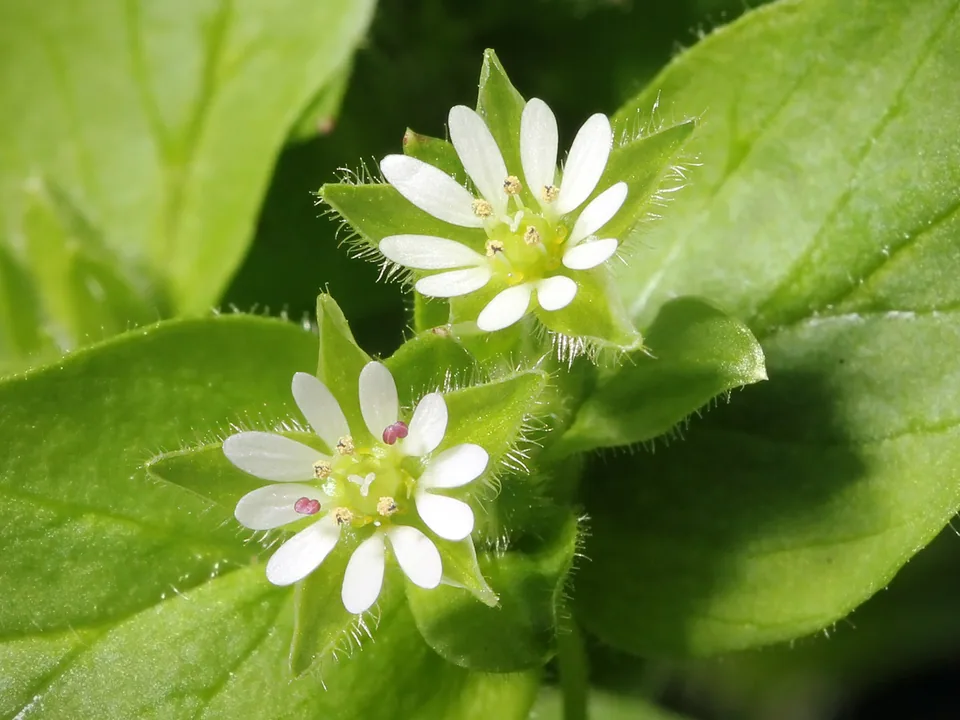
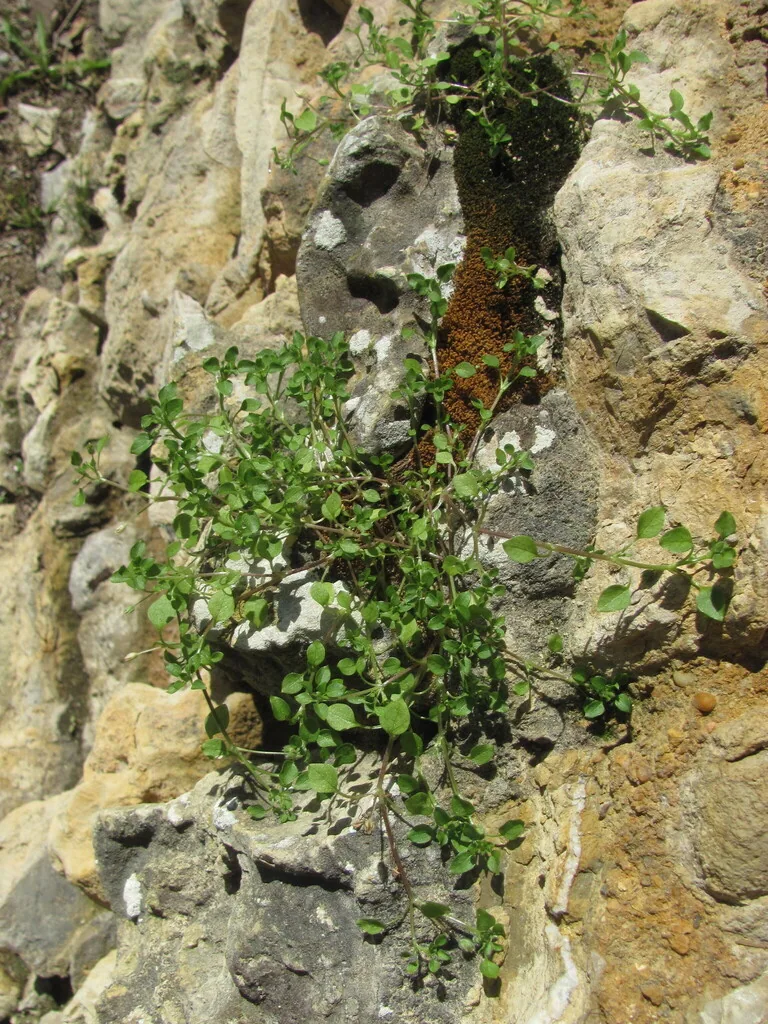

How to Grow and Care for Chickweed
Stellaria media
Written by Emilio Marruso · last checked
At a glance
Chickweed is a small annual you can eat from top to bottom: stems, leaves and flowers, raw or cooked. Its sweet, leafy spring growth makes a good addition to salads and sandwiches. Give it full sun or partial shade and a moist spot, since it cannot stand hot, dry weather, and it stays a modest 4 to 20 inches tall.
- Sun
Full sun to partial shade
What the sources say (1)
Light: Full sun to partial shade
It grows most aggressively in the late winter and early spring and in moist, neutral to acidic soil and full sun or partial shade.
— Stellaria media (Birdweed, Chickenwort, Chickweed, Common Chickweed, Starweed, Starwort, Winterweed) | North Carolina Extension Gardener Plant Toolbox [1] - Water
Likes moist spots; it cannot stand hot, dry weather
What the sources say (2)
Watering: Thrives in moist sites; cannot tolerate hot dry conditions
Common chickweed cannot tolerate hot dry conditions and usually dies out by midsummer
— Common Chickweed in Lawns : Home Lawn & Garden : Center for Agriculture, Food, and the Environment (CAFE) at UMass Amherst [5] is tolerant of a variety of conditions and thrives in moist, shady locations.
— Common Chickweed (Stellaria media) | Home & Garden Information Center [4] - Cold
Survives winters down to −30 °F (−34.4 °C)
Very hardy · USDA 4a · RHS H7 · Z4
What the sources say (2)
Hardiness, coldest zone: 4a [winter low −34.4 to −31.7 °C (−30 to −25 °F)]
USDA Plant Hardiness Zone: 4a, 4b, 5a, 5b, 6a, 6b, 7a, 7b, 8a, 8b, 9a, 9b, 10a, 10b, 11a, 11b
— Stellaria media (Birdweed, Chickenwort, Chickweed, Common Chickweed, Starweed, Starwort, Winterweed) | North Carolina Extension Gardener Plant Toolbox [1] Hardiness, warmest zone: 11b [winter low 7.2 to 10 °C (45 to 50 °F)]
USDA Plant Hardiness Zone: 4a, 4b, 5a, 5b, 6a, 6b, 7a, 7b, 8a, 8b, 9a, 9b, 10a, 10b, 11a, 11b
— Stellaria media (Birdweed, Chickenwort, Chickweed, Common Chickweed, Starweed, Starwort, Winterweed) | North Carolina Extension Gardener Plant Toolbox [1] - Harvest
Pick the sweet spring leaves; stems, leaves and flowers are edible raw or cooked
What the sources say (1)
Harvest: Sweet, leafy spring growth
It is, however, also edible to humans, with the sweet, leafy spring growth making a good addition to salads and sandwiches.
— Chickweed | RHS Advice [6] - Pests
Spider mites and thrips; also tomato spotted wilt and cucumber mosaic viruses
What the sources say (2)
Pests: spider mites, thrips
chickweed can serve as a host plant for problematic insects such as spider mites and thrips and be a reservoir host for tomato spotted wilt virus (TSWV) and cucumber mosaic virus (CMV)
— Common Chickweed (Stellaria media) | Home & Garden Information Center [4] Diseases: tomato spotted wilt virus, cucumber mosaic virus
chickweed can serve as a host plant for problematic insects such as spider mites and thrips and be a reservoir host for tomato spotted wilt virus (TSWV) and cucumber mosaic virus (CMV)
— Common Chickweed (Stellaria media) | Home & Garden Information Center [4] - Watch out
It can act as a reservoir for pests and viruses in the garden
- Size
4 to 20 inches tall and 4 to 12 inches wide
What the sources say (2)
Mature height: 10-51 cm (4 to 20 inches)
With a sprawling habit it grows 4 to 20 inches high and 4 to 12 inches wide.
— Stellaria media (Birdweed, Chickenwort, Chickweed, Common Chickweed, Starweed, Starwort, Winterweed) | North Carolina Extension Gardener Plant Toolbox [1] Mature width: 10-30 cm (4 to 12 inches)
With a sprawling habit it grows 4 to 20 inches high and 4 to 12 inches wide.
— Stellaria media (Birdweed, Chickenwort, Chickweed, Common Chickweed, Starweed, Starwort, Winterweed) | North Carolina Extension Gardener Plant Toolbox [1] - Propagation
Grow it from seed or from stem cuttings
What the sources say (2)
Propagation: Seed; stem cuttings
Life Cycle: Annual Recommended Propagation Strategy: Seed Stem Cutting
— Stellaria media (Birdweed, Chickenwort, Chickweed, Common Chickweed, Starweed, Starwort, Winterweed) | North Carolina Extension Gardener Plant Toolbox [1] Chickweed spreads by reseeding itself or vegetatively, by rooting at the leaf nodes along the stems.
— Stellaria media (Birdweed, Chickenwort, Chickweed, Common Chickweed, Starweed, Starwort, Winterweed) | North Carolina Extension Gardener Plant Toolbox [1]
Overview
Common chickweed is a cool-season annual herb in the carnation family that is generally considered a weed. [1] It does best in moist, neutral to acidic soil in full sun or partial shade and cannot tolerate hot dry conditions. [1][5] Its stems, leaves and flowers are edible. [1][6]
Chickweed care
How to water Chickweed
Thrives in moist sites; cannot tolerate hot dry conditions
What the sources say (2)
Common chickweed cannot tolerate hot dry conditions and usually dies out by midsummeris tolerant of a variety of conditions and thrives in moist, shady locations.How much light Chickweed needs
Full sun to partial shade
What the sources say (1)
It grows most aggressively in the late winter and early spring and in moist, neutral to acidic soil and full sun or partial shade.How much cold Chickweed can take
Hardiness, coldest zone
4a [winter low −34.4 to −31.7 °C (−30 to −25 °F)]
What the sources say (1)
USDA Plant Hardiness Zone:
4a, 4b, 5a, 5b, 6a, 6b, 7a, 7b, 8a, 8b, 9a, 9b, 10a, 10b, 11a, 11bHardiness, warmest zone
11b [winter low 7.2 to 10 °C (45 to 50 °F)]
What the sources say (1)
USDA Plant Hardiness Zone:
4a, 4b, 5a, 5b, 6a, 6b, 7a, 7b, 8a, 8b, 9a, 9b, 10a, 10b, 11a, 11bHow to propagate Chickweed
Seed; stem cuttings
What the sources say (2)
Life Cycle:
Annual
Recommended Propagation Strategy:
Seed
Stem CuttingChickweed spreads by reseeding itself or vegetatively, by rooting at the leaf nodes along the stems.How to grow Chickweed
The plant
Life cycle
annual
What the sources say (1)
Chickweed is a cool-season, edible, annual herb in the carnation family (Caryophyllaceae)Family
Caryophyllaceae
What the sources say (1)
Chickweed is a cool-season, edible, annual herb in the carnation family (Caryophyllaceae)Mature height
10-51 cm (4 to 20 inches)
What the sources say (1)
With a sprawling habit it grows 4 to 20 inches high and 4 to 12 inches wide.Mature width
10-30 cm (4 to 12 inches)
What the sources say (1)
With a sprawling habit it grows 4 to 20 inches high and 4 to 12 inches wide.Pests and diseases
Pests
spider mites, thrips
What the sources say (1)
chickweed can serve as a host plant for problematic insects such as spider mites and thrips and be a reservoir host for tomato spotted wilt virus (TSWV) and cucumber mosaic virus (CMV)Diseases
tomato spotted wilt virus, cucumber mosaic virus
What the sources say (1)
chickweed can serve as a host plant for problematic insects such as spider mites and thrips and be a reservoir host for tomato spotted wilt virus (TSWV) and cucumber mosaic virus (CMV)Chickweed pests and problems
Reservoir host for viruses and pests
Symptom: Host for spider mites and thrips; reservoir of tomato spotted wilt virus and cucumber mosaic virus
What the sources say (1)
On the other hand, chickweed can serve as a host plant for problematic insects such as spider mites and thrips and be a reservoir host for tomato spotted wilt virus (TSWV) and cucumber mosaic virus (CMV)
— Common Chickweed (Stellaria media) | Home & Garden Information Center [4]
Remedies
Each remedy shows what official sources say about it; traditional remedies without an official source are marked as such. Harmful ones are listed so you know to avoid them.
Getting rid of it
unwanted weed spread
hand weeding Works
How: Pull up root and all, early in the season, before it sets seed.
Cultivation, including hand weeding, will effectively control chickweed if done early.
— ipm.ucanr.edu [7] What the evidence says Cultivation, including hand weeding, will effectively control chickweed if done early.
— ipm.ucanr.edu [7] hoe Not verified
Traditional remedy, not verified by an official source.
How: Hoe on a dry, breezy day, severing the top growth from the roots.
mulch Works
How: Apply a three-inch layer of coarse mulch; the seeds need light to germinate.
A three-inch layer of a course mulch will greatly reduce the incidence of the weed, as the seeds need light to germinate.
— Common Chickweed (Stellaria media) | Home & Garden Information Center [4] What the evidence says A three-inch layer of a course mulch will greatly reduce the incidence of the weed, as the seeds need light to germinate.
— Common Chickweed (Stellaria media) | Home & Garden Information Center [4] solarization with clear plastic Works
Solarization using clear plastic mulch will heat the soil and kill seeds but also may kill beneficial soil microorganisms.
— harvesttotable.com [8] How: Cover with clear plastic mulch to heat the soil and kill seeds.
Solarization using clear plastic mulch will heat the soil and kill seeds but also may kill beneficial soil microorganisms.
— harvesttotable.com [8] What the evidence says Solarization using clear plastic mulch is a method of heating the soil to temperatures lethal to seeds and other pests. It is an effective method for controlling many annual weeds including the chickweeds.
— ipm.ucanr.edu [7] cardboard or newspaper mulch Not verified
Traditional remedy, not verified by an official source.
How: Mulch with a layer of cardboard or newspaper with bark chips on top to kill plants.
tall dense lawn Partly works
How: Maintain a dense, vigorous, tall lawn (3-3.5 inches).
Maintaining a dense, vigorous, and tall (3-3.5 inches) lawn will help reduce its spread
— Common Chickweed in Lawns : Home Lawn & Garden : Center for Agriculture, Food, and the Environment (CAFE) at UMass Amherst [5] What the evidence says Maintaining a dense, vigorous, and tall (3-3.5 inches) lawn will help reduce its spread
— Common Chickweed in Lawns : Home Lawn & Garden : Center for Agriculture, Food, and the Environment (CAFE) at UMass Amherst [5]
Calendar
Harvest
Sweet, leafy spring growth
What the sources say (1)
It is, however, also edible to humans, with the sweet, leafy spring growth making a good addition to salads and sandwiches.Months as given by the sources, which are mostly from the United States (northern hemisphere). In the southern hemisphere they shift by about six months.
Edibility
Reported by the source, quoted verbatim. Do not eat a plant on the basis of this page alone: identification mistakes can be dangerous.
Similar plants
- Baby's Breath Gypsophila paniculata
- Cockle Agrostemma githago
- Mouseear Chickweed Cerastium holosteoides
- Pearlwort Sagina procumbens
- Rose Campion Silene coronaria
- Snow-in-summer Cerastium tomentosum
- Soapwort Saponaria officinalis
- Sticky Chickweed Cerastium glomeratum
Sources
Every value above is quoted from these documents. Links lead to the original publisher.
- Stellaria media (Birdweed, Chickenwort, Chickweed, Common Chickweed, Starweed, Starwort, Winterweed) | North Carolina Extension Gardener Plant Toolbox · plants.ces.ncsu.edu, consulted
- Is this plant a weed? : Garden : University of Minnesota Extension · apps.extension.umn.edu, consulted
- Common Chickweed – Stellaria media – Wisconsin Horticulture · hort.extension.wisc.edu, consulted
- Common Chickweed (Stellaria media) | Home & Garden Information Center · hgic.clemson.edu, consulted
- Common Chickweed in Lawns : Home Lawn & Garden : Center for Agriculture, Food, and the Environment (CAFE) at UMass Amherst · umass.edu, consulted
- Chickweed | RHS Advice · rhs.org.uk, consulted
- ipm.ucanr.edu · ipm.ucanr.edu
- harvesttotable.com · harvesttotable.com
Written by Emilio Marruso · last checked