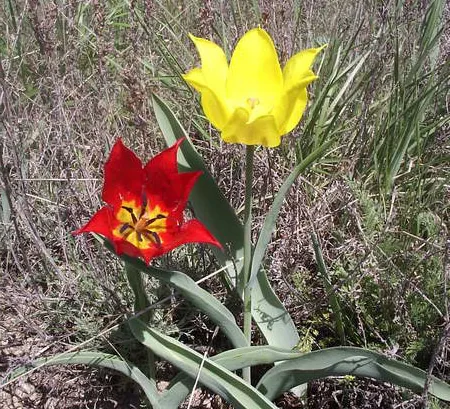
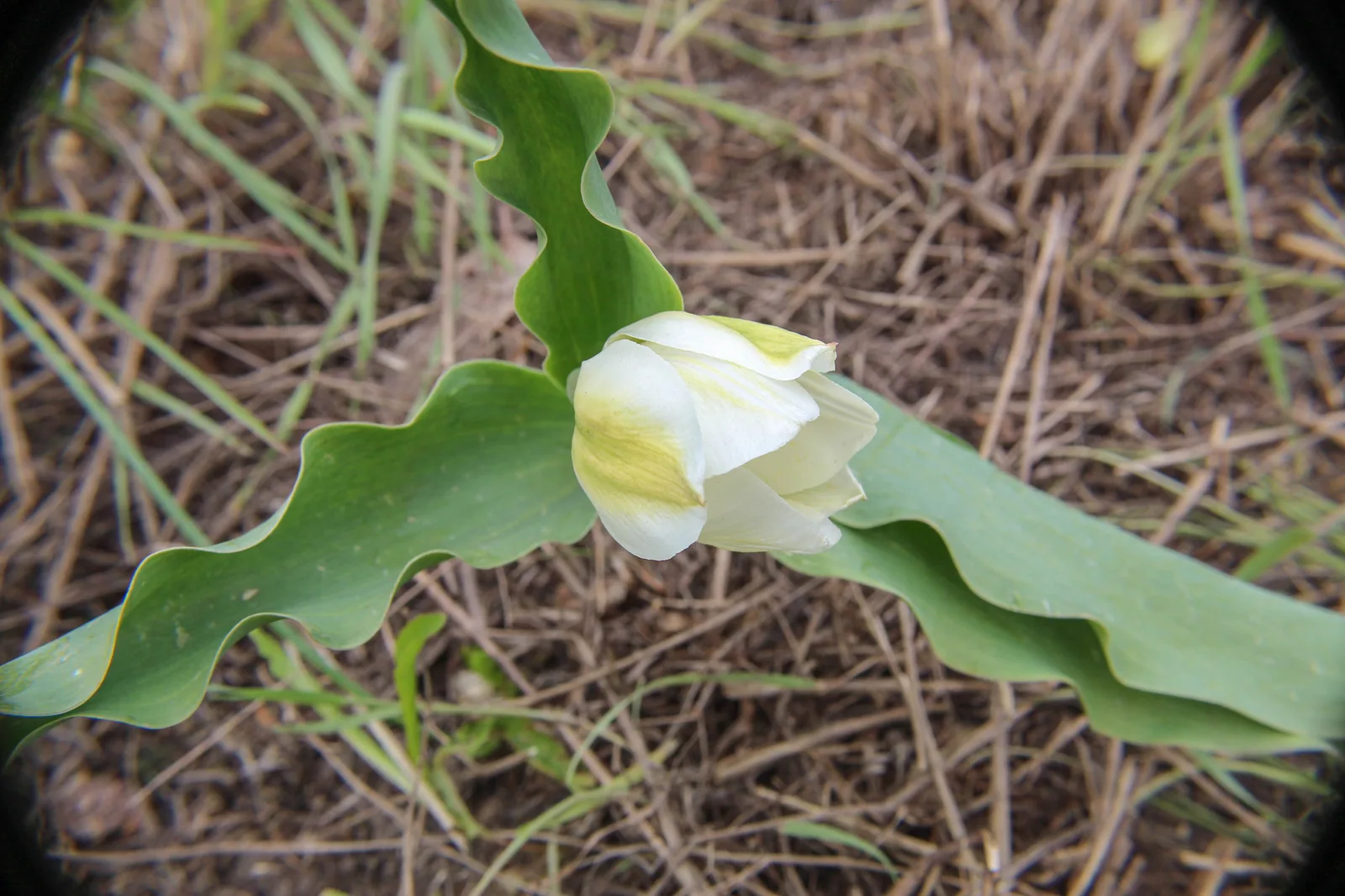
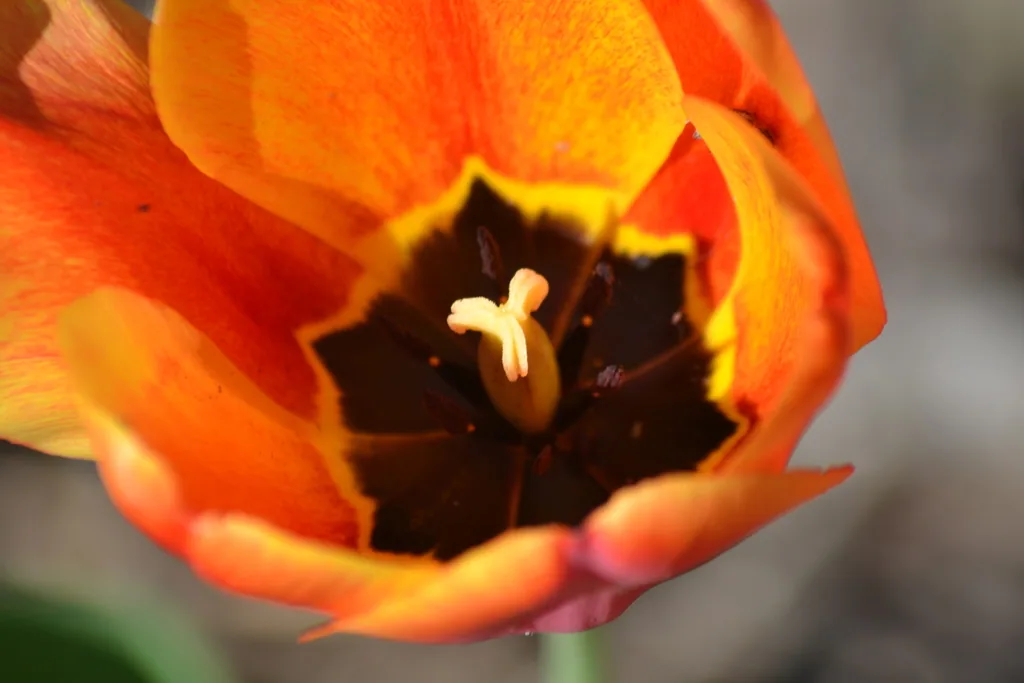

Cómo cultivar y cuidar Tulipán
Tulipa gesneriana
Escrito por Emilio Marruso · última revisión
Tóxica para: Personas · Por qué
De un vistazo
Los tulipanes son una alegría fácil de empezar: planta los bulbos en octubre en un lugar soleado; crecen bien en maceta e incluso en interior. Abónalos al plantar y otra vez después de la floración, aunque casi nunca lo necesitan. Con el tiempo, los bulbos forman bulbillos que puedes separar para tener todavía más tulipanes.
- Sol
Un lugar soleado
Qué dicen las fuentes (1)
Luz: Posición soleada
Easily grown in a sunny position in a well-drained sandy soil with added leafmould
— Tulipa gesneriana - Useful Temperate Plants [1] - Plantación
Planta los bulbos en octubre
Qué dicen las fuentes (1)
Plantación: Octubre.
Bulbs can be harvested in June after they have died down and then stored in a cool dry place, being planted out again in October
— Tulipa gesneriana - Useful Temperate Plants [1] - Abonado
Casi nunca hace falta: al plantar y tras la floración; lava el abono que caiga en las hojas
Qué dicen las fuentes (4)
Cuándo: Al plantar, incorporado al suelo, y nuevamente después de la floración; no suele ser necesario
forzado en invernadero: The nitrogen requirement can be satisfied through the application of 2 lbs calcium nitrate/100 gal at the time of potting, half way through the growth room phase and at the start of greenhouse forcing.
— [4] While not typically necessary, fertilizers can be used at planting. These fertilizers are more important for developing next year's bulb than for the upcoming spring flowers.
— [5] After blooming, two to three pounds of a 5-10-5 or similar analysis fertilizer may be applied to 100 square feet of bed area.
— [5] Evitar: Fertilizante dejado sobre las hojas, que quema el follaje: enjuágalo
To prevent burning of the foliage, wash off any fertilizer which remains on the leaves.
— [5] - Cosecha
El bulbo se puede secar y moler para mezclarlo en el pan
- Multiplicación
Por semilla o separando los bulbos y sus bulbillos
Qué dicen las fuentes (2)
Propagación: Semilla; división de retoños; división de bulbos.
Seed - best sown in a shady part of the cold frame as soon as it is ripe in early summer
— Tulipa gesneriana - Useful Temperate Plants [1] Division of offsets in July. Larger bulbs can be planted out straight into their permanent positions, or can be stored in a cool place
— Tulipa gesneriana - Useful Temperate Plants [1] - Siembra
Siembra a principios de verano, en cuanto la semilla esté madura, en una cajonera fría a la sombra
Qué dicen las fuentes (1)
Siembra: Principios del verano, tan pronto como la semilla esté madura (en una parte sombreada de un marco frío).
Seed - best sown in a shady part of the cold frame as soon as it is ripe in early summer
— Tulipa gesneriana - Useful Temperate Plants [1] - Maceta
Crece en maceta e incluso en interior
Qué dicen las fuentes (2)
En maceta: Sí
Plants have been grown indoors in pots in order to help remove toxins from the atmosphere
— Tulipa gesneriana - Useful Temperate Plants [1] En interior: Sí
Plants have been grown indoors in pots in order to help remove toxins from the atmosphere
— Tulipa gesneriana - Useful Temperate Plants [1] - Seguridad
El bulbo y las flores pueden irritar la piel de las personas sensibles
Resumen
Se cultiva en una posición soleada en suelo arenoso bien drenado con mantillo de hojas añadido. [1] Los bulbos se pueden levantar en junio después de que se marchiten y replantar en octubre. [1] Se sabe que el bulbo y las flores causan dermatitis en personas sensibles. [1]
Citado en inglés, como en la fuente.
Esta ficha está incompleta: las fuentes consultadas aún no cubren todos los campos.
Aún no cubierto por nuestras fuentes: Riego, Rusticidad, zona más fría, Rusticidad, zona más cálida, Poda
Cuidados
Riego
No figura en las fuentes consultadas.
Luz
Posición soleada
Qué dicen las fuentes (1)
Easily grown in a sunny position in a well-drained sandy soil with added leafmouldClima y frío
Rusticidad, zona más fría
No figura en las fuentes consultadas.
Rusticidad, zona más cálida
No figura en las fuentes consultadas.
Dónde cultivarla
En interior
Sí
Qué dicen las fuentes (1)
Plants have been grown indoors in pots in order to help remove toxins from the atmosphereEn maceta
Sí
Qué dicen las fuentes (1)
Plants have been grown indoors in pots in order to help remove toxins from the atmospherePropagación
Semilla; división de retoños; división de bulbos.
Qué dicen las fuentes (2)
Seed - best sown in a shady part of the cold frame as soon as it is ripe in early summerDivision of offsets in July. Larger bulbs can be planted out straight into their permanent positions, or can be stored in a cool placeCultivo
Abonado
Cuándo
Al plantar, incorporado al suelo, y nuevamente después de la floración; no suele ser necesario
Lo que dice cada fuente
forzado en invernadero: Al trasplantar, a mitad de la fase de sala de crecimiento y al inicio del forzado en invernadero
Qué dicen las fuentes (3)
forzado en invernadero: The nitrogen requirement can be satisfied through the application of 2 lbs
calcium nitrate/100 gal at the time of potting, half way through the growth
room phase and at the start of greenhouse forcing.While not typically necessary, fertilizers can be used at planting. These fertilizers are more important for developing next year's bulb than for the upcoming spring flowers.After blooming, two to three pounds of a 5-10-5 or similar analysis fertilizer may be applied to 100 square feet of bed area.Frecuencia
Las fuentes dan valores distintos según la región, la zona o las condiciones de cultivo.
Lo que dice cada fuente
forzado en invernadero: Tres aplicaciones durante el forzado
Qué dicen las fuentes (1)
forzado en invernadero: The nitrogen requirement can be satisfied through the application of 2 lbs
calcium nitrate/100 gal at the time of potting, half way through the growth
room phase and at the start of greenhouse forcing.Abonos naturales
Harina de huesos: 146–195 g/m² incorporada al suelo antes de plantar, o 15 mL en el fondo de cada hoyo de plantación
Qué dicen las fuentes (1)
A good organic fertilizer for bulbs is bonemeal with its high phosphorus content. Apply 3 to 4 pounds of bonemeal per 100 square feet. Alternatively, you can work one tablespoon of bonemeal into the bottom of the planting hole.Abonos minerales
Fertilizante multiusos 5-10-5 a 97,6–146 g/m², incorporado de manera profunda y completa al suelo antes de plantar; la misma dosis después de la floración
Lo que dice cada fuente
forzado en invernadero: Nitrato de calcio a 2,4 g/L de agua
Qué dicen las fuentes (3)
forzado en invernadero: The nitrogen requirement can be satisfied through the application of 2 lbs
calcium nitrate/100 gal at the time of potting, half way through the growth
room phase and at the start of greenhouse forcing.If using fertilizers, apply all-purpose fertilizers, such as a 5-10-5, at 2 to 3 pounds per 100 square feet and work it thoroughly and deeply into the soil before planting.After blooming, two to three pounds of a 5-10-5 or similar analysis fertilizer may be applied to 100 square feet of bed area.Microelementos
Las fuentes dan valores distintos según la región, la zona o las condiciones de cultivo.
Lo que dice cada fuente
forzado hidropónico: Calcio: mantén una solución radicular con 200 ppm de calcio como nitrato de calcio en todo momento
Qué dicen las fuentes (1)
forzado hidropónico: Calcium deficiency can be prevented during hydroponic forcing by
maintaining a root solution containing 200 ppm calcium as calcium nitrate at
all times.Evitar
Fertilizante dejado sobre las hojas, que quema el follaje: enjuágalo
Qué dicen las fuentes (1)
To prevent burning of the foliage, wash off any fertilizer which remains on the leaves.Signos de carencia
Las fuentes dan valores distintos según la región, la zona o las condiciones de cultivo.
Lo que dice cada fuente
forzado en invernadero, calcio: Hojas más pequeñas y verde claro, luego se doblan: el escapo colapsa y el botón floral cuelga hacia abajo
forzado en invernadero, nitrógeno: Hojas más claras y pequeñas
Qué dicen las fuentes (2)
forzado en invernadero, calcio: Below this level calcium
deficiency occurs. The first symptoms are smaller leaves and a light green
color. Later, topple will occur. Topple is a collapse of the scape such that
the plant bends over with the flower bud hanging down.forzado en invernadero, nitrógeno: When bulbs contained 0.98% nitrogen and less,
plants produced without nitrogen fertilization were lighter green and had
smaller leaves.Signos de exceso
Las fuentes dan valores distintos según la región, la zona o las condiciones de cultivo.
Lo que dice cada fuente
forzado en invernadero, nitrógeno: Escapos más cortos
forzado hidropónico, calcio a 400–800 ppm: Aborto floral
Qué dicen las fuentes (2)
forzado en invernadero, nitrógeno: It should be noted
that excessive nitrogen application can cause a reduction in the scape length.forzado hidropónico, calcio a 400–800 ppm: Concentrations of
400 and 800 ppm calcium brought on adverse effects in the form of floral
abortion.Remedios
Las fuentes consultadas no dan remedios para esta planta.
Toxicidad
Según la fuente, citada textualmente. No es un consejo médico ni veterinario: si una persona o un animal pudo haber ingerido esta planta, contacta con un centro de toxicología o con un veterinario.
Calendario
Principios del verano, tan pronto como la semilla esté madura (en una parte sombreada de un marco frío).
Qué dicen las fuentes (1)
Seed - best sown in a shady part of the cold frame as soon as it is ripe in early summerOctubre.
Qué dicen las fuentes (1)
Bulbs can be harvested in June after they have died down and then stored in a cool dry place, being planted out again in OctoberNo figura en las fuentes consultadas.
Meses tal como los dan las fuentes, en su mayoría de Estados Unidos (hemisferio norte). En el hemisferio sur se desplazan unos seis meses.
Comestibilidad
Según la fuente, citada textualmente. No comas una planta basándote solo en esta página: los errores de identificación pueden ser peligrosos.
It can be dried and ground into a powder and then mixed with cereals when making bread etc
[1]
Plantas similares
- Fosteriana Tulips Tulipa fosteriana
- Kaufmanniana Tulips Tulipa kaufmanniana
- Lady Tulip Tulipa clusiana
- Tulipa greigii Tulipa greigii
- Tulipa urumiensis Tulipa tarda
- Tulipán silvestre Tulipa sylvestris
- Hipérico rastrero Hypericum calycinum
- Abeto de Vancuver Abies grandis
Fuentes
Cada valor anterior se cita de estos documentos. Los enlaces llevan al editor original.
- Tulipa gesneriana - Useful Temperate Plants · temperate.theferns.info, consultado
- How to Grow and Care for Tulip Flowers | Gardener’s Path · gardenerspath.com, consultado
- Tulipa Plant Growing & Care Guide for Gardeners · gardenershq.com, consultado
- hortscans.ces.ncsu.edu · hortscans.ces.ncsu.edu
- yardandgarden.extension.iastate.edu · yardandgarden.extension.iastate.edu
Escrito por Emilio Marruso · última revisión