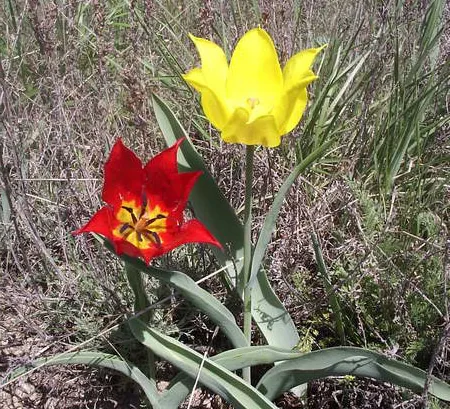
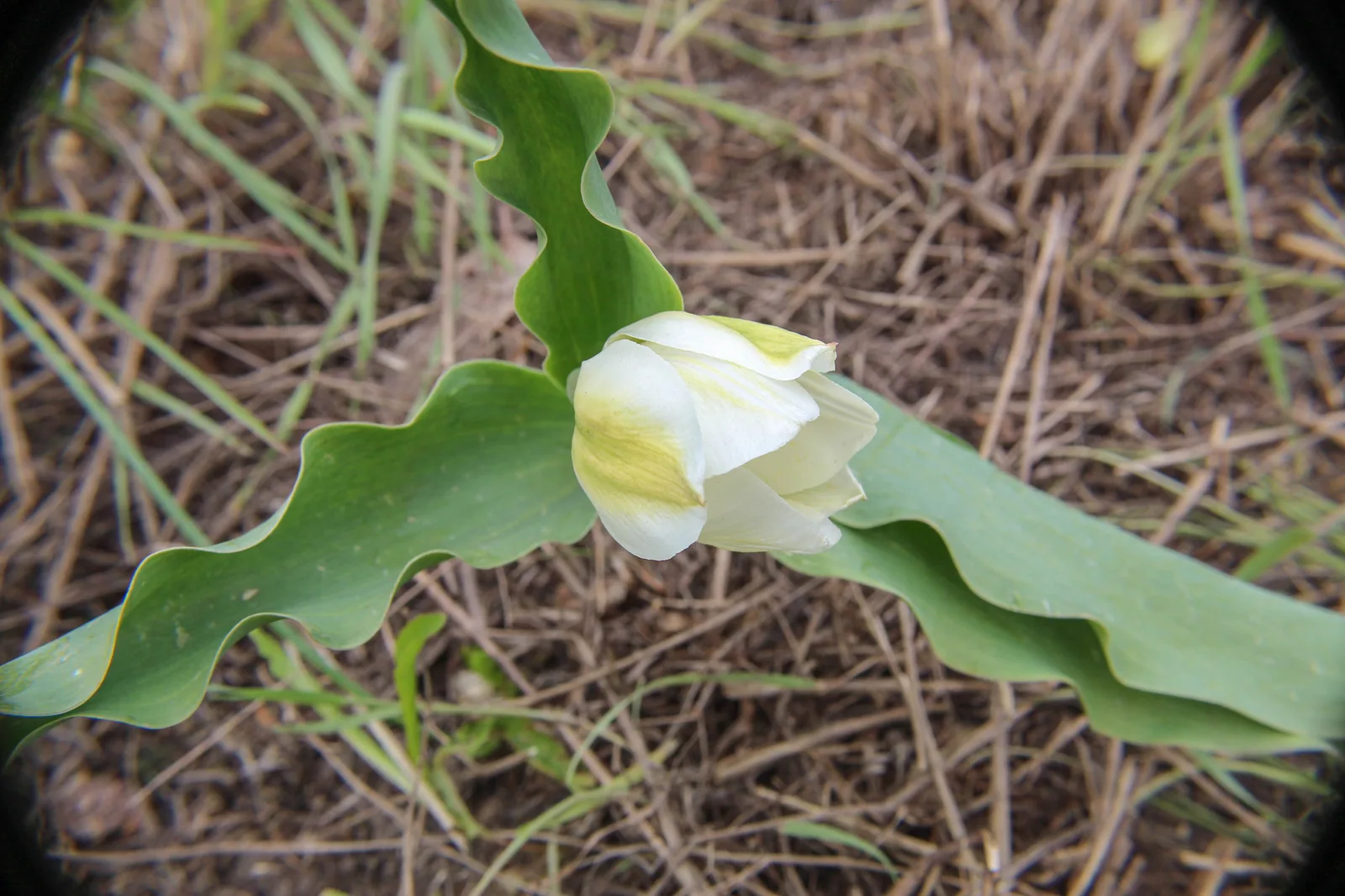


How to Grow and Care for Didier's tulip
Tulipa gesneriana
Written by Emilio Marruso · last checked
Toxic to: People · Why
At a glance
Tulips are a simple joy to start: plant the bulbs in October in a sunny spot, and they grow happily in pots or even indoors. Feed them at planting and again after blooming, though they rarely need it. Over time, the bulbs make small offsets you can divide to grow even more tulips.
- Sun
A sunny spot
What the sources say (1)
Light: Sunny position
Easily grown in a sunny position in a well-drained sandy soil with added leafmould
— Tulipa gesneriana - Useful Temperate Plants [1] - Planting
Plant the bulbs in October
What the sources say (1)
Planting: October
Bulbs can be harvested in June after they have died down and then stored in a cool dry place, being planted out again in October
— Tulipa gesneriana - Useful Temperate Plants [1] - Feeding
Rarely needed: at planting and after blooming; wash any fertilizer off the leaves
What the sources say (4)
When: At planting, worked into the soil, and again after blooming; not typically necessary
greenhouse forcing: The nitrogen requirement can be satisfied through the application of 2 lbs calcium nitrate/100 gal at the time of potting, half way through the growth room phase and at the start of greenhouse forcing.
— [4] While not typically necessary, fertilizers can be used at planting. These fertilizers are more important for developing next year's bulb than for the upcoming spring flowers.
— [5] After blooming, two to three pounds of a 5-10-5 or similar analysis fertilizer may be applied to 100 square feet of bed area.
— [5] Avoid: Fertilizer left on the leaves, which burns the foliage: wash it off
To prevent burning of the foliage, wash off any fertilizer which remains on the leaves.
— [5] - Harvest
The bulb can be dried and ground into a powder to mix into bread
- Propagation
By seed, or by dividing the bulbs and their small offsets
What the sources say (2)
Propagation: Seed; division of offsets; division of bulbs
Seed - best sown in a shady part of the cold frame as soon as it is ripe in early summer
— Tulipa gesneriana - Useful Temperate Plants [1] Division of offsets in July. Larger bulbs can be planted out straight into their permanent positions, or can be stored in a cool place
— Tulipa gesneriana - Useful Temperate Plants [1] - Sowing
Sow in early summer, as soon as the seed is ripe, in a shady cold frame
What the sources say (1)
Sowing: Early summer, as soon as the seed is ripe (shady part of a cold frame)
Seed - best sown in a shady part of the cold frame as soon as it is ripe in early summer
— Tulipa gesneriana - Useful Temperate Plants [1] - Containers
Grows in containers and even indoors
What the sources say (2)
In containers: Yes
Plants have been grown indoors in pots in order to help remove toxins from the atmosphere
— Tulipa gesneriana - Useful Temperate Plants [1] Indoors: Yes
Plants have been grown indoors in pots in order to help remove toxins from the atmosphere
— Tulipa gesneriana - Useful Temperate Plants [1] - Safety
The bulb and flowers can cause skin rashes in sensitive people
Overview
It is grown in a sunny position in well-drained sandy soil with added leafmould. [1] Bulbs can be lifted in June after dying down and replanted in October. [1] The bulb and flowers have been known to cause dermatitis in sensitive people. [1]
This record is incomplete: the sources we read do not cover every field yet.
Not yet covered by our sources: Watering, Hardiness, coldest zone, Hardiness, warmest zone, Pruning
Didier's tulip care
How to water Didier's tulip
Not stated in the sources we read.
How much light Didier's tulip needs
Sunny position
What the sources say (1)
Easily grown in a sunny position in a well-drained sandy soil with added leafmouldHow much cold Didier's tulip can take
Hardiness, coldest zone
Not stated in the sources we read.
Hardiness, warmest zone
Not stated in the sources we read.
Where to grow Didier's tulip
Indoors
Yes
What the sources say (1)
Plants have been grown indoors in pots in order to help remove toxins from the atmosphereIn containers
Yes
What the sources say (1)
Plants have been grown indoors in pots in order to help remove toxins from the atmosphereHow to propagate Didier's tulip
Seed; division of offsets; division of bulbs
What the sources say (2)
Seed - best sown in a shady part of the cold frame as soon as it is ripe in early summerDivision of offsets in July. Larger bulbs can be planted out straight into their permanent positions, or can be stored in a cool placeHow to grow Didier's tulip
Fertilizing
When
At planting, worked into the soil, and again after blooming; not typically necessary
What each source says
greenhouse forcing: At potting, halfway through the growth room phase and at the start of greenhouse forcing
What the sources say (3)
greenhouse forcing: The nitrogen requirement can be satisfied through the application of 2 lbs
calcium nitrate/100 gal at the time of potting, half way through the growth
room phase and at the start of greenhouse forcing.While not typically necessary, fertilizers can be used at planting. These fertilizers are more important for developing next year's bulb than for the upcoming spring flowers.After blooming, two to three pounds of a 5-10-5 or similar analysis fertilizer may be applied to 100 square feet of bed area.How often
The sources give different values depending on region, zone or growing conditions.
What each source says
greenhouse forcing: Three applications during forcing
What the sources say (1)
greenhouse forcing: The nitrogen requirement can be satisfied through the application of 2 lbs
calcium nitrate/100 gal at the time of potting, half way through the growth
room phase and at the start of greenhouse forcing.Natural fertilizers
Bone meal: 146–195 g/m² worked into the soil before planting, or 15 mL in the bottom of each planting hole
What the sources say (1)
A good organic fertilizer for bulbs is bonemeal with its high phosphorus content. Apply 3 to 4 pounds of bonemeal per 100 square feet. Alternatively, you can work one tablespoon of bonemeal into the bottom of the planting hole.Mineral fertilizers
All-purpose 5-10-5 at 97.6–146 g/m², worked thoroughly and deeply into the soil before planting; the same rate after blooming
What each source says
greenhouse forcing: Calcium nitrate at 2.4 g/L of water
What the sources say (3)
greenhouse forcing: The nitrogen requirement can be satisfied through the application of 2 lbs
calcium nitrate/100 gal at the time of potting, half way through the growth
room phase and at the start of greenhouse forcing.If using fertilizers, apply all-purpose fertilizers, such as a 5-10-5, at 2 to 3 pounds per 100 square feet and work it thoroughly and deeply into the soil before planting.After blooming, two to three pounds of a 5-10-5 or similar analysis fertilizer may be applied to 100 square feet of bed area.Micronutrients
The sources give different values depending on region, zone or growing conditions.
What each source says
hydroponic forcing: Calcium: keep a root solution with 200 ppm calcium as calcium nitrate at all times
What the sources say (1)
hydroponic forcing: Calcium deficiency can be prevented during hydroponic forcing by
maintaining a root solution containing 200 ppm calcium as calcium nitrate at
all times.Avoid
Fertilizer left on the leaves, which burns the foliage: wash it off
What the sources say (1)
To prevent burning of the foliage, wash off any fertilizer which remains on the leaves.Signs of deficiency
The sources give different values depending on region, zone or growing conditions.
What each source says
greenhouse forcing, calcium: Smaller, light green leaves, then topple: the scape collapses and the flower bud hangs down
greenhouse forcing, nitrogen: Lighter green, smaller leaves
What the sources say (2)
greenhouse forcing, calcium: Below this level calcium
deficiency occurs. The first symptoms are smaller leaves and a light green
color. Later, topple will occur. Topple is a collapse of the scape such that
the plant bends over with the flower bud hanging down.greenhouse forcing, nitrogen: When bulbs contained 0.98% nitrogen and less,
plants produced without nitrogen fertilization were lighter green and had
smaller leaves.Signs of excess
The sources give different values depending on region, zone or growing conditions.
What each source says
greenhouse forcing, nitrogen: Shorter scapes
hydroponic forcing, calcium at 400–800 ppm: Floral abortion
What the sources say (2)
greenhouse forcing, nitrogen: It should be noted
that excessive nitrogen application can cause a reduction in the scape length.hydroponic forcing, calcium at 400–800 ppm: Concentrations of
400 and 800 ppm calcium brought on adverse effects in the form of floral
abortion.Remedies
The sources we checked give no remedies for this plant.
Is Didier's tulip poisonous?
Reported by the source, quoted verbatim. This is not medical or veterinary advice: if a person or an animal may have eaten this plant, contact a poison control centre or a veterinarian.
Calendar
Early summer, as soon as the seed is ripe (shady part of a cold frame)
What the sources say (1)
Seed - best sown in a shady part of the cold frame as soon as it is ripe in early summerOctober
What the sources say (1)
Bulbs can be harvested in June after they have died down and then stored in a cool dry place, being planted out again in OctoberNot stated in the sources we read.
Months as given by the sources, which are mostly from the United States (northern hemisphere). In the southern hemisphere they shift by about six months.
Edibility
Reported by the source, quoted verbatim. Do not eat a plant on the basis of this page alone: identification mistakes can be dangerous.
It can be dried and ground into a powder and then mixed with cereals when making bread etc
[1]
Similar plants
- Fosteriana Tulips Tulipa fosteriana
- Kaufmanniana Tulips Tulipa kaufmanniana
- Lady Tulip Tulipa clusiana
- Tulipa greigii Tulipa greigii
- Tulipa urumiensis Tulipa tarda
- Wild tulip Tulipa sylvestris
- Aaron's Beard Hypericum calycinum
- Abies grandis Abies grandis
Sources
Every value above is quoted from these documents. Links lead to the original publisher.
- Tulipa gesneriana - Useful Temperate Plants · temperate.theferns.info, consulted
- How to Grow and Care for Tulip Flowers | Gardener’s Path · gardenerspath.com, consulted
- Tulipa Plant Growing & Care Guide for Gardeners · gardenershq.com, consulted
- hortscans.ces.ncsu.edu · hortscans.ces.ncsu.edu
- yardandgarden.extension.iastate.edu · yardandgarden.extension.iastate.edu
Written by Emilio Marruso · last checked