
Cómo cultivar y cuidar Arándano palustre
Vaccinium oxycoccos
Escrito por Emilio Marruso · última revisión
De un vistazo
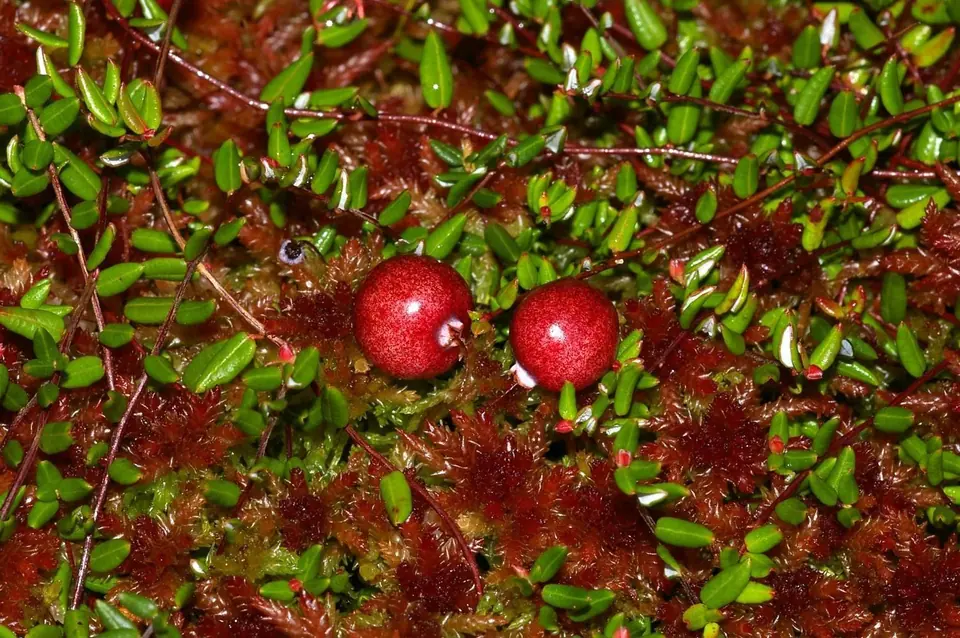
Este pequeño arándano rojo no pasa de 46 cm de alto y adora el suelo húmedo, o incluso mojado, y muy ácido. Dale sol pleno para que dé más fruto, y los abejorros y las abejas harán el resto. Sus bayas ácidas suelen cocinarse en conservas, y hasta ayudan a cuajar las mermeladas de frutas con poca pectina.
- Sol
Sol pleno o sombra ligera; a pleno sol da más fruto
Qué dicen las fuentes (1)
Luz: Pleno sol o semisombra; da mejores frutos a pleno sol.
Succeeds in full sun or light shade though it fruits better in a sunny position
— Vaccinium oxycoccos - Useful Temperate Plants [1] - Riego
Mantén la tierra húmeda o mojada; no soporta la sequía
Qué dicen las fuentes (2)
Riego: Requiere suelo húmedo o mojado; intolerante a la sequía.
Requires a moist or wet lime free soil, preferring one that is rich in peat or a light loamy soil with added leaf-mould
— Vaccinium oxycoccos - Useful Temperate Plants [1] Soil pH very acid, acid Tolerates Nutritionally Poor Soil No Drought intolerant
— Small Cranberry (Vaccinium oxycoccos) — Practical Plants [6] - Frío
Aguanta inviernos de hasta −45,6 °C (−50 °F)
Muy rústica · USDA 2 · RHS H7 · Z2
Qué dicen las fuentes (1)
Rusticidad, zona más fría: 2 [mínima invernal de −45,6 a −40 °C (de −50 a −40 °F)]
Water high Hardiness Zone 2+ Soil textures sandy, loamy
— Small Cranberry (Vaccinium oxycoccos) — Practical Plants [6] - Suelo
Suelo muy ácido y sin cal, pH 4,5–6; la cal amarillea las hojas
Qué dicen las fuentes (2)
pH del suelo, mínimo: 4.5
Prefers a very acid soil with a pH in the range of 4.5 to 6, plants soon become chlorotic when lime is present.
— Vaccinium oxycoccos - Useful Temperate Plants [1] pH del suelo, máximo: 6
Prefers a very acid soil with a pH in the range of 4.5 to 6, plants soon become chlorotic when lime is present.
— Vaccinium oxycoccos - Useful Temperate Plants [1] - Distancia
1 m entre plantas
Qué dicen las fuentes (1)
Distancia de plantación: 100 cm (1 m)
Plants can be grown as a ground cover when planted about 1 metre apart each way
— Vaccinium oxycoccos - Useful Temperate Plants [1] - Plantación
A finales de primavera o principios de verano, tras las últimas heladas
Qué dicen las fuentes (1)
Plantación: Finales de primavera o principios de verano, después de las últimas heladas esperadas.
Plant them out into their permanent positions in late spring or early summer, after the last expected frosts.
— Vaccinium oxycoccos - Useful Temperate Plants [1] - Cosecha
Bayas ácidas, normalmente en conservas; ayudan a cuajar las mermeladas
- Polinización
Autofértil, pero necesita abejorros y abejas para dar fruto
Qué dicen las fuentes (4)
Cuajado: Autofértil: produce fruto con su propio polen
Vaccinium oxycoccos is pollinated by insects but the species is also highly self-compatible.
— Vaccinium oxycoccos [4] the outcomes of both studies affirmed self-compatibility, demonstrating no significant difference in fruit production rates between plants
— Vaccinium oxycoccos [4] Qué necesita: Se necesitan visitas de insectos: no se formaron semillas cuando los insectos fueron excluidos por completo, a pesar de la alta autocompatibilidad.
Despite the high level of self-compatibility demonstrated by Reader (1977) the author noted that Vaccinium oxycoccos did not produce any seeds when insects were completely excluded.
— Vaccinium oxycoccos [4] Polinizadores: abejorros, abejas melíferas
The primary pollinators recorded by Jacquemart (1997b) were bumblebees (Bombus and Pyrobombus spp.) and honeybees (Apis mellifera).
— Vaccinium oxycoccos [4] - Tamaño
Hasta 46 cm de alto
Qué dicen las fuentes (1)
Altura adulta: hasta 46 cm (18 pulgadas)
Form: A creeping, prostrate sprawling shrub up to 18 inches tall.
— Virginia Tech Dendrology Fact Sheet [5] - Multiplicación
Esquejes a finales de primavera o principios de verano, acodo o división de hijuelos
Qué dicen las fuentes (3)
Propagación: Semilla, esquejes semimaduros con talón, acodo, división de chupones.
Cuttings of half-ripe wood, 5 - 8cm with a heel, August in a frame
— Vaccinium oxycoccos - Useful Temperate Plants [1] Seed - sow late winter in a greenhouse in a lime-free potting mix and only just cover the seed
— Vaccinium oxycoccos - Useful Temperate Plants [1] Esquejes: Esquejes de madera blanda a fines de primavera o esquejes semimaduros a principios de verano.
Propagate by taking softwood cuttings in late spring or semi-ripe cuttings in early summer
— [7] - Siembra
Siembra en invernadero a finales de invierno, o en cuanto la semilla esté madura
Qué dicen las fuentes (2)
Siembra: Finales de invierno en invernadero, o tan pronto como la semilla esté madura.
Seed - sow late winter in a greenhouse in a lime-free potting mix and only just cover the seed
— Vaccinium oxycoccos - Useful Temperate Plants [1] Another report says that it is best to sow the seed in a greenhouse as soon as it is ripe
— Vaccinium oxycoccos - Useful Temperate Plants [1]
Resumen
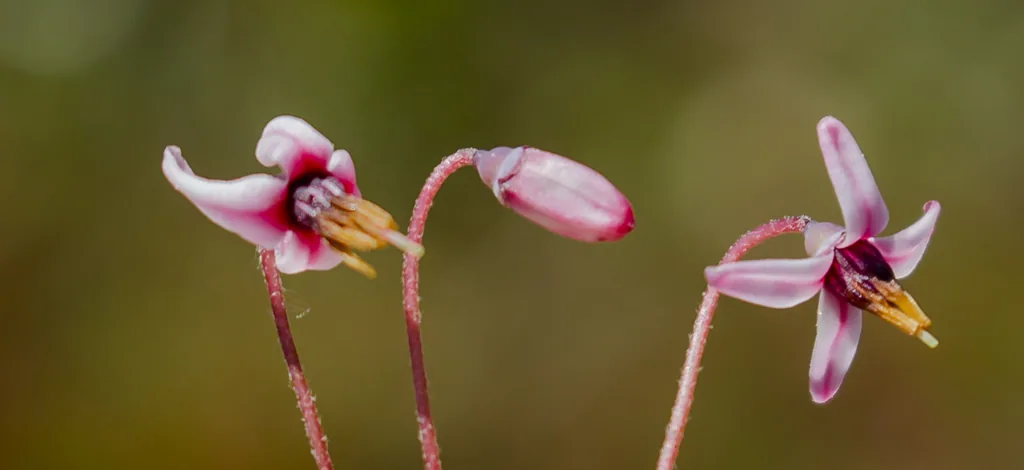
El cranberry pequeño es un arbusto rastrero siempreverde de pantanos ácidos con bayas rojas comestibles. [3][5] Necesita suelo húmedo o mojado, sin cal y muy ácido, y prospera a pleno sol o en semisombra. [1]
Citado en inglés, como en la fuente.
Esta ficha está incompleta: las fuentes consultadas aún no cubren todos los campos.
Aún no cubierto por nuestras fuentes: Cosecha
Cuidados
Riego
Requiere suelo húmedo o mojado; intolerante a la sequía.
Qué dicen las fuentes (2)
Requires a moist or wet lime free soil, preferring one that is rich in peat or a light loamy soil with added leaf-mouldSoil pH
very acid, acid
Tolerates Nutritionally Poor Soil
No
Drought
intolerantLuz
Pleno sol o semisombra; da mejores frutos a pleno sol.
Qué dicen las fuentes (1)
Succeeds in full sun or light shade though it fruits better in a sunny positionClima y frío
2 [mínima invernal de −45,6 a −40 °C (de −50 a −40 °F)]
Qué dicen las fuentes (1)
Water
high
Hardiness
Zone 2+
Soil textures
sandy, loamySuelo
pH del suelo, mínimo
4.5
Qué dicen las fuentes (1)
Prefers a very acid soil with a pH in the range of 4.5 to 6, plants soon become chlorotic when lime is present.pH del suelo, máximo
6
Qué dicen las fuentes (1)
Prefers a very acid soil with a pH in the range of 4.5 to 6, plants soon become chlorotic when lime is present.Dónde cultivarla
100 cm (1 m)
Qué dicen las fuentes (1)
Plants can be grown as a ground cover when planted about 1 metre apart each wayPropagación
Semilla, esquejes semimaduros con talón, acodo, división de chupones.
Cultivo
La planta
Familia
Ericaceae
Qué dicen las fuentes (1)
small cranberry Ericaceae Vaccinium oxycoccos L. symbol: VAOXAltura adulta
hasta 46 cm (18 pulgadas)
Qué dicen las fuentes (1)
Form: A creeping, prostrate sprawling shrub up to 18 inches tall.Propagación
Esquejes
Esquejes de madera blanda a fines de primavera o esquejes semimaduros a principios de verano.
Qué dicen las fuentes (1)
Propagate by taking softwood cuttings in late spring or semi-ripe cuttings in early summerPolinización
Cuajado
Autofértil: produce fruto con su propio polen
Qué dicen las fuentes (2)
Vaccinium oxycoccos is pollinated by insects but the species is also highly self-compatible.the outcomes of both studies affirmed self-compatibility, demonstrating no significant difference in fruit production rates between plantsQué necesita
Se necesitan visitas de insectos: no se formaron semillas cuando los insectos fueron excluidos por completo, a pesar de la alta autocompatibilidad.
Qué dicen las fuentes (1)
Despite the high level of self-compatibility demonstrated by Reader (1977) the author noted that Vaccinium oxycoccos did not produce any seeds when insects were completely excluded.Lo transportan
Insectos
Qué dicen las fuentes (1)
Vaccinium oxycoccos is pollinated by insects but the species is also highly self-compatible.Polinizadores
abejorros, abejas melíferas
Qué dicen las fuentes (1)
The primary pollinators recorded by Jacquemart (1997b) were bumblebees (Bombus and Pyrobombus spp.) and honeybees (Apis mellifera).Problemas
Clorosis inducida por cal
Síntoma: Las plantas se vuelven cloróticas cuando hay cal presente
Qué hacer: Cultiva en un suelo muy ácido, sin cal (pH 4.5-6)
Qué dicen las fuentes (1)
Prefers a very acid soil with a pH in the range of 4.5 to 6, plants soon become chlorotic when lime is present.
— Vaccinium oxycoccos - Useful Temperate Plants [1]
Remedios
Las fuentes consultadas no dan remedios para esta planta.
Calendario
Siembra
Finales de invierno en invernadero, o tan pronto como la semilla esté madura.
Qué dicen las fuentes (2)
Seed - sow late winter in a greenhouse in a lime-free potting mix and only just cover the seedAnother report says that it is best to sow the seed in a greenhouse as soon as it is ripePlantación
Finales de primavera o principios de verano, después de las últimas heladas esperadas.
Qué dicen las fuentes (1)
Plant them out into their permanent positions in late spring or early summer, after the last expected frosts.Cosecha
No figura en las fuentes consultadas.
Meses tal como los dan las fuentes, en su mayoría de Estados Unidos (hemisferio norte). En el hemisferio sur se desplazan unos seis meses.
Comestibilidad
Según la fuente, citada textualmente. No comas una planta basándote solo en esta página: los errores de identificación pueden ser peligrosos.
Plantas similares
- Arándano Vaccinium myrtillus
- Black Highbush Blueberry Vaccinium fuscatum
- Arándano rojo grande Vaccinium macrocarpon
- Creeping Blueberry Vaccinium crassifolium
- Deerberry Vaccinium stamineum
- Elliott's Blueberry Vaccinium elliottii
- Arándano Vaccinium corymbosum
- Highbush Blueberry Vaccinium formosum
Fuentes
Cada valor anterior se cita de estos documentos. Los enlaces llevan al editor original.
- Vaccinium oxycoccos - Useful Temperate Plants · temperate.theferns.info, consultado
- Vaccinium oxycoccos (Small Cranberry): Minnesota Wildflowers · minnesotawildflowers.info, consultado
- Flora of the Burren and Southeast Connemara: Vaccinium oxycoccos · flora-burren.linnaeus.naturalis.nl, consultado
- Vaccinium oxycoccos · nj.gov, consultado
- Virginia Tech Dendrology Fact Sheet · dendro.cnre.vt.edu, consultado
- Small Cranberry (Vaccinium oxycoccos) — Practical Plants · practicalplants.org, consultado
- rhs.org.uk · rhs.org.uk
Escrito por Emilio Marruso · última revisión