Blueberries: When to Plant and How to Check the Soil First
Choose the planting window for bare-root or potted blueberries, check soil pH and drainage, and select cultivars that flower together.
by Emilio MarrusoPublished
Plant bare-root blueberries while dormant in late winter or early spring, once the planting site is ready and local conditions allow. Potted plants have a wider window in some climates. Test the soil first and postpone planting if it is too alkaline or drains poorly. Sources University of Minnesota Extension, Growing blueberries in the home garden and NC State Extension, Small Fruits [1] [2]
In short:
- Start with a soil test and choose a sunny spot with good drainage.
- Order a locally adapted cultivar and confirm how it will be shipped.
- Arrange for overlapping bloom if you are planting compatible cultivars for cross-pollination.
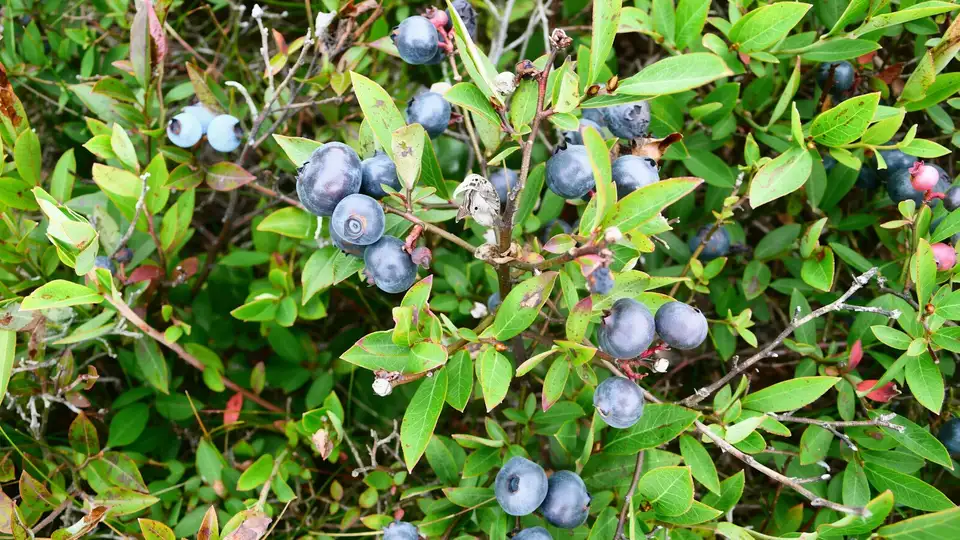
Should you plant this season or prepare the soil first?
| Your situation | What to do now | What opens the planting window |
|---|---|---|
| Dormant bare-root stock and a prepared bed | Keep the roots cool and moist and plant promptly in the local window [1] [2] | Workable soil and a suitable test result |
| Potted stock and a suitable bed | Keep the root ball watered and check the local planting season [1] [2] | A season suited to the local climate, with water available for establishment |
| Soil outside the local target range | Plan amendments with the soil test and follow up with another test [1] [2] | A new sample at the target pH |
| A site that stays wet | Choose another site or design a bed that drains [2] | Root space where water can move away |
Planting time begins with the condition of the roots and the soil. Bare-root plants arrive without a protective ball of mix. Arrange the delivery for a time when you can plant, and check the parcel as soon as it arrives. Keep the roots cool and moist if the ground is temporarily unworkable. A potted bush carries some growing medium with it. It still needs regular checks while you hold it, especially if it is in a sunny spot. Lift the nursery pot from its sleeve or saucer to make sure water drains freely [1] [2].
An early spring opening is a practical default for dormant stock in the regions covered here. Minnesota gives a window for young plants in its climate. North Carolina distinguishes bare-root stock from plants bought in pots. Use those examples to ask the right question of your local Extension office or nursery: when should this kind of stock go into the ground here? Local winter conditions, soil workability and your ability to water matter more than adopting a month from another state [1] [2].
Why can suitable pH take longer than finding a plant?
Sample the place where the bush will grow before buying sulfur or any other amendment. In Minnesota's preplant guidance, the target check is pH 4.5–5.5. North Carolina gives guidance for its own soils and distinguishes highbush from rabbiteye blueberries. Ask the lab or Extension specialist for a recommendation suited to the soil and the type you intend to grow. Conditions in a vegetable bed elsewhere on the property tell you little about a patch you have never tested [1] [2].
If an amendment is needed, plan the job before ordering plants. Elemental sulfur takes time to change soil pH. The amount depends on the starting pH and the soil, so use the lab's guidance and the product directions. If you amend in advance, test again before planting. Spreading an acidic mulch after planting is a separate job from bringing the root zone into range. Keep the soil report with the cultivar label so you can compare later samples from the same planting area [1] [2].
Check drainage alongside pH. Dig or inspect the bed after rain. Blueberries need a root zone that stays moist and has air, and heavy clay that holds water is a poor choice. North Carolina discusses raised beds for those sites. A guide to building raised beds can help with layout. Use a blueberry-appropriate soil plan for the actual planting medium [2].
Choose bushes that fit the site and flower together
Check the plant's mature width, local hardiness and bloom season before marking holes. The highbush blueberry profile helps identify one group sold for gardens. Cultivar selection still depends on where you live. North Carolina discusses highbush and rabbiteye separately, while Minnesota recommends cultivars tested for its winters. Read the full name on the tag and ask which options suit your area [1] [2].
For cross-pollination, ask for compatible cultivars whose bloom periods overlap. A second pot of the same cultivar gives you another bush, but it does not give you the different pollen source you intended to add. Site the bushes where there is sun and room to pick and maintain them. Protect the root area from competition with trees, and allow enough room for each bush at maturity rather than measuring from the width of its nursery pot [1] [2].
Check the root zone after planting
Use the planting depth specified by your regional guide for the stock and bed in front of you. Water deeply after planting and check below the surface later. Mulch helps keep moisture more even, but looking only at the surface can hide what is happening in the original root ball. Check the root ball and the adjacent soil separately until you learn how the bed drains. If the old mix is dry while soil farther out is wet, direct water to the root ball and confirm that it takes up moisture [1] [2].
Watch new growth and keep weeds from crowding the roots. In the Minnesota system, removing flowers on young bushes favors establishment. If leaves yellow while growth stalls, test the soil and inspect the watering and drainage before treating the leaves. A bush in an unsuitable root zone needs that condition addressed before it can grow well [1].
Frequently asked questions
Sources
- University of Minnesota Extension, Growing blueberries in the home garden · extension.umn.edu, consulted
- NC State Extension, Small Fruits · content.ces.ncsu.edu, consulted
Written by Emilio Marruso · last checked