
How to Grow and Care for European Green Alder
Alnus alnobetula
Written by Emilio Marruso · last checked
At a glance
This sun-loving alder is happy where many plants struggle: in heavy, damp soil and even wet ground. Give it plenty of light and room to grow, and it stays healthy. It is easy to start from seed or from early-summer cuttings, and its catkins can even be eaten raw or cooked, if you enjoy a bitter flavor.
- Sun
Full sun: it needs lots of light
- Water
Likes damp spots and grows even in wet soil
What the sources say (2)
- Cold
Survives winters down to −30 °F (−34.4 °C)
Very hardy · USDA 4 · RHS H7 · Z4
What the sources say (2)
Hardiness, coldest zone: 4 [winter low −34.4 to −28.9 °C (−30 to −20 °F)]
USDA Hardiness Zone  4-8 RHS Hardiness Rating  H6
— Alnus alnobetula - Trees and Shrubs Online [2] Hardiness, warmest zone: 8 [winter low −12.2 to −6.7 °C (10 to 20 °F)]
USDA Hardiness Zone  4-8 RHS Hardiness Rating  H6
— Alnus alnobetula - Trees and Shrubs Online [2] - Soil
Prefers heavy, damp soil
What the sources say (2)
- Harvest
The catkins can be eaten raw or cooked; they taste bitter
- Watch out
Crowded plants die back: give it room and light
- Propagation
Easy from seed, though sometimes slow; cuttings root easily in early summer with mist and bottom heat
What the sources say (2)
Propagation: Easy from seed (sometimes slow); cuttings root easily in early summer with mist and bottom heat
All known forms are easy to propagate from seed
— Alnus alnobetula - Trees and Shrubs Online [2] Cuttings root easily in early summer with mist and bottom heat
— Alnus alnobetula - Trees and Shrubs Online [2]
Overview
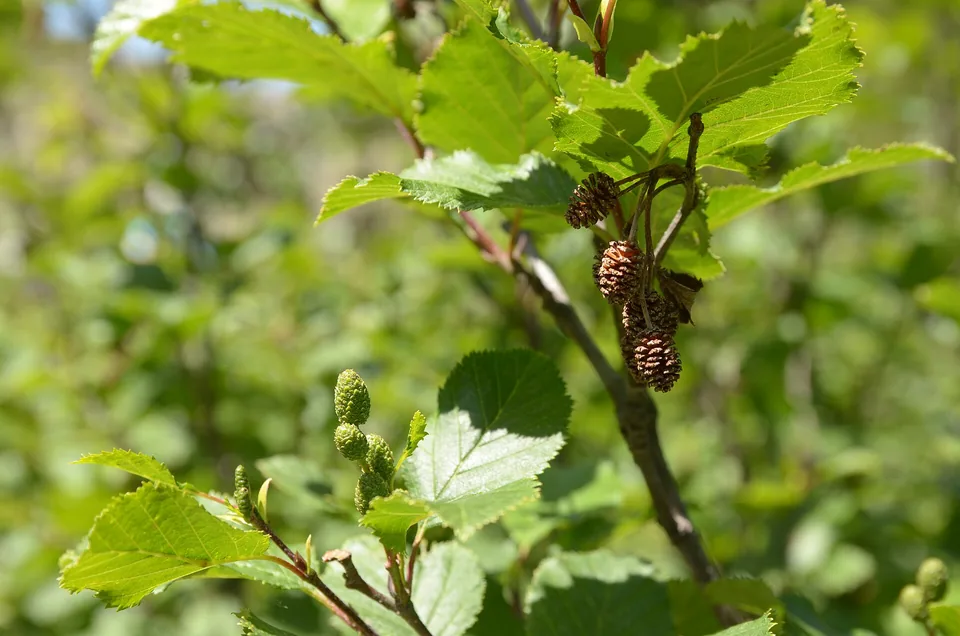
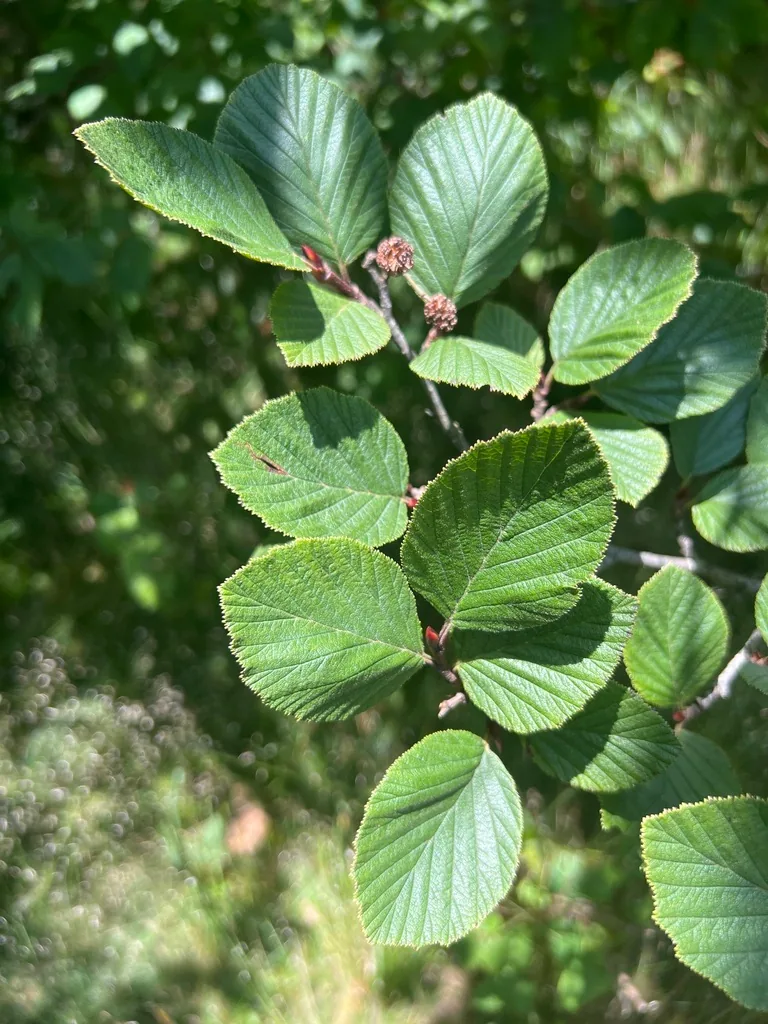
Green alder is a spreading, multi-stemmed deciduous shrub or very small tree, grown for bold foliage and spring catkins. [2] It is one of the easiest alders to grow, tolerant of a wide range of soils including wet, sandy, rocky and poor ones. [2]
This record is incomplete: the sources we read do not cover every field yet.
Not yet covered by our sources: Watering, Pruning
European Green Alder care
How to water European Green Alder
Watering
Not stated in the sources we read.
Watering notes
Prefers a heavy soil and a damp situation; grows in wet soils
How much light European Green Alder needs
How much cold European Green Alder can take
Hardiness, coldest zone
4 [winter low −34.4 to −28.9 °C (−30 to −20 °F)]
What the sources say (1)
USDA Hardiness Zone  4-8 RHS Hardiness Rating  H6Hardiness, warmest zone
8 [winter low −12.2 to −6.7 °C (10 to 20 °F)]
What the sources say (1)
USDA Hardiness Zone  4-8 RHS Hardiness Rating  H6How to propagate European Green Alder
Easy from seed (sometimes slow); cuttings root easily in early summer with mist and bottom heat
European Green Alder pests and problems
Dieback
Symptom: Dieback
What the sources say (1)
Cryptodiaporthe oxystoma, a fungus causing dieback
— Green Alder (Alnus alnobetula) | Gabriel Hemery [3] Dieback when overcrowded
Symptom: Plants die back when overcrowded
What to do: Give the light-demanding plant room
What the sources say (1)
it fares poorly and will die back when overcrowded
— Alnus alnobetula - Trees and Shrubs Online [2]
Remedies
The sources we checked give no remedies for this plant.
Calendar
Pruning
Not stated in the sources we read.
Months as given by the sources, which are mostly from the United States (northern hemisphere). In the southern hemisphere they shift by about six months.
Edibility
Reported by the source, quoted verbatim. Do not eat a plant on the basis of this page alone: identification mistakes can be dangerous.
Catkins - raw or cooked. A bitter flavour
[1]
Similar plants
- Alder Alnus serrulata
- Black Alder Alnus glutinosa
- Italian Alder Alnus cordata
- Japanese Alder Alnus japonica
- Manchurian Alder Alnus hirsuta
- Red Alder Alnus rubra
- Seaside alder Alnus maritima
- Aaron's Beard Hypericum calycinum
Sources
Every value above is quoted from these documents. Links lead to the original publisher.
- Alnus alnobetula - Useful Temperate Plants · temperate.theferns.info, consulted
- Alnus alnobetula - Trees and Shrubs Online · treesandshrubsonline.org, consulted
- Green Alder (Alnus alnobetula) | Gabriel Hemery · gabrielhemery.com, consulted
Written by Emilio Marruso · last checked