
How to Grow and Care for Italian Alder
Alnus cordata
Written by Emilio Marruso · last checked
At a glance
This alder loves water and grows best near it, in moist, well-drained soil. Give it full sun or light shade, and it will put up with wet ground and, better than other alders, a moderate dry spell. You can start it from seed in spring or from cuttings of mature wood in fall, then plant it out in fall or winter.
- Sun
Full sun; also grows in partial shade
What the sources say (3)
Light: Full sun; tolerates semi-shade
Prefers a sunny position in a moist, fertile soil.
— Alnus cordata - Useful Temperate Plants [5] It grows in semi-shade (light woodland) or no shade.
— Alnus cordata [6] Italian alder is a heliophil-ous pioneer species
— Technical guidelines for genetic conservation and use [2] - Water
Needs plenty of water; handles wet soil, and some dryness better than other alders
What the sources say (5)
Watering: Needs ample water; tolerates wet soil and, better than other alders, moderate dryness
It tolerates wet soil, but needs ample water.
— Alnus cordata [6] tolerating moderate climatic dryness better than other alders
— Alnus cordata (Loisel.) Duby – Giardino della Flora Appenninica [3] Watering notes: Prefers moist, well-drained soils; best near water; mean annual rainfall of 1,000 mm [39.4 in] or more needed to thrive
It prefers moist, well-drained soils and is often found along riverbanks and in wet areas.
— Alnus cordata - EUFORGEN European forest genetic resources programme [1] Best near water. Performs well in infertile, dry, high pH soils.
— Species Records | Boone County Arboretum [7] It requires a mean annual rainfall of 1,000mm or more for it to thrive.
— Alnus cordata - Useful Temperate Plants [5] - Soil
Moist, well-drained soil; in very alkaline soil the leaves turn yellow
What the sources say (3)
Watering notes: Prefers moist, well-drained soils; best near water; mean annual rainfall of 1,000 mm [39.4 in] or more needed to thrive
It prefers moist, well-drained soils and is often found along riverbanks and in wet areas.
— Alnus cordata - EUFORGEN European forest genetic resources programme [1] Best near water. Performs well in infertile, dry, high pH soils.
— Species Records | Boone County Arboretum [7] It requires a mean annual rainfall of 1,000mm or more for it to thrive.
— Alnus cordata - Useful Temperate Plants [5] - Planting
Young plants from an outdoor seed bed in fall or winter; potted ones in spring or summer
What the sources say (2)
Planting: Autumn or winter (seedlings from an outdoor seed bed); spring or summer (potted seedlings)
The seedlings can either be planted out into their permanent positions in the autumn/winter
— Alnus cordata - Useful Temperate Plants [5] it is possible to plant them out into their permanent positions in the summer, otherwise keep them in pots outdoors and plant them out in the spring.
— Alnus cordata - Useful Temperate Plants [5] - Pests
Watch for wilting, small yellow-brown leaves and dark bark at the base: signs of an infection
- Propagation
From seed, or from cuttings of mature wood in fall
What the sources say (3)
Propagation: Seed (90 days stratification at 1-2 C possible); cuttings of mature wood in autumn
Seed - best sown in a cold frame as soon as it is ripe and only just covered
— Alnus cordata - Useful Temperate Plants [5] A. cordata seeds can also undergo stratification for 90 days at 1-2°C.
— Alnus cordata [6] Cuttings of mature wood, taken as soon as the leaves fall in autumn, outdoors in sandy soil.
— Alnus cordata - Useful Temperate Plants [5] - Sowing
Sow ripe seed right away in a cold frame, or outdoors in spring; you can chill it 90 days at 34–36 °F first
What the sources say (5)
Sowing: As soon as ripe in a cold frame; spring in an outdoor seed bed
Seed - best sown in a cold frame as soon as it is ripe and only just covered
— Alnus cordata - Useful Temperate Plants [5] it can be sown thinly in an outdoor seed bed in the spring
— Alnus cordata - Useful Temperate Plants [5] Propagation: Seed (90 days stratification at 1-2 C possible); cuttings of mature wood in autumn
Seed - best sown in a cold frame as soon as it is ripe and only just covered
— Alnus cordata - Useful Temperate Plants [5] A. cordata seeds can also undergo stratification for 90 days at 1-2°C.
— Alnus cordata [6] Cuttings of mature wood, taken as soon as the leaves fall in autumn, outdoors in sandy soil.
— Alnus cordata - Useful Temperate Plants [5]
Overview
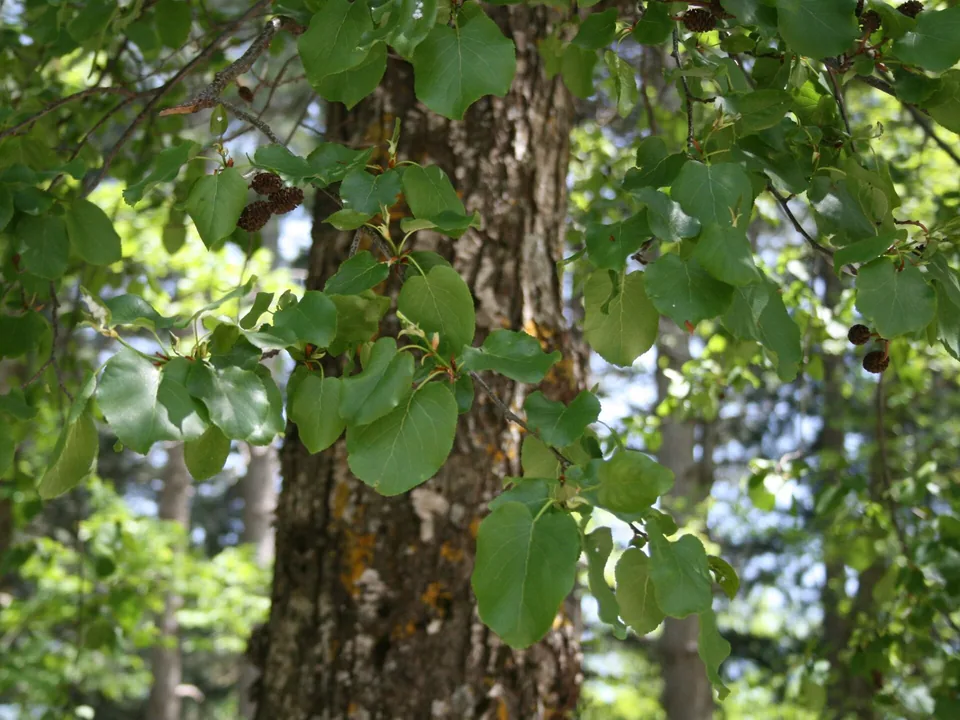
Italian alder is a fast-growing deciduous pioneer tree that fixes nitrogen and is used for windbreaks, soil protection and landscaping. [1] It prefers moist, well-drained soils and is more tolerant of drought than other alders. [1] It will grow on most soils, but planting in clay soils should be avoided according to the EUFORGEN guidelines. [2]
This record is incomplete: the sources we read do not cover every field yet.
Not yet covered by our sources: Hardiness, coldest zone, Hardiness, warmest zone, Pruning
Italian Alder care
Measurements in square brackets are our conversion into the other unit system; the quoted text is unchanged.
How to water Italian Alder
Watering
Needs ample water; tolerates wet soil and, better than other alders, moderate dryness
Watering notes
Prefers moist, well-drained soils; best near water; mean annual rainfall of 1,000 mm [39.4 in] or more needed to thrive
What the sources say (3)
It prefers moist, well-drained soils and is often found along riverbanks and in wet areas.Best near water. Performs well in infertile, dry, high pH soils.It requires a mean annual rainfall of 1,000mm or more for it to thrive.How much light Italian Alder needs
Full sun; tolerates semi-shade
How much cold Italian Alder can take
Hardiness, coldest zone
Not stated in the sources we read.
Hardiness, warmest zone
Not stated in the sources we read.
How to propagate Italian Alder
Seed (90 days stratification at 1-2 C possible); cuttings of mature wood in autumn
What the sources say (3)
Seed - best sown in a cold frame as soon as it is ripe and only just coveredA. cordata seeds can also undergo stratification for 90 days at 1-2°C.Cuttings of mature wood, taken as soon as the leaves fall in autumn, outdoors in sandy soil.How to grow Italian Alder
The plant
Family
Betulaceae
What the sources say (1)
Scientific name: Alnus cordata (Loisel.) Duby Common name: Italian Alder Family: Betulaceae Biological form: Fanerofita arboreaHarvest and storage
Saving seeds
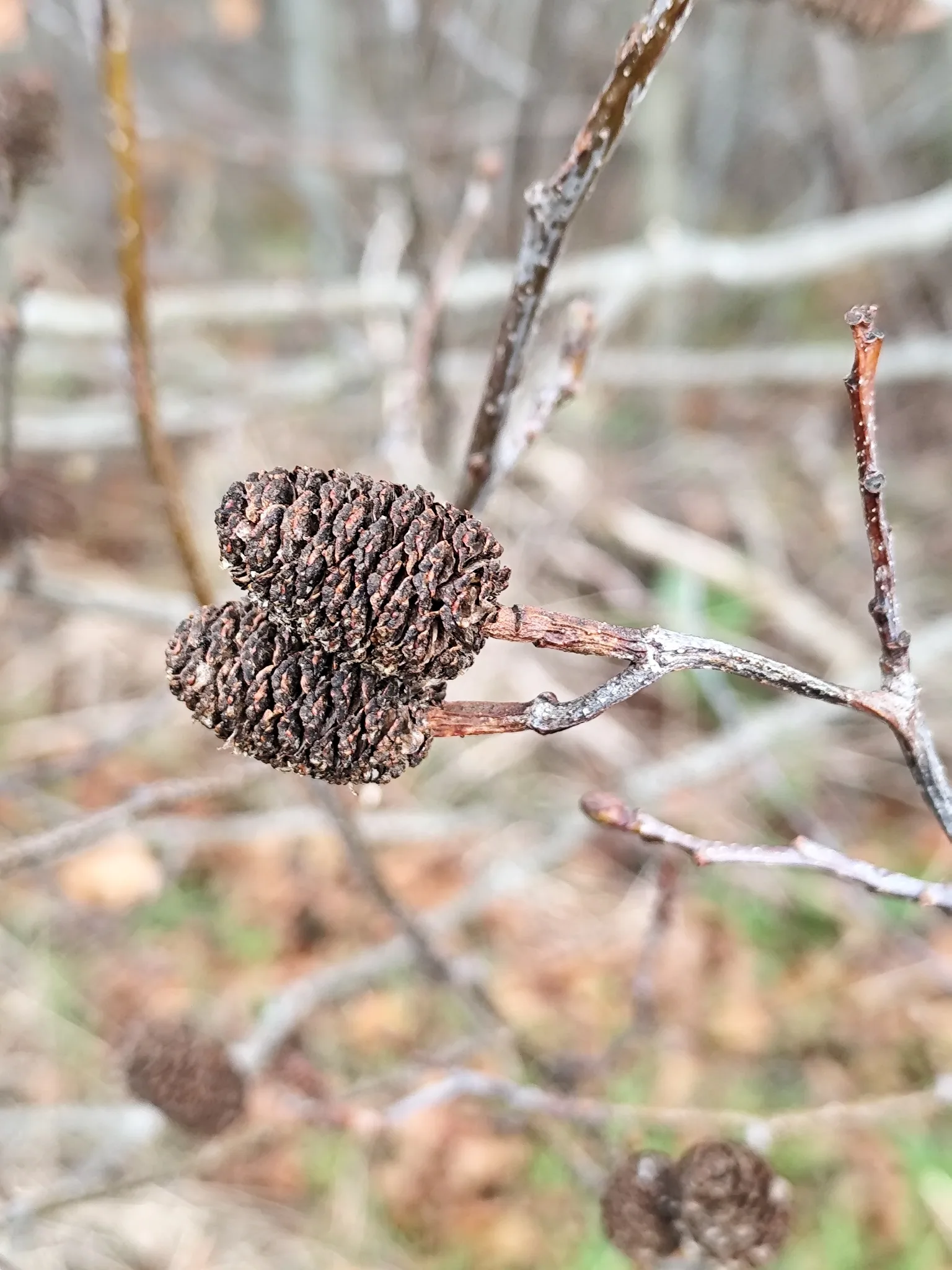
collect nearly ripe pseudo-cones in mid-October and early November; seeds can be stored up to about 2-3 years at 5-7°C [41–45 °F] and 5-6% air humidity
What the sources say (2)
Nearly ripe pseudo-cones should be collected in mid-October and early November to ensure that viable seeds material is obtained.Seeds can be stored up to about 2-3 years at 5-7°C and 5-6% air humidity.Italian Alder pests and problems
Chlorosis in alkaline soils
Symptom: Susceptible to chlorosis in very alkaline soils
What the sources say (1)
A. cordata is susceptible to chlorosis in very alkaline soils.
— Alnus cordata [6] Phytophthora-like infection
Symptom: Wilting and dying, sparse yellowish-brown foliage with abnormally small leaves and dark stained necrosis of the bark at collar level in Italian nurseries and plantations
What the sources say (1)
pointed to a Phytophthora cambivora-like species fungal infection.
— Alnus cordata [6]
Remedies
The sources we checked give no remedies for this plant.
Calendar
Sowing
As soon as ripe in a cold frame; spring in an outdoor seed bed
Planting
Autumn or winter (seedlings from an outdoor seed bed); spring or summer (potted seedlings)
What the sources say (2)
The seedlings can either be planted out into their permanent positions in the autumn/winterit is possible to plant them out into their permanent positions in the summer, otherwise keep them in pots outdoors and plant them out in the spring.Pruning
Not stated in the sources we read.
Months as given by the sources, which are mostly from the United States (northern hemisphere). In the southern hemisphere they shift by about six months.
Similar plants
- Alder Alnus serrulata
- Black Alder Alnus glutinosa
- Japanese Alder Alnus japonica
- Manchurian Alder Alnus hirsuta
- Red Alder Alnus rubra
- Seaside alder Alnus maritima
- European Green Alder Alnus alnobetula
- Asian White Birch Betula platyphylla
Sources
Every value above is quoted from these documents. Links lead to the original publisher.
- Alnus cordata - EUFORGEN European forest genetic resources programme · euforgen.org, consulted
- Technical guidelines for genetic conservation and use · euforgen.org, consulted
- Alnus cordata (Loisel.) Duby – Giardino della Flora Appenninica · giardinocapracotta.unimol.it, consulted
- Virginia Tech Dendrology Fact Sheet · dendro.cnre.vt.edu, consulted
- Alnus cordata - Useful Temperate Plants · temperate.theferns.info, consulted
- Alnus cordata · apps.worldagroforestry.org, consulted
- Species Records | Boone County Arboretum · bcarboretum.org, consulted
Written by Emilio Marruso · last checked