
How to Grow and Care for Douglas' sagewort
Artemisia douglasiana
Written by Emilio Marruso · last checked
Toxic to: People · Why
At a glance
California mugwort is an easygoing plant for beginners: it uses little water and is happy in soils that range from moist to dry. It needs no fertilizer at all; in fact, it dislikes too much of it. When you want more plants, simply sow seeds or divide the root crown, then share the extras with friends.
- Water
Needs little water; grows in moist or dry soil
What the sources say (1)
Watering: Low water use; moist to dry soils
Water Use: Low Light Requirement: Sun Soil Moisture: Moist Soil Description: Moist to dry soils.
— Lady Bird Johnson Wildflower Center - The University of Texas at Austin [1] - Feeding
No fertilizer needed; it dislikes too much
What the sources say (3)
How often: None needed
Artemisias require no fertilizer, very little water, full sun or some light shade, and good drainage.
— [8] - Propagation
Grow more from seed or by dividing the root crown
What the sources say (1)
Propagation: Seed or division of the root crown
Propagation is from seed or division of the root crown. Seeds germinate readily.
— Lady Bird Johnson Wildflower Center - The University of Texas at Austin [1] - Safety
Don't make alcohol extracts from it: they are toxic to human cells
Overview
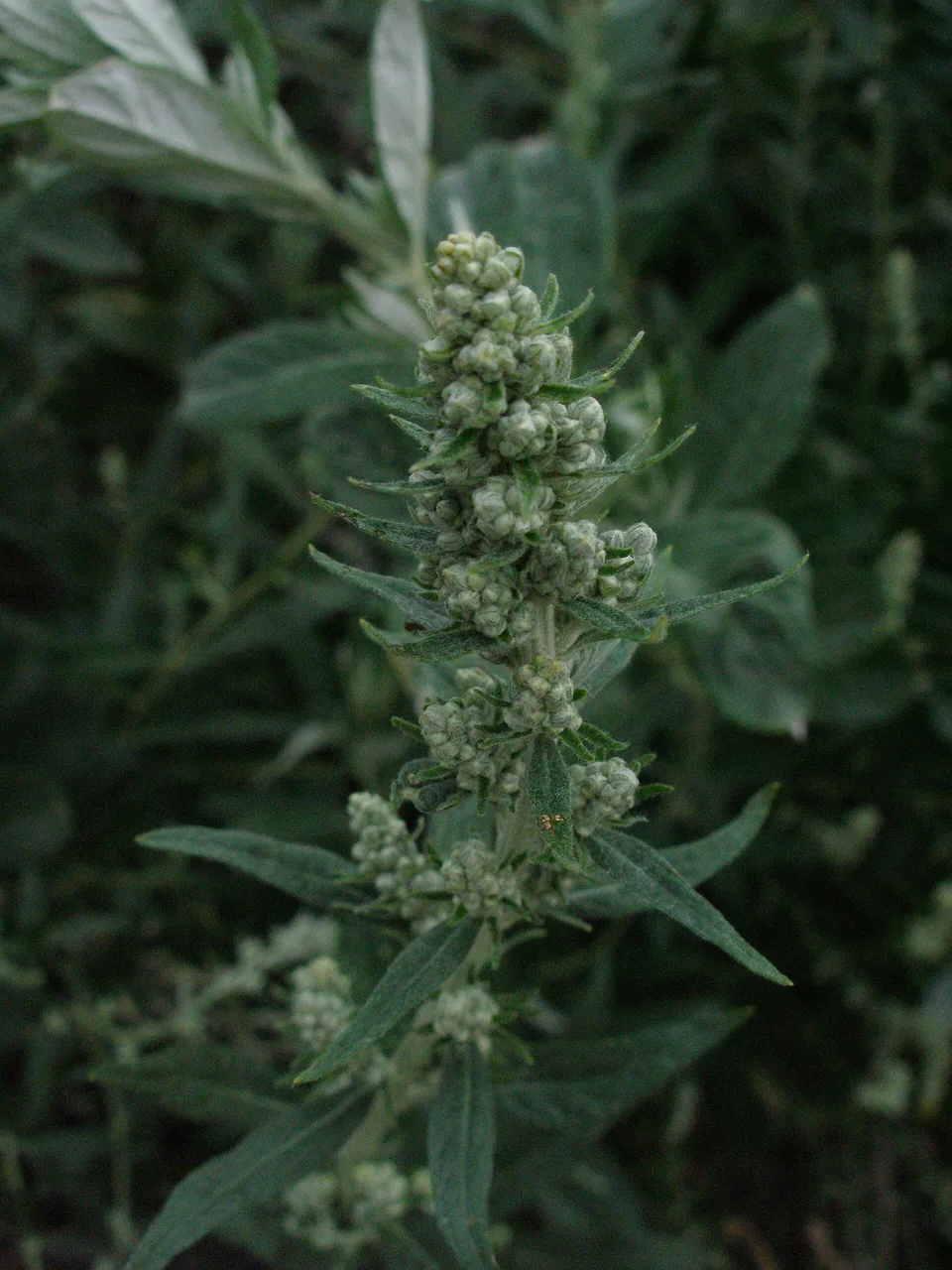
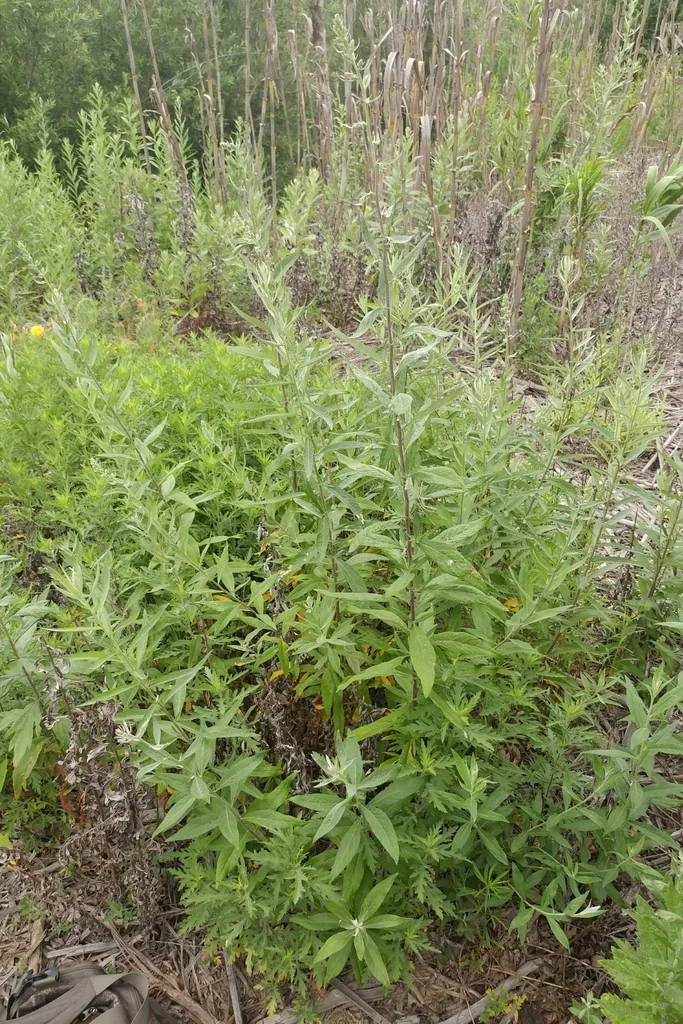
Artemisia douglasiana is a stout perennial or herbaceous sub-shrub 2-8 ft [0.6–2.4 m]. high with aromatic gray-green leaves. [1] It is propagated from seed or division of the root crown. [1] Tinctures of the plant are toxic to human cells and the plant contains thujone, a neurotoxin. [2]
This record is incomplete: the sources we read do not cover every field yet.
Not yet covered by our sources: Hardiness, coldest zone, Hardiness, warmest zone, Pruning
Douglas' sagewort care
Measurements in square brackets are our conversion into the other unit system; the quoted text is unchanged.
How to water Douglas' sagewort
Low water use; moist to dry soils
What the sources say (1)
Water Use: Low
Light Requirement: Sun
Soil Moisture: Moist
Soil Description: Moist to dry soils.How much light Douglas' sagewort needs
The sources give different values depending on region, zone or growing conditions.
What each source says
According to Lady Bird Johnson Wildflower Center: Sun
Edgewood Natural Preserve: Moist, shady spots
According to Friends of Edgewood: Open to shady areas
What the sources say (3)
According to Lady Bird Johnson Wildflower Center: Water Use: Low
Light Requirement: Sun
Soil Moisture: Moist
Soil Description: Moist to dry soils.Edgewood Natural Preserve: this aromatic plant thrives in moist, shady spots at Edgewood.According to Friends of Edgewood: Grows in open to shady areas, in drainages and riparian corridorsHow much cold Douglas' sagewort can take
Hardiness, coldest zone
Not stated in the sources we read.
Hardiness, warmest zone
Not stated in the sources we read.
How to propagate Douglas' sagewort
Seed or division of the root crown
What the sources say (1)
Propagation is from seed or division of the root crown. Seeds germinate readily.How to grow Douglas' sagewort
Fertilizing
How often
None needed
What the sources say (1)
Artemisias require no fertilizer, very little water, full sun or some light shade, and good drainage.Avoid
Fertilizer: artemisias need none and dislike excess fertilizer
Remedies
Each remedy shows what official sources say about it; traditional remedies without an official source are marked as such. Harmful ones are listed so you know to avoid them.
First aid
First aid: not a substitute for a doctor
plant ingestion
do not induce vomiting Official source, not independently tested
Symptoms of poisoning may take time to develop. However, if you think someone has been poisoned, DO NOT wait for symptoms to develop. Get medical help right away.
— medlineplus.gov [9] How: DO NOT make a person throw up unless told to do so by poison control or a health care professional.
DO NOT make a person throw up unless told to do so by poison control or a health care professional.
— medlineplus.gov [9]
Is Douglas' sagewort poisonous?
Reported by the source, quoted verbatim. This is not medical or veterinary advice: if a person or an animal may have eaten this plant, contact a poison control centre or a veterinarian.
Calendar
Pruning
Not stated in the sources we read.
Months as given by the sources, which are mostly from the United States (northern hemisphere). In the southern hemisphere they shift by about six months.
Indicative values
Values from a secondary source, not checked word for word like the rest of this page. Use them as a starting point.
- Soil pH
- 6-7.5Indicative value, adapt it to your climate · Secondary source
- Care level
- MediumIndicative value, adapt it to your climate · Secondary source
- Growth rate
- LowIndicative value, adapt it to your climate · Secondary source
- Pruning
- February, March, April, May, March, April, May, June, July, August, SeptemberIndicative value, adapt it to your climate · Secondary source
Similar plants
- Mugwort Artemisia vulgaris
- Southernwood Artemisia abrotanum
- Tarragon Artemisia dracunculus
- Wormwood Artemisia absinthium
- Alpine Wormwood Artemisia umbelliformis
- Artemisia afra Artemisia afra
- Artemisia capillaris Artemisia capillaris
- Artemisia genipi Artemisia genipi
Sources
Every value above is quoted from these documents. Links lead to the original publisher.
- Lady Bird Johnson Wildflower Center - The University of Texas at Austin · wildflower.org, consulted
- California Mugwort : · friendsofedgewood.org, consulted
- Artemisia douglasiana - Calflora · calflora.org, consulted
- Artemisia douglasiana, Mugwort | SB Botanic Garden Photos · archives.sbbotanicgarden.org, consulted
- Douglas' sagewort (Artemisia douglasiana) - bplant.org · bplant.org, consulted
- Palos Verdes native plant key · web.csulb.edu, consulted
- California mugwort (Artemisia douglasiana Besser) - EDDMapS · eddmaps.org, consulted
- ucanr.edu · ucanr.edu
- medlineplus.gov · medlineplus.gov
Written by Emilio Marruso · last checked