
How to Grow and Care for Artemisia genipi
Artemisia genipi
Written by Emilio Marruso · last checked
At a glance
This little artemisia has a delicious claim to fame: its flowering stems are the main flavoring of genipi, the liqueur that shares its name. It asks for no fertilizer at all, and you can start it from seed, division or cuttings. Sow on the surface in a greenhouse from late winter to early summer, then plant out in late spring or early summer.
- Planting
Plant out in late spring or early summer
What the sources say (1)
Planting: Late spring or early summer
Plant out in late spring or early summer.
— Artemisia genipi - Useful Temperate Plants [1] - Feeding
No fertilizer needed; it dislikes too much feeding
What the sources say (3)
How often: None needed
Artemisias require no fertilizer, very little water, full sun or some light shade, and good drainage.
— [7] - Harvest
The flowering stems flavor genipi liqueur
- Watch out
It pulls up very easily: cut the stems cleanly so the plant keeps living
- Propagation
Divide in spring or fall, or take cuttings from the base in late spring
What the sources say (3)
Propagation: Seed surface sown in a greenhouse; division in spring or autumn; basal cuttings in late spring
Seed - surface sow from late winter to early summer in a greenhouse
— Artemisia genipi - Useful Temperate Plants [1] Division in spring or autumn
— Artemisia genipi - Useful Temperate Plants [1] Basal cuttings in late spring.
— Artemisia genipi - Useful Temperate Plants [1] - Sowing
Sow on the surface in a greenhouse, late winter to early summer
What the sources say (1)
Sowing: Late winter to early summer (surface sow in a greenhouse)
Seed - surface sow from late winter to early summer in a greenhouse
— Artemisia genipi - Useful Temperate Plants [1]
Overview
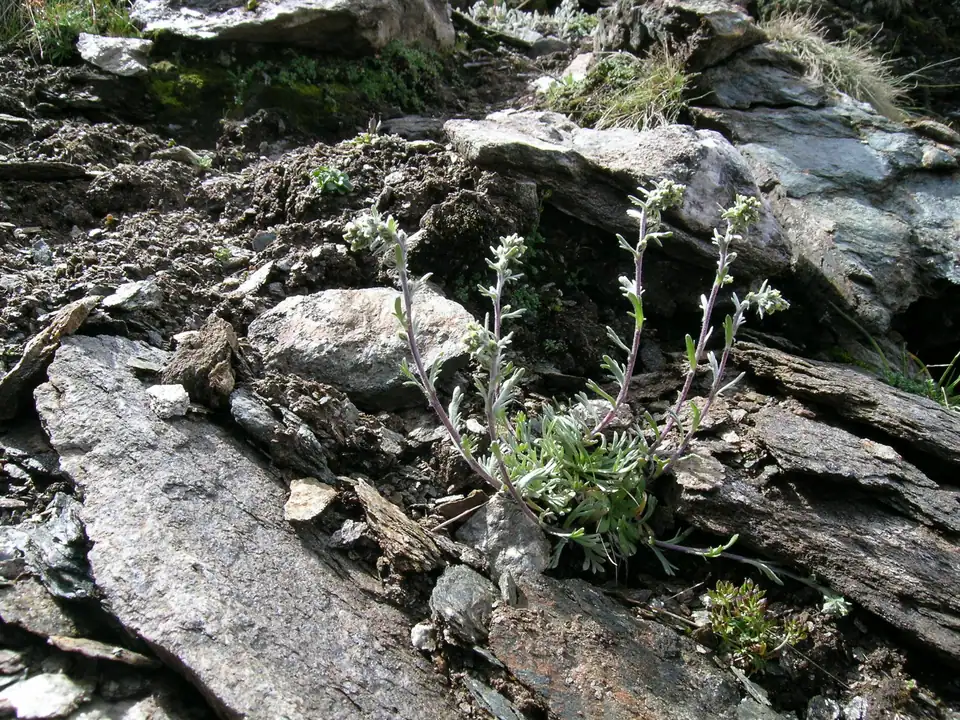
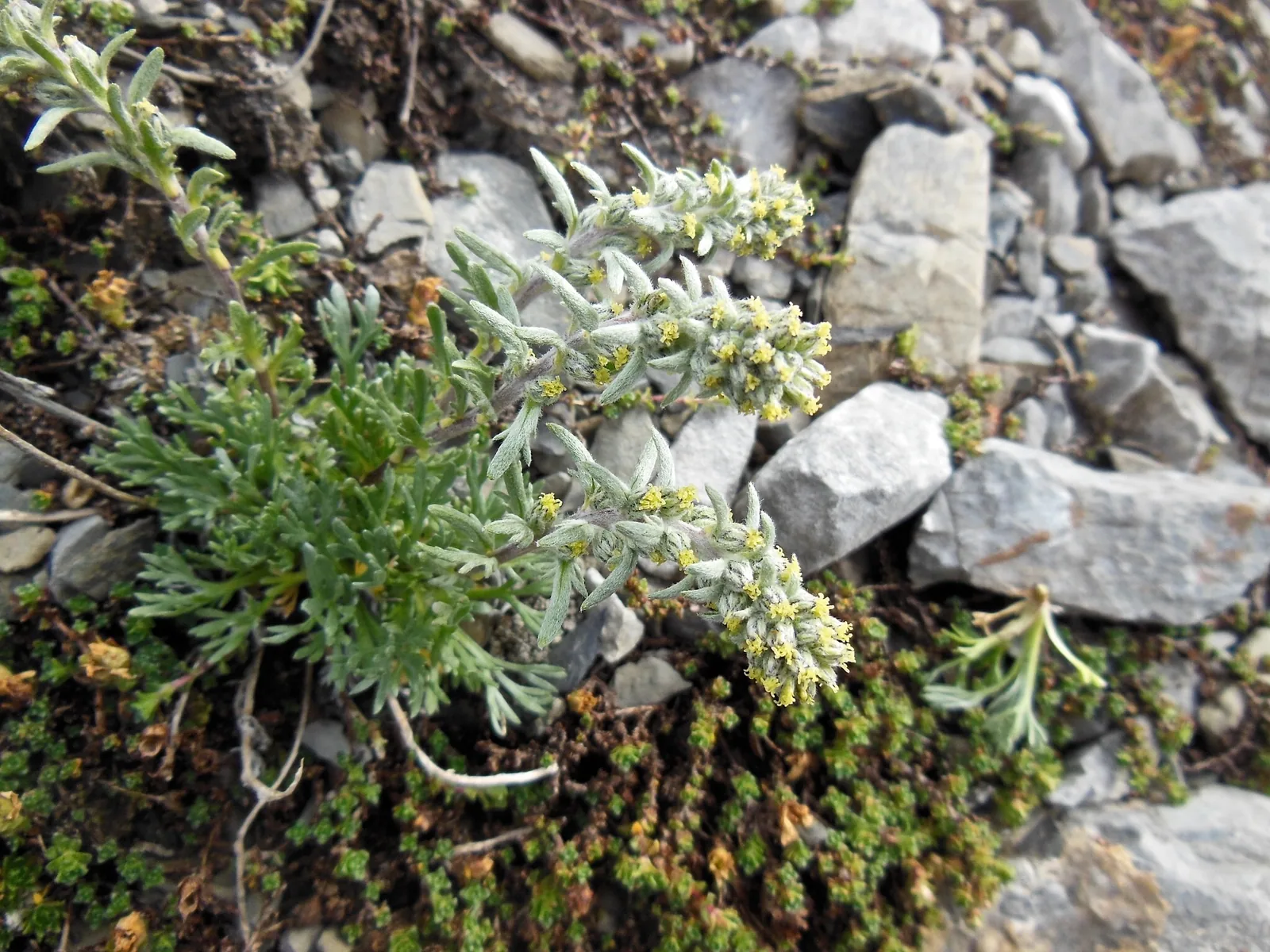
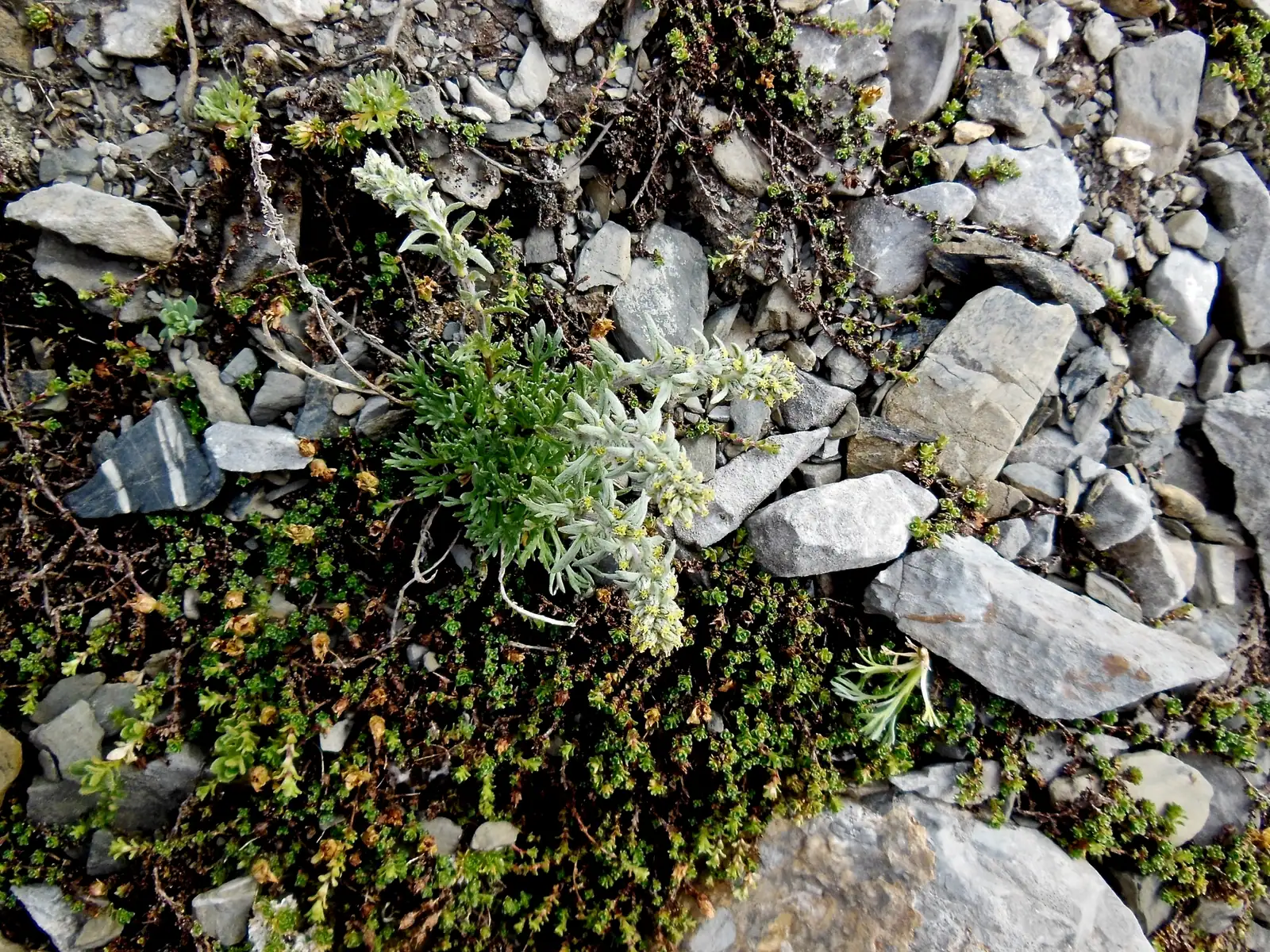
Black genepi is a small, highly aromatic wormwood that grows on rocky slopes and scree in the Alps. [2] It is a major source of the flavouring used for the genepi liqueur. [1] It grows on moraines, scree and rocky ground, mostly in the alpine belt, and can suffer from excessive picking. [3]
This record is incomplete: the sources we read do not cover every field yet.
Not yet covered by our sources: Watering, Light, Harvest
Artemisia genipi care
How to water Artemisia genipi
Not stated in the sources we read.
How much light Artemisia genipi needs
Not stated in the sources we read.
How to propagate Artemisia genipi
Seed surface sown in a greenhouse; division in spring or autumn; basal cuttings in late spring
How to grow Artemisia genipi
Fertilizing
How often
None needed
What the sources say (1)
Artemisias require no fertilizer, very little water, full sun or some light shade, and good drainage.Avoid
Fertilizer: artemisias need none and dislike excess fertilizer
Artemisia genipi pests and problems
Excessive picking in the wild
Symptom: The plant is pulled up very easily and single pickers can wipe out populations.
What to do: A clean, reasoned cut allows the perennial to persist.
What the sources say (1)
La plante s’arrache très facilement et il arrive que des stations soient décimées par un seul ramasseur, alors qu’une coupe propre et raisonnée, en dehors des territoires où toute cueillette est interdite, permettrait à cette plante vivace de perdurer.
— Artemisia genipi [3]
Remedies
The sources we checked give no remedies for this plant.
Calendar
Sowing
Late winter to early summer (surface sow in a greenhouse)
What the sources say (1)
Seed - surface sow from late winter to early summer in a greenhousePlanting
Late spring or early summer
What the sources say (1)
Plant out in late spring or early summer.Harvest
Not stated in the sources we read.
Months as given by the sources, which are mostly from the United States (northern hemisphere). In the southern hemisphere they shift by about six months.
Edibility
Reported by the source, quoted verbatim. Do not eat a plant on the basis of this page alone: identification mistakes can be dangerous.
Its flowering stems are the major source of genipi, the flavouring used to flavour the liqueur of the same name
[1]
Similar plants
- Alpine Wormwood Artemisia umbelliformis
- Artemisia afra Artemisia afra
- Big sagebrush Artemisia tridentata
- Mugwort Artemisia vulgaris
- Southernwood Artemisia abrotanum
- Tarragon Artemisia dracunculus
- Tree Wormwood Artemisia arborescens
- Wormwood Artemisia absinthium
Sources
Every value above is quoted from these documents. Links lead to the original publisher.
- Artemisia genipi - Useful Temperate Plants · temperate.theferns.info, consulted
- Artemisia genipi | Paradisia · paradisiapp.pngp.it, consulted
- Artemisia genipi · geonature2.vanoise-parcnational.fr, consulted
- Artemisia genipi (ARTGE)[Overview]| EPPO Global Database · gd.eppo.int, consulted
- Prezioso e aromatico genepì - Montagna.TV · montagna.tv, consulted
- Artemisia eriantha Ten. – Giardino della Flora Appenninica · giardinocapracotta.unimol.it, consulted
- ucanr.edu · ucanr.edu
Written by Emilio Marruso · last checked