
How to Grow and Care for Prairie sagewort
Artemisia frigida
Written by Emilio Marruso · last checked
At a glance
This artemisia is a true easygoing friend: give it sun and it asks for very little else. It uses little water, shrugs off drought and needs no fertilizer at all; in fact, it dislikes too much. At 6–15 inches tall it stays small, and you can easily make more plants by dividing older clumps or sowing seeds, which sprout well.
- Sun
Full sun
- Water
Needs little water and handles drought well
What the sources say (2)
Watering: Low water use; drought tolerant
Water Use: Low Light Requirement: Sun Soil Moisture: Dry
— Lady Bird Johnson Wildflower Center - The University of Texas at Austin [1] CaCO3 Tolerance: High Drought Tolerance: High Soil Description: Poor, dry soil.
— Lady Bird Johnson Wildflower Center - The University of Texas at Austin [1] - Cold
Survives winters down to −40 °F (−40 °C)
Very hardy · USDA 3 · RHS H7 · Z3
- Feeding
No fertilizer needed; too much does it harm
What the sources say (3)
How often: None needed
Artemisias require no fertilizer, very little water, full sun or some light shade, and good drainage.
— [7] - Size
6–15 in tall
What the sources say (1)
Mature height: 15.24-38.1 cm (6-15 in)
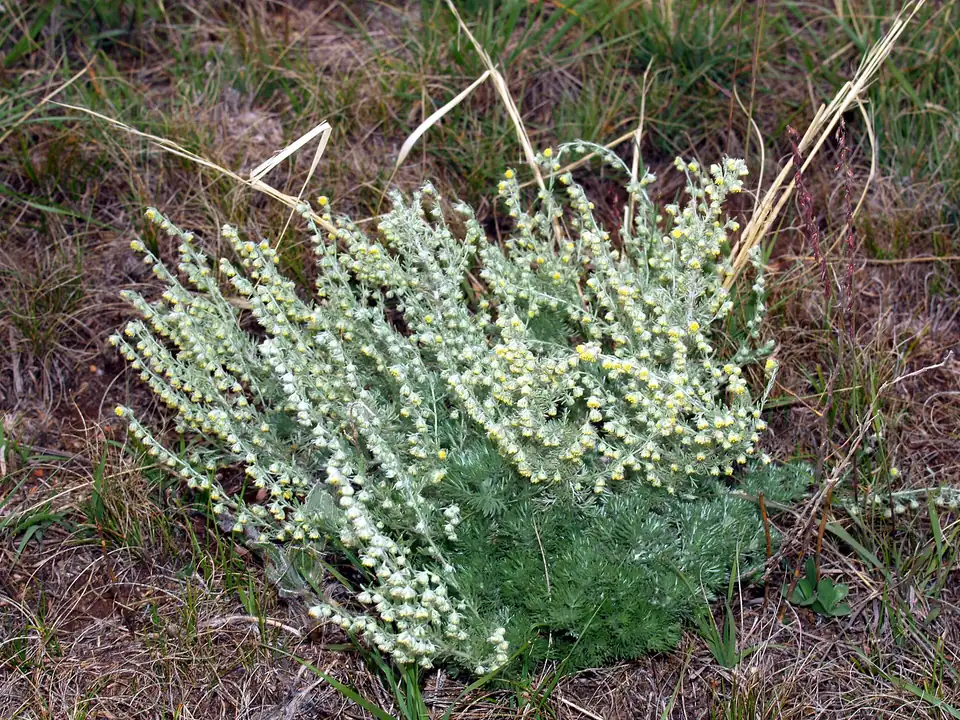
Artemisia frigida Fringed sage | 6-15 | Yellow | Late summer | Blooms not showy, silver-gray fringed foliage, woody stems
— Xeriscaping: Ground Cover Plants | Colorado State University Extension [5] - Propagation
Divide older plants, take cuttings of the underground stems or layer them; seeds sprout well too
What the sources say (1)
Propagation: Division of mature plants, rhizome cuttings, layering; seeds germinate well
Increase by division of mature plants, by rhizome cuttings or by layering. Seeds germinate well.
— Lady Bird Johnson Wildflower Center - The University of Texas at Austin [1]
Overview
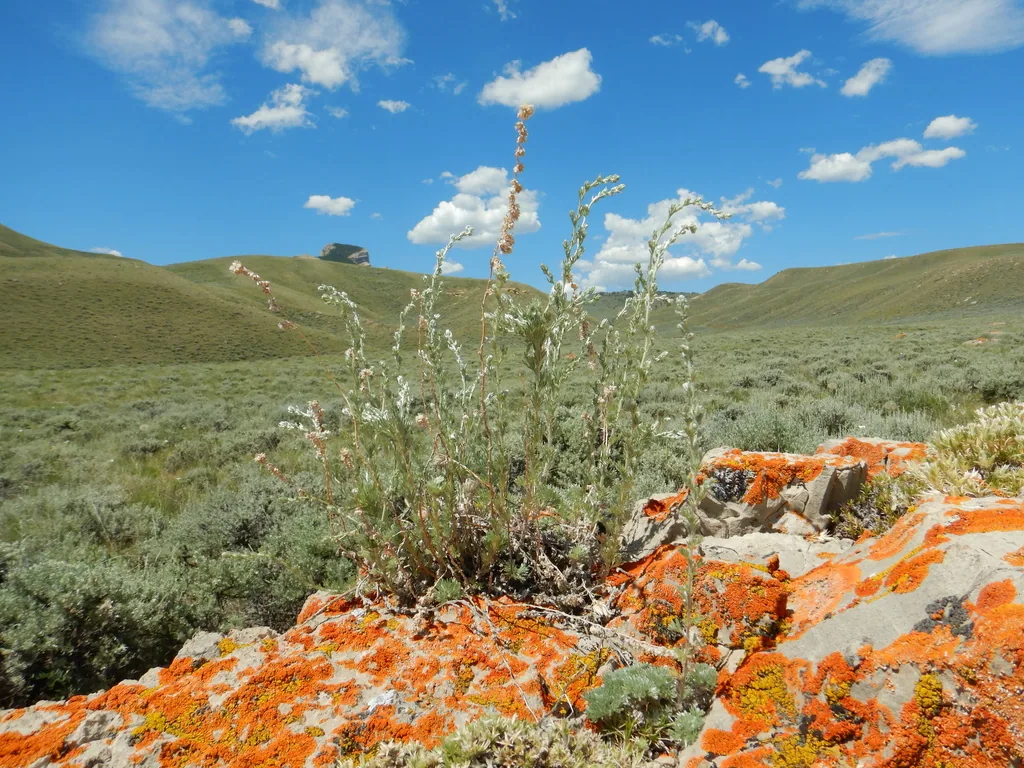
Prairie sagewort is a low-spreading, semi-evergreen subshrub up to 18 in [46 cm] tall with aromatic, gray-green leaves. [1] It is drought tolerant, suited to poor, dry soil, and is considered a weed in heavily grazed rangeland. [1]
This record is incomplete: the sources we read do not cover every field yet.
Not yet covered by our sources: Pruning
Prairie sagewort care
Measurements in square brackets are our conversion into the other unit system; the quoted text is unchanged.
How to water Prairie sagewort
Low water use; drought tolerant
What the sources say (2)
Water Use: Low
Light Requirement: Sun
Soil Moisture: DryCaCO3 Tolerance: High
Drought Tolerance: High
Soil Description: Poor, dry soil.How much light Prairie sagewort needs
How much cold Prairie sagewort can take
Hardiness, coldest zone
3 [winter low −40 to −34.4 °C (−40 to −30 °F)]
What the sources say (1)
Cold Hardiness
USDA zones 3-8Hardiness, warmest zone
8 [winter low −12.2 to −6.7 °C (10 to 20 °F)]
What the sources say (1)
Cold Hardiness
USDA zones 3-8How to propagate Prairie sagewort
Division of mature plants, rhizome cuttings, layering; seeds germinate well
What the sources say (1)
Increase by division of mature plants, by rhizome cuttings or by layering. Seeds germinate well.How to grow Prairie sagewort
The plant
Mature height
15.24-38.1 cm (6-15 in)
What the sources say (1)
Artemisia frigida Fringed sage | 6-15 | Yellow | Late summer | Blooms not showy, silver-gray fringed foliage, woody stemsFertilizing
How often
None needed
What the sources say (1)
Artemisias require no fertilizer, very little water, full sun or some light shade, and good drainage.Avoid
Fertilizer: artemisias need none and dislike excess fertilizer
Remedies
Each remedy shows what official sources say about it; traditional remedies without an official source are marked as such. Harmful ones are listed so you know to avoid them.
Getting rid of it
pasture sage overgrowth
grazing management Not verified
Traditional remedy, not verified by an official source.
How: Graze for healthy forage plants so that desirable forage species out-compete pasture sage, particularly during drought.
Calendar
Pruning
Not stated in the sources we read.
Months as given by the sources, which are mostly from the United States (northern hemisphere). In the southern hemisphere they shift by about six months.
Indicative values
Values from a secondary source, not checked word for word like the rest of this page. Use them as a starting point.
- Life cycle
- Herbaceous PerennialIndicative value, adapt it to your climate · Secondary source
- Hours of sun
- 5-6 hoursIndicative value, adapt it to your climate · Secondary source
- Drought tolerant
- yesIndicative value, adapt it to your climate · Secondary source
- Soil
- Sandy LoamyIndicative value, adapt it to your climate · Secondary source
- Soil pH
- 6-7.5Indicative value, adapt it to your climate · Secondary source
- Care level
- MediumIndicative value, adapt it to your climate · Secondary source
- Growth rate
- LowIndicative value, adapt it to your climate · Secondary source
- Pruning
- MayIndicative value, adapt it to your climate · Secondary source
Similar plants
- Artemisia afra Artemisia afra
- Artemisia capillaris Artemisia capillaris
- Dusty Miller Artemisia stelleriana
- Mugwort Artemisia vulgaris
- Silver sagebrush Artemisia cana
- Southernwood Artemisia abrotanum
- Sweet sagewort Artemisia annua
- Tree Wormwood Artemisia arborescens
Sources
Every value above is quoted from these documents. Links lead to the original publisher.
- Lady Bird Johnson Wildflower Center - The University of Texas at Austin · wildflower.org, consulted
- Artemisia frigida (Prairie Sagewort): Minnesota Wildflowers · minnesotawildflowers.info, consulted
- Fringed Sagebrush · ag.missouristate.edu, consulted
- Artemisia frigida - Useful Temperate Plants · temperate.theferns.info, consulted
- Xeriscaping: Ground Cover Plants | Colorado State University Extension · extension.colostate.edu, consulted
- Fringed Sage · waterwiseplants.org, consulted
- ucanr.edu · ucanr.edu
Written by Emilio Marruso · last checked