
How to Grow and Care for Dog's-tooth-violet
Erythronium dens-canis
Written by Emilio Marruso · last checked
Toxic to: People · Why
At a glance
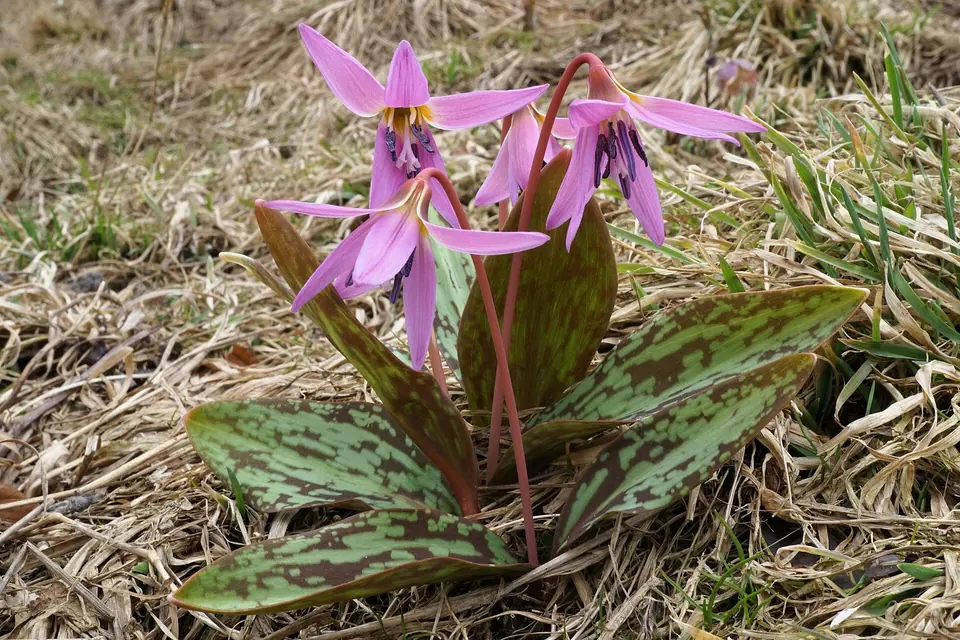
Looking for something small and charming for a shady corner? This little plant grows just 4–8 inches tall and is happy in dappled, partial or full shade, and likes to stay cool even while it rests. Give it moist soil that never dries out, and every few years you can divide it after flowering to spread it around your garden.
- Sun
Dappled, partial or full shade; keep it cool even when resting
What the sources say (2)
Light: Dappled, partial or full shade
According to Gardens Illustrated: Smaller species such as Erythronium dens-canis benefit from some cool shade, even when dormant, so a woodland garden or border of deciduous
— Perfect dainty spring flowers: you'll love these gorgeous plants for your garden | Gardens Illustrated [5] Dappled shade, full shade, partial shade | Aspect: East facing,
— Erythronium dens-canis (Dog-tooth Violet) | BBC Gardeners World Magazine [2] - Water
Keep the soil moist; never let it dry out
What the sources say (1)
Watering: Moist soil; the growing medium should not dry out
For best results grow Erythronium dens-canis in moist soil in a shady spot, and mulch annually with leaf mould.
— Erythronium dens-canis (Dog-tooth Violet) | BBC Gardeners World Magazine [2] - Cold
Survives winters down to −40 °F (−40 °C)
Very hardy · USDA 3 · RHS H7 · Z3
What the sources say (2)
Hardiness, coldest zone: 3 [winter low −40 to −34.4 °C (−40 to −30 °F)]
USDA Hardiness Zone: 3 to 9 AHS Heat Zone: Not
— Erythronium dens-canis ( Lilac Wonder European Dog's-Tooth Violet ) - Professional Gardening Tips [3] • Erythronium dens-canis is hardy to USDA zones 3 to 7, whereas the E. americanum can
— Gardening 101: Trout Lily - Gardenista [4] - Soil
Acidic to neutral soil, pH 5–7
What the sources say (2)
Soil pH, minimum: 5
pH Range: 5 to 7 Soil Range: Sandy Loam to
— Erythronium dens-canis ( Lilac Wonder European Dog's-Tooth Violet ) - Professional Gardening Tips [3] Soil pH, maximum: 7
pH Range: 5 to 7 Soil Range: Sandy Loam to
— Erythronium dens-canis ( Lilac Wonder European Dog's-Tooth Violet ) - Professional Gardening Tips [3] - Harvest
Leaves can be eaten cooked, but only in an emergency: picking them badly weakens the bulb
- Pests
Slugs and snails chew holes in the leaves
- Size
4 to 8 inches tall
What the sources say (1)
Mature height: 10-20 cm [3.9–7.9 in]
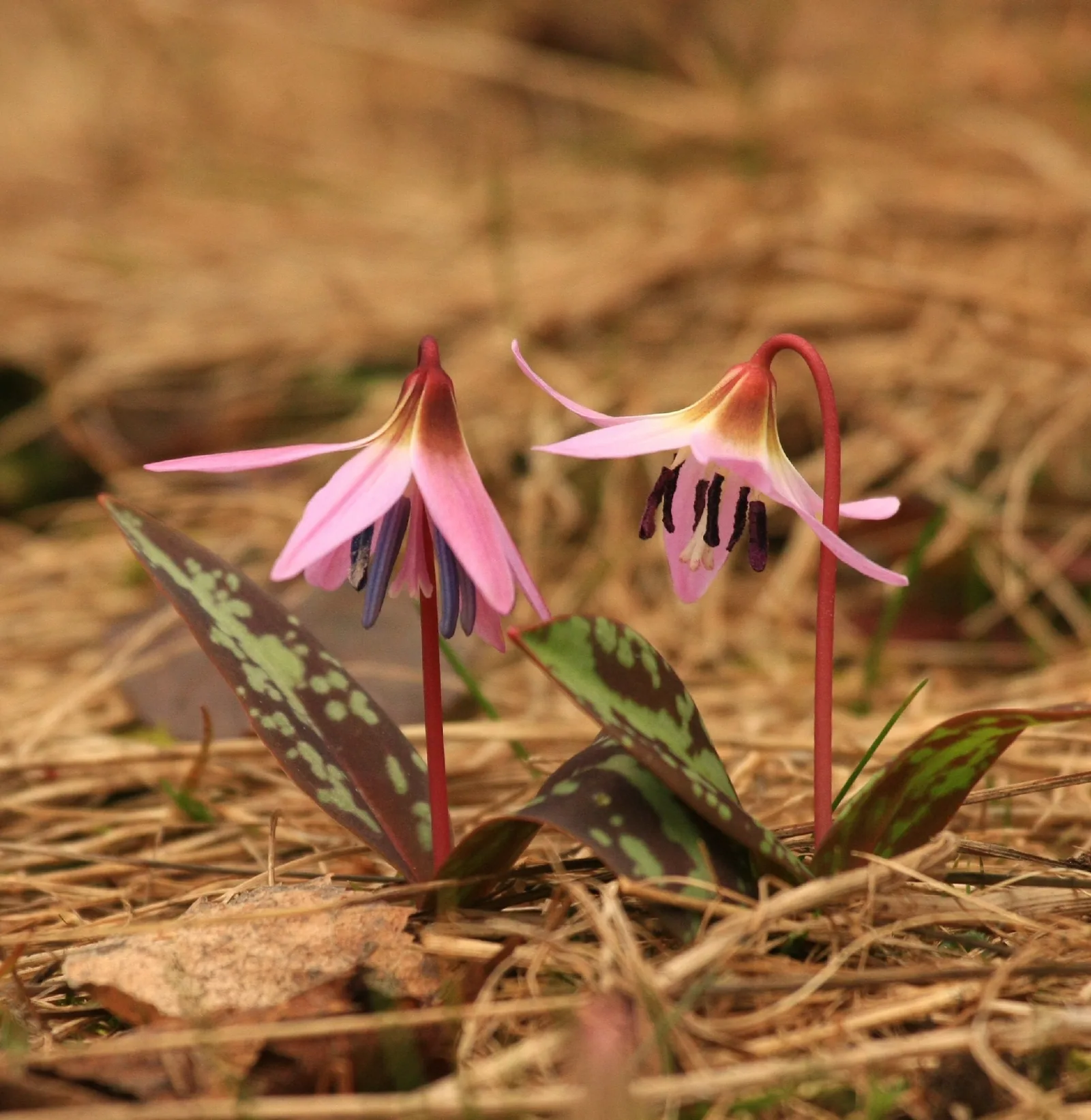
10-20 cm hoch. Stängel unter der Mitte mit 2 gegenständigen, lanzettlichen, gestielten, bis 10 cm langen, dunkelgrün und braun gescheckten Blättern .
— Erythronium dens-canis L. [1] - Propagation
Divide it after flowering, every few years
What the sources say (1)
Propagation: Division after flowering, every few years
• Erythronium revolutum naturalizes happily in sparse turf, while Erythronium dens-canis can be dug up and divided after flowering, every few years.
— Gardening 101: Trout Lily - Gardenista [4] - Safety
No toxic effects reported, but old records mention a hazard: be careful
Overview
Erythronium dens-canis is grown in moist soil in a shady spot, with an annual mulch of leaf mould. [2] Clumps can be dug up and divided after flowering, every few years. [4] One source reports no toxic effects, while another lists a historical hazard warning. [2][7]
This record is incomplete: the sources we read do not cover every field yet.
Not yet covered by our sources: Hardiness, warmest zone, Pruning
Dog's-tooth-violet care
How to water Dog's-tooth-violet
Moist soil; the growing medium should not dry out
What the sources say (1)
For best results grow Erythronium dens-canis in moist soil in a shady spot, and mulch annually with leaf mould.How much light Dog's-tooth-violet needs
Dappled, partial or full shade
What each source says
According to Gardens Illustrated: Some cool shade, even when dormant
What the sources say (2)
According to Gardens Illustrated: Smaller species such as Erythronium dens-canis benefit from some cool shade, even when dormant, so a woodland garden or border of deciduousDappled shade, full shade, partial shade
|
Aspect:
East facing,How much cold Dog's-tooth-violet can take
Hardiness, coldest zone
3 [winter low −40 to −34.4 °C (−40 to −30 °F)]
What the sources say (2)
USDA Hardiness Zone:
3 to 9
AHS Heat Zone:
Not• Erythronium dens-canis is hardy to USDA zones 3 to 7, whereas the E. americanum canHardiness, warmest zone
Not stated in the sources we read.
Best soil for Dog's-tooth-violet
Soil pH, minimum
5
What the sources say (1)
pH Range:
5 to 7
Soil Range:
Sandy Loam toSoil pH, maximum
7
What the sources say (1)
pH Range:
5 to 7
Soil Range:
Sandy Loam toHow to propagate Dog's-tooth-violet
Division after flowering, every few years
What the sources say (1)
• Erythronium revolutum naturalizes happily in sparse turf, while Erythronium dens-canis can be dug up and divided after flowering, every few years.How to grow Dog's-tooth-violet
The plant
Family
Liliaceae
What the sources say (1)
Species
SIFS: 158800
Checklist: 1018030
- Liliaceae
- Erythronium
- Erythronium dens-canis L.Mature height
10-20 cm [3.9–7.9 in]
What the sources say (1)
10-20 cm hoch. Stängel unter der Mitte mit 2 gegenständigen, lanzettlichen, gestielten, bis 10 cm langen, dunkelgrün und braun gescheckten Blättern .Dog's-tooth-violet pests and problems
Slugs and snails
Symptom: Holes in leaves, stripped stems, devoured seedlings and tender transplants
What to do: See source for prevention and control
What the sources say (1)
Slugs and snails favor moist climates and are mollusks, not insects. They can be voracious feeders, eating just about anything that is not woody or highly scented. They may eat
— Erythronium dens-canis ( Lilac Wonder European Dog's-Tooth Violet ) - Professional Gardening Tips [3]
Remedies
The sources we checked give no remedies for this plant.
Is Dog's-tooth-violet poisonous?
Reported by the source, quoted verbatim. This is not medical or veterinary advice: if a person or an animal may have eaten this plant, contact a poison control centre or a veterinarian.
Calendar
Pruning
Not stated in the sources we read.
Months as given by the sources, which are mostly from the United States (northern hemisphere). In the southern hemisphere they shift by about six months.
Edibility
Reported by the source, quoted verbatim. Do not eat a plant on the basis of this page alone: identification mistakes can be dangerous.
Leaves - cooked [10] [12] [3] . Eating the leaves will greatly reduce the vigour of the bulb, so can only be recommended in times of emergency[K].
[7]
Similar plants
- Trout Lily Erythronium americanum
- White fawnlily Erythronium albidum
- Asphodelus ramosus Asphodelus ramosus
- Bluebead Lily Clintonia borealis
- Cardiocrinum giganteum Cardiocrinum giganteum
- Carolina Lily Lilium michauxii
- Crown Imperial Fritillary Fritillaria imperialis
- Gray's Lily Lilium grayi
Sources
Every value above is quoted from these documents. Links lead to the original publisher.
- Erythronium dens-canis L. · infoflora.ch, consulted
- Erythronium dens-canis (Dog-tooth Violet) | BBC Gardeners World Magazine · gardenersworld.com, consulted
- Erythronium dens-canis ( Lilac Wonder European Dog's-Tooth Violet ) - Professional Gardening Tips · backyardgardener.com, consulted
- Gardening 101: Trout Lily - Gardenista · gardenista.com, consulted
- Perfect dainty spring flowers: you'll love these gorgeous plants for your garden | Gardens Illustrated · gardensillustrated.com, consulted
- How to Grow Erythronium - Dogtooth Violet · harvesttotable.com, consulted
- Dog's-Tooth Violet (Erythronium dens-canis) — Practical Plants · practicalplants.org, consulted
- Erythronium dens-canis · pacificbulbsociety.org, consulted
Written by Emilio Marruso · last checked