

How to Grow and Care for Common Juniper
Juniperus communis
Written by Emilio Marruso · last checked
Toxic to: People · Why
At a glance
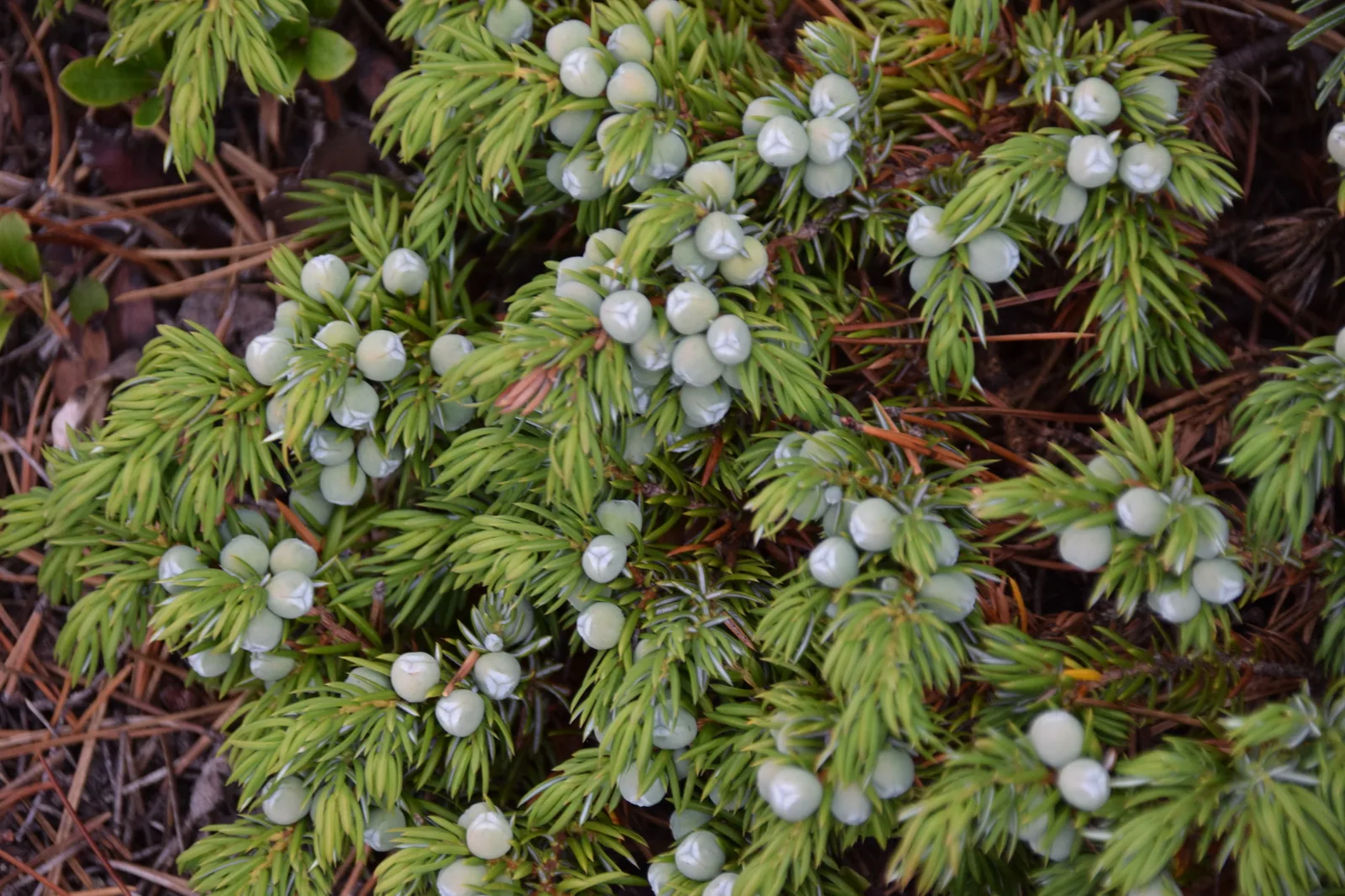
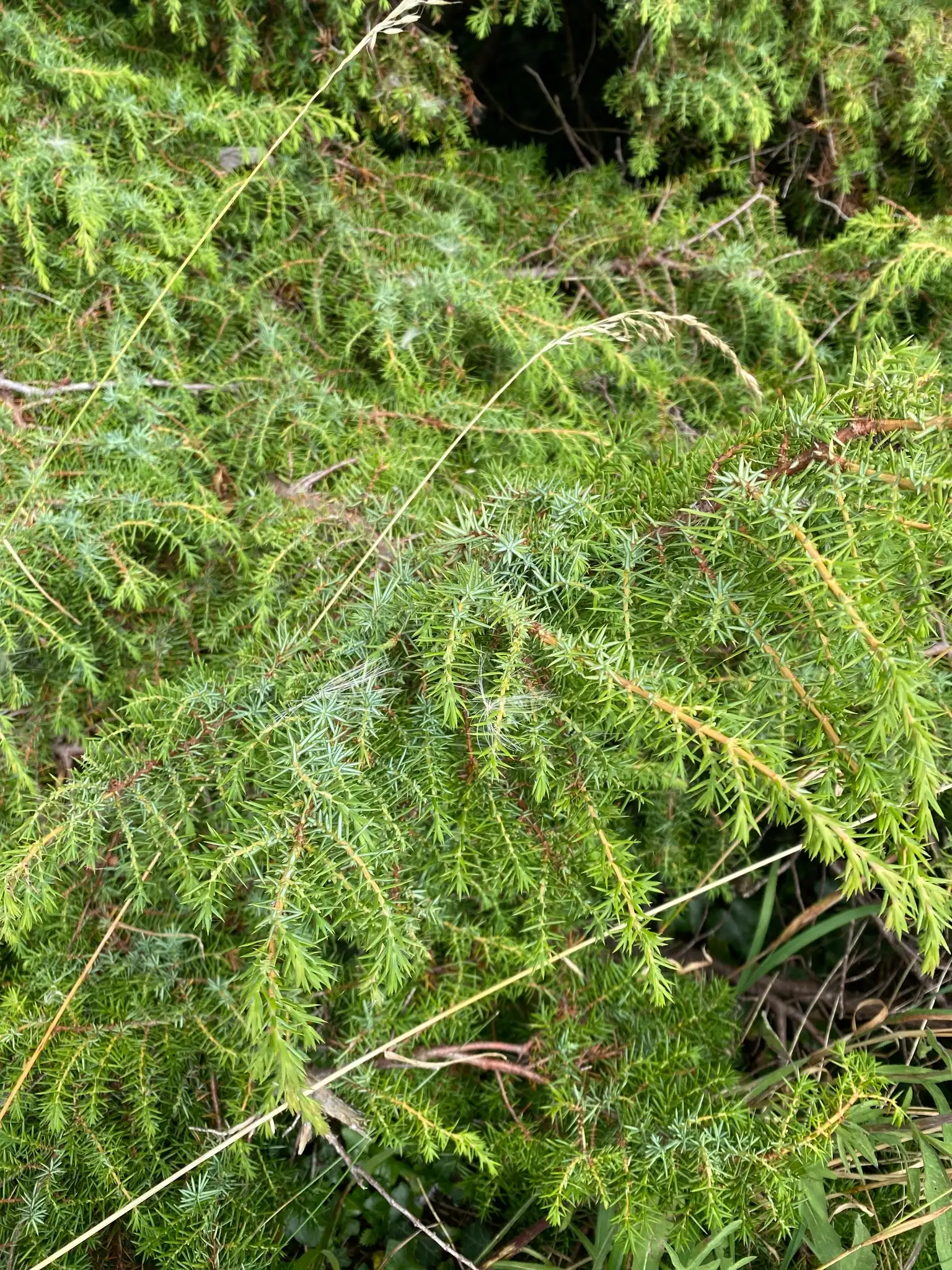
Common juniper is a tough plant for busy gardeners: once it settles in, it needs no watering at all, and it is happy in full sun or partial shade. Plant it from late October to March in soil that drains well, and over time it can reach 20 feet tall. Its berries have long been used to flavor gin.
- Sun
Full sun to partial shade
What the sources say (3)
Light: Full sun to partial shade
Juniper grows best in moist but free-draining soil in full sun or partial shade.
— How To Grow And Care For A Juniper Tree | BBC Gardeners World Magazine [5] It is drought and cold tolerant but requires plenty of light
— Juniperus communis [2] è una pianta che non teme il vento e gradisce l’esposizione al sole
— “Un albero per il futuro”: i consigli dei [7] - Water
Water well the first couple of years in dry spells; after that it needs no watering
What the sources say (5)
Watering: Drought tolerant; once established it needs no watering
Once established, these low-maintenance plants don’t require watering or feeding.
— How To Grow And Care For A Juniper Tree | BBC Gardeners World Magazine [5] It is drought and cold tolerant but requires plenty of light
— Juniperus communis [2] Watering notes: Water well after planting and in dry periods for the first couple of years; moist but free-draining soil; avoid waterlogging, which risks root rot
Water well after planting and water in dry periods for the first couple of years
— How To Grow And Care For A Juniper Tree | BBC Gardeners World Magazine [5] Juniper grows best in moist but free-draining soil in full sun or partial shade.
— How To Grow And Care For A Juniper Tree | BBC Gardeners World Magazine [5] Non apprezza pertanto i terreni troppo umidi, ed è sempre meglio evitare ristagni idrici che comporterebbero il rischio di marciume radicale.
— “Un albero per il futuro”: i consigli dei [7] - Soil
Moist but well-drained soil; standing water rots the roots
What the sources say (3)
Watering notes: Water well after planting and in dry periods for the first couple of years; moist but free-draining soil; avoid waterlogging, which risks root rot
Water well after planting and water in dry periods for the first couple of years
— How To Grow And Care For A Juniper Tree | BBC Gardeners World Magazine [5] Juniper grows best in moist but free-draining soil in full sun or partial shade.
— How To Grow And Care For A Juniper Tree | BBC Gardeners World Magazine [5] Non apprezza pertanto i terreni troppo umidi, ed è sempre meglio evitare ristagni idrici che comporterebbero il rischio di marciume radicale.
— “Un albero per il futuro”: i consigli dei [7] - Planting
Plant from late October to March, when the soil is not soggy or frozen
What the sources say (1)
Planting: Late October to March, provided the soil is not waterlogged or frozen
Plant juniper trees between late October and March as long as the soil isn
— How To Grow And Care For A Juniper Tree | BBC Gardeners World Magazine [5] - Harvest
The berries are used to flavor gin
- Pests
Rust, needle cast, twig blight and root rot; twig blight is worse in hot, humid climates
What the sources say (1)
Diseases: Gymnosporangium clavariiforme rust, Gymnosporangium cornutum rust, needle cast (Lophodermium juniperinum), juniper twig blight (Phomopsis juniperovora), root rot (Phytophthora cinnamomi)
common juniper is the primary host of the rusts Gymnosporangium clavariiforme and G. cornutum. Many fungi, such as the needle cast fungus (Lophodermium juniperinum), the juniper twig blight (Phomopsis juniperovora), and the root rot (Phytophthora cinnamomi)
— Juniperus communis [2] - Size
Up to 20 ft tall
What the sources say (1)
Mature height: 609.6 cm (20 ft)
Upright forms do occur with 200-year-old specimens reaching as much as 20-feet tall.
— Juniper, Common [1] - Safety
Toxic in large amounts; skip the berries if pregnant; leaves can irritate skin and eyes
Overview
Common juniper is a slow-growing evergreen conifer that is drought and cold tolerant but requires plenty of light. [2] Its aromatic berries are used in culinary applications, particularly for flavouring gin. [3] Once established it needs no routine watering or pruning. [5]
This record is incomplete: the sources we read do not cover every field yet.
Not yet covered by our sources: Hardiness, coldest zone, Hardiness, warmest zone, Pruning, Propagation
Common Juniper care
How to water Common Juniper
Watering
Drought tolerant; once established it needs no watering
Watering notes
Water well after planting and in dry periods for the first couple of years; moist but free-draining soil; avoid waterlogging, which risks root rot
What the sources say (3)
Water well after planting and water in dry periods for the first couple of yearsJuniper grows best in moist but free-draining soil in full sun or partial shade.Non apprezza pertanto i terreni troppo umidi, ed è sempre meglio evitare ristagni idrici che comporterebbero il rischio di marciume radicale.How much light Common Juniper needs
Full sun to partial shade
What the sources say (3)
Juniper grows best in moist but free-draining soil in full sun or partial shade.It is drought and cold tolerant but requires plenty of lightè una pianta che non teme il vento e gradisce l’esposizione al soleHow much cold Common Juniper can take
Hardiness, coldest zone
Not stated in the sources we read.
Hardiness, warmest zone
Not stated in the sources we read.
How to propagate Common Juniper
Not stated in the sources we read.
How to grow Common Juniper
The plant
Family
Cupressaceae
What the sources say (1)
Common juniper ( Juniperus communis ) is a dioecious, slow-growing, small, evergreen tree belonging to the Cupressaceae family.Mature height
609.6 cm (20 ft)
What the sources say (1)
Upright forms do occur with 200-year-old specimens reaching as much as 20-feet tall.Pests and diseases
Diseases
Gymnosporangium clavariiforme rust, Gymnosporangium cornutum rust, needle cast (Lophodermium juniperinum), juniper twig blight (Phomopsis juniperovora), root rot (Phytophthora cinnamomi)
What the sources say (1)
common juniper is the primary host of the rusts Gymnosporangium clavariiforme and G. cornutum. Many fungi, such as the needle cast fungus (Lophodermium juniperinum), the juniper twig blight (Phomopsis juniperovora), and the root rot (Phytophthora cinnamomi)Fertilizing
Micronutrients
The sources give different values depending on region, zone or growing conditions.
What each source says
Juniperus in general: Magnesium when deficient: Epsom salt (magnesium sulfate) at 25.5 mL/m² on the soil or as a foliar feed at 37.4 g per litre of water
What the sources say (1)
Juniperus in general: Apply Epsom salts (magnesium sulfate) either to the soil (1 cup per 100 square feet) or as a foliar fertilizer (5 ounces per gallon of water).Signs of deficiency
The sources give different values depending on region, zone or growing conditions.
What each source says
Juniperus in general: Magnesium deficiency: yellowing or dead foliage in the center of the plant and slow growth
What the sources say (1)
Juniperus in general: Magnesium (Mg) deficiency is a result of improper nutrition. A juniper lacking sufficient magnesium develops yellowing or dead foliage in the center and grows slowly.Common Juniper pests and problems
Juniper blight and other stem diseases
Symptom: Stem diseases such as juniper blight are problematic in the heat and humidity of the South
What to do: Bright, well drained soil with good air circulation
Root rot from waterlogging
Symptom: Waterlogging carries the risk of root rot
What to do: Always avoid waterlogging
What the sources say (1)
è sempre meglio evitare ristagni idrici che comporterebbero il rischio di marciume radicale.
— “Un albero per il futuro”: i consigli dei [7] Phytophthora root rot
Symptom: Juniper is susceptible to fungal infections from canker, honey fungus and Phytophthora root rot, which can kill juniper trees
What the sources say (1)
Juniper is also susceptible to fungal infections from canker , honey fungus and Phytophthora root rot
— How To Grow And Care For A Juniper Tree | BBC Gardeners World Magazine [5]
Remedies
The sources we checked give no remedies for this plant.
Is Common Juniper poisonous?
Reported by the source, quoted verbatim. This is not medical or veterinary advice: if a person or an animal may have eaten this plant, contact a poison control centre or a veterinarian.
Calendar
Late October to March, provided the soil is not waterlogged or frozen
What the sources say (1)
Plant juniper trees between late October and March as long as the soil isnNot stated in the sources we read.
Months as given by the sources, which are mostly from the United States (northern hemisphere). In the southern hemisphere they shift by about six months.
Edibility
Reported by the source, quoted verbatim. Do not eat a plant on the basis of this page alone: identification mistakes can be dangerous.
Similar plants
- Ashe Juniper Juniperus ashei
- Chinese Juniper Juniperus chinensis
- Creeping Juniper Juniperus horizontalis
- Eastern Redcedar Juniperus virginiana
- Japanese Garden Juniper Juniperus procumbens
- One-seed Juniper Juniperus monosperma
- Rocky Mountain Juniper Juniperus scopulorum
- Savin Juniper Juniperus sabina
Sources
Every value above is quoted from these documents. Links lead to the original publisher.
- Juniper, Common · uaex.uada.edu, consulted
- Juniperus communis · ies-ows.jrc.ec.europa.eu, consulted
- Juniperus communis - EUFORGEN European forest genetic resources programme · euforgen.org, consulted
- Juniperus communis L. | Plants of the World Online | Kew Science · powo.science.kew.org, consulted
- How To Grow And Care For A Juniper Tree | BBC Gardeners World Magazine · gardenersworld.com, consulted
- How To Grow Juniper With Matt Collins: 'They’re Such Robust, Diverse And Aromatic Trees' | Horticulture.co.uk · horticulture.co.uk, consulted
- “Un albero per il futuro”: i consigli dei · unalberoperilfuturo.rgpbio.it, consulted
- hortsense.cahnrs.wsu.edu · hortsense.cahnrs.wsu.edu
Written by Emilio Marruso · last checked