
How to Grow and Care for Phoenician juniper
Juniperus phoenicea
Written by Emilio Marruso · last checked
Toxic to: People · Why
At a glance
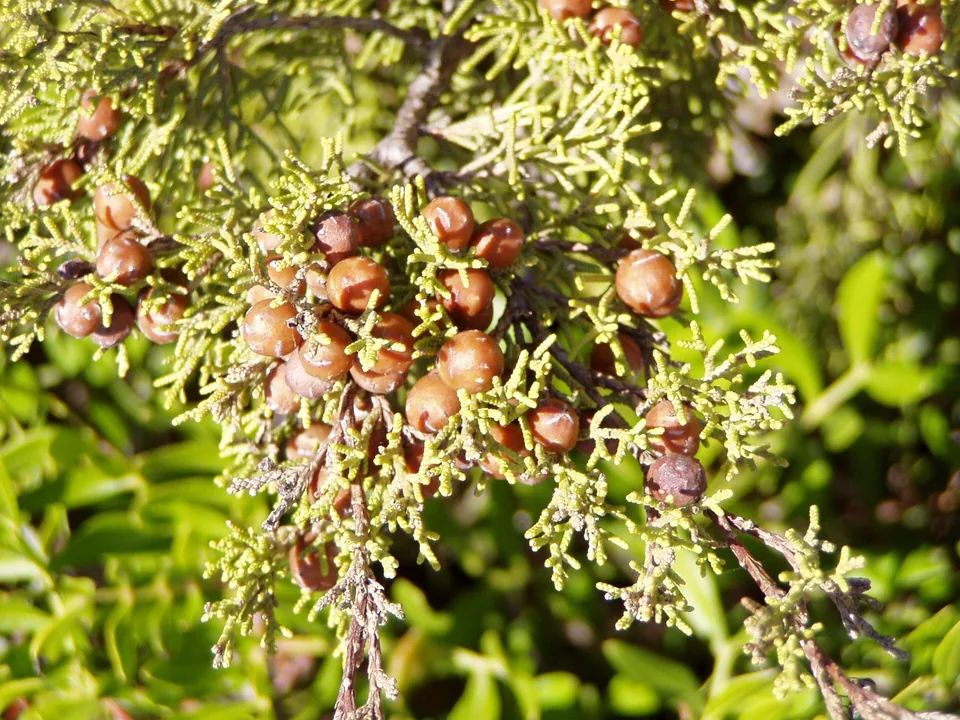
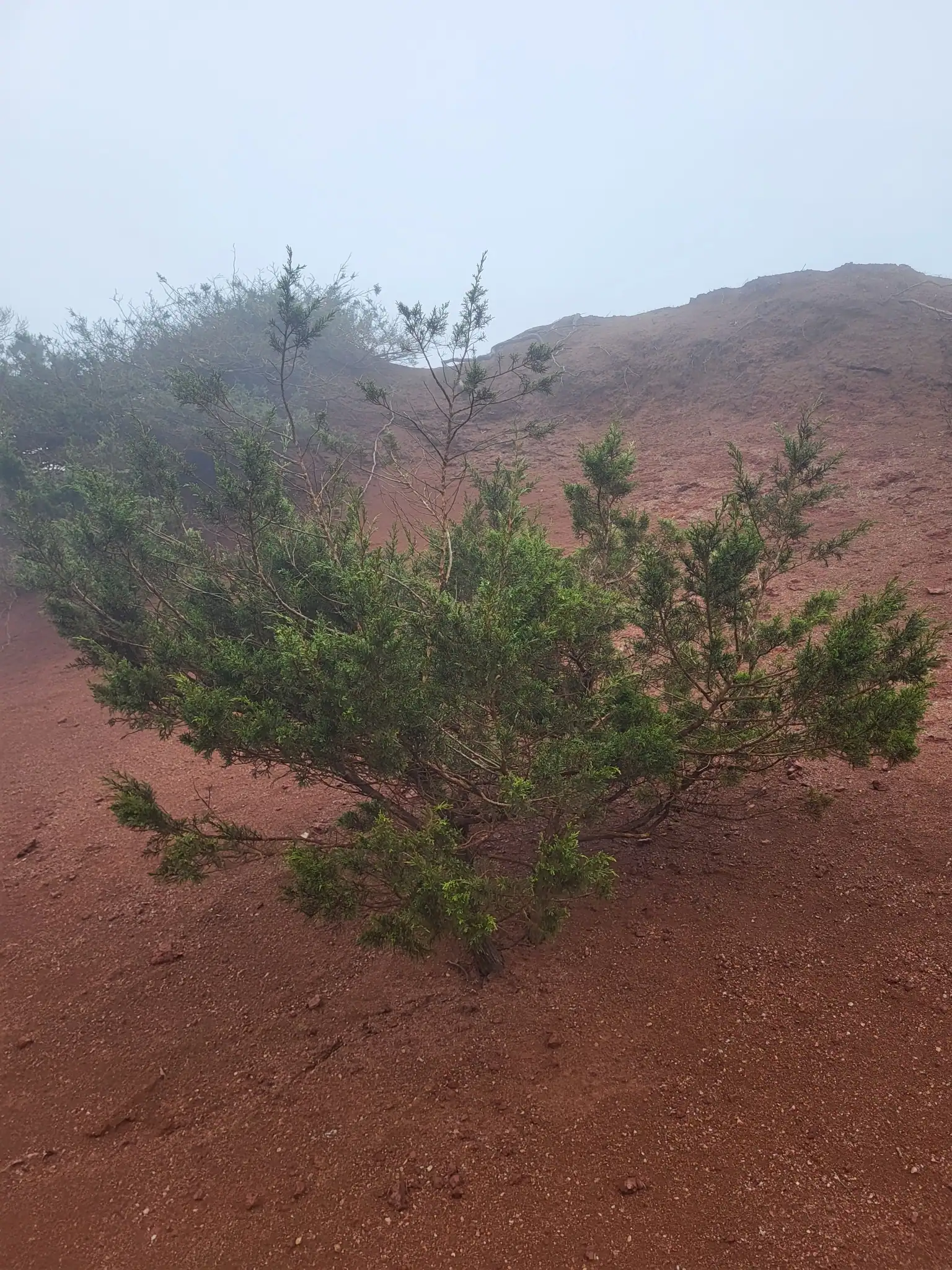
Phoenician juniper is a tough, sun-loving evergreen that asks for very little water: it copes with dry seasons and grows where only 8 inches of rain fall in a year. Give it an open, sunny spot and well-drained soil, and it can slowly rise to 26–39 ft tall. It even grows in containers, and its reddish berries can flavor food and drinks.
- Sun
An open, sunny spot
What the sources say (3)
Light: Open, sunny position
Requires an open, sunny position and a well-drained soil, favouring but not restricted to calcareous substrates
— Juniperus phoenicea - Useful Temperate Plants [3] It is a pioneer species that prefers bright, open habitats, and can establish itself quickly.
— Juniperus phoenicea - EUFORGEN European forest genetic resources programme [1] Resistencia: - Encharcamiento: poco. - Viento: mucho. - Sol: mucho. - Ambiente marítimo: mucho. Necesidades hídricas: pocas. Luz: mucha.
— Juniperus phoenicea L. [7] - Water
Needs little water; it handles dry seasons, even with only 8 inches of rain a year
What the sources say (3)
Watering: Low water needs; adapted to seasonal drought; succeeds where annual precipitation is only 200 mm [7.9 in]
Necesidades hídricas: pocas. Luz: mucha.
— Juniperus phoenicea L. [7] It is well adapted to the seasonal droughts typical of Mediterranean climates
— Juniperus phoenicea - EUFORGEN European forest genetic resources programme [1] It can succeed in regions where the annual precipitation is only 200mm
— Juniperus phoenicea - Useful Temperate Plants [3] - Soil
Well-drained soil; it does not like soggy ground
What the sources say (2)
- Spacing
3 ft between plants
What the sources say (1)
Spacing: 100 cm (1 m) between individuals (urban planting guide)
Distancia recomendable entre individuos: 1 m
— Juniperus phoenicea L. [7] - Planting
Plant at the end of winter
What the sources say (6)
Planting: End of winter (urban planting guide); seedlings from seed: early summer; rooted cuttings: the following autumn
According to Diputación de Cádiz (urban planting): Época plantación: al final del invierno.
— Juniperus phoenicea L. [7] seedlings grown from seed: Grow on in pots until large enough, then plant out in early summer.
— Juniperus phoenicea - Useful Temperate Plants [3] rooted cuttings: Cuttings of mature wood, 5 - 10cm with a heel, September/early autumn in a cold frame. Plant out in the following autumn
— Juniperus phoenicea - Useful Temperate Plants [3] Época plantación: al final del invierno.
— Juniperus phoenicea L. [7] Grow on in pots until large enough, then plant out in early summer.
— Juniperus phoenicea - Useful Temperate Plants [3] Cuttings of mature wood, 5 - 10cm with a heel, September/early autumn in a cold frame. Plant out in the following autumn
— Juniperus phoenicea - Useful Temperate Plants [3] - Pruning
Prune in late winter
What the sources say (1)
Pruning: Late winter
poda a finales de invierno, eliminar las ramas secas, enfermas o débiles
— Juniperus phoenicea L. [7] - Harvest
The reddish berries can flavor food and drinks
- Size
26–39 ft tall
What the sources say (1)
Mature height: 800-1200 cm (8-12 m)
Phoenician juniper ( Juniperus phoenicea ) is a small tree or large shrub, typically reaching 8–12 metres in height, which is usually monoecious
— Juniperus phoenicea - EUFORGEN European forest genetic resources programme [1] - Propagation
By seed, or by cuttings of mature wood or layering in early fall
What the sources say (3)
Propagation: Seed (cold stratification, sown ripe in a cold frame); cuttings of mature wood in September/early autumn; layering in September/early autumn
The seed requires a period of cold stratification.
— Juniperus phoenicea - Useful Temperate Plants [3] Cuttings of mature wood, 5 - 10cm with a heel, September/early autumn in a cold frame.
— Juniperus phoenicea - Useful Temperate Plants [3] Layering in September/early autumn. Takes 12 months
— Juniperus phoenicea - Useful Temperate Plants [3] - Sowing
Sow seeds as soon as they are ripe, in a cold frame; they need cold to sprout
What the sources say (4)
Sowing: As soon as the seed is ripe (in a cold frame)
The seed is best sown as soon as it is ripe in a cold frame.
— Juniperus phoenicea - Useful Temperate Plants [3] Propagation: Seed (cold stratification, sown ripe in a cold frame); cuttings of mature wood in September/early autumn; layering in September/early autumn
The seed requires a period of cold stratification.
— Juniperus phoenicea - Useful Temperate Plants [3] Cuttings of mature wood, 5 - 10cm with a heel, September/early autumn in a cold frame.
— Juniperus phoenicea - Useful Temperate Plants [3] Layering in September/early autumn. Takes 12 months
— Juniperus phoenicea - Useful Temperate Plants [3] - Containers
Grows in containers too
What the sources say (1)
In containers: Yes
También en maceta podrá estar bastantes años, por su lento crecimiento.
— Juniperus phoenicea L. [7] - Safety
Its oil is a strong irritant and can harm the stomach, nerves, heart, liver and kidneys
Overview
Phoenician juniper is a small tree or large shrub of Mediterranean dry, well-drained habitats. [1] It requires an open, sunny position and a well-drained soil. [3] Its essential oil contains sabinol, a strong irritant. [3]
This record is incomplete: the sources we read do not cover every field yet.
Not yet covered by our sources: Hardiness, coldest zone, Hardiness, warmest zone
Phoenician juniper care
Measurements in square brackets are our conversion into the other unit system; the quoted text is unchanged.
How to water Phoenician juniper
Watering
Low water needs; adapted to seasonal drought; succeeds where annual precipitation is only 200 mm [7.9 in]
What the sources say (3)
Necesidades hídricas: pocas. Luz: mucha.It is well adapted to the seasonal droughts typical of Mediterranean climatesIt can succeed in regions where the annual precipitation is only 200mmWatering notes
Well-drained soil; little tolerance of waterlogging
How much light Phoenician juniper needs
Open, sunny position
What the sources say (3)
Requires an open, sunny position and a well-drained soil, favouring but not restricted to calcareous substratesIt is a pioneer species that prefers bright, open habitats, and can establish itself quickly.Resistencia: - Encharcamiento: poco. - Viento: mucho. - Sol: mucho. - Ambiente marítimo: mucho. Necesidades hídricas: pocas. Luz: mucha.How much cold Phoenician juniper can take
Hardiness, coldest zone
Not stated in the sources we read.
Hardiness, warmest zone
Not stated in the sources we read.
Where to grow Phoenician juniper
In containers
Yes
What the sources say (1)
También en maceta podrá estar bastantes años, por su lento crecimiento.Spacing
100 cm (1 m) between individuals (urban planting guide)
What the sources say (1)
Distancia recomendable entre individuos: 1 mHow to propagate Phoenician juniper
Seed (cold stratification, sown ripe in a cold frame); cuttings of mature wood in September/early autumn; layering in September/early autumn
What the sources say (3)
The seed requires a period of cold stratification.Cuttings of mature wood, 5 - 10cm with a heel, September/early autumn in a cold frame.Layering in September/early autumn. Takes 12 monthsHow to grow Phoenician juniper
The plant
Mature height
800-1200 cm (8-12 m)
What the sources say (1)
Phoenician juniper ( Juniperus phoenicea ) is a small tree or large shrub, typically reaching 8–12 metres in height, which is usually monoeciousFertilizing
Micronutrients
The sources give different values depending on region, zone or growing conditions.
What each source says
Juniperus in general: Magnesium when deficient: Epsom salt (magnesium sulfate) at 25.5 mL/m² on the soil or as a foliar feed at 37.4 g per litre of water
What the sources say (1)
Juniperus in general: Apply Epsom salts (magnesium sulfate) either to the soil (1 cup per 100 square feet) or as a foliar fertilizer (5 ounces per gallon of water).Signs of deficiency
The sources give different values depending on region, zone or growing conditions.
What each source says
Juniperus in general: Magnesium deficiency: yellowing or dead foliage in the center of the plant and slow growth
What the sources say (1)
Juniperus in general: Magnesium (Mg) deficiency is a result of improper nutrition. A juniper lacking sufficient magnesium develops yellowing or dead foliage in the center and grows slowly.Remedies
The sources we checked give no remedies for this plant.
Is Phoenician juniper poisonous?
Reported by the source, quoted verbatim. This is not medical or veterinary advice: if a person or an animal may have eaten this plant, contact a poison control centre or a veterinarian.
The essentail oil in the plant contains sabinol . This compound is a strong irritant and can cause digestive, neurological, cardiorespiratory and hepato-renal disorders
[3]
Calendar
Sowing
As soon as the seed is ripe (in a cold frame)
What the sources say (1)
The seed is best sown as soon as it is ripe in a cold frame.Planting
End of winter (urban planting guide); seedlings from seed: early summer; rooted cuttings: the following autumn
What each source says
According to Diputación de Cádiz (urban planting): End of winter
seedlings grown from seed: Early summer
rooted cuttings: The following autumn
What the sources say (6)
According to Diputación de Cádiz (urban planting): Época plantación: al final del invierno.seedlings grown from seed: Grow on in pots until large enough, then plant out in early summer.rooted cuttings: Cuttings of mature wood, 5 - 10cm with a heel, September/early autumn in a cold frame. Plant out in the following autumnÉpoca plantación: al final del invierno.Grow on in pots until large enough, then plant out in early summer.Cuttings of mature wood, 5 - 10cm with a heel, September/early autumn in a cold frame. Plant out in the following autumnPruning
Late winter
What the sources say (1)
poda a finales de invierno, eliminar las ramas secas, enfermas o débilesMonths as given by the sources, which are mostly from the United States (northern hemisphere). In the southern hemisphere they shift by about six months.
Edibility
Reported by the source, quoted verbatim. Do not eat a plant on the basis of this page alone: identification mistakes can be dangerous.
The reddish and more or less succulent seed cones can be used as a flavouring in cooking and alcoholic beverages
[3]
Similar plants
- Ashe Juniper Juniperus ashei
- Chinese Juniper Juniperus chinensis
- Common Juniper Juniperus communis
- Creeping Juniper Juniperus horizontalis
- Eastern Redcedar Juniperus virginiana
- Japanese Garden Juniper Juniperus procumbens
- Juniperus turbinata Juniperus turbinata
- Large-fruited Juniper Juniperus macrocarpa
Sources
Every value above is quoted from these documents. Links lead to the original publisher.
- Juniperus phoenicea - EUFORGEN European forest genetic resources programme · euforgen.org, consulted
- Juniperus phoenicea | Euro+Med-Plantbase · europlusmed.org, consulted
- Juniperus phoenicea - Useful Temperate Plants · temperate.theferns.info, consulted
- Conifer Database - phoenicea · conifersociety.org, consulted
- Juniperus phoenicea - Trees and Shrubs Online · treesandshrubsonline.org, consulted
- Juniperus phoenicea (Phoenician juniper) description · conifers.org, consulted
- Juniperus phoenicea L. · dipucadiz.es, consulted
-  · miteco.gob.es, consulted
- hortsense.cahnrs.wsu.edu · hortsense.cahnrs.wsu.edu
Written by Emilio Marruso · last checked