How to Grow and Care for Primula malacoides
Primula malacoides
Written by Emilio Marruso · last checked
At a glance
This primula is an easygoing companion for shady corners: it likes partial or filtered shade and soil kept moist but never soggy. Set out purchased plants in early spring, 8–10 inches apart, and enjoy it in the garden, in a container or even indoors. When older plants finish flowering, divide them to make more.
- Sun
Partial or filtered shade; full sun only if the soil stays moist
What the sources say (2)
Light: Partial to filtered shade; tolerates dappled morning sun, or full sun only if soil is kept moist
Primula malacoides are perfect for shady areas although they can tolerate dappled morning sun. It is a plant that thrives in the cool short days of winter and early spring.
— Primula malacoides [1] Exposure: Full sun only if soil kept moist, Part sun/part shade, Filtered shade
— fairy primrose - KPU Plant DB [2] - Water
Keep the soil moist but not soggy; in warm weather, cover it with compost to keep roots cool
What the sources say (4)
Watering: Keep soil moist but not sodden; moderate water use
Keep the soil moist but not sodden and pay particular attention to watering if these plants are grown in pots or baskets. Primula malacoides do not like to get thirsty.
— Primula malacoides [1] Soil/Growing Medium: Humus rich Water Use: Moderate Landscape Uses: Alpine, Bedding plant
— fairy primrose - KPU Plant DB [2] Watering notes: Mulch with compost in warm weather to keep roots cool; soil moist but well-drained
If the weather turns too warm, mulch around the plants with compost to help keep the root systems cool.
— Primula malacoides [1] Its ideal setting is woodland with soil that is rich in humus and remains moist throughout the year but is also well-drained.
— Primula malacoides [1] - Cold
Survives winters down to 10 °F (−12.2 °C)
Hardy in cold winters · USDA 8a · RHS H5 · Z8
What the sources say (2)
Hardiness, coldest zone: 8a [winter low −12.2 to −9.4 °C (10 to 15 °F)]
According to KPU Plant Database: Hardiness Rating: Zone 8a: (-12 to -9.5 °C) Exposure: Full sun only if soil kept moist, Part sun/part shade
— fairy primrose - KPU Plant DB [2] Hardiness Rating: Zone 8a: (-12 to -9.5 °C) Exposure: Full sun only if soil kept moist, Part sun/part shade
— fairy primrose - KPU Plant DB [2] - Soil
Moist soil that drains well
What the sources say (2)
Watering notes: Mulch with compost in warm weather to keep roots cool; soil moist but well-drained
If the weather turns too warm, mulch around the plants with compost to help keep the root systems cool.
— Primula malacoides [1] Its ideal setting is woodland with soil that is rich in humus and remains moist throughout the year but is also well-drained.
— Primula malacoides [1] - Spacing
8–10 in between plants
What the sources say (1)
Spacing: 20-25 cm (8-10 in)
Plant Primula malacoides 20 to 25cm (8-10 inch) apart from one from another.
— Primula malacoides [1] - Planting
Plant purchased plants in early spring
What the sources say (1)
Planting: Early spring (purchased plants); older plants divided right after flowering
Newly purchased plants can be set into the garden in early spring. Older plants can be divided and transplanted right after they are finished blooming.
— Primula malacoides [1] - Pests
Aphids, mites, slugs, snails, mildew, mold, root rot and viruses
- Propagation
From seed, or divide older plants right after flowering
What the sources say (3)
Propagation: Seed; division in late summer
Primula malacoides are prolific self-seeders. They can be propagated by sowing when seeds are ripe or by division in late summer.
— Primula malacoides [1] Propagation: Seed Optimal Temp.: Low Light Level: Medium
— fairy primrose - KPU Plant DB [2] Planting: Early spring (purchased plants); older plants divided right after flowering
Newly purchased plants can be set into the garden in early spring. Older plants can be divided and transplanted right after they are finished blooming.
— Primula malacoides [1] - Containers
Grows in containers and indoors too
What the sources say (4)
In containers: Yes
Water Use: Moderate Landscape Uses: Alpine, Bedding plant, Container planting, Indoor plant
— fairy primrose - KPU Plant DB [2] These plants are best used planted in rock gardens, as bedding plants and in containers. They can also be brought indoors for early winter colour.
— Primula malacoides [1] Indoors: Yes
Water Use: Moderate Landscape Uses: Alpine, Bedding plant, Container planting, Indoor plant
— fairy primrose - KPU Plant DB [2] These plants are best used planted in rock gardens, as bedding plants and in containers. They can also be brought indoors for early winter colour.
— Primula malacoides [1]
Overview
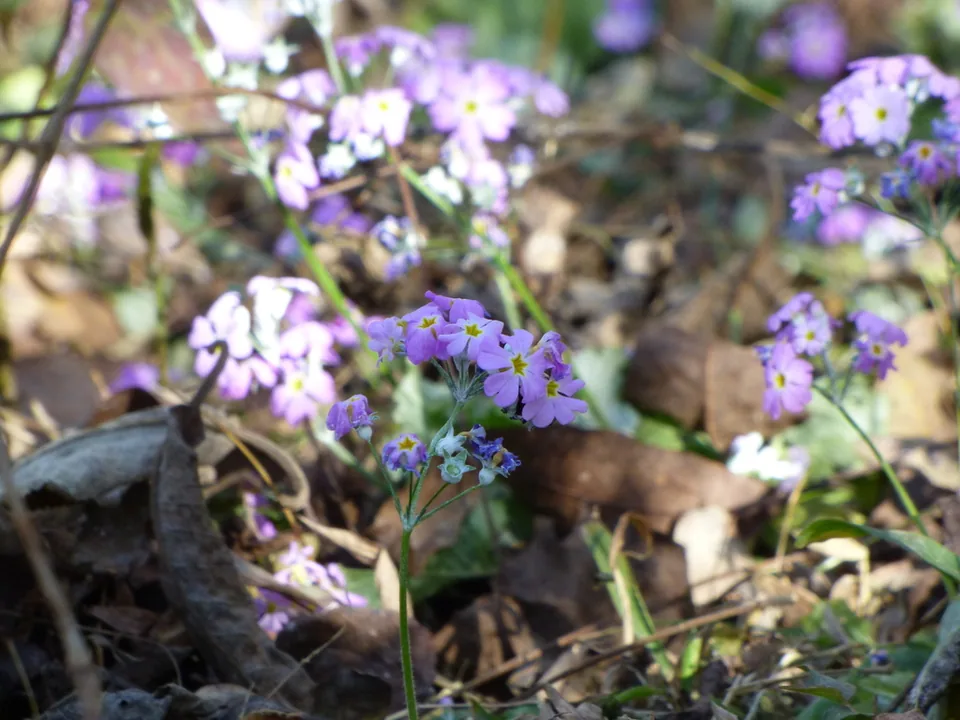
Primula malacoides is a rosette-forming perennial reaching 25-30cm [10–12 in] tall, often grown as an annual or flowering pot plant. [1][2] It flowers from midwinter through to spring in whorls of red, pink, lavender or white flowers. [1] It prefers a cool, partly shaded site with rich, well-draining, slightly acid soil kept moist. [1]
This record is incomplete: the sources we read do not cover every field yet.
Not yet covered by our sources: Hardiness, warmest zone, Pruning
Primula malacoides care
Measurements in square brackets are our conversion into the other unit system; the quoted text is unchanged.
How to water Primula malacoides
Watering
Keep soil moist but not sodden; moderate water use
What the sources say (2)
Keep the soil moist but not sodden and pay particular attention to watering if these plants are grown in pots or baskets. Primula malacoides do not like to get thirsty.Soil/Growing Medium:
Humus rich
Water Use:
Moderate
Landscape Uses:
Alpine, Bedding plantWatering notes
Mulch with compost in warm weather to keep roots cool; soil moist but well-drained
What the sources say (2)
If the weather turns too warm, mulch around the plants with compost to help keep the root systems cool.Its ideal setting is woodland with soil that is rich in humus and remains moist throughout the year but is also well-drained.How much light Primula malacoides needs
Partial to filtered shade; tolerates dappled morning sun, or full sun only if soil is kept moist
What the sources say (2)
Primula malacoides are perfect for shady areas although they can tolerate dappled morning sun. It is a plant that thrives in the cool short days of winter and early spring.Exposure:
Full sun only if soil kept moist, Part sun/part shade, Filtered shadeHow much cold Primula malacoides can take
Hardiness, coldest zone
8a [winter low −12.2 to −9.4 °C (10 to 15 °F)]
What each source says
According to KPU Plant Database: 8a [winter low −12.2 to −9.4 °C (10 to 15 °F)]
What the sources say (2)
According to KPU Plant Database: Hardiness Rating:
Zone 8a: (-12 to -9.5 °C)
Exposure:
Full sun only if soil kept moist, Part sun/part shadeHardiness Rating:
Zone 8a: (-12 to -9.5 °C)
Exposure:
Full sun only if soil kept moist, Part sun/part shadeHardiness, warmest zone
Not stated in the sources we read.
Where to grow Primula malacoides
Indoors
Yes
What the sources say (2)
Water Use:
Moderate
Landscape Uses:
Alpine, Bedding plant, Container planting, Indoor plantThese plants are best used planted in rock gardens, as bedding plants and in containers. They can also be brought indoors for early winter colour.In containers
Yes
What the sources say (2)
Water Use:
Moderate
Landscape Uses:
Alpine, Bedding plant, Container planting, Indoor plantThese plants are best used planted in rock gardens, as bedding plants and in containers. They can also be brought indoors for early winter colour.Spacing
20-25 cm (8-10 in)
What the sources say (1)
Plant Primula malacoides 20 to 25cm (8-10 inch) apart from one from another.How to propagate Primula malacoides
Primula malacoides pests and problems
Aphids, mildew, mites, mold, root rot, slugs or snails, virus
What the sources say (1)
Maintenance: Low Pest Susceptibility: Aphids, Mildew, Mites, Mold, Root rot, Slugs or snails, Virus
— fairy primrose - KPU Plant DB [2]
Remedies
Each remedy shows what official sources say about it; traditional remedies without an official source are marked as such. Harmful ones are listed so you know to avoid them.
First aid
First aid: not a substitute for a doctor
eye irritation
rinse the eye with water Official source, not independently tested
For eye exposures rinse the eye with water for 15 minutes. Seek medical attention if eye is red or sore.
— Primula (Primula) | Queensland Poisons Information Centre [3] How: For eye exposures, rinse the eye with water for 15 minutes.
For eye exposures rinse the eye with water for 15 minutes.
— Primula (Primula) | Queensland Poisons Information Centre [3]
Calendar
Sowing
The sources give different values depending on region, zone or growing conditions.
What each source says
According to Auckland Botanic Gardens (propagation): When seeds are ripe
According to Auckland Botanic Gardens (bedding plants): Spring
What the sources say (2)
According to Auckland Botanic Gardens (propagation): Primula malacoides are prolific self-seeders. They can be propagated by sowing when seeds are ripe or by division in late summer.According to Auckland Botanic Gardens (bedding plants): Bedding plants can be allowed to die each autumn then new plants purchased or raised from seed each spring.Planting
Early spring (purchased plants); older plants divided right after flowering
What the sources say (1)
Newly purchased plants can be set into the garden in early spring. Older plants can be divided and transplanted right after they are finished blooming.Pruning
Not stated in the sources we read.
Months as given by the sources, which are mostly from the United States (northern hemisphere). In the southern hemisphere they shift by about six months.
Indicative values
Values from a secondary source, not checked word for word like the rest of this page. Use them as a starting point.
- Life cycle
- PerennialIndicative value, adapt it to your climate · Secondary source
- Hours of sun
- 4-6 hoursIndicative value, adapt it to your climate · Secondary source
- Drought tolerant
- yesIndicative value, adapt it to your climate · Secondary source
- Soil
- Humus richIndicative value, adapt it to your climate · Secondary source
- Soil pH
- 5.5-6.5Indicative value, adapt it to your climate · Secondary source
- Care level
- MediumIndicative value, adapt it to your climate · Secondary source
- Growth rate
- LowIndicative value, adapt it to your climate · Secondary source
- Pruning
- March, AprilIndicative value, adapt it to your climate · Secondary source
- Pests
- Aphids, adelgids, Mildew, Mites, Mold, Root rot, Slugs, snails, VirusIndicative value, adapt it to your climate · Secondary source
Similar plants
- Cowslip Primula veris
- Eastern Shooting Star Primula meadia
- Oxlip Primula elatior
- Primrose Primula vulgaris
- Primula allionii Primula allionii
- Auricula Primula auricula
- Primrose Primula obconica
- Primula palinuri Primula palinuri
Sources
Every value above is quoted from these documents. Links lead to the original publisher.
- Primula malacoides · aucklandbotanicgardens.co.nz, consulted
- fairy primrose - KPU Plant DB · plantdatabase.kpu.ca, consulted
- Primula (Primula) | Queensland Poisons Information Centre · poisonsinfo.health.qld.gov.au, consulted
- Primula | Queensland Poisons Information Centre · childrens.health.qld.gov.au, consulted
Written by Emilio Marruso · last checked